Spring Fabric Guide: Choosing a Focus Fabric and Palette
- Words by
- Julio Arco
- Published
- Reading
- 4 min
A focus fabric is the one piece of cloth that sets the palette and mood for everything else in an outfit or a sewing project. For spring, pick a lightweight, breathable fabric in a color or print you love, then build the rest around it.
The easiest way to start: choose one fabric with two or three colors in it, and let those colors decide your solids, trims and accessories.
What is a focus fabric and why does it work?
It is the anchor. Instead of choosing six things that must somehow match, you choose one and let it make the decisions. A floral print in lilac, cream and soft green tells you which solids will sit well beside it.
This works because the eye reads colors in relation to each other. Through the lens of evidence-based design, I'd say a single patterned piece gives you a ready-made set of pairings that already look balanced together.
How to choose a focus fabric
Start with the fabric itself, not the trend. A few checks help:
- Weight and drape: does it fall softly (chiffon, silk, fine knits) or hold a shape (crisp cotton, light wool)?
- Color count: two or three colors in the print are easy to build around. Six are harder.
- Scale of the print: large motifs suit simple shapes, small motifs can handle more seams and details.
- Your plan for it: a dress needs drape, a blazer needs structure, a quilt needs a print that still looks good when cut into pieces.
Hold the fabric against your face in daylight. If you like what it does next to your skin, keep it in the running.
Spring color trends in fabric
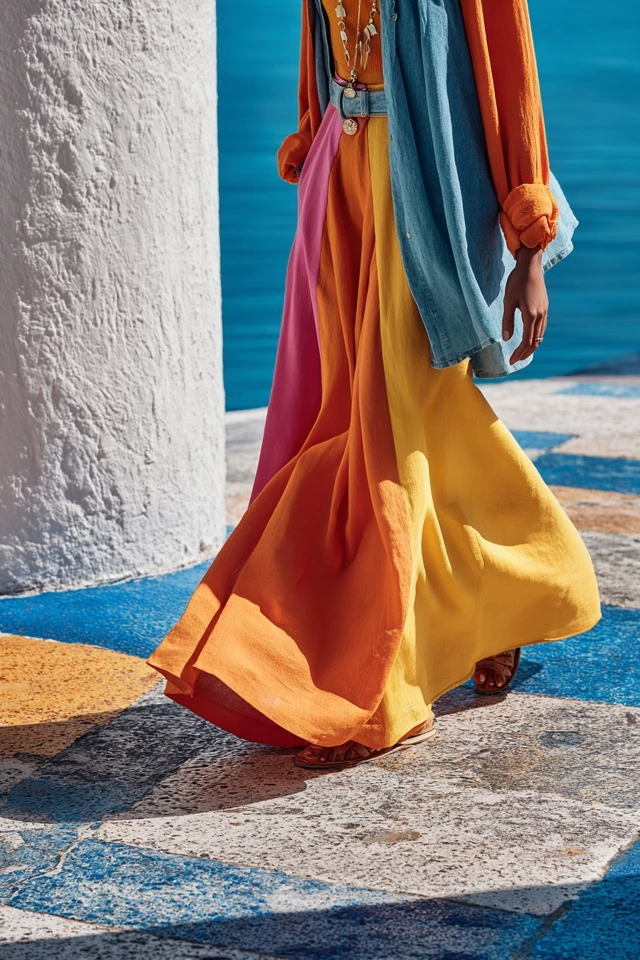
Soft lilac, buttercream yellow, mint green and coral blush show up often in spring collections, along with crisp neutrals like cream and taupe. Treat trend colors as accents rather than the whole outfit, so you can swap them next season.
Some pairings that tend to work: mint with buttercream, lilac with soft gray, coral with camel, navy with any pastel for contrast.
Floral and print fabrics
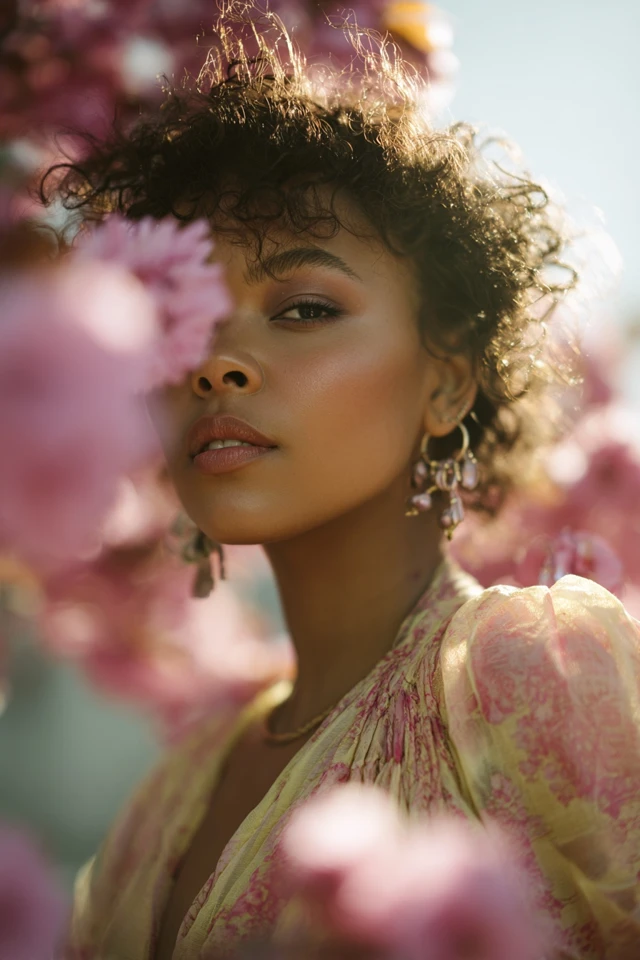
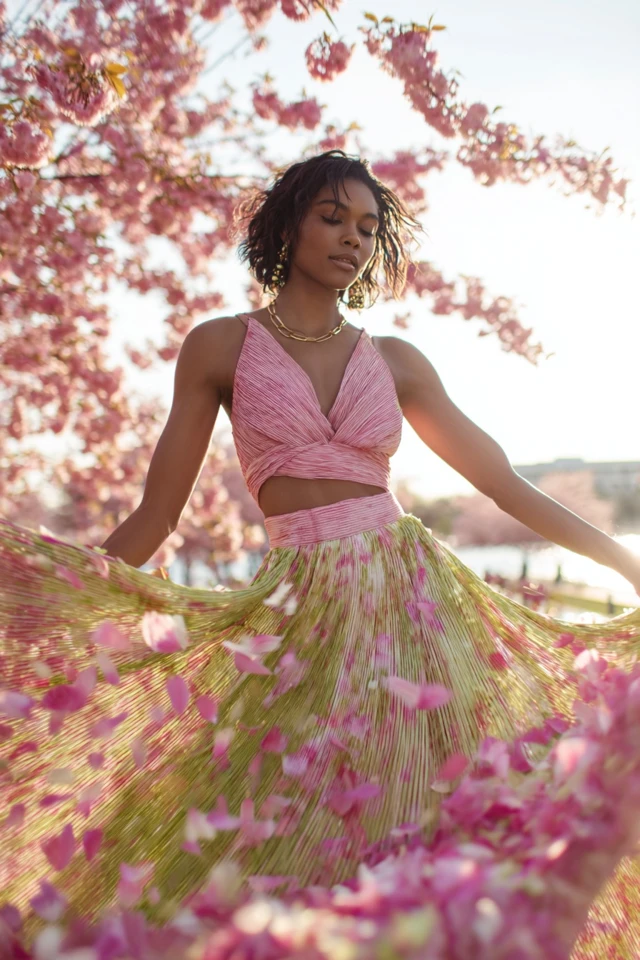
Florals are the classic spring choice, and a jacquard weaves the pattern into the cloth, so it has texture as well as color. Abstract florals feel more current than literal ones, and geometric prints add energy without looking sweet.
To mix prints, vary the scale: a large floral beside a small stripe in a shared color usually looks intentional. For a longer look at one print style, see the floral dress fabric focus.
Natural textures for spring
Linen, cotton, silk and lightweight wool suit spring's changing temperatures because they breathe and layer well. Sheer fabrics like chiffon and organza add softness without weight, especially over a plain slip or fitted layer.
As an architect trained in evidence-based design, I'd pay attention to texture before color. A matte linen and a glossy satin in the same pale pink do not read as the same pink, because the surface changes how light reaches your eye.
One practical note: on cool spring mornings, Howdy Health at Texas A&M advises avoiding cotton for cold-weather exercise because it absorbs moisture and can keep it next to your skin. That applies to workouts, so for active spring days pick a moisture-wicking base layer instead. For athletic looks, see spring athleisure fabrics.
Things to sew with spring fabrics
- A flowy A-line skirt in chiffon or crepe
- A lightweight blazer in cotton or fine wool
- A linen shirt dress or wide-leg trousers
- A silk or satin blouse to wear under a structured jacket
- A quilt that uses your focus print as the largest piece, with solids pulled from its colors
Match fabric to pattern: drapey cloth needs patterns with gathers or bias cuts, while crisp cloth suits darts and tailoring. Fabrics with sparkle are covered in the sequin top fabric focus.
Match fabric to shape and complexion
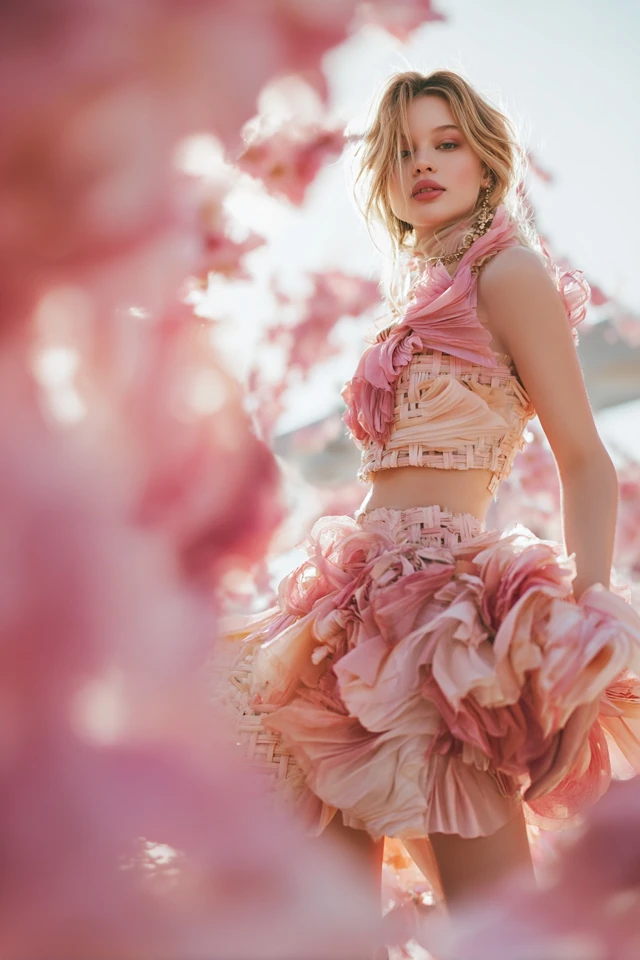
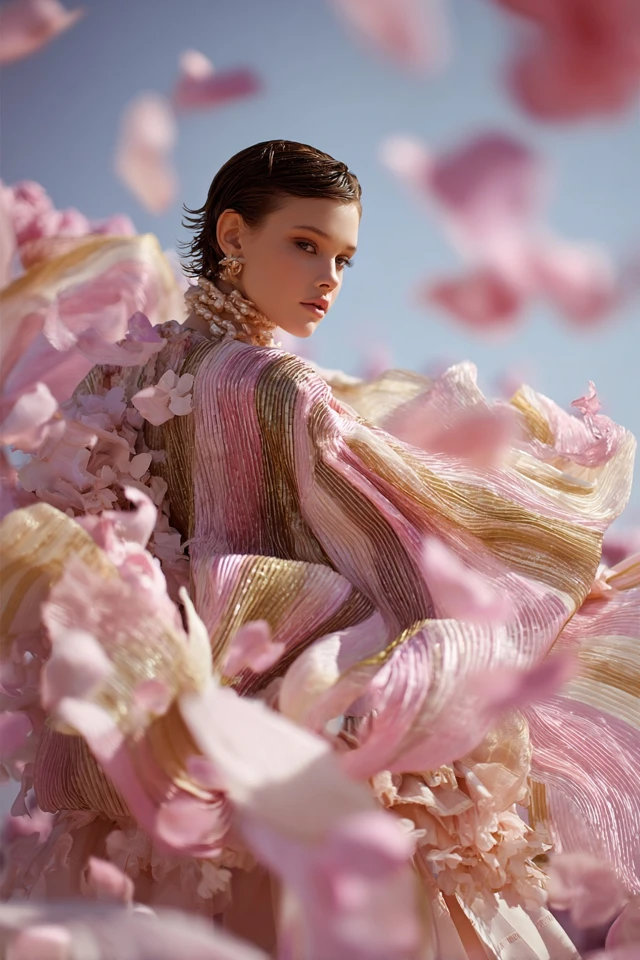
Fabric changes proportion. Draping fabrics like satin and fine knits follow curves, while organza, lace and tulle add volume where you want it. Chiffon and crepe layer without bulk.
For color, warm undertones often glow in coral, olive and mustard, while cool undertones tend to suit pastels, jewel tones and true blues. Check swatches in daylight, and trust what feels good on you. For a softer take, see romantic spring fabrics.
Frequently asked questions
How do I find my signature color for spring?
Hold swatches near your face in natural light and notice which ones make your skin look even and rested. Keep the favorites in a note or small folder to spot a pattern over time.
What is the best fabric for changing spring temperatures?
Cotton, linen, silk blends and lightweight wool breathe and layer easily. Pair a thin base with a light outer layer you can remove.
Can I mix prints in a spring outfit?
Yes. Vary the scale of the prints and share at least one color between them so they look related.
Filed under Outfit Ideas