Seasonal Nail Designs: Fruit Ideas for Every Season
- Words by
- Julio Arco
- Published
- Reading
- 4 min
Fruit is one of the easiest motifs to rotate through the year. Strawberries and cherries suit spring, citrus and watermelon suit summer, plums and figs suit fall, and pomegranate or cranberry reds work for winter. Pick the fruit that matches the season, keep the base color quiet, and the manicure looks planned rather than themed.
Below you will find what to paint each season, how to keep it wearable on short nails, and how to take it off without punishing your natural nails.
Which fruit nails suit each season?
Think of the fruit as the accent and the base as the season. A sheer pink or milky white base lets a tiny cherry or strawberry read clearly, while a deeper base makes the same fruit look moodier.
Spring: strawberries, cherries and soft pinks
Spring seasonal nail colors lean light: blush, cream, pale butter yellow. Place one small strawberry or a pair of cherries on the ring finger and leave the rest in a sheer pink. It is a good pairing with soft cloud nails if you want something airy.
Summer: lemons, oranges and watermelon
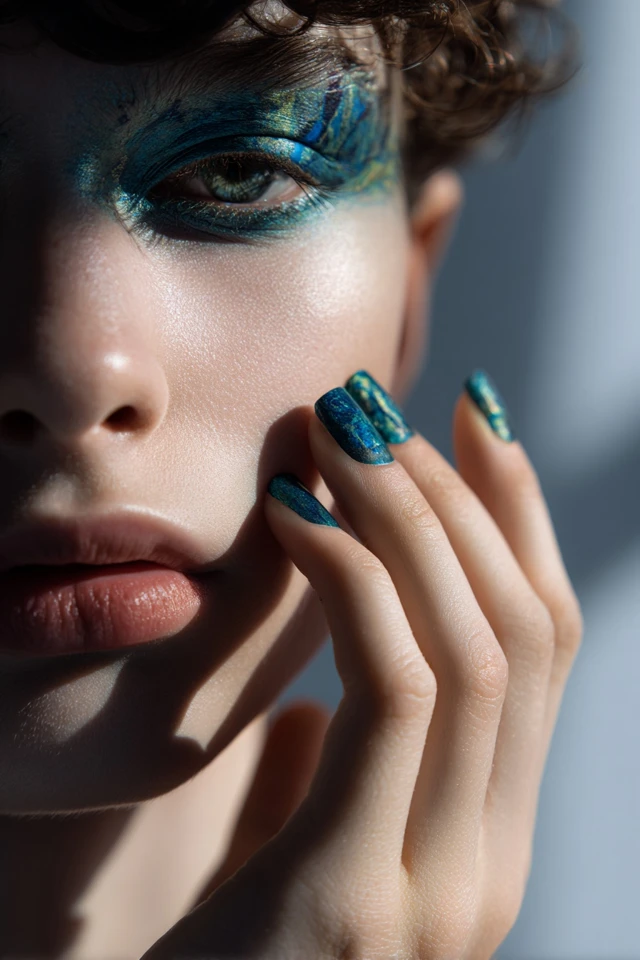
Summer is where brighter color works. Yellow, tangerine and watermelon pink read as fresh against tanned or pale skin alike. Through the lens of evidence-based design, I'd keep the fruit small and the base glossy, because a shiny surface bounces light and makes saturated color look even louder.
Fall: plums, figs and pears
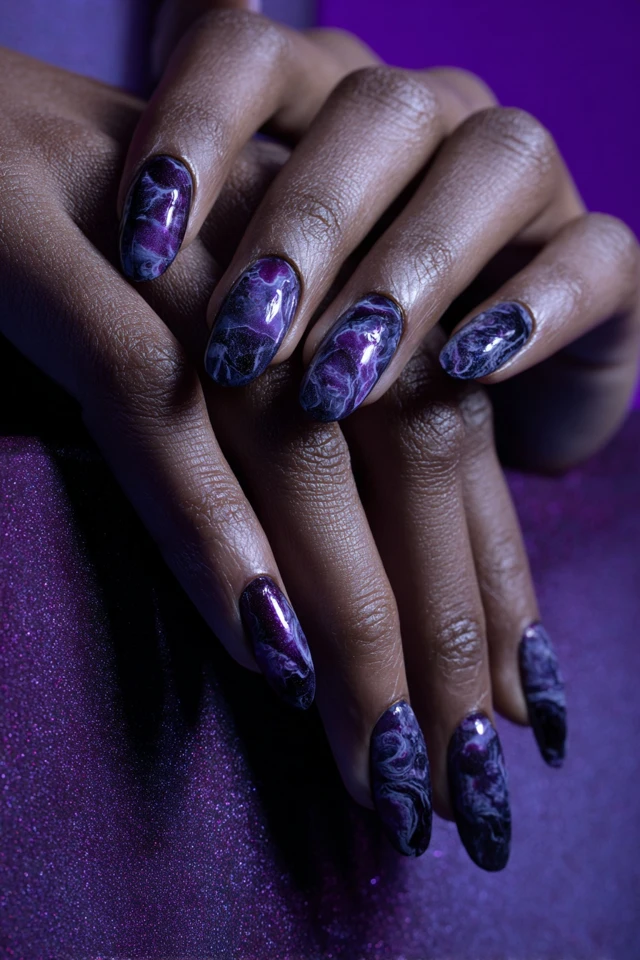
Fall asks for muted, earthy tones: plum, burgundy, olive and a warm brown. A matte topcoat suits these shades, since a flat surface softens deep color. Plaid also sits well beside them, and tartan nails make a natural companion to a plum accent.
Winter: pomegranate, cranberry and citrus
For simple winter nail designs, try a deep red base with one tiny pomegranate seed cluster or a cranberry sprig in cream. Clementine orange against a cool gray or navy base also works and feels fresh in dark months.
How do you keep fruit nails simple and classy?
Restraint does most of the work. A few habits help:
- Limit the art to one or two nails and keep the others solid.
- Choose a base within one shade family of the fruit, such as blush under a strawberry.
- Keep outlines thin. A fine brush or a dotting tool is enough for a cherry.
- Use a single finish across the hand, either all glossy or all matte.
That approach gives you seasonal pattern nails simple enough for an office and still clearly playful up close.

What works on short nails?
Short nails suit small motifs. A full-size fruit gets crowded on a narrow nail bed, so draw a single cherry, a lemon slice or a few seeds and leave space around it. For short winter nail ideas, a sheer red with one tiny citrus wedge near the cuticle keeps the nail looking longer. Vertical placement also helps: run the motif along the length of the nail rather than across it.
Which colors suit your skin tone?
This is a matter of how color reads next to skin, so treat it as a starting point. Peach, coral and golden yellow usually look warm and easy on warmer undertones. Berry reds, plum and cool pink often look crisp on cooler undertones. If you are unsure, hold a swatch or a bottle against your hand in daylight and see which one makes your skin look rested.
If you want good nail designs for this season but not much commitment, the base color matters more than the fruit, so spend your attention there.
How do you remove fruit nail art safely?
Detailed art usually means gel or acrylic, and removal is where nails get damaged. The American Academy of Dermatology notes that getting acrylic nails to stick means filing the natural nail until it is rough, which thins it. The same page says that if you keep artificial nails on for more than a few weeks, you will need touch-ups every 2 to 3 weeks to fill the gaps as the nails grow.
For gel polish, a board-certified dermatologist cited by the AAD says acetone is the most effective way to remove it at home. Cleveland Clinic adds that careless removal can temporarily damage nails, with cracking and peeling the most common issues.
After removing color, look closely at your nails. Dermatologist Chris Adigun, MD, FAAD, says looking closely at your nails after removing the color helps you spot a problem early. If something looks off, check with a dermatologist.
More pattern ideas to rotate in
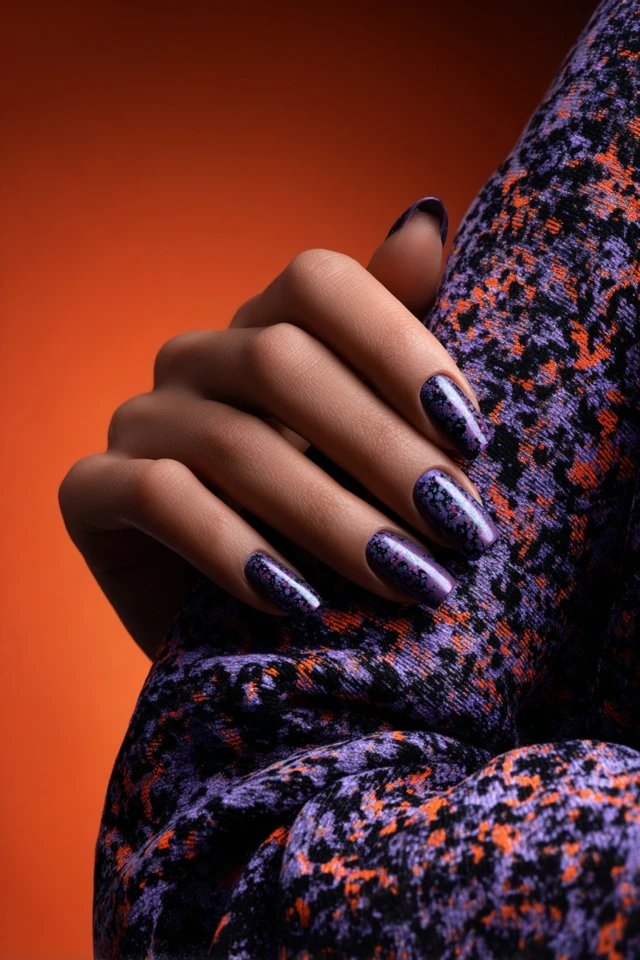
If fruit starts to feel familiar, other motifs follow the same one-accent rule. Try watercolor nails for spring, leopard nails for fall, or starry nails for winter evenings.
Frequently asked questions
What are some good nail designs for this season?
Match the motif to the month: strawberries or cherries in spring, citrus in summer, plum or fig tones in fall, and pomegranate or cranberry in winter. Keep one or two accent nails and solid color on the rest.
Can fruit nails work for the office?
Yes, when the fruit is tiny and the base is sheer or neutral. One small cherry on an accent nail reads polished rather than novelty.
How often should I change my seasonal manicure?
Most people refresh when the manicure grows out or chips, often every two to three weeks. If you wear artificial nails, give your natural nails a break between sets and check with a dermatologist about any damage.
Filed under Nail Design