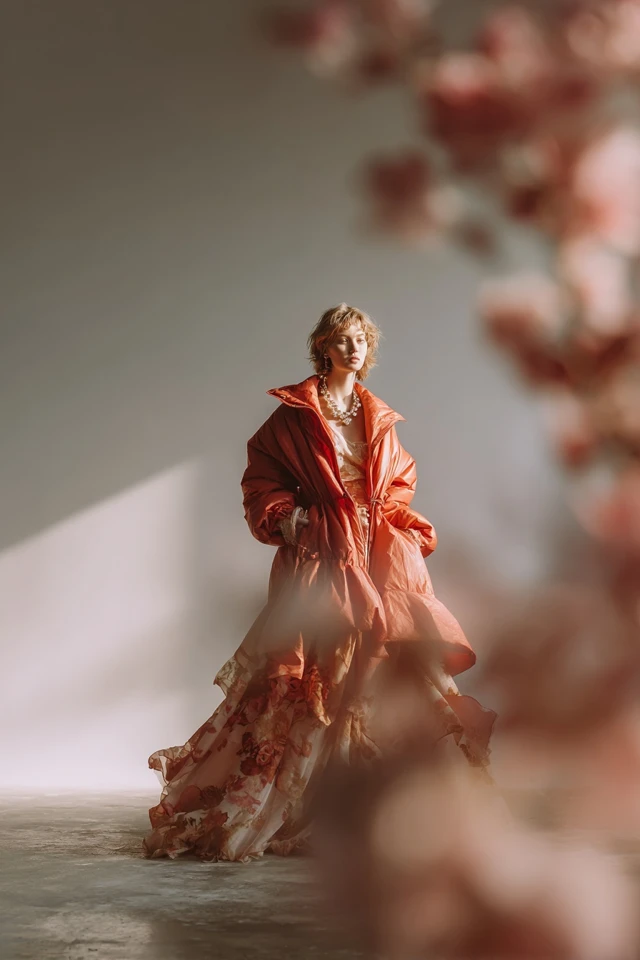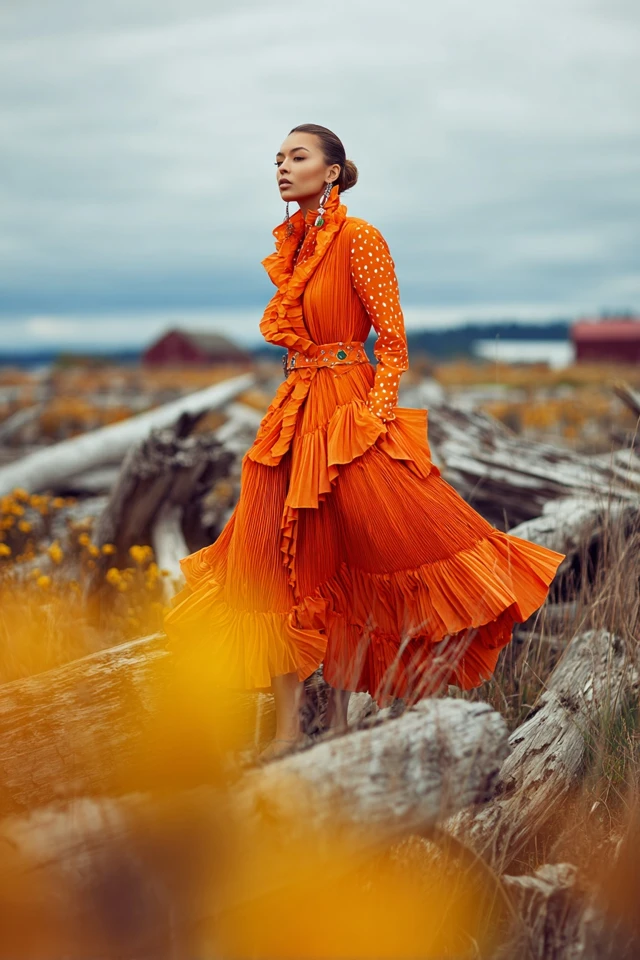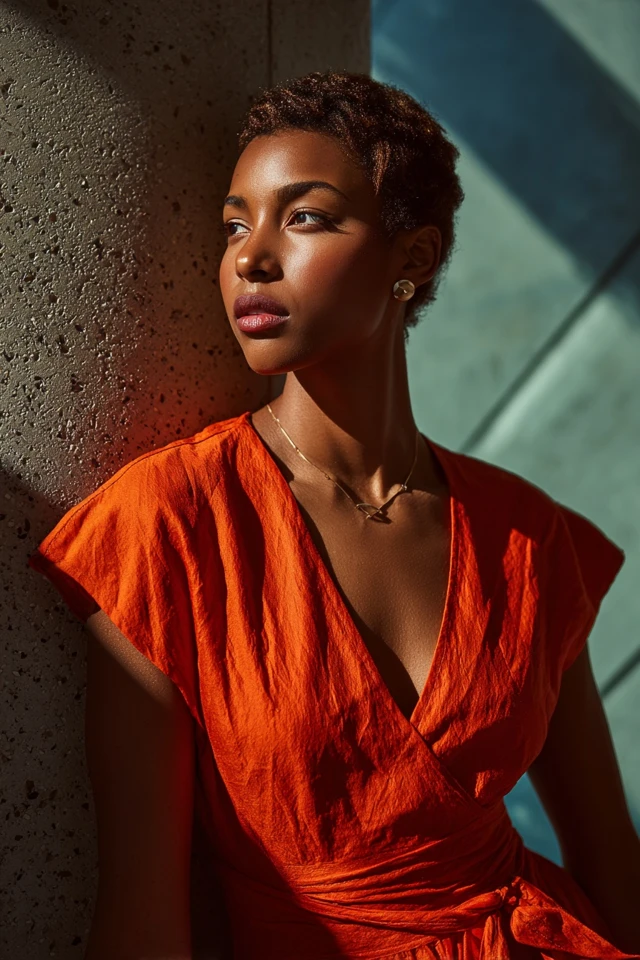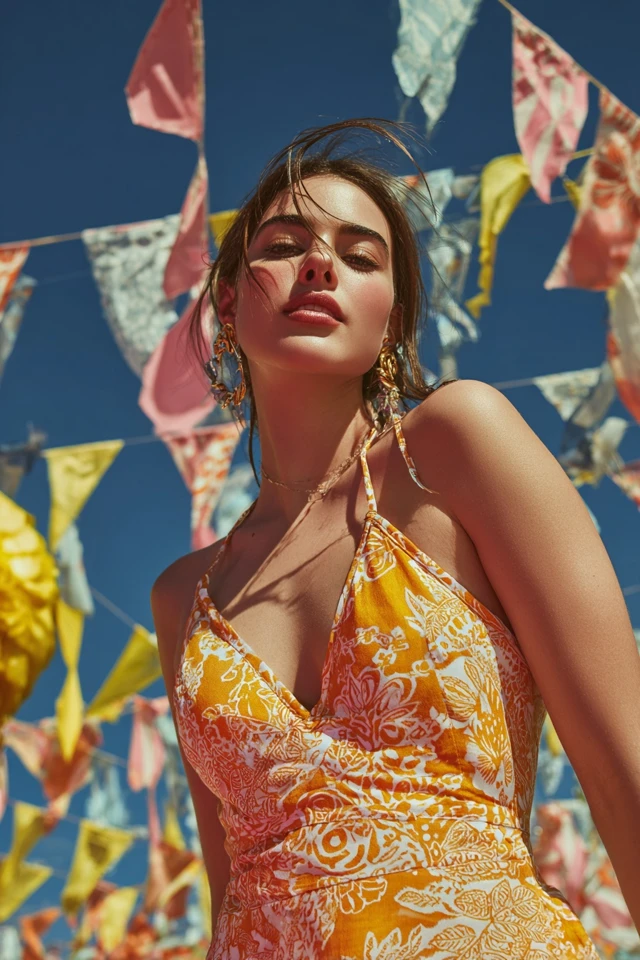
Summer Occasionwear Dresses: What to Wear and How
- Words by
- Julio Arco
- Published
- Reading
- 4 min
The easiest summer occasionwear dress is a midi in a lightweight, structured fabric (silk, a linen blend or a good cotton) in a color that suits the event: soft and muted by day, deeper and richer after dark. It breathes, it moves, and it works for most dress codes short of full formal.
Below: how to match a dress to the occasion, which fabrics and cuts cope with heat, how color reads outdoors, and how to build a small set of pieces you can rewear.
What makes a summer occasion dress work?
Three things decide it: fabric, cut and comfort. A dress that clings, itches or traps heat will show in how you stand and move, however good it looks on the hanger.
Choose fabrics that breathe but keep some body. Silk, linen blends and quality cotton hold a shape without sitting heavily on you. Very thin, unlined jersey tends to show every seam and every bit of humidity.
Check these before you buy:
- Can you sit, raise your arms and walk up stairs comfortably?
- Is the fabric lined enough that it will not go see-through in bright sun?
- Does the color suit your skin in daylight, not just under shop lighting?
Which dress for a summer wedding guest?
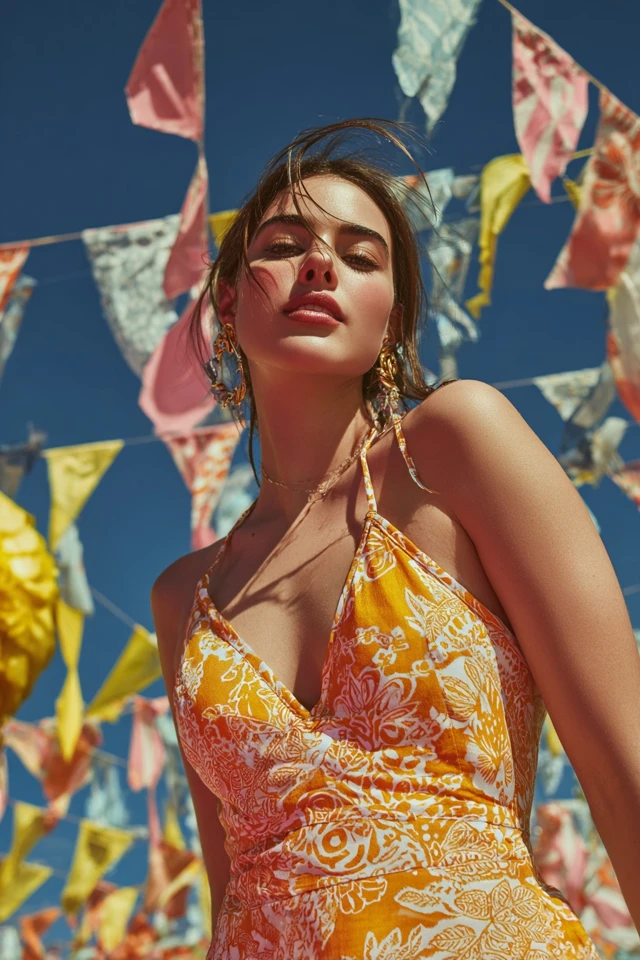
Summer wedding guest dresses are usually best in a midi or maxi length with some structure: a defined waist, a wrap front or a clean A-line skirt. Check the invitation for time of day and venue, since a beach ceremony and a hotel ballroom call for different weights of fabric.
Avoid white, ivory and anything close to a bridal shade. Beyond that, pastels such as blush, mint and lavender suit daytime, while deeper greens, dusty blues and terracotta suit evening. Add a light wrap or blazer for cooler churches and air-conditioned rooms.
What to wear to a garden party
Summer garden party dresses should handle grass, wind and sun. A midi with a skirt that moves but does not billow is practical, and block heels or flat sandals will not sink into a lawn.
Soft shades read well outdoors because natural light is strong. A pale blue or sage dress looks calm against greenery. Through the lens of evidence-based design, I'd pick a matte weave over a glossy one for daytime, because shiny surfaces catch bright light and can look harsher than the color alone suggests.

Can you wear a black tie dress in summer?
Yes. A summer black tie dress is still floor-length, but you can choose lighter silk, chiffon or crepe instead of velvet or heavy satin. Open backs, thin straps and sleeveless cuts keep it cooler without lowering the formality.
Deep colors such as emerald, navy, burgundy or classic black look rich in evening light. Keep accessories minimal: one statement earring or a neat clutch is enough.
Midi, maxi or knee-length?
Midi summer occasionwear dresses are the most adaptable. The hem lands between knee and calf, which works for weddings, garden parties and dinners, and it is easier to walk in than a full maxi.
- Midi: the safest pick for most events and most heights.
- Maxi: more formal, good for evening and black tie, but mind the hem outdoors.
- Knee-length: best for daytime, cocktail-style events and hot weather.
If you want more ideas on fabric and mood, see summer coastal occasionwear for breezier looks, or elegant spring statement occasionwear for earlier-season dressing.
How to choose by shape and size
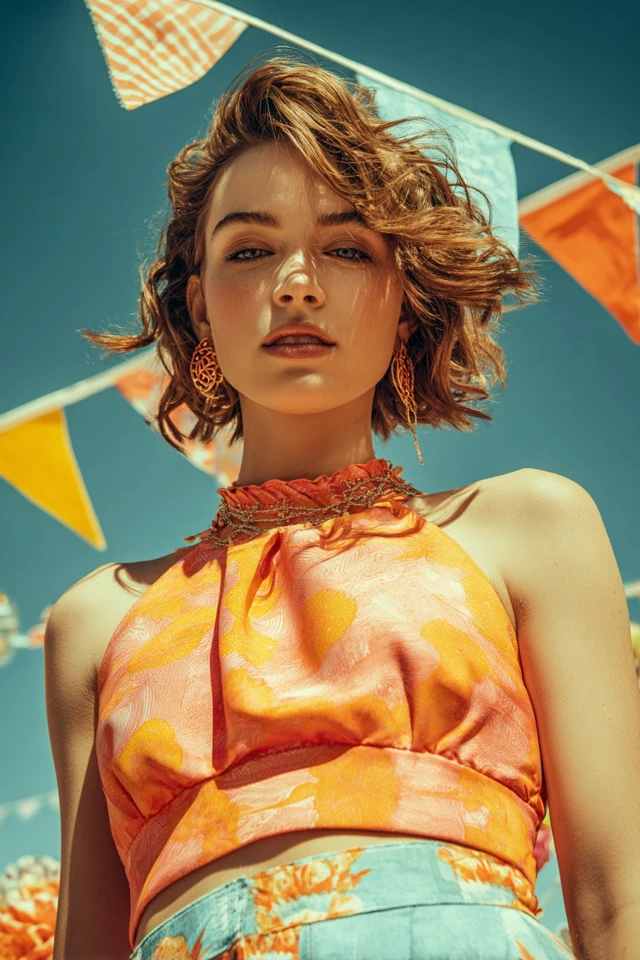
No silhouette suits everyone, and a dress that pulls or gapes is a fit problem, not a you problem. Some starting points:
- Wrap dresses and defined waists suit most shapes and adjust as you move.
- Empire waists and vertical details skim the midsection and lengthen the line.
- Embellished necklines and cap sleeves draw the eye upward if you want more focus there.
- Belts, ruffles or layered fabric add shape to a straighter figure.
For plus size summer occasionwear dresses, look for real structure in the bodice, wide straps or sleeves that do not dig, and fabric with some drape. Try everything seated, because that is how you will spend much of the event.
Color, undertone and the clothes around you
As an architect trained in evidence-based design, I'd treat color as a perception question: how it reads next to your skin and in the light of the venue. Cooler undertones often look good in sapphire, amethyst and fuchsia. Warmer ones suit coral, mustard, olive and warm beige. Neutral undertones can wear most of them.
Clothing also changes how people act and feel. A study in Frontiers in Psychology reported that wearing a Red Cross uniform led to more prosocial behavior compared to civilian clothing. That was a uniform study, not an evening dress study, but it shows that what you wear can shift how you behave, which is a fair reason to pick something you feel at ease in.
Build a small summer set
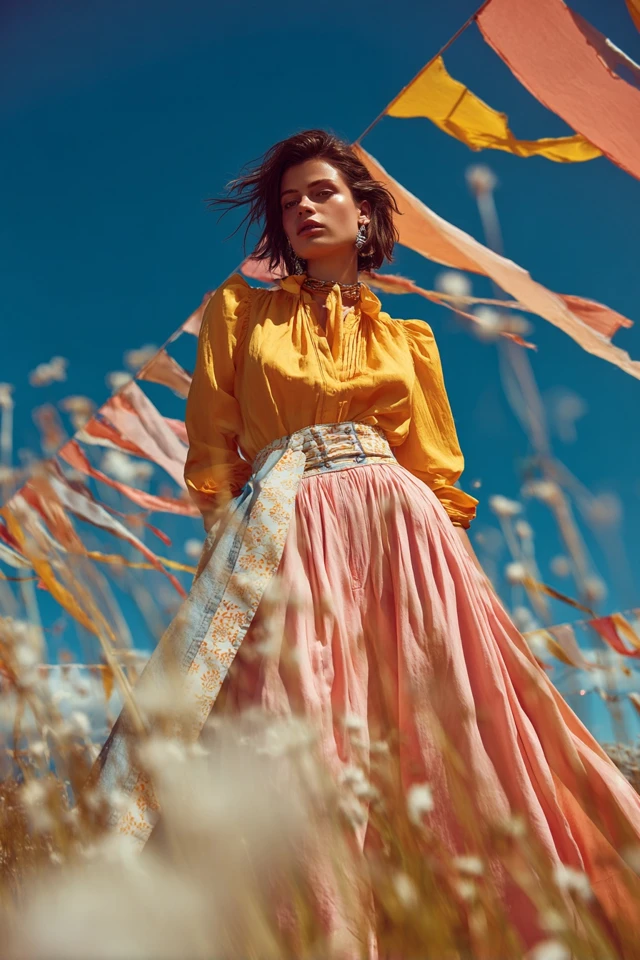
- One midi dress in a neutral or muted color that works across several events.
- One deeper evening dress for formal invitations.
- A light blazer, shawl or kimono for temperature changes.
- Minimal sandals and a clutch in a shade that goes with both dresses.
Store silk and delicate pieces in breathable garment bags to avoid mildew, and follow the care label, hand washing or dry cleaning as it says. For a more relaxed take, try French girl summer mood occasionwear.
Frequently asked questions
What colors should I avoid at a summer wedding?
Skip white, ivory and anything close to a bridal shade. Check the invitation for a requested palette, as some couples ask guests to avoid black or neon as well.
Can summer occasionwear be budget-friendly?
Yes. Choose versatile pieces in a coherent palette so you can mix and rewear them, and put any extra spending on fit or alterations.
How do I stay polished in humid weather?
Choose breathable fabrics, avoid heavy layers and pick a cut with some room through the body. A light wrap helps in air-conditioned venues.
How do I find my signature color for summer?
Hold fabrics near your face in natural daylight and notice which ones make your skin look even and rested. Keep track of the shades you feel best in.
Filed under Outfit Ideas