Breathable Fabrics for Humid Weather: Linen and Eyelet
- Words by
- Julio Arco
- Published
- Reading
- 5 min
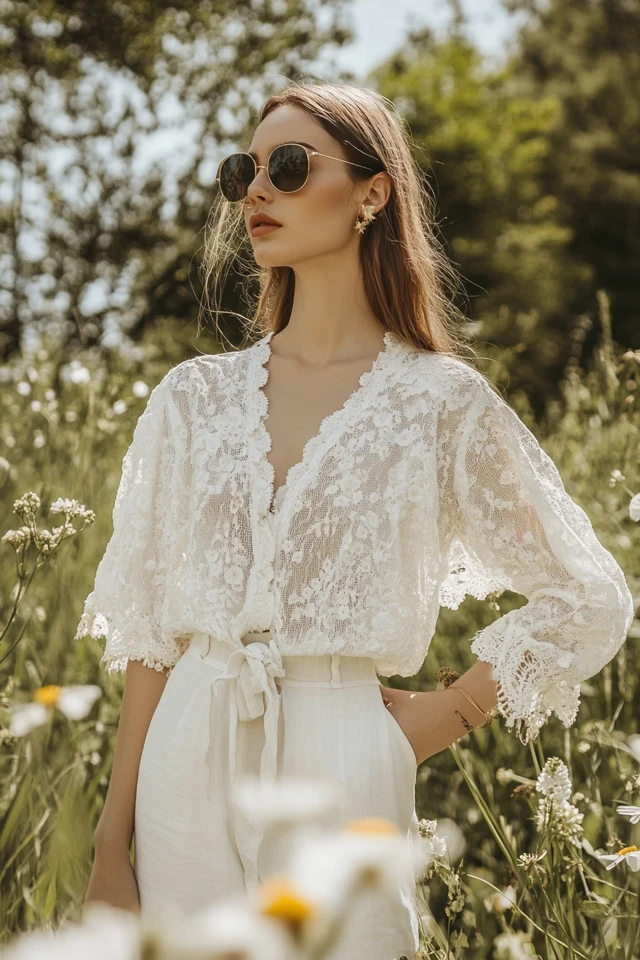
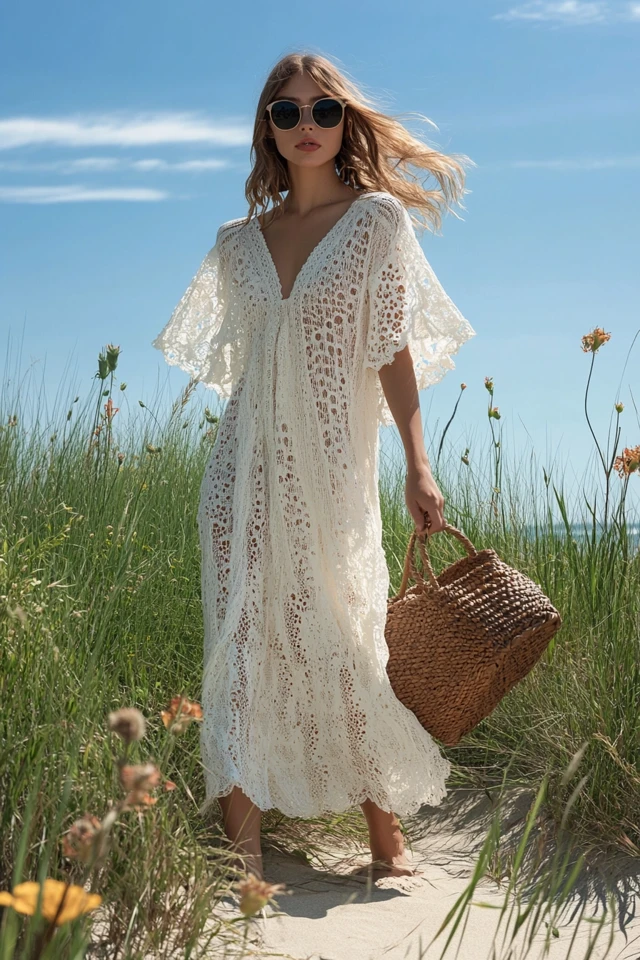
Linen is the most dependable pick among breathable fabrics for humid weather, and eyelet (cotton with embroidered cutouts) adds airflow exactly where a dress needs it. Put them together in a loose dress and you get a piece that stays off the skin, lets air through and still looks put together.
Below: why the two work, how linen compares with cotton, which fabrics to skip, and how to pick a dress that actually feels cooler.
Why linen and eyelet suit humid weather
Humidity slows evaporation, so sweat lingers on your skin. The fabric that wins is the one that absorbs moisture and dries quickly. The City of Philadelphia's Board of Health notes that lightweight fabrics like cotton and linen are breathable, absorb sweat and dry quickly.
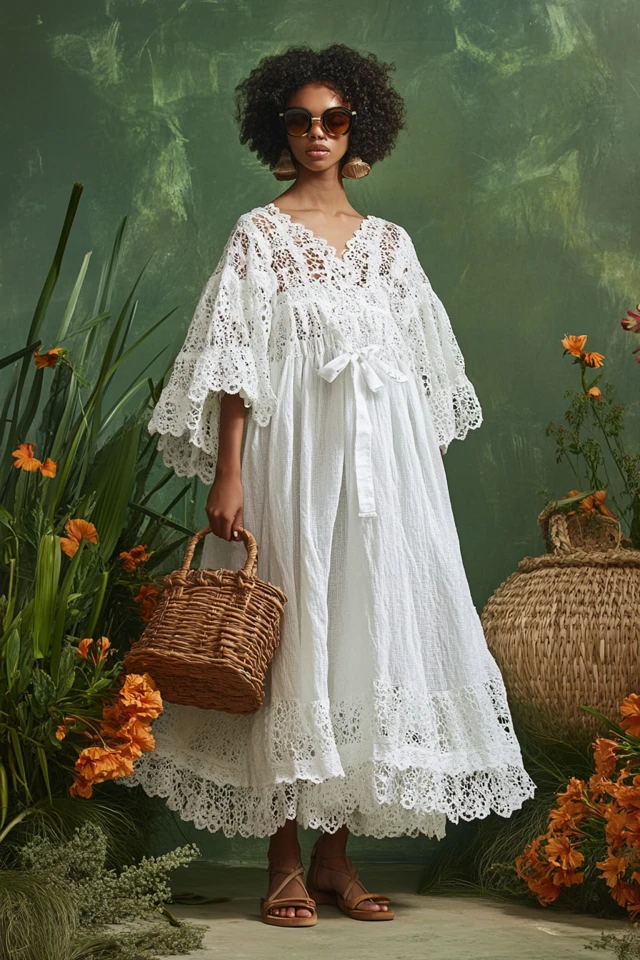
Eyelet helps in a different way. Each small cutout is a tiny vent, so panels on a bodice, sleeve or hem let air move across your skin. Most eyelet is cotton, so the fabric itself is a sound choice too.
Linen vs cotton for humid weather
Both are good, but they are not identical. Georgia Tech's news center reports that cotton's moisture vapor transmission rate is lower than linen's, meaning it doesn't dry as quickly. In a muggy afternoon that difference is what you feel when a dress starts to cling.
Through the lens of evidence-based design, I'd also look at texture. Linen's slightly coarse, crisp weave holds away from the body, so less fabric touches damp skin. Smooth, soft cotton tends to lie flatter against you.
A practical split: wear linen for the main body of the dress, and let cotton eyelet do the detail work on sleeves, yokes and hems, where it adds air without needing to hold shape.
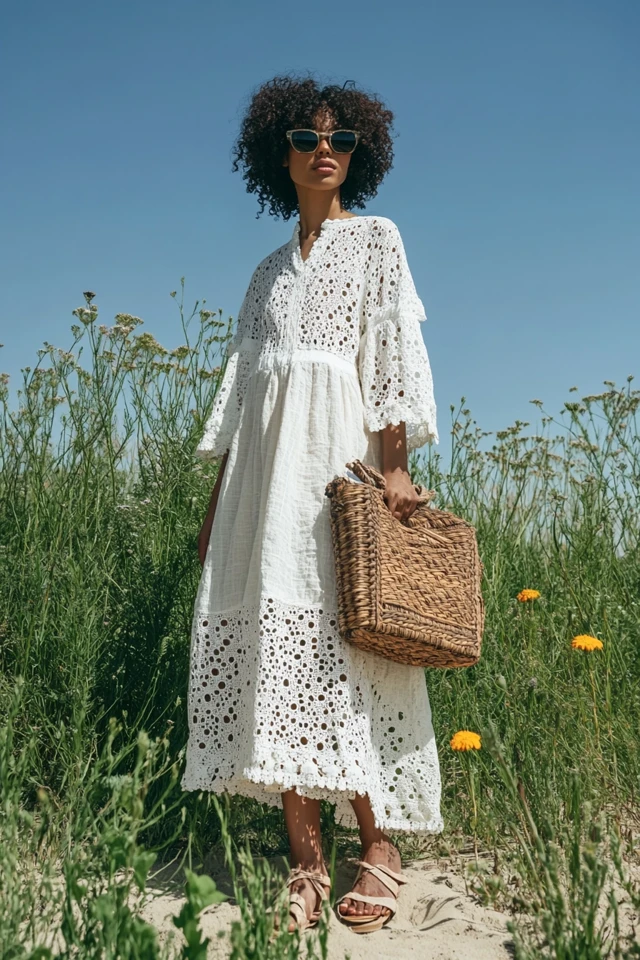
What is the best fabric for hot and humid weather?
For dresses, linen comes first, then cotton, then blends. A few notes on each:
- Linen: breathable, dries fast, wrinkles easily. That creased look is part of the charm.
- Cotton and cotton eyelet: soft and light, a bit slower to dry than linen.
- Linen-cotton or linen-rayon blends: smoother and less wrinkle-prone, with some of linen's breathability. Check the label for the percentages, since a blend that is mostly something else behaves like that fiber.
If you want more on one fiber, the breezy linen dresses for hot summer days post goes deeper, and eyelet fabric in feminine spring dresses covers the cutout side.

What about synthetics and sweat-wicking fabrics?
Quick-drying synthetics have a place, mostly for exercise. Texas A&M's Howdy Health advises choosing quick-drying, sweat-wicking fabrics such as polyester, polypropylene, nylon, or nylon blends in hot weather. They move sweat off the skin, which helps if you are active outdoors.
For a dress you wear to brunch or a market, a tightly woven synthetic can feel warm and slick, so I'd still start with linen or cotton. If you sweat heavily, consider a moisture-wicking layer underneath a loose linen dress and check with a professional for anything beyond comfort.
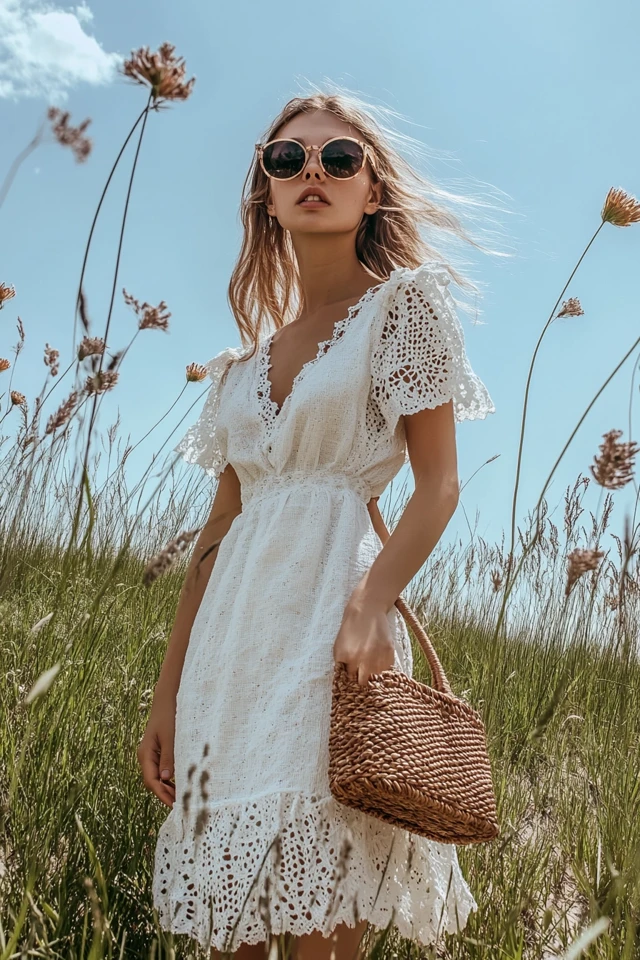
Which fabrics are worst for hot, humid weather?
Skip anything heavy, tightly woven or non-absorbent:
- Thick polyester or nylon in a dress cut, which can trap heat and feel clammy when you are not exercising.
- Satin and other smooth, closely woven synthetics, which show sweat and cling.
- Heavy denim and wool, which hold warmth.
- Stretch fabrics with little airflow, such as bodycon knits.
Cotton is a split case. It is fine for relaxed daily wear, but Howdy Health says to avoid cotton because it absorbs moisture and can keep it next to your skin. That advice is written for cold-weather exercise, so for hard sweating in the heat, linen or a wicking fabric is the smarter call.
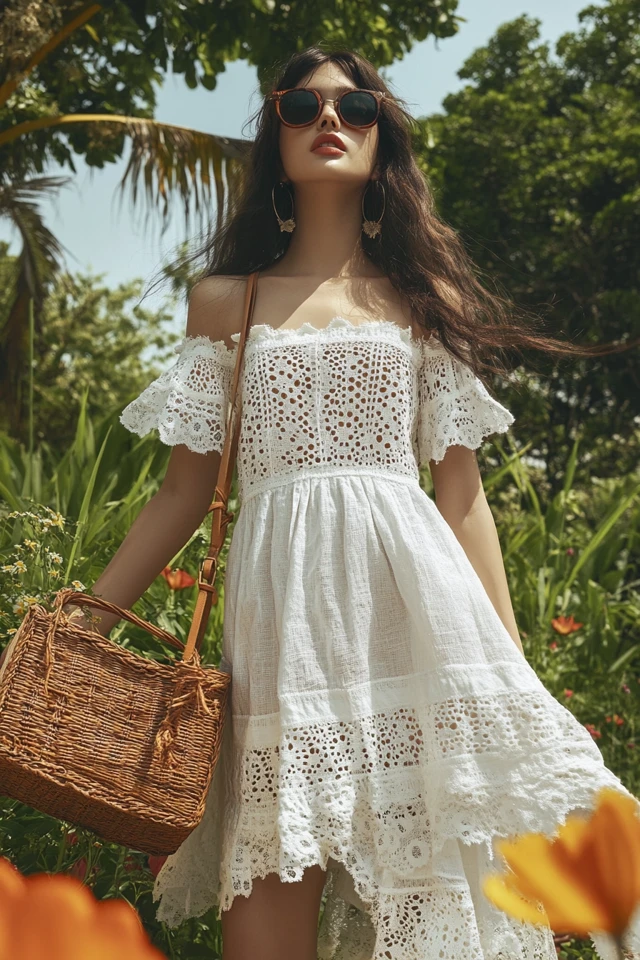
How to choose the cooler dress
Fabric is half the story. Cut decides the rest.
- Pick a loose or A-line shape. Air needs room to circulate, and a skirt that skims instead of clings stays comfortable.
- Look for eyelet on the bodice, sleeves or hem. More cutouts mean more ventilation, but a fully open bodice may need a slip.
- Choose light colors. White, natural linen, pale yellow and sage read fresh, and white eyelet shows off its texture best.
- Check the lining. A full polyester lining cancels out a breathable outer fabric. Cotton or a partial lining is better.
- Hold it to the light. If you can see your hand through it, you will need a nude slip.
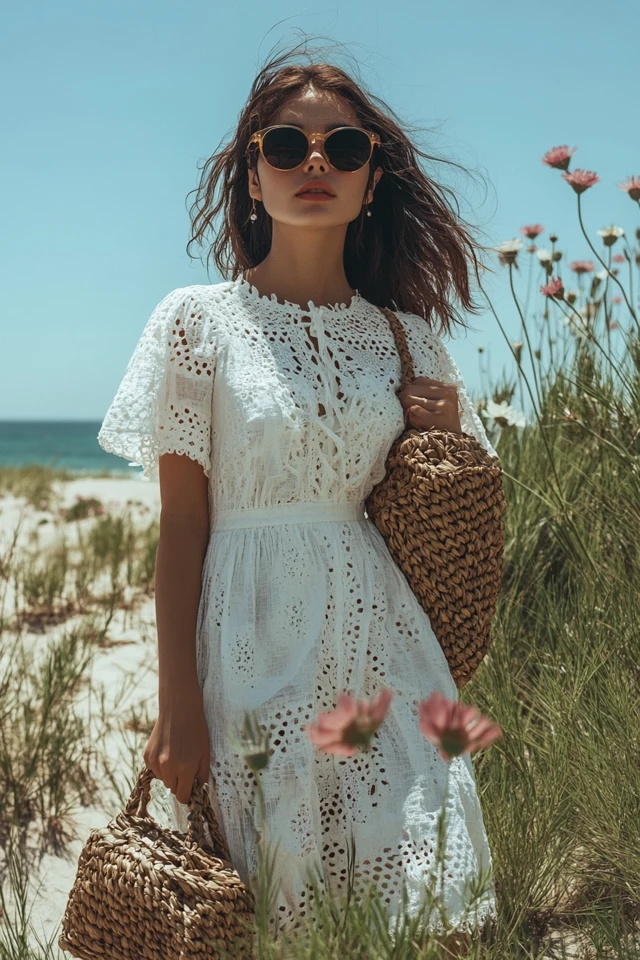
Styles that work for different occasions
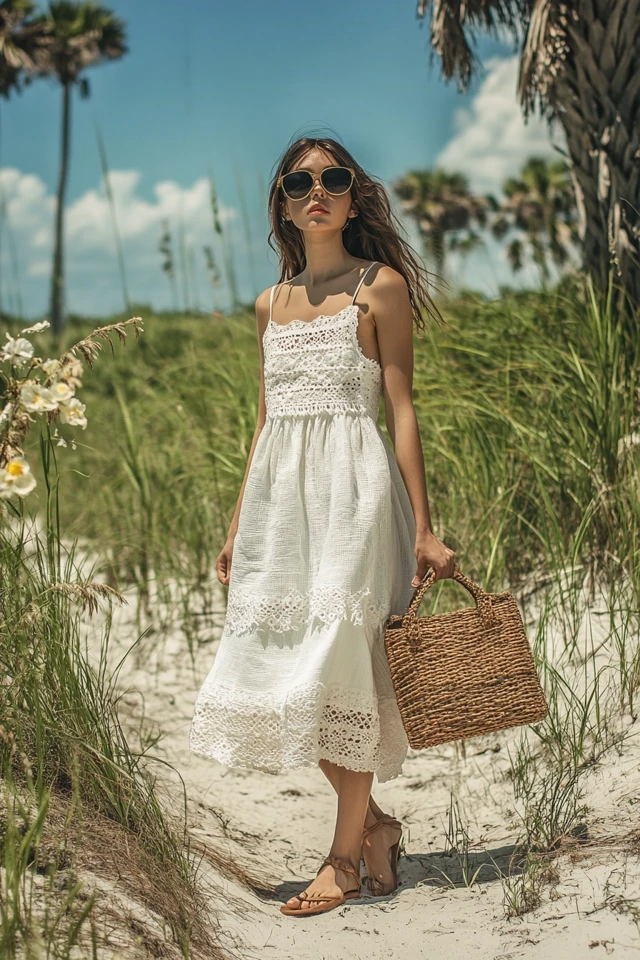
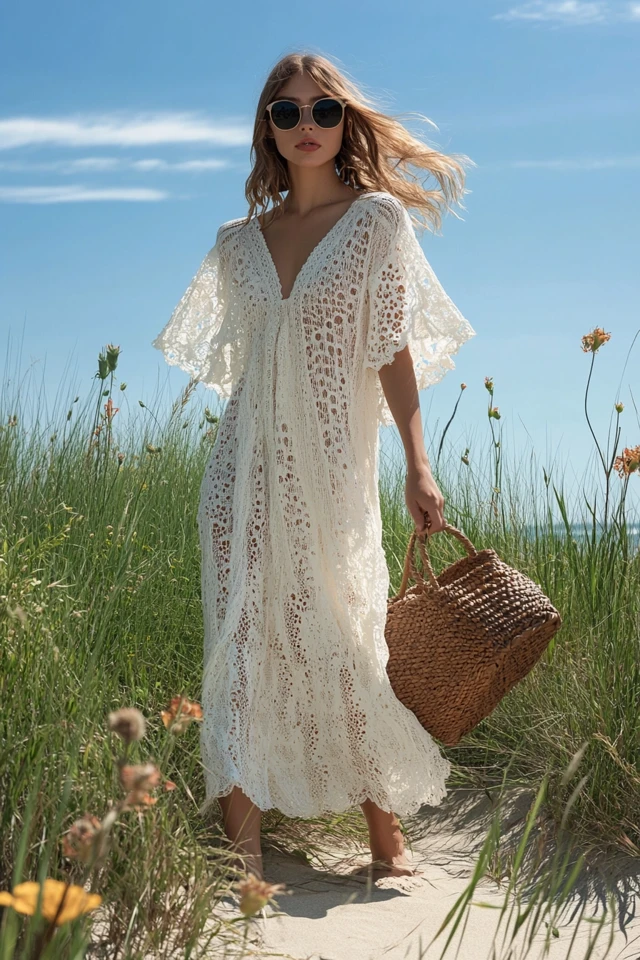
For daytime, a button-front midi with eyelet at the hem pairs easily with flat sandals and a straw bag. Tiered minis and off-the-shoulder cuts suit picnics and beach days.
For something dressier, a fit-and-flare midi in white eyelet suits brunches and outdoor weddings, with wedges or low heels. A linen wrap dress with eyelet at the neckline sits between casual and formal. For evenings, sage green or soft beige in a tiered maxi looks good at a sunset dinner.
If you like the textured, handmade look, crochet and linen in bohemian dresses is a close cousin.
Care and wearing tips
- Steam linen rather than fighting every crease. A light steaming before you leave is enough.
- Wear seamless nude underwear under eyelet so the cutouts stay clean.
- Check the care label before washing. Many linen and cotton dresses take a gentle cycle, while embroidered pieces may need hand washing.
- For cool evenings, carry a light cardigan or denim jacket instead of choosing a heavier dress.
For related pairings, see cotton and linen in summer skirts.
Frequently asked questions
What is the best fabric to wear in humid weather?
Linen is usually the top choice because it is breathable, absorbs sweat and dries quickly. Lightweight cotton, including cotton eyelet, is a close second.
What is the best fabric for excessive sweating?
A loose linen dress, or a quick-drying sweat-wicking layer underneath, tends to be the most comfortable. For sweating that concerns you, check with a doctor.
What are the worst fabrics for hot, humid weather?
Thick polyester, satin, heavy denim, wool and stretchy non-breathable knits trap heat or cling when damp. Choose loose, lightweight weaves instead.
Are linen and eyelet dresses suitable for formal events?
Yes, in a midi or maxi length with a clean silhouette. Add heels and simple metallic accessories to dress it up.
Filed under Fabrics & Textures