Capsule Wardrobe for Everyday Elegance: Effortless Sophistication
- Words by
- Julio Arco
- Published
- Reading
- 4 min
A personal style capsule wardrobe is a small set of clothes that all work together and all look like you. Start by naming the shapes and colors you already reach for, then build a palette and a short list of pieces around them. For an everyday elegant look, that usually means clean lines, quiet colors and good fit.
Below is a step-by-step way to do it, with a checklist of essentials you can adjust to your own life.
How do you find your personal style?
Open your closet and pull out the five things you wear most. Look for what they share: a shoulder line, a length, a fabric, a color family. That overlap is your style, whatever you would call it.
Then ask what you want your clothes to say on an ordinary Tuesday. If the answer is polished but relaxed, you are in classic style capsule wardrobe territory: tailored pieces mixed with soft ones, and little ornament.
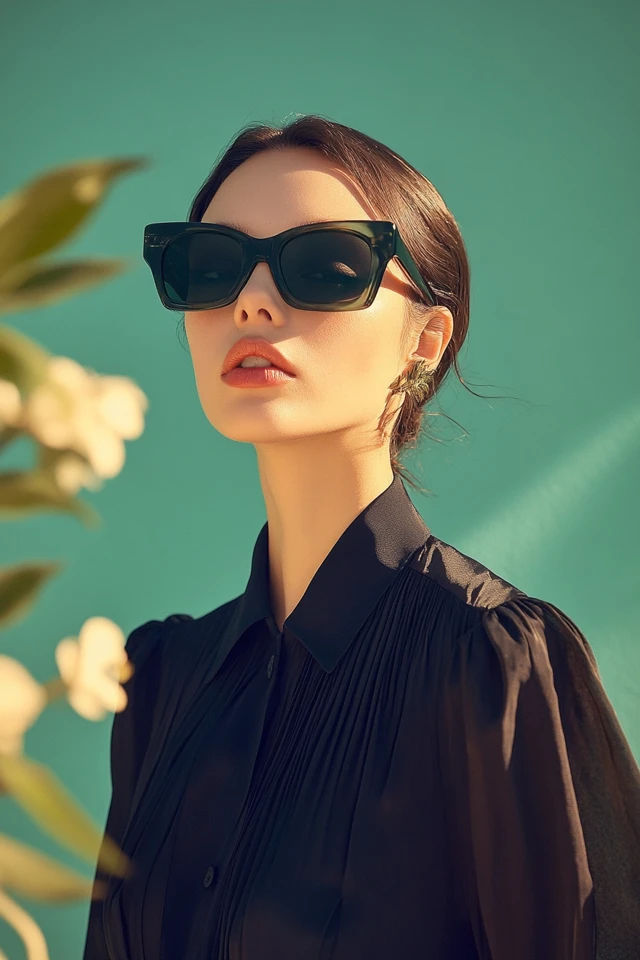
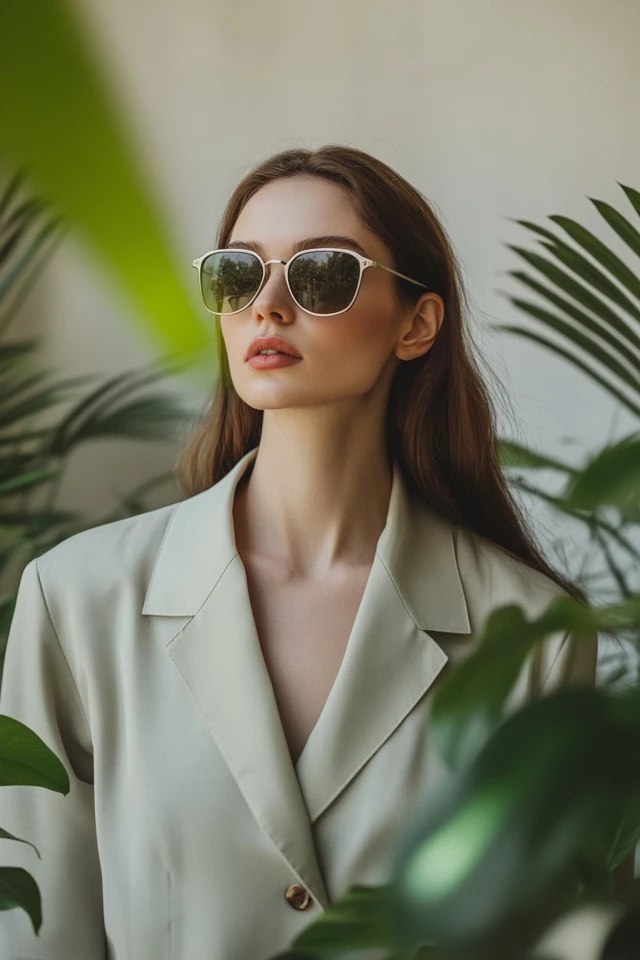
Are you drawn to structured tailoring, flowing dresses, or a mix? Pick one lead and one supporting shape. A structured blazer over a silky camisole is one pairing; a crisp shirt with a pleated midi skirt is another. Both balance sharp and soft, which is why they read as elegant.
Choose a color palette
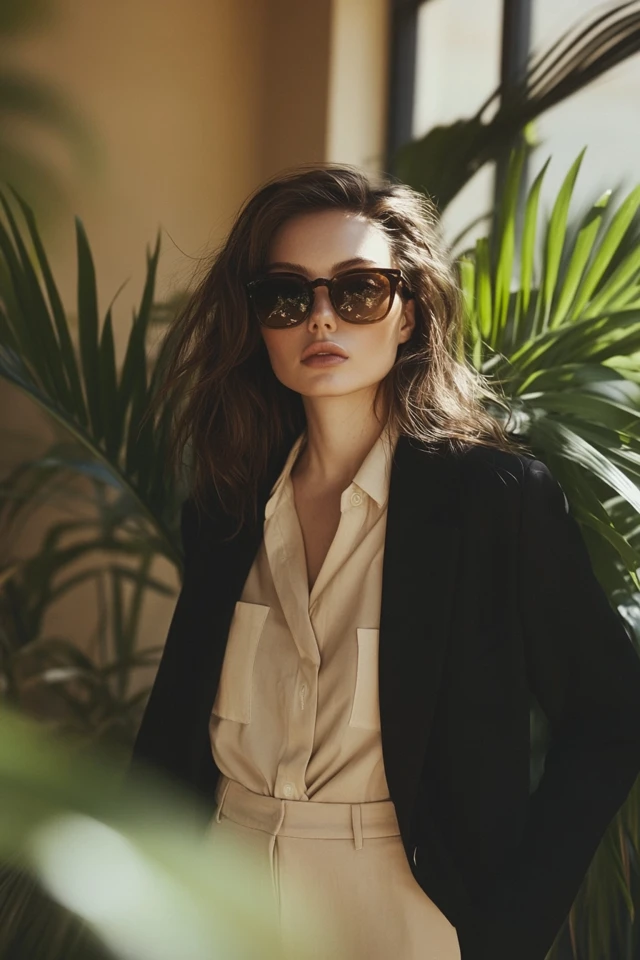
To choose a color palette for a capsule wardrobe, start with two or three neutrals you wear well, then add one or two accent colors. Black, navy, white, cream, beige, camel and gray all mix easily, so almost any top works with any bottom.
Hold each color near your face in daylight before you commit. A color that looks good on a hanger can wash you out, and a slightly warmer or cooler version of the same neutral often fixes it.
- Black and navy read formal and give a sharp outline, good for work and evening.
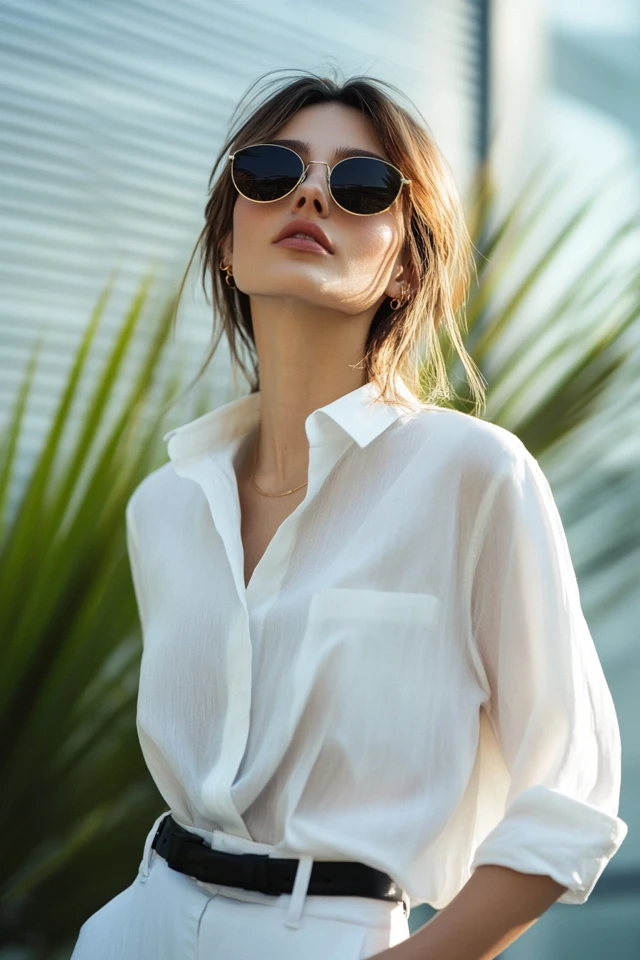
- White and cream look crisp and light, best near the face if they flatter you.
- Beige and camel feel warm and softer, and pair well with navy or gray.
For accents, muted shades such as blush, sage or soft lavender keep the palette calm. If you like neutrals, the guide to styling all-neutral outfits goes deeper.
Pick classic shapes and fabrics
Elegance depends more on fit and fabric than on the item itself. Trousers that sit right at the waist and fall cleanly to the shoe look expensive even when the cloth is simple. A jacket that pulls at the shoulders is a fit problem, not a you problem, and a tailor can often help.
Through the lens of evidence-based design, I'd treat texture as part of the color. A matte wool and a glossy satin in the same navy do not read as the same color, because the surface changes how light reaches the eye. Mixing two or three textures (silk, wool, leather) adds depth to a quiet palette.
Natural fibers such as wool, cotton, silk and linen tend to drape well and feel good against skin. Check the care label before buying: if a piece needs dry cleaning every wear, you will probably wear it less.
Capsule wardrobe essentials checklist
Use this capsule wardrobe checklist as a menu, not a rule. Cross off what you never wear and add what your week demands.
Tops
- Silk or silk-feel blouse
- Crisp button-up shirt
- Fine knit sweater in merino or cashmere
- Fitted turtleneck
Bottoms
- Tailored trousers in black or beige, see soft wool trousers
- Pleated or flowing midi skirt
- Dark-wash jeans
Dresses, layers and shoes
- Wrap dress or shirt dress
- Blazer and a trench or wool coat in camel, gray or navy
- Pointed-toe flats, neutral pumps or loafers, and ankle boots
- A structured tote and a simple watch or small earrings
A total of 30-40 pieces including shoes and accessories is a common target, but your climate and routine decide the real number. More examples are in this everyday capsule wardrobe.
Build outfits from your pieces
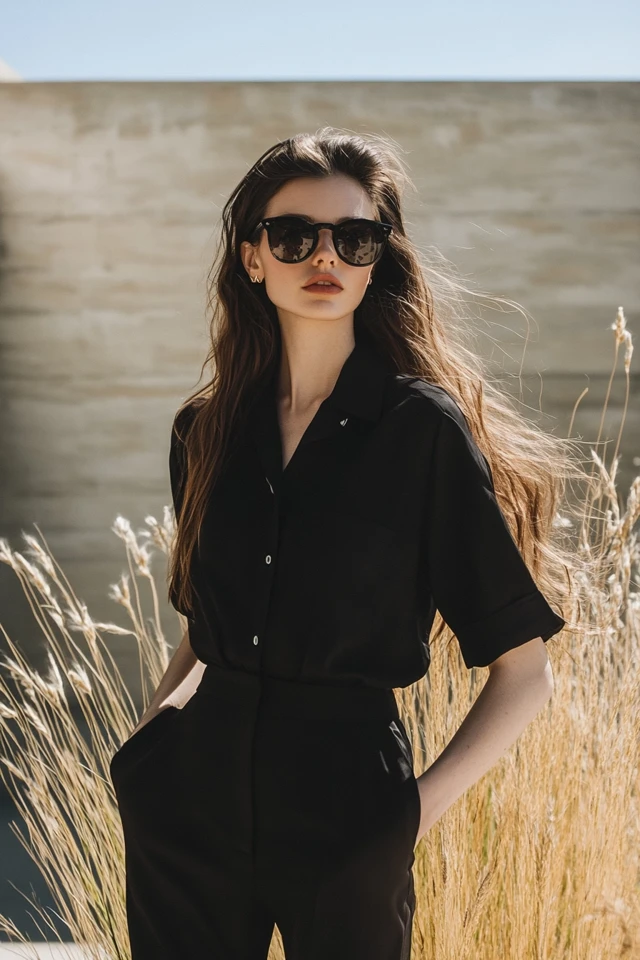
Think in modules. Choose one top, one bottom and one layer that all share the palette, and check that each piece goes with at least three others. Anything that only works with one item is a candidate to leave out.
- Trench over a tailored dress.
- Blazer with jeans and flats.
- Fitted turtleneck with wide-leg cream trousers.
- Fitted blazer with a flowy midi skirt, to balance sharp and soft.
Trends can fit in if they match your shapes. Oversized blazers or wide-leg trousers work when they sit comfortably in your palette. For more ways to dress up basics, see dressing up everyday basics.
Edit and manage the rotation
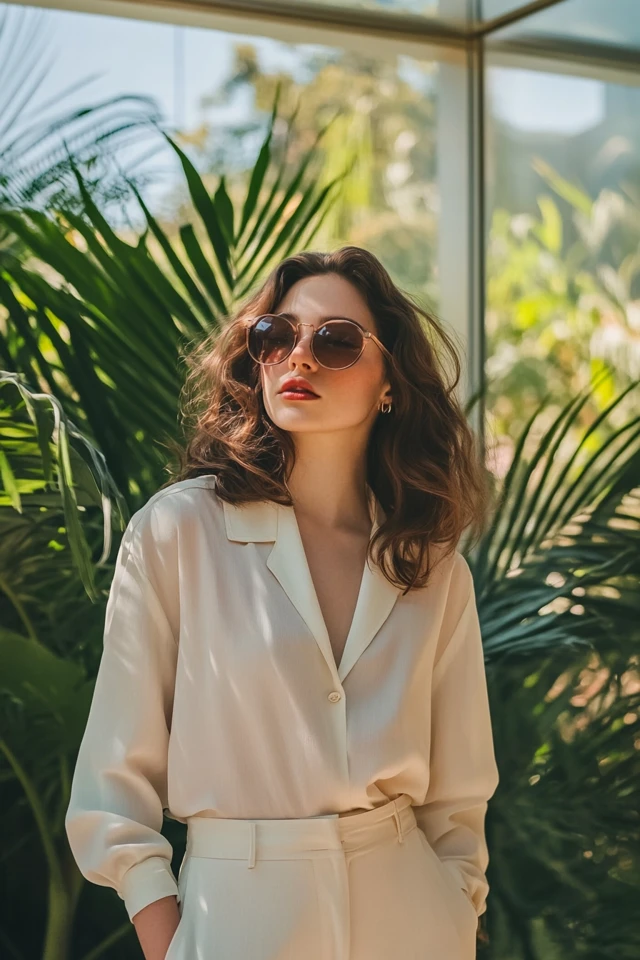
Review your wardrobe at the change of season. Keep what fits, suits your palette and gets worn. MSU Extension instructor Jasmine Harris-Speight suggests this test: "When deciding what to keep, ask yourself: Does this item hold a sentimental place in my heart? Will I miss this item if I get rid of it?"
Whatever leaves should not go straight to the trash. The EPA estimated that the recycling rate for all textiles was 14.7 percent in 2018, so donating, selling or swapping is worth the extra step.
Store knits folded, hang tailoring on shaped hangers, and replace one item at a time instead of restocking all at once.
Frequently asked questions
How many pieces should a personal style capsule wardrobe have?
Many capsules land around 30-40 pieces including shoes and accessories. Fewer works if your routine is simple; more if you need separate work, travel and weather options.
Can a classic capsule wardrobe include casual items?
Yes. Dark denim, fine knits and simple flats fit well when they share your palette and fit properly.
How do I add patterns to a capsule wardrobe?
Choose one or two quiet patterns such as stripes or houndstooth and pair them with solid neutrals. Keep the scale similar if you wear two patterns together.
How do I keep a capsule wardrobe working over time?
Review it each season, remove what you did not wear, and replace one piece at a time. Follow the care label on each garment so it lasts.
Filed under Capsule Wardrobe