Cottagecore Outfits: Bold Ideas, Formulas and Pieces
- Words by
- Julio Arco
- Published
- Reading
- 4 min
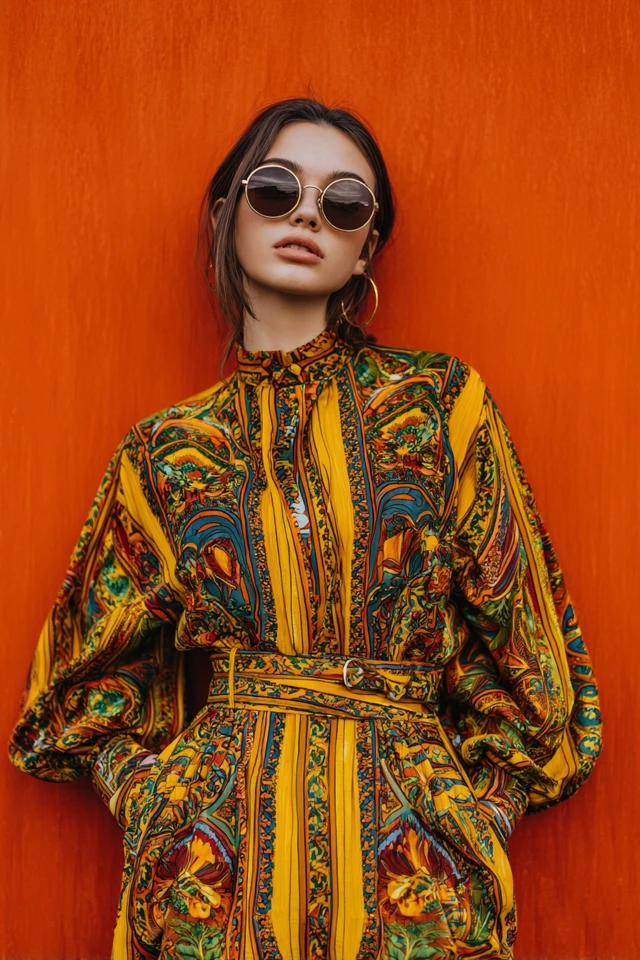
Cottagecore outfits borrow from rural, handmade, old-fashioned clothing: prairie dresses, embroidered blouses, gingham, knit cardigans and straw hats. The bold version keeps those shapes and swaps the usual cream and pastel for saturated color, larger prints and one clear focal point.
The simplest formula: one romantic piece (a puff-sleeve dress or a ruffled blouse), one strong color, and everything else quiet. Below you will find what the style includes, the pieces worth looking for, formulas by occasion and how to adapt it.
What clothing style is cottagecore?
Cottagecore is a romantic, countryside-inspired look built on soft shapes, natural fabrics and handwork. Think cotton, linen, wool and lace, with details like smocking, embroidery, ruffles and broderie anglaise.
The roots are old. Edwardian daywear, for instance, was described by author Daniel Milford-Cottam as "often as elaborately trimmed and accessorized as evening wear". Cottagecore keeps that love of trim but wears it with sneakers and denim.
The bold version raises the contrast. Instead of ivory on ivory, try marigold against forest green, or a checked pinafore over a crisp white tee.
How do you make cottagecore bold?
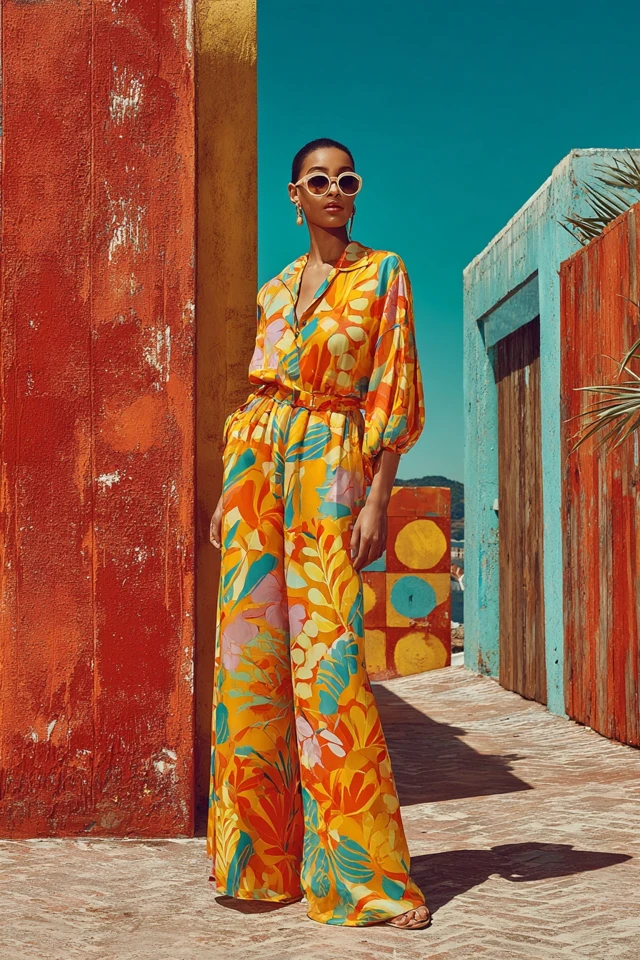
Pick one saturated color and let it carry the outfit. Color reads differently depending on the surface: a matte cotton in deep red looks calmer than the same red in satin, because the fabric changes how light reaches your eye.
Through the lens of evidence-based design, I'd choose the matte weave for daytime and keep shiny fabrics for evening, since texture changes how loud a color feels.
- Earthy brights that sit well with natural fabrics: ochre, rust, olive, cranberry, peacock blue.
- Pairings that look intentional: mustard with cobalt, crimson with sage, olive with magenta.
- Keep the rest neutral: white, cream, tan or denim.
Cottagecore dresses with puff sleeves
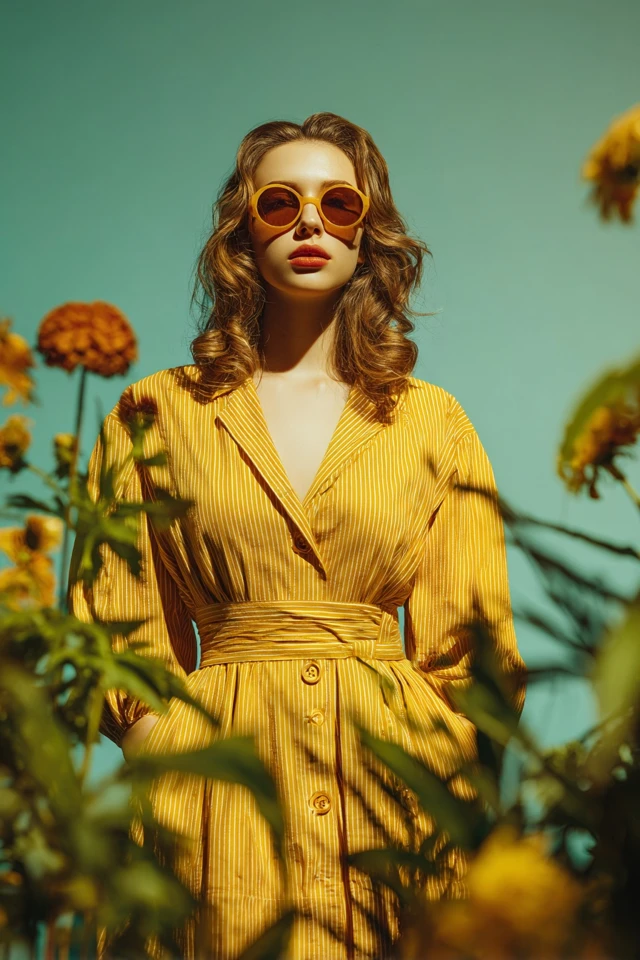
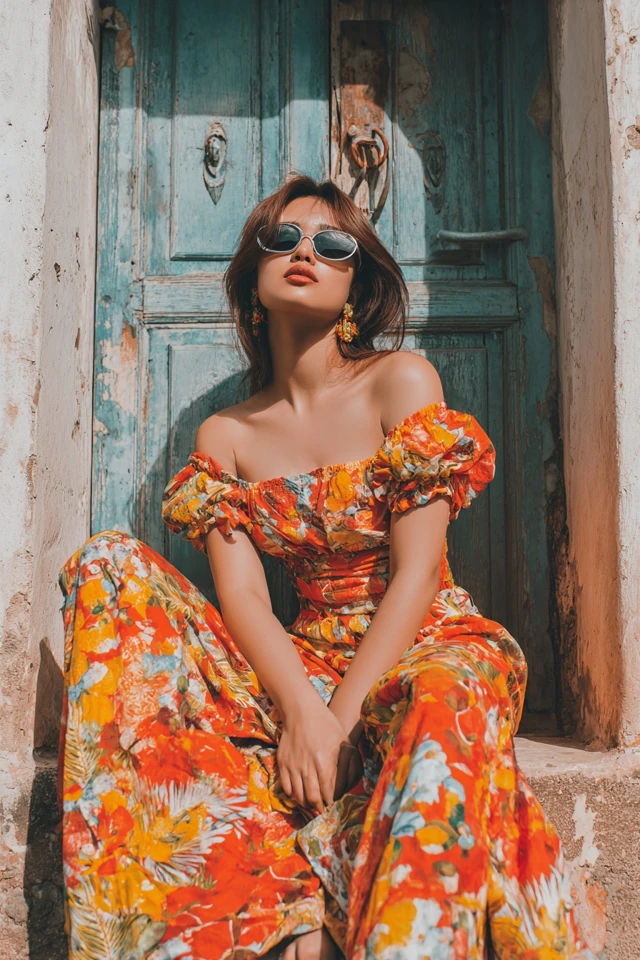
The puff-sleeve dress is the easiest entry point. The volume at the shoulder balances a fitted bodice and a gathered or tiered skirt, so the silhouette reads feminine without much effort.
Check the shoulder seam first. If it pulls or the sleeve cap collapses, that is a fit problem, not a you problem. Sleeves with an elastic or a short cuff hold their shape best.
- Midi length with a belt defines the waist on most shapes.
- An empire waist is comfortable and forgiving.
- Small-scale florals or micro-gingham suit petite frames; larger prints suit longer lines.
For floral versions, see these floral dress outfit ideas.
Tops, skirts and layering pieces
Layering is where the style gets its depth. A white peasant blouse under a plaid pinafore, a ruffled vest over a smocked top, or a hand-knit cardigan over a slip dress all work because the layers differ in texture.
Skirts with room to move (prairie, tiered, A-line) pair well with a fitted top. If the skirt is voluminous, keep the top slimmer so the proportions stay balanced.
Cooler weather calls for turtlenecks and denim jackets under or over the dresses. Two good references are turtleneck outfit ideas and denim blazer outfits.
Accessories: straw hats, baskets and aprons
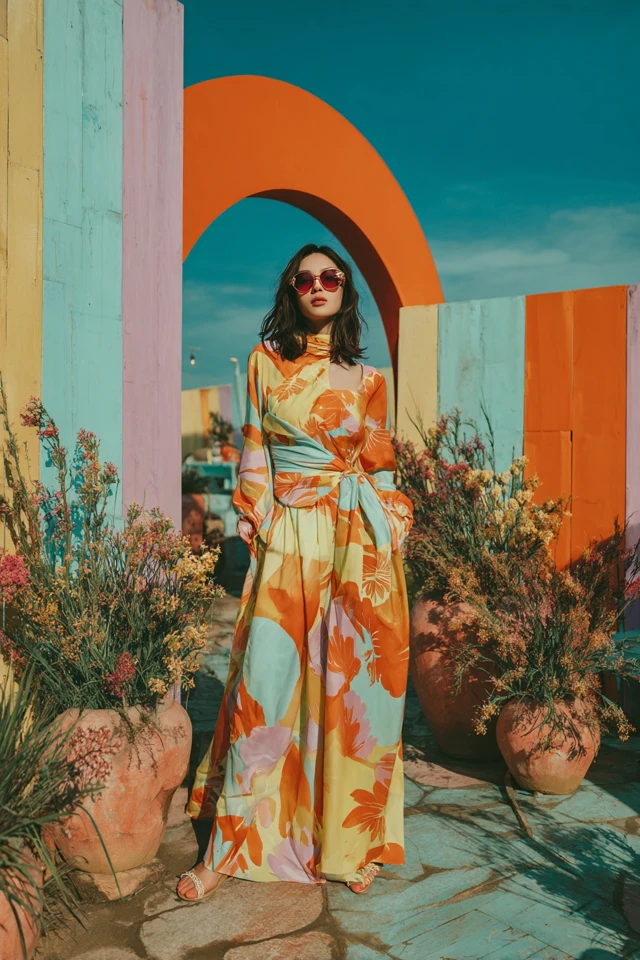
Accessories are the cheapest way to add boldness. A velvet ribbon in a strong color on a straw hat, a basket bag, a pair of bright Mary Janes or a printed scarf can all be the single loud note.
Pick one. If the dress is patterned, let the accessory be a solid color pulled from the print.
Cottagecore outfits for any occasion
| Occasion | Formula |
|---|---|
| Everyday | Gingham skirt, white tee, canvas sneakers, basket bag |
| Work casual | Smocked blouse, straight trousers, loafers, knit cardigan |
| Picnic or weekend | Puff-sleeve midi dress, straw hat, flat sandals |
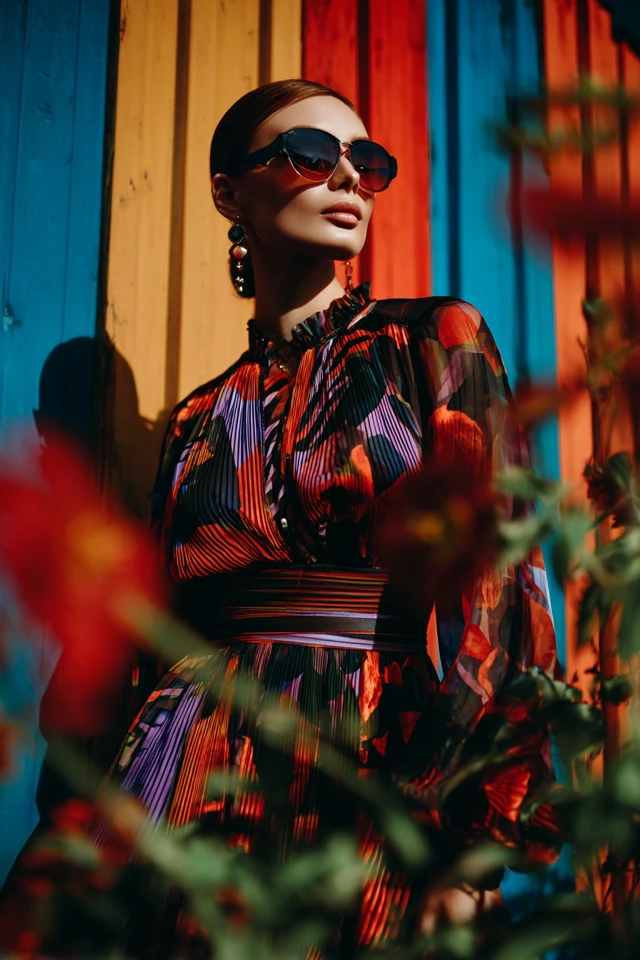
| Evening | Satin or velvet dress in a jewel tone, tights, boots |
| Cold days | Corduroy pinafore, turtleneck, wool coat, boots |
For dressier moments, a sequin blazer over a prairie dress keeps the romance and adds shine.
Modern and men's cottagecore variations
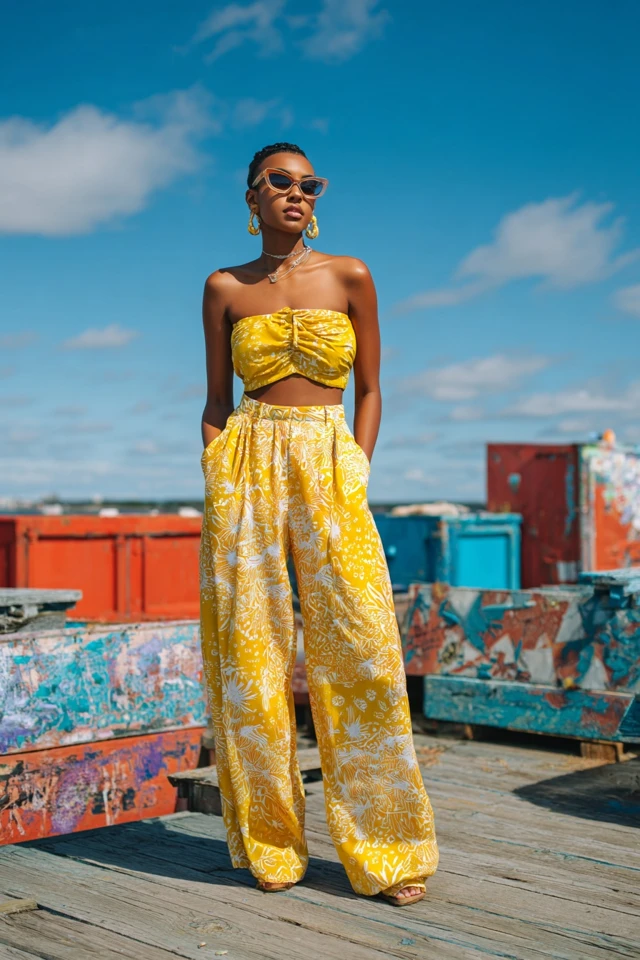
Modern cottagecore outfits trade costume for everyday clothes: a prairie skirt with a boxy tee, a lace-trim top with straight jeans, or one embroidered piece in an otherwise plain outfit.
For men's cottagecore, the same ideas apply without the dresses. Try a linen or cotton shirt with rolled sleeves, a chunky knit, corduroy or wide-leg trousers, suspenders, a waistcoat and sturdy boots. Earthy colors and visible texture do most of the work.
If you like a mix of styles, cottagecore with gorpcore and monochrome cottagecore show two quite different directions.
Where to find the pieces on a budget
Vintage and thrift shops, clothing swaps and resale sites are good sources, since handwork and natural fabrics are common there. Embroidery, crochet and lace have a long history as affordable alternatives to expensive trims: in the early 1900s, Irish crochet was a good alternative for those who couldn't afford lace.
Start with two or three statement pieces and mix them with what you own. A checked skirt, an embroidered top and a bright pair of flats are enough for a small capsule.
Frequently asked questions
Is cottagecore fashion still popular?
It remains a recognizable style, though it now shows up more as single pieces (puff sleeves, gingham, knit cardigans) mixed into everyday outfits than as a full costume.
Why do lesbians like cottagecore?
There is no single reason. The style is gentle and gender-flexible, and it is often tied to online communities that welcome many identities.
What is replacing cottagecore?
Nothing has fully replaced it. Related aesthetics such as gorpcore and monochrome looks are often blended with cottagecore rather than taking its place.
How do I start with bold cottagecore if I am not confident in color?
Begin with one small piece, such as a bright scarf, hair ribbon or pair of shoes, and keep the rest neutral. Add a larger piece once that feels comfortable.
Filed under Outfit Ideas