Turtleneck Outfit Ideas: Cottagecore Basics That Work
- Words by
- Julio Arco
- Published
- Reading
- 4 min
A cream or oat turtleneck goes with almost everything in a cottagecore wardrobe: a pleated midi skirt, a pinafore, wide-leg trousers, a long wool coat. Pick a fine knit in a soft, earthy color, make sure it fits at the shoulder, and add one piece with texture or print.
Below are the combinations that work most reliably, with notes on fit, color and fabric.
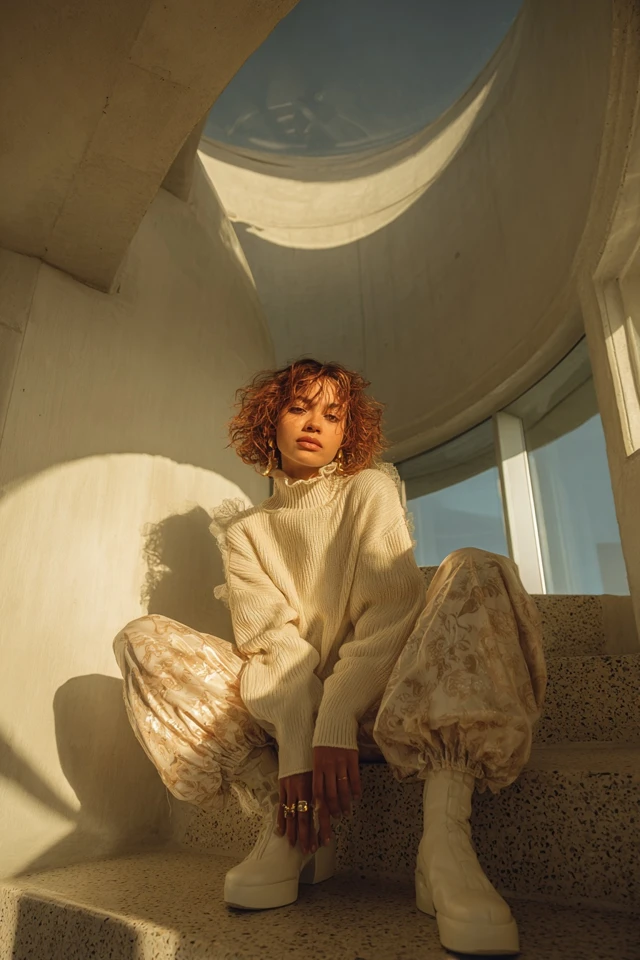
What looks good with a turtleneck?
Anything that gives the neckline room to be the focus. A turtleneck already covers the collarbone and neck, so the bottom half and the outer layer can carry the pattern or shape. Think florals, plaid, corduroy, pleats or a soft A-line.
Keep the necklace simple. A thin chain worn over the knit or small earrings is enough, because a high neck competes with anything busy near the face.
What pants to wear with a turtleneck
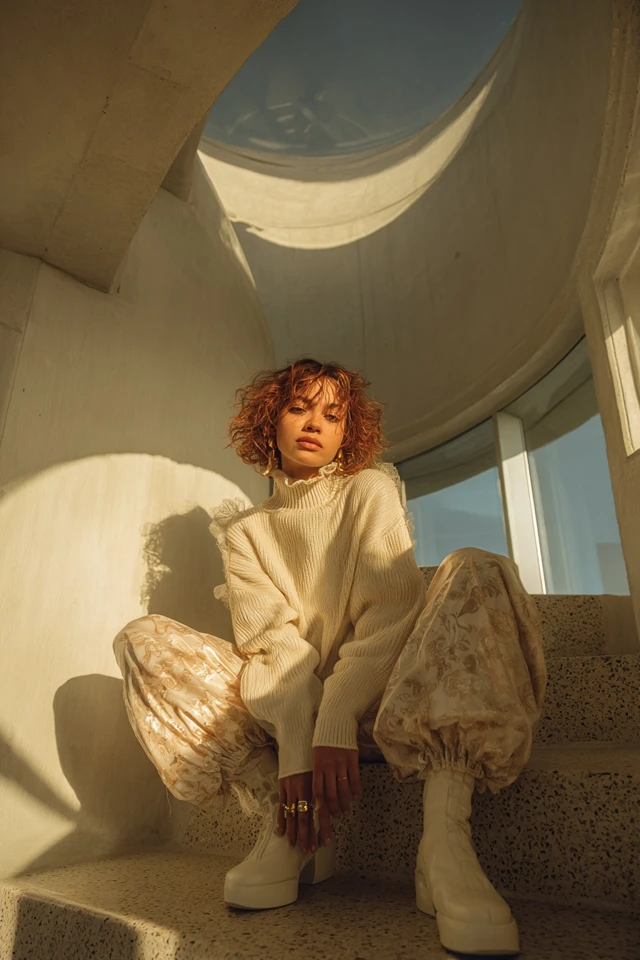
Match the volume of the knit to the volume of the pants. A slim, fine-gauge turtleneck looks good with wide-leg or straight trousers. A chunky or oversized knit usually looks better with a straighter, slimmer leg so the outline does not get shapeless.
- High-waisted straight jeans in a mid or dark wash, with the turtleneck lightly tucked in at the front.
- Wool or linen-blend trousers in brown, olive or charcoal for a dressier look.
- Corduroy in rust or camel for a cottagecore feel with some texture.
What dress looks good with a turtleneck?
A pinafore or jumper dress is the classic answer. Wear a slim cream turtleneck underneath and the dress reads as a layered outfit instead of a summer dress pushed into autumn. Slip dresses and sleeveless smock dresses work the same way.
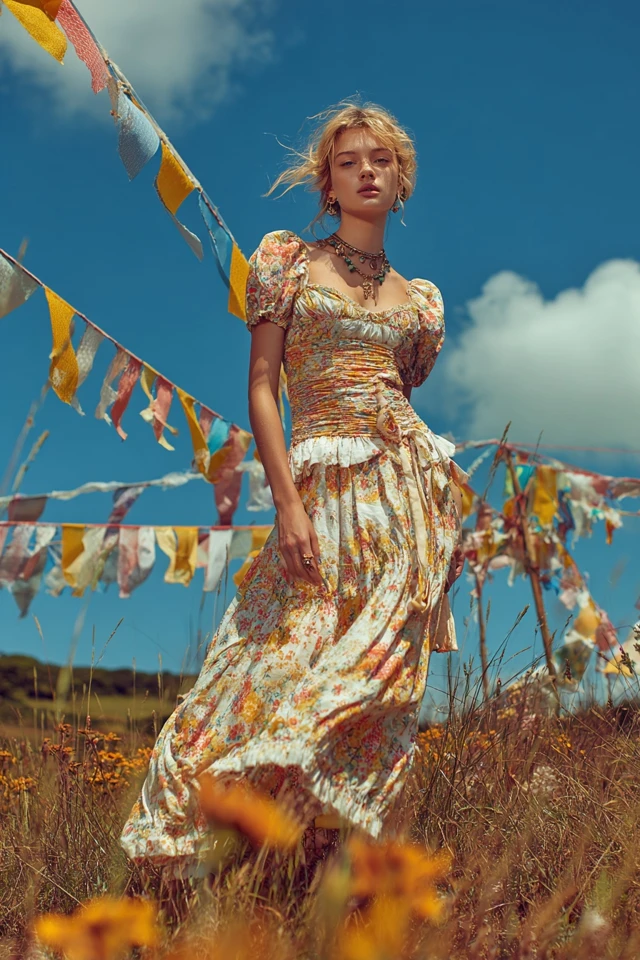
A floral midi dress also works if the turtleneck picks up one of its quieter colors. If you want a knit dress instead, see turtleneck dresses for sophisticated winter outfits.
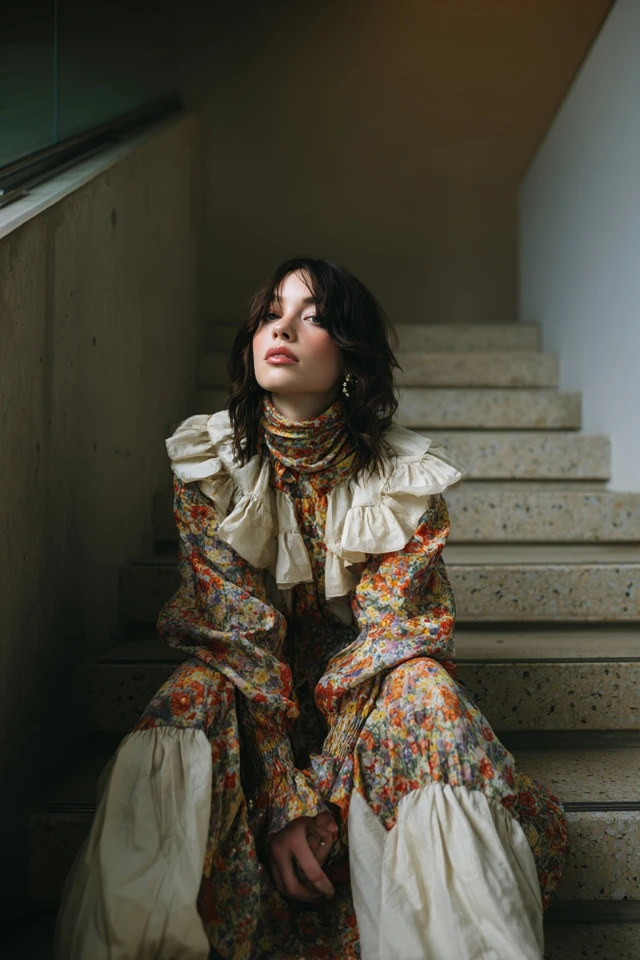
Which colors work best?
Through the lens of evidence-based design, I'd start with how a color reads next to your face and next to the other pieces. A turtleneck sits right under the chin, so it frames your skin tone more than any other top.
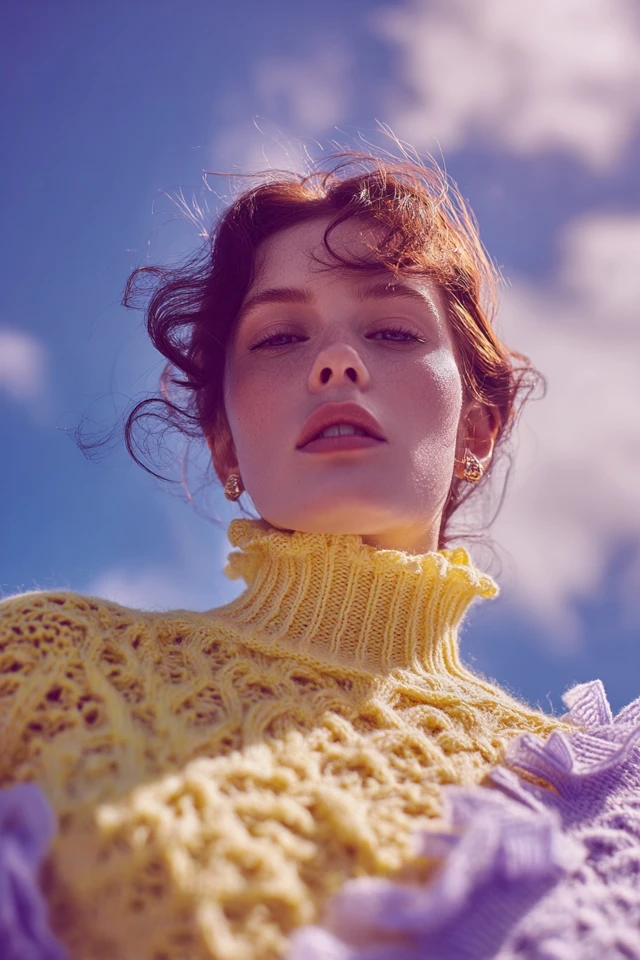
- Cream, oat and stone are the easiest. They sit softly against most skin tones and let a patterned skirt lead.
- Moss green, rust and mustard suit warm undertones and look natural with brown leather boots.
- Dusty pink, lavender and soft blue tend to look good on cooler undertones and pair well with gray or navy bottoms.
Black is the exception to the soft palette. A black turtleneck with a floral or plaid skirt gives a sharper contrast, and it is a good base for the other outfits here.
Ways to wear a turtleneck under other layers
Layering is where a turtleneck earns its place. It adds warmth at the neck without bulk on the arms, so it slides under almost anything.
- Under a cardigan: choose a cardigan in a different texture, such as a chunky cable over a smooth fine knit.
- Under a blazer: a slim turtleneck replaces a shirt and tie-free collar, and works well with trousers.
- Under a pinafore, vest or knit tank: the turtleneck sleeves become the contrast.
Turtleneck outfit with coat
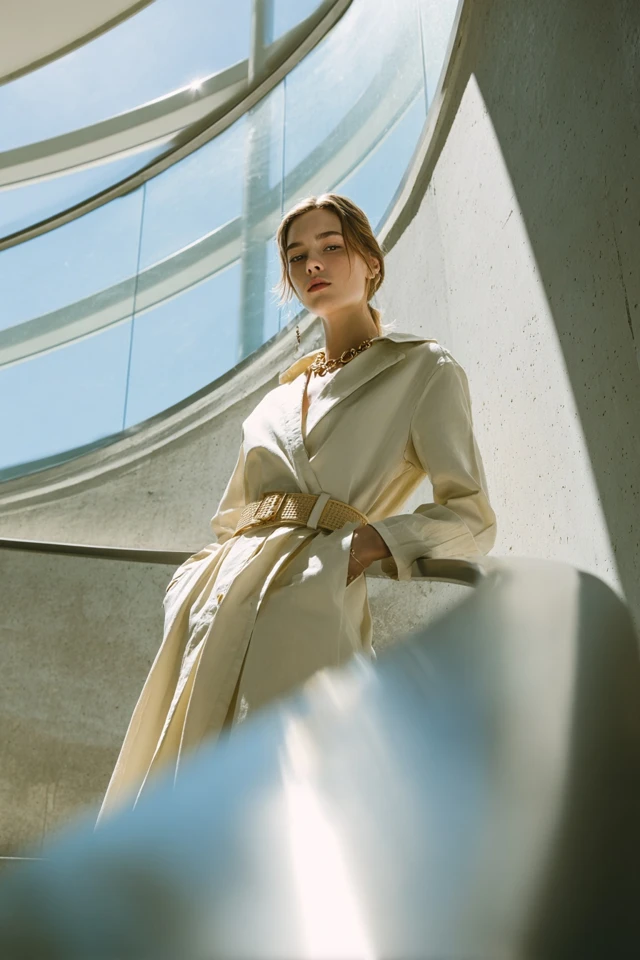
Keep the turtleneck fitted when the coat is long and structured. A camel wool coat or a belted trench over a cream turtleneck and a midi skirt is a reliable cold-weather combination. The neckline should sit under the coat collar, not bunch against it, so a fine knit is better than a chunky one here.

How should a turtleneck fit?
A jacket that pulls across the shoulders is a fit problem, and the same goes for knitwear. Check these points:
- The shoulder seam sits where your shoulder ends.
- The neck is snug but not tight. You should be able to turn your head without the fabric pulling.
- The sleeve ends at the wrist bone, or pushes up slightly if you like it relaxed.
Body shape then decides how loose to go. A fitted turtleneck shows the waist, so pair it with a high-waisted skirt. A looser knit can balance wide-leg trousers if you tuck just the front hem.
Which fabrics are best?
Fine merino or lambswool, cotton-blend knits and cashmere feel soft at the neck, which matters because that is where the fabric touches skin all day. Stiff or very shiny knits fight the soft cottagecore look.
If you wear a turtleneck for a cold walk or workout, the base layer matters more than the style. Texas A&M's Howdy Health says the layer closest to your skin should be moisture-wicking, and that you should avoid cotton because it absorbs moisture and can keep it next to your skin. For active use, choose a wicking turtleneck rather than a cotton one.
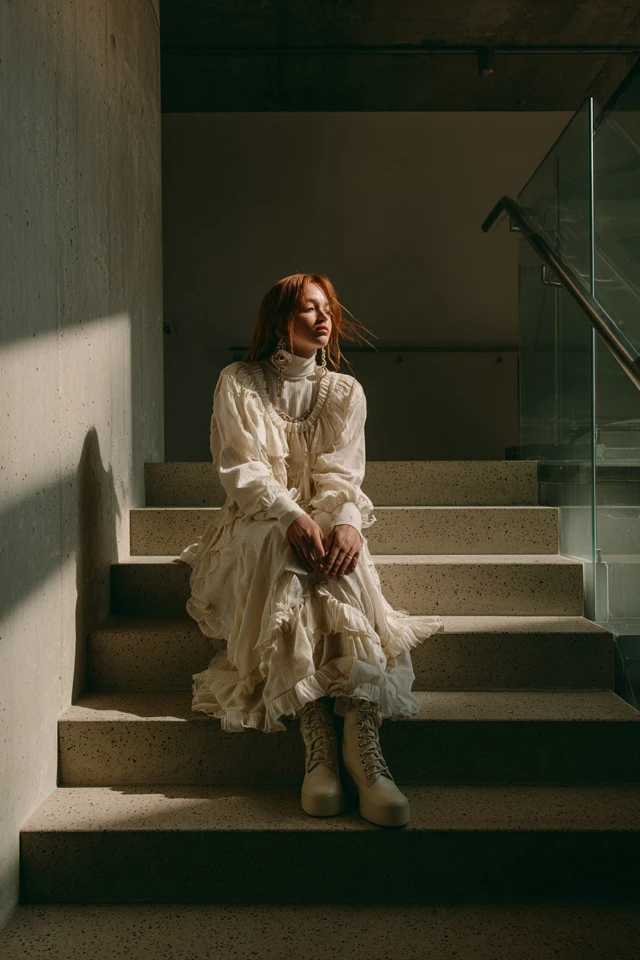
Turtleneck outfit ideas by season
In autumn and winter, layer a thick knit under wool skirts, pinafores and long coats. In spring, switch to a thin cotton-blend turtleneck with linen trousers or a tiered skirt. For more earthy outfit pairings, see cottagecore turtleneck wardrobe basics and monochrome cottagecore outfit ideas.
For a more retro take, vintage turtleneck outfit ideas cover slimmer silhouettes. Care for knits by washing gently, reshaping while damp and storing them folded so the neck does not stretch.
Frequently asked questions
What looks good with a turtleneck?
Pleated skirts, pinafores, straight or wide-leg trousers, denim and long coats all work. Let the bottom half or the outer layer carry the pattern, since the high neckline already draws the eye.
What kind of pants should I wear with a turtleneck?
High-waisted straight jeans, wide-leg trousers and corduroy are reliable. Pair slim knits with wider legs and chunky knits with straighter legs to keep proportions balanced.
What kind of dress would look good with a turtleneck?
A pinafore, jumper or slip dress layered over a fitted turtleneck is the easiest option. A midi dress with a print also works if the knit matches one of its colors.
Are turtlenecks out of style?
A plain turtleneck in a neutral color is a long-running basic and is rarely tied to one season of trends. Choose a fit and color you will reach for repeatedly.
Filed under Outfit Ideas