Seasonal Athleisure Guide: Winter Accessories That Work
- Words by
- Julio Arco
- Published
- Reading
- 4 min
In winter, athleisure looks polished when the accessories do the work: one good hat, gloves that fit, a structured bag and a single color accent over a neutral base. The joggers and sweatshirt stay simple, and the extras make the outfit look chosen.
This seasonal athleisure guide focuses on the winter end of the year: what to wear closest to your skin, which accessories earn their place, and how to pair colors and textures so a comfortable outfit still looks put together.
How do you style athleisure in winter?
Start with the base, add warmth, then finish with accessories. A relaxed piece (joggers, leggings, a fleece) pairs best with one sharper element: a wool coat, a leather bag or a clean sneaker.
Keep the silhouette balanced. If the top is oversized, keep the bottom closer to the leg, and the reverse. Accessories can then be generous or minimal without the outfit looking heavy.
Start with the layer next to your skin
Warmth begins under the outfit. Texas A&M's Howdy Health advises that the layer closest to your skin should be made of moisture-wicking materials that draw sweat away, and it also says to avoid cotton, including undergarments, because it absorbs moisture and can keep it next to your skin, making you cold. That guidance is written for exercise, but it is a sensible rule for any long, active day outdoors.
Over that, add a mid layer such as a fleece or a knit, then an outer layer for wind and wet.
Which winter accessories are worth buying?
Choose the pieces you will wear every week. For most people that is a hat, gloves, a scarf and a bag.
- Hats: a plain wool beanie or a knit balaclava. A structured shape suits rounder or softer silhouettes, while a slouchy knit softens a sharp jacket.
- Gloves: thin liners that fit under thicker mittens give you flexibility, and you can take the outer pair off without exposing your hands completely.
- Scarves: an oversized knit adds volume near the face, which frames it. Longer, narrower scarves lengthen the torso.
- Bags: a leather crossbody or a compact tote makes joggers look intentional.
- Small hardware: a belt with a clean buckle or reflective details on a jacket add a modern edge.
Cashmere and merino feel soft against bare skin and hold warmth without bulk. Cheaper blends are fine for a hat you will lose, so spend where the piece touches your neck and hands.
What colors work for winter athleisure?
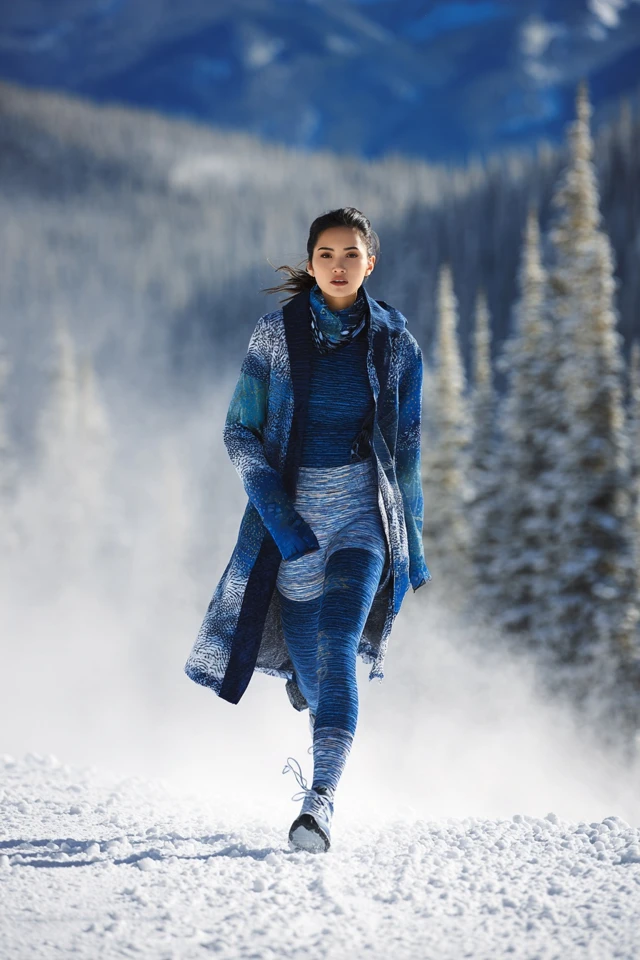
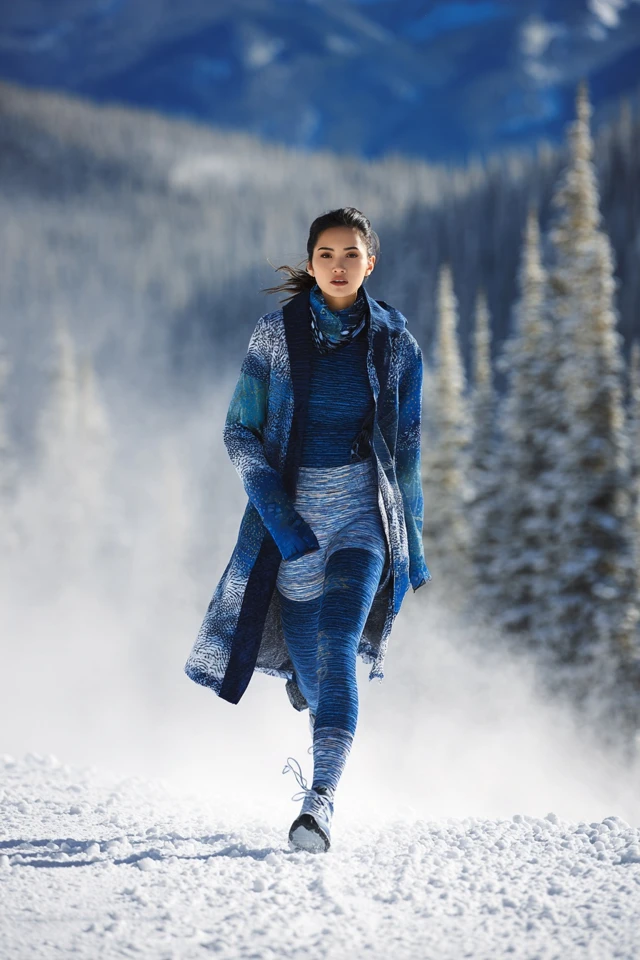
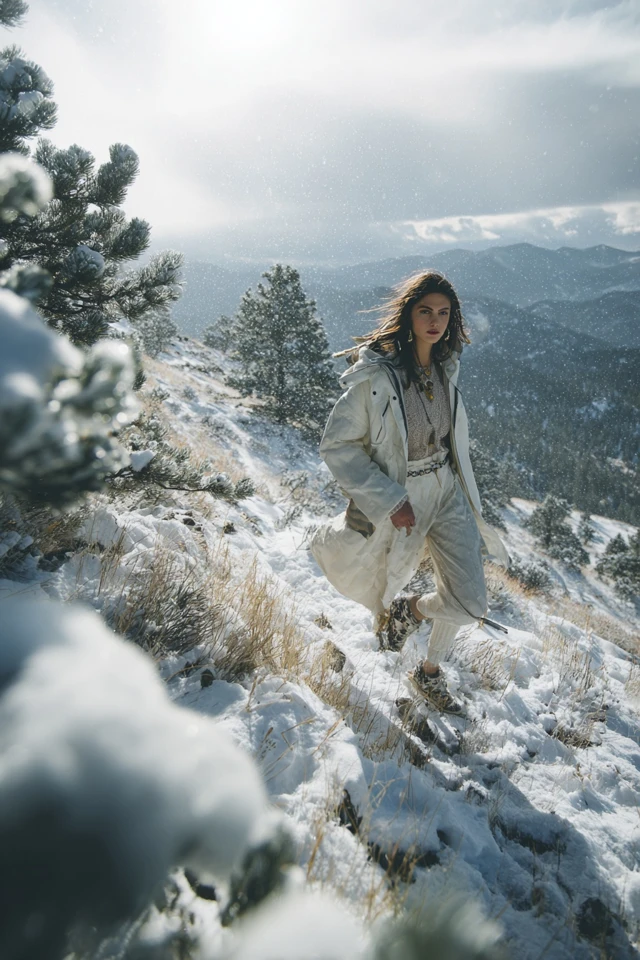
A neutral base with one accent is the easiest formula. Charcoal joggers and a gray sweatshirt look calm, and a ruby or forest green beanie gives the eye a place to land near your face.
Through the lens of evidence-based design, I'd look at texture before hue. A matte knit and a brushed fleece in the same oatmeal do not read as the same color, because the surface changes how light reaches the eye. Mixing a smooth fabric with a tactile one adds depth without adding another color.
Pairings that are hard to get wrong
- Black leggings with a clay or sage scarf
- Navy joggers with a camel hat and gloves
- Gray on gray with one jewel tone, such as sapphire or emerald
- Plum with mustard, if you want contrast
Colors near your face affect how your skin looks. If a shade makes you look tired, move it to the bag or the shoes and keep a softer neutral by your face.
How do you make athleisure look elevated?
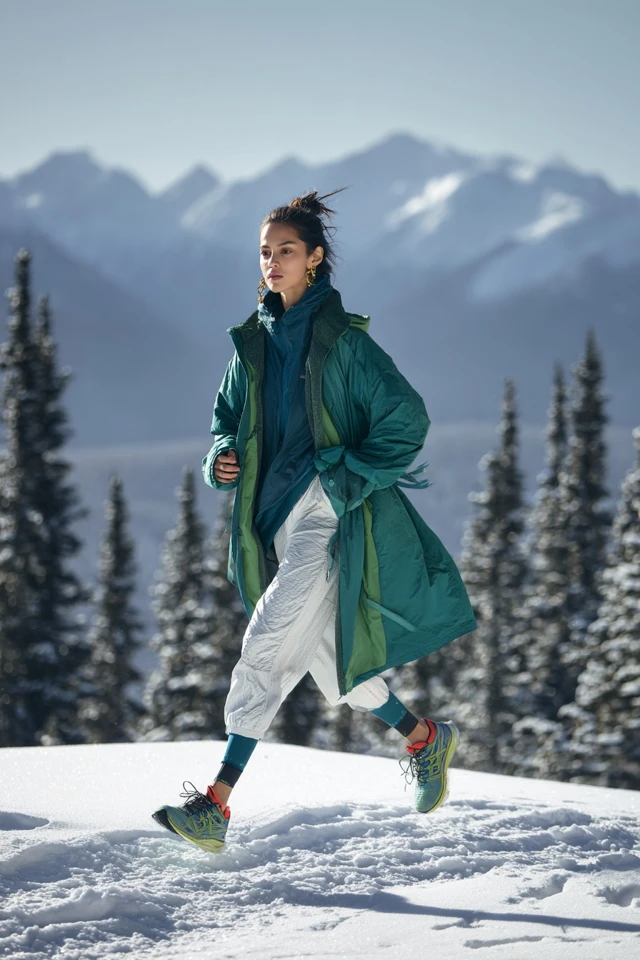
Elevated athleisure outfits depend on fit and finish more than on price. Joggers should skim the ankle, not pool on the shoe. Fleeces and sweatshirts should be free of pilling, and the shoulder seam should sit where your shoulder ends.
Then add one tailored or structured piece: a long wool coat, a leather tote, a clean white sneaker. For a similar approach with a tailored outer layer, see the winter trench coat accessory ideas. If you prefer a knit as your base, winter knit dress accessories follow the same logic.
Building a winter athleisure capsule wardrobe
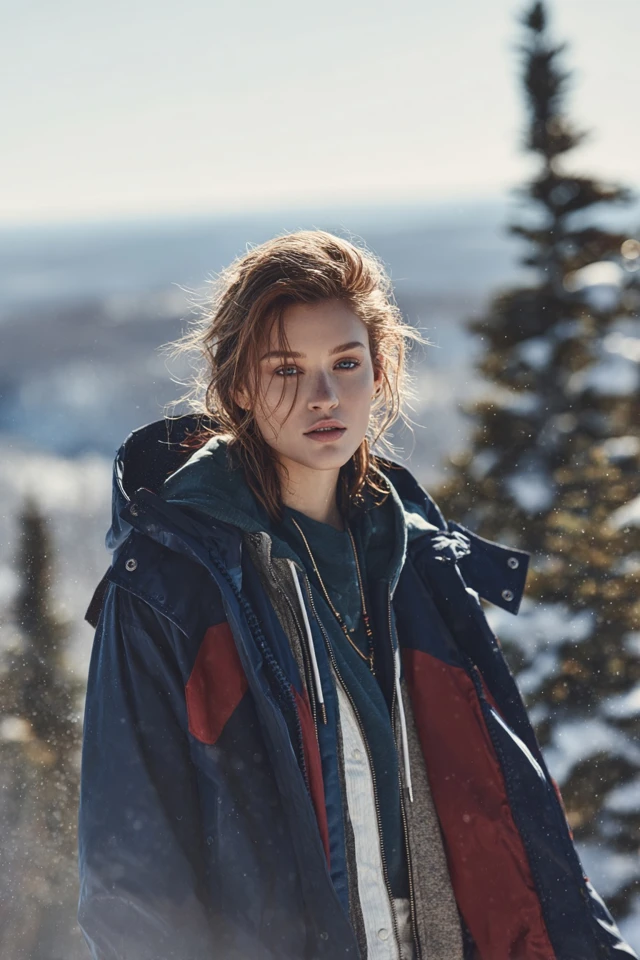
A small set of pieces that mix in any order does more than a full closet of one-off items. For athleisure outfits for women in cold weather, a workable list is:
- Two pairs of leggings or joggers in dark neutrals
- One fleece or quilted pullover and one oversized sweatshirt
- A moisture-wicking long-sleeve base layer
- A puffer or a long coat
- A beanie, a scarf and two pairs of gloves
- A leather crossbody or tote
- White or gray sneakers, plus a waterproof pair
For a longer breakdown, the winter athleisure dressing guide covers outfits piece by piece. A turtleneck is a good bridge piece too: see athleisure turtleneck accessory ideas.
Care and practical tips
- Condition leather bags and gloves, and waterproof boots before snow arrives.
- Pick convertible gloves or scarves with a hidden pocket if you carry a phone on your commute.
- Check the label: wool and cashmere usually need gentler washing than technical fabrics.
Moving into warmer months? The same neutral-plus-accent idea works lighter in summer athleisure, with breathable fabrics in place of wool.
Frequently asked questions
What is the 3-3-3 rule for clothing?
It is a capsule-wardrobe method: pick three tops, three bottoms and three pairs of shoes that all mix with each other. It works well for athleisure because the pieces are neutral and easy to layer.
Is athleisure still in style?
Comfortable sporty clothing is still widely worn, but the look has shifted toward cleaner lines and better fit. Pairing it with structured pieces keeps it current.
Can you wear athleisure to work in winter?
Often yes, depending on the dress code. Choose dark, smooth fabrics, a tailored coat and a leather bag, and skip logos and visible wear.
Filed under Outfit Ideas