Seasonal Athleisure Guide: Winter Outfits That Look Polished
- Words by
- Julio Arco
- Published
- Reading
- 4 min
Winter athleisure works when you treat it as a layering system: a moisture-wicking base, a soft insulating middle, and a structured outer layer in a calm, coordinated palette. Fit and fabric do the polishing. Color and texture finish it.
This page covers the winter side of a seasonal athleisure guide: what to put next to your skin, how to build elevated athleisure outfits, and how to bring them to work without looking like you just left the gym.
What is elevated athleisure?
It is athletic-inspired clothing styled with the care of everyday wear. The pieces are often the same (joggers, leggings, hoodies, sneakers), but they fit cleanly, sit in a restrained palette, and are paired with one sharper item such as a wool coat or a crisp collar.
If a favorite hoodie looks sloppy, the problem is usually fit, not taste. Check that the shoulder seam sits where your shoulder ends and that the hem lands at the hip, not halfway down the thigh.
Start with the right base layer
The layer closest to your skin matters most in the cold. Howdy Health at Texas A&M advises that it should be made of moisture-wicking materials that draw sweat away from your skin.
The same page says to avoid cotton, including undergarments, because it absorbs moisture and can keep it next to your skin, which makes you cold. For a walk or a workout, that points to a synthetic or merino-style base rather than a cotton tee.
How do you layer winter athleisure?
- Base: a fitted, wicking long-sleeve top or thermal leggings.
- Middle: fleece, a soft knit, or a quarter-zip for warmth without bulk.
- Outer: a puffer, quilted jacket or water-resistant shell, sized so the middle layer fits underneath without pulling across the shoulders.
Leave a little room at the elbows and across the back so you can move. Stiff materials fight the whole point of athleisure.
How to style athleisure so it looks polished
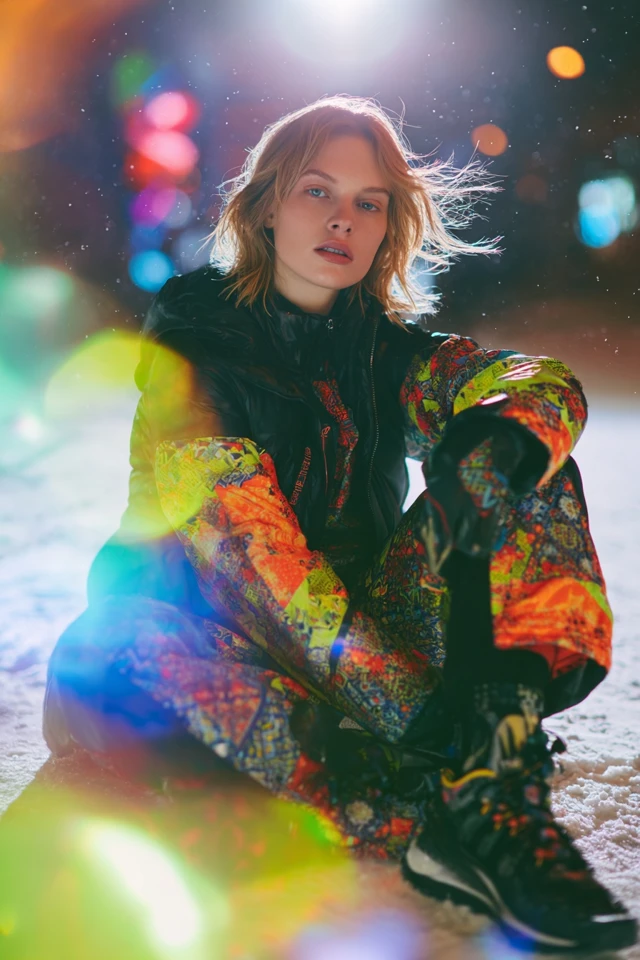
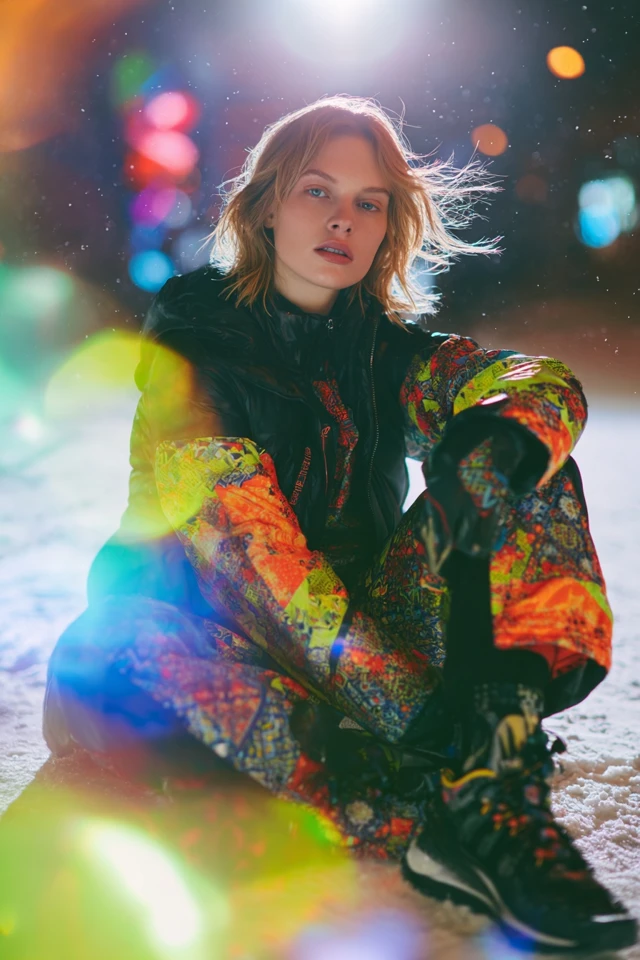
Pick one anchor and keep the rest simple. A long wool coat over leggings and a plain knit reads intentional. A puffer with joggers and clean sneakers does too, as long as the pieces are not all oversized at once.
- Balance volume: a roomy top with a streamlined bottom, or the reverse.
- Choose smooth over fuzzy for the pieces that show most, like leggings and the outer layer.
- Keep sneakers clean and minimal, or swap in sleek boots.
- Add one accessory with structure: a crossbody bag or a scarf in a deeper tone.
Through the lens of evidence-based design, I'd start with texture before color. A matte knit and a glossy nylon in the same charcoal do not read as the same color, because the surface changes how light reaches your eye.
Which colors work for winter athleisure?
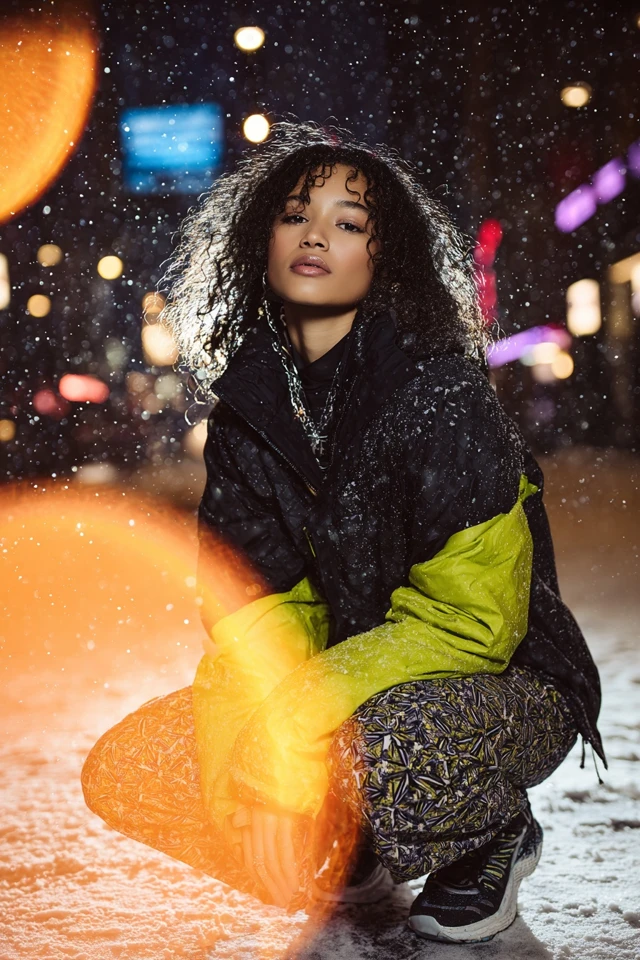
Dark neutrals such as charcoal, navy, black and chocolate brown look tidy and combine easily. Add a single accent, like burgundy, rust or deep teal, near your face with a beanie, scarf or top. Pastels also work in winter if the fabric has some weight.
Next to skin, warm shades like olive, ochre and rust usually look easy on warmer complexions, while cooler ones often suit emerald or sapphire. Treat that as a starting point and check it in a mirror in daylight.
Athleisure outfits for work
Offices vary, so use your dress code as the limit. For relaxed workplaces, these are the usual swaps that keep comfort and add structure:
- Tailored black or navy stretch trousers or ponte pants instead of joggers.
- A fine-gauge turtleneck or knit polo in place of a hoodie.
- A structured jacket or long coat over the top.
- Leather-look or minimal sneakers, or ankle boots.
As an architect trained in evidence-based design, I'd treat the neckline and shoulder line as the first thing the eye reads, so put your most structured piece there.
Building a winter athleisure capsule wardrobe
A small set covers most days. Aim for pieces that mix in any combination:
- Two pairs of leggings or joggers in dark neutrals, one thermal.
- Two wicking base layers.
- A fleece or quarter-zip, plus a soft knit or turtleneck.
- A puffer or quilted jacket and one longer coat.
- Clean sneakers, a scarf, a beanie and gloves.
Wash specialty fabrics like fleece and water-repellent finishes by their care labels, and air dry leggings to protect the stretch.
Fit by body shape
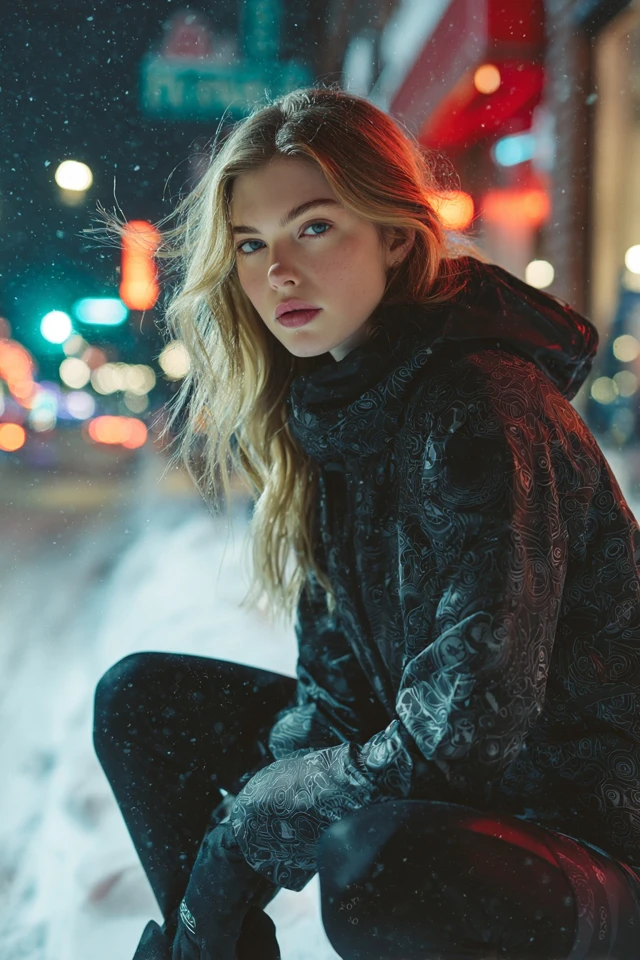
Shape guidance is a tool, not a rule. If you like a balanced line, fitted tops with high-waisted bottoms define the waist. Structured or quilted jackets add shape on a straighter frame. Darker bottoms with brighter tops draw the eye upward, and longer tunic-length knits over streamlined leggings give a smooth vertical line. V-necks lengthen the torso for most people.
A jacket that pulls at the shoulders is a fit problem, not a you problem. Size up in the outer layer and tailor the sleeves if needed.
Keep exploring other seasons and moods
For milder weather, see the spring athleisure dressing guide, and for bolder pieces try the fall statement athleisure guide. If you prefer a softer look, the cottagecore winter athleisure sets are a good place to start, and the neutral winter edit helps with a calmer palette.
Frequently asked questions
Is athleisure still in style?
Yes, but the look has shifted toward cleaner fits, quieter colors and one tailored piece, such as a coat or trousers, mixed with comfortable basics.
What is the 3-3-3 rule for clothing?
It is a simple capsule idea: pick three tops, three bottoms and three layers or shoes, then mix them. In winter athleisure that could be three base layers, three leggings or joggers, and three outer pieces.
Can you wear athleisure to work?
Often, if your dress code is relaxed. Swap joggers for tailored stretch trousers, add a knit or collared top, and finish with a structured jacket.
What fabric is best for winter workouts?
Moisture-wicking synthetic or wool-blend fabrics work best next to the skin, and cotton is better avoided because it holds moisture.
Filed under Outfit Ideas