Beach Cover Up Outfits: What to Wear Over Your Swimsuit
- Words by
- Julio Arco
- Published
- Reading
- 4 min
The easiest answer to what to wear as a beach cover up: a loose, lightweight layer in cotton, linen or crochet that you can throw on in a few seconds. A caftan, a sarong, a kimono or an oversized shirt all do the job. Pick the one that fits how far you are walking after the sand.
Below are the main styles, how to choose by fabric and fit, and the accessories that finish each look.
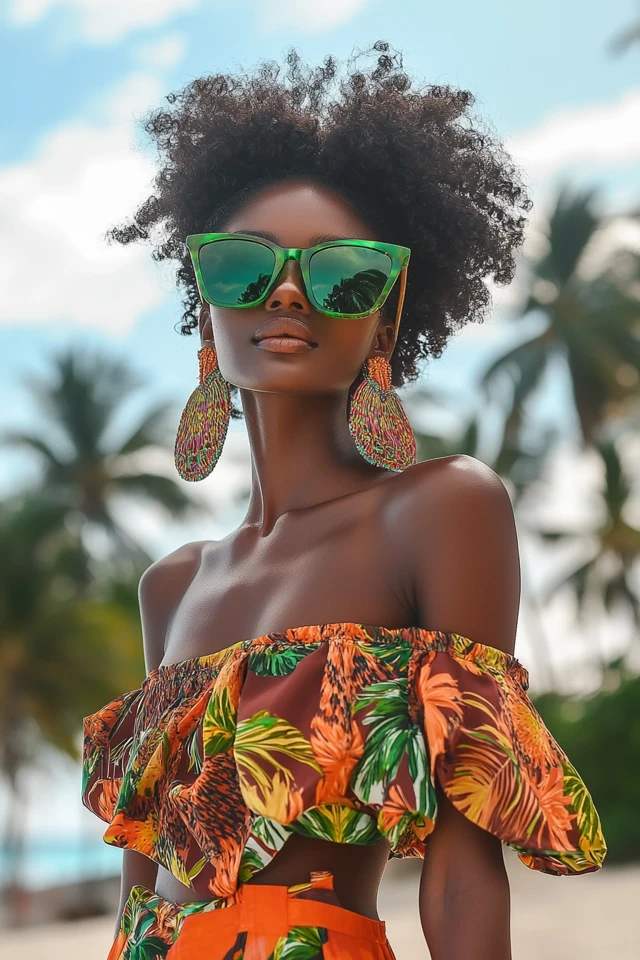
Which cover-up style should you wear?
Caftans and tunics
A caftan is the lowest-effort option. It skims the body, so you do not need to think about fit, and it works over any swimsuit. A V-neck or open neckline keeps it from feeling heavy. If you are shorter, choose a hem that ends above the ankle so the fabric does not swallow your height.
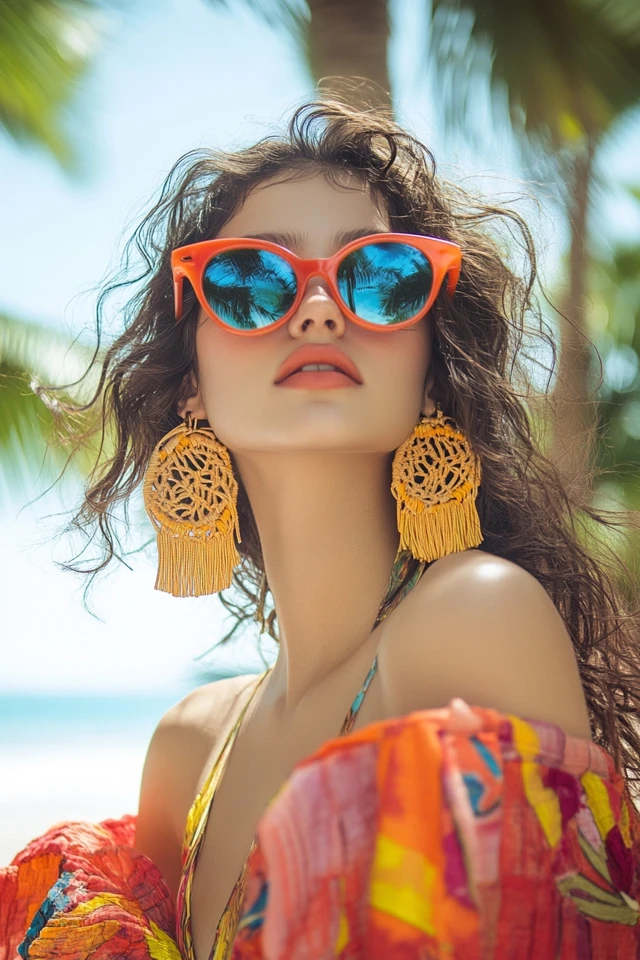
Sarongs and wraps
A sarong is the most flexible piece you can pack. Tie it at the hip for a skirt, under the arms for a dress, or leave it as a shawl. For ideas on tying and printing, see tropical sarongs for easy summer styling.
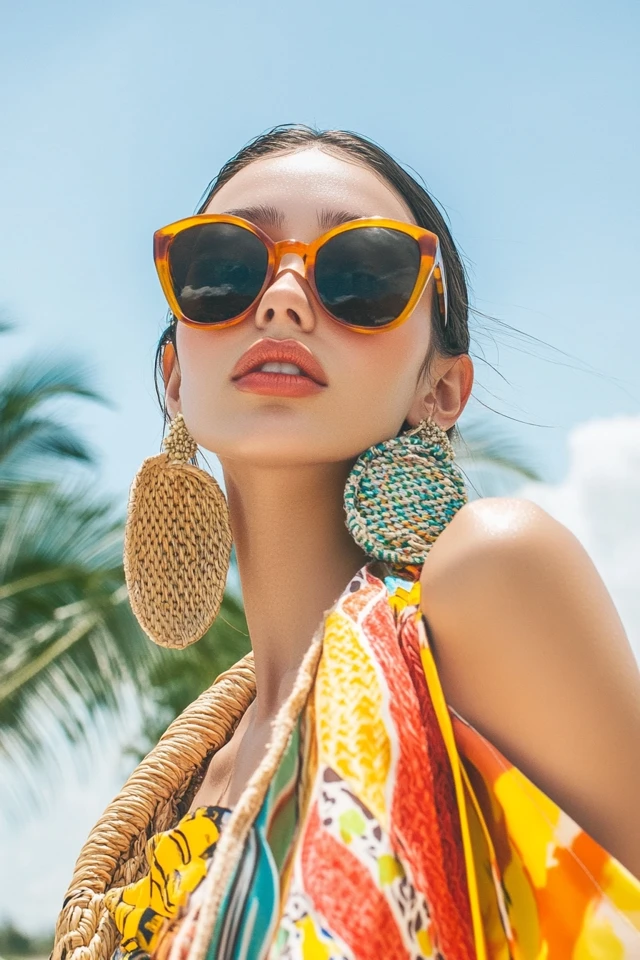
Kimonos and open layers
A long, open kimono adds a vertical line over a swimsuit and gives you shoulder coverage without trapping heat. It is a good choice if you want to feel covered but not wrapped up.
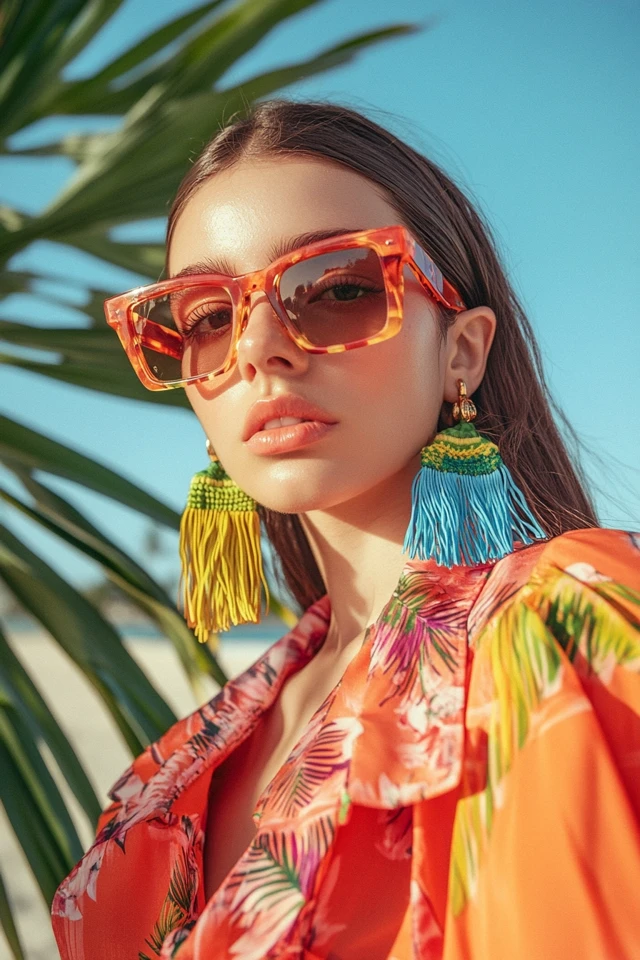
A swimsuit cover up shirt
A big white cotton or linen button-down is the simplest swimsuit cover up shirt. Leave it open, knot it at the waist, or button the middle for a short dress. Sleeves rolled to the elbow keep it relaxed.
Are matching sets worth it?
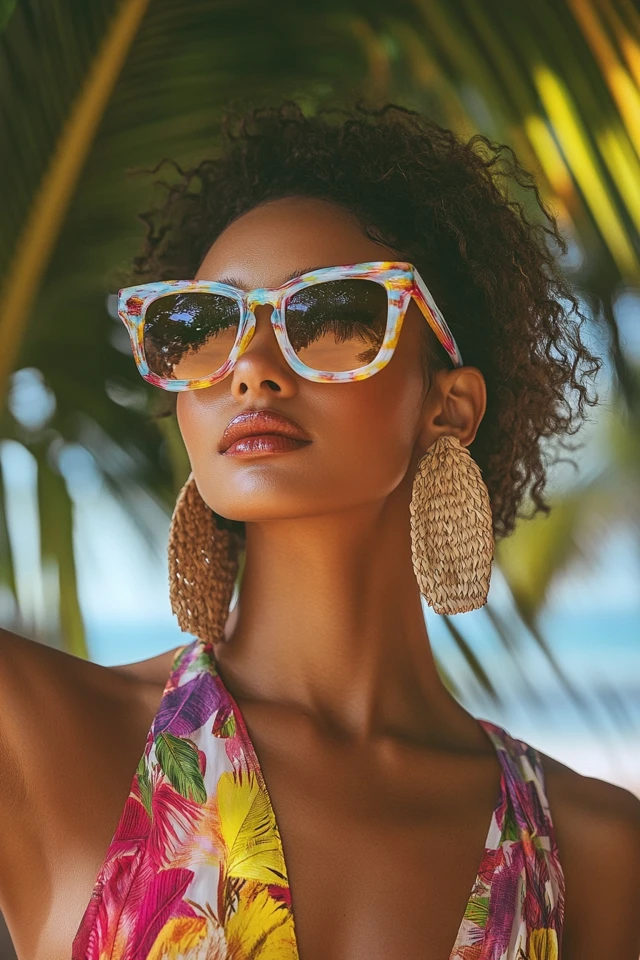
A beach cover up set (usually a loose shirt or top with shorts or wide pants) looks put together with no styling effort. It also takes you from the sand to lunch without a change. Sets in a solid color are easiest to repeat; a printed set is best when the swimsuit underneath is plain. For pants-based options, look at tropical jumpsuits for summer beach days.
What fabrics work best?
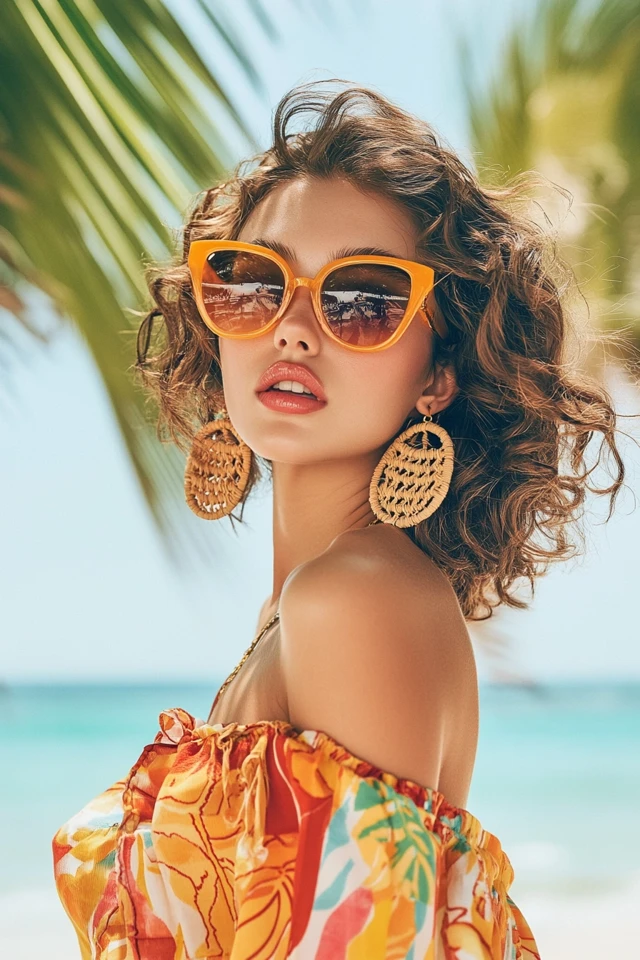
Crochet, gauze, linen, cotton voile and chiffon all breathe and dry fast. Through the lens of evidence-based design, I'd think about texture before color: an open crochet weave and a flat cotton in the same white do not read as the same white, because the surface changes how light reaches the eye. Crochet looks airy and detailed; cotton looks clean and quiet.
Lightweight cover ups for dresses (sheer slip dresses, gauzy sundresses) are a good middle ground if you want something that looks like a normal outfit once you leave the beach.
Sun protection matters too
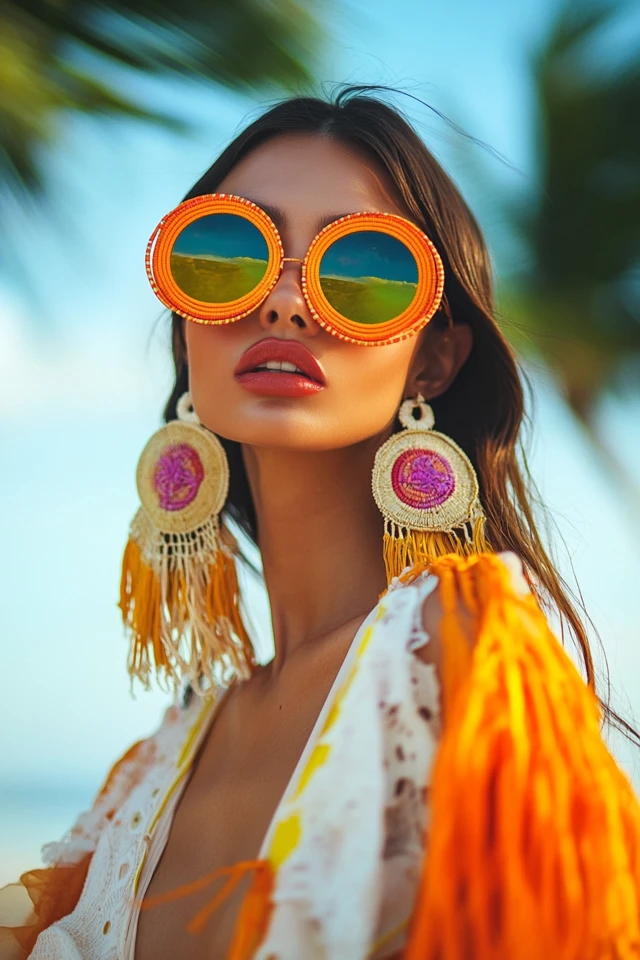
A cover-up is also a layer of sun protection, and fabric makes a difference. The Skin Cancer Foundation says a UPF of 30 to 49 offers very good protection, while UPF 50+ offers excellent protection. Very open crochet and sheer chiffon let more through, so if you will be out for hours, check the label or add a hat. Dr. Anna L. Chien of Johns Hopkins, in the same piece, notes that "A hat with a 3-inch brim protects the top of your scalp, ears and face." For skin concerns, check with a dermatologist.
How do you choose color and print?
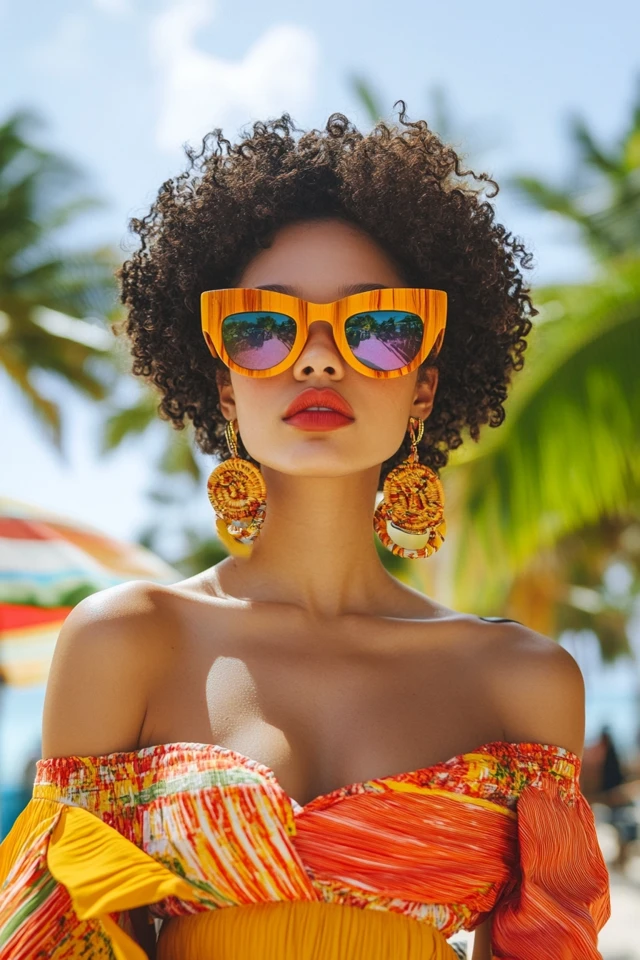
White, sand and soft blue are easy and look good against tanned and untanned skin alike. Bright coral, turquoise or palm green suit a plain swimsuit and give you a focal point. The simple rule: one patterned piece per outfit. If the cover-up has a print, keep the swimsuit and bag solid. More on prints in tropical prints for summer vacation wardrobes and tropical leaf prints.
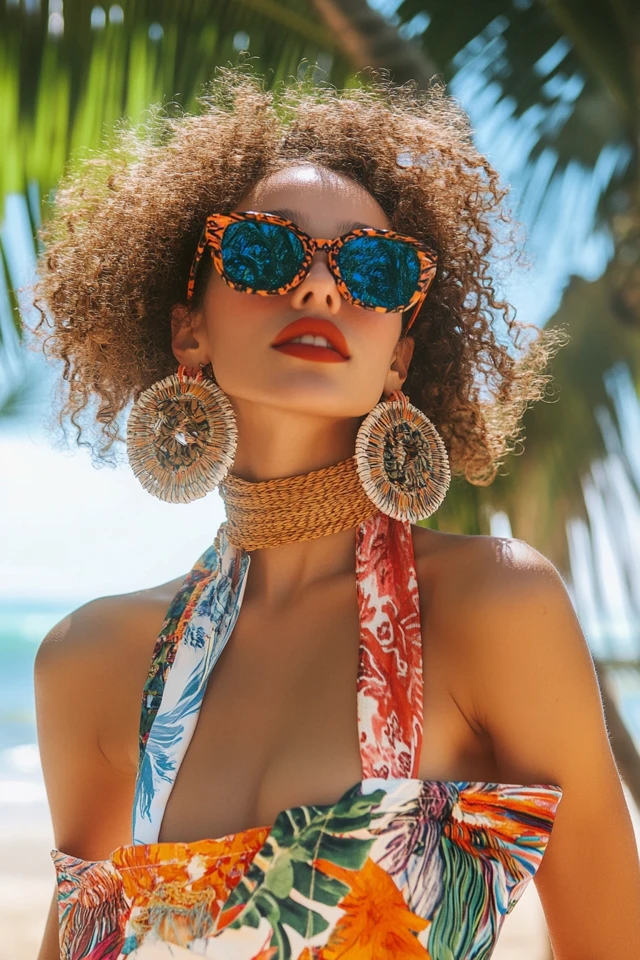
Beach cover ups for over 50 and every body
Good fit is the same at any age: a cover-up should skim, not cling. Beach cover ups for over 50 tend to work best with a bit of sleeve (elbow or three-quarter), a V or open neckline and fabric that falls rather than stands away from the body. A longer shirt-dress or kimono gives coverage and still looks relaxed.
If you want a shape that feels flattering, define the waist lightly with a tie or belt, or choose a vertical line such as an open kimono. A fabric with a little drape does more than any trick of cut. A cover-up that pulls across the shoulders is a sizing problem, not a you problem, so go up a size.
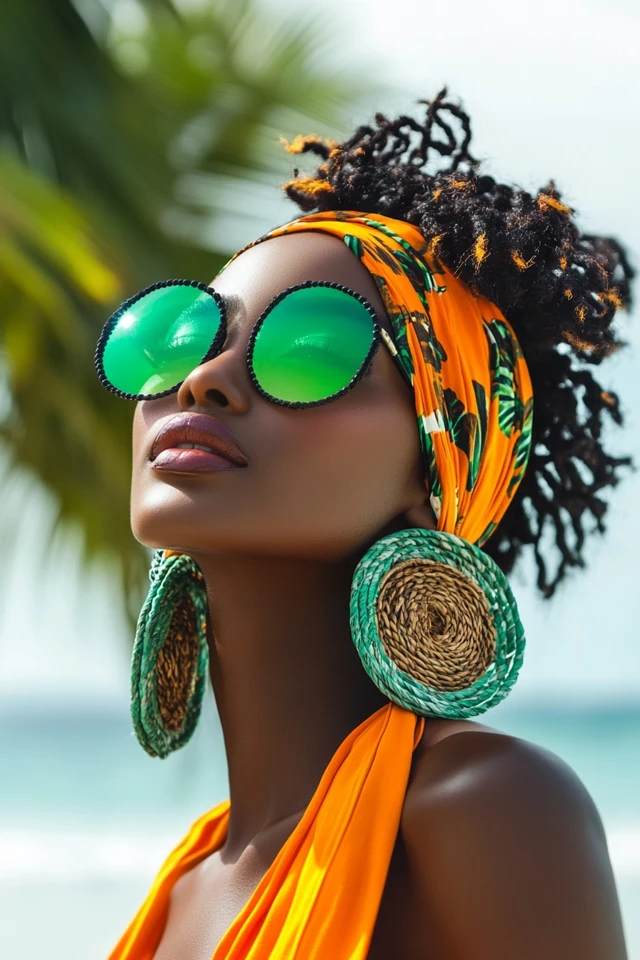
Which accessories finish a beach look?
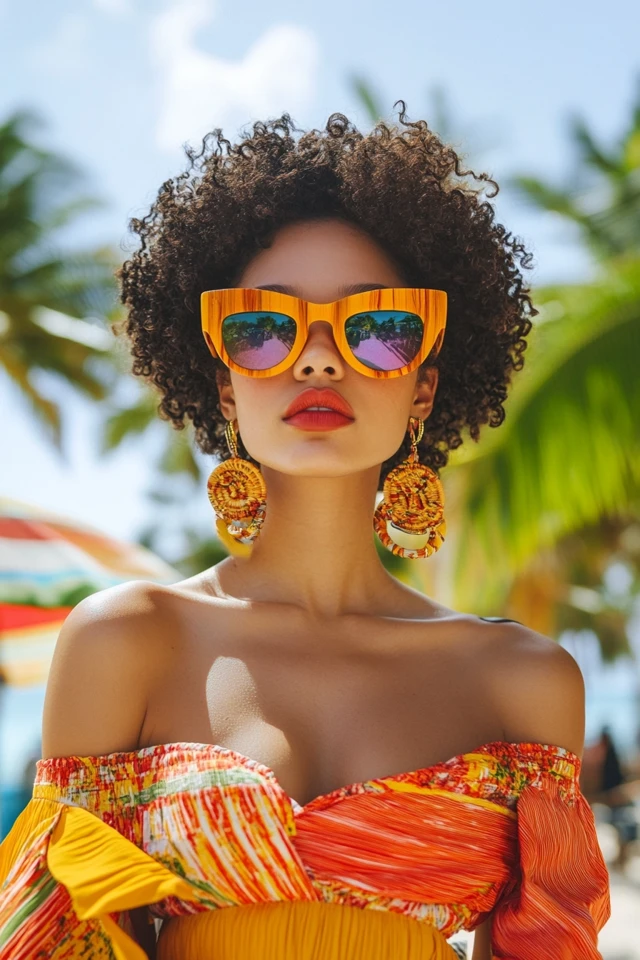
Keep it to a few pieces. A wide-brim straw hat, sunglasses and a woven tote cover most days. Add one colorful item, such as shell earrings or a printed scarf tied on the bag handle. Shoes can be flat sandals or slides in natural tones. For more ideas, see the best accessories for beach-inspired fashion.
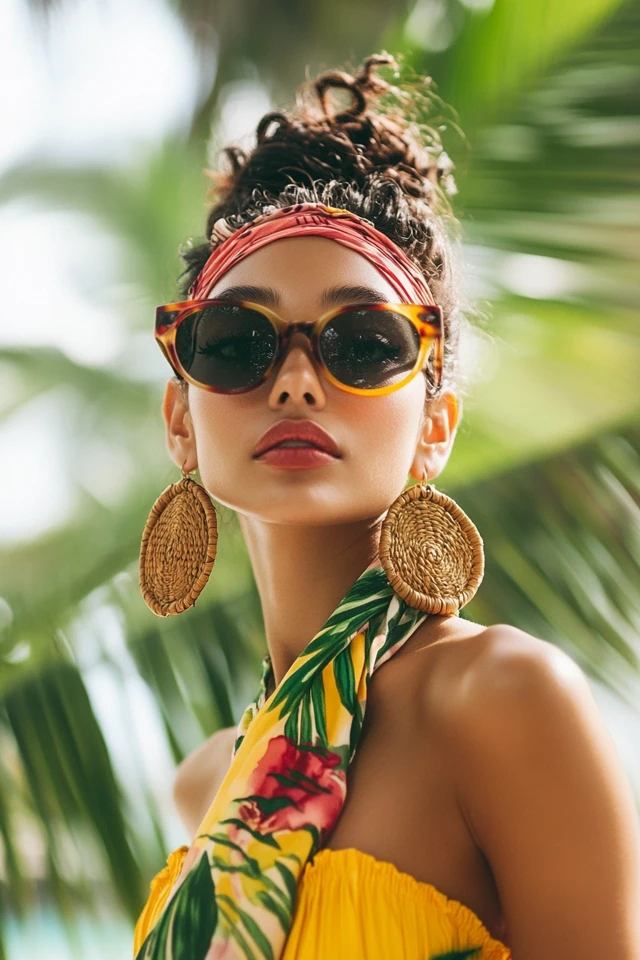
Can a cover-up go from beach to town?
Yes, with a few swaps. Put a shirt-dress or linen set over a dry swimsuit or a simple bodysuit, add sandals with a strap and swap the beach tote for a small bag. A flowy piece in a solid color is the most adaptable; you will find more dressy options in flowy beach cover-ups for tropical honeymoons.
Frequently asked questions
What to wear to the beach as a cover up?
A caftan, sarong, kimono or oversized cotton shirt works over most swimsuits. Choose light, breathable fabric that dries quickly.
What are the best swim cover-ups?
The most versatile are a large sarong, a linen shirt-dress and a matching shirt-and-shorts set. Each can be worn several ways and packs flat.
How do you not look bulky at the beach?
Choose fabric that drapes instead of stiff or clingy cloth, and keep a vertical line with an open kimono or a V neckline. A light tie at the waist adds shape without squeezing.
Can I wear a cover-up to lunch?
Yes, if it is clean, dry and not sheer. A shirt-dress or linen set with sandals and a small bag reads as a normal summer outfit.
Filed under Seasonal Trends