Traditional Festive Outfits: A Hanbok Guide for Seollal
This guide covers what a hanbok includes, how color, fabric and pattern work, and three outfit ideas. If you are comparing traditional clothes for festivals more broadly, the same logic applies: start with the silhouette, then color, then trim.
- Words by
- Julio Arco
- Published
- Reading
- 5 min
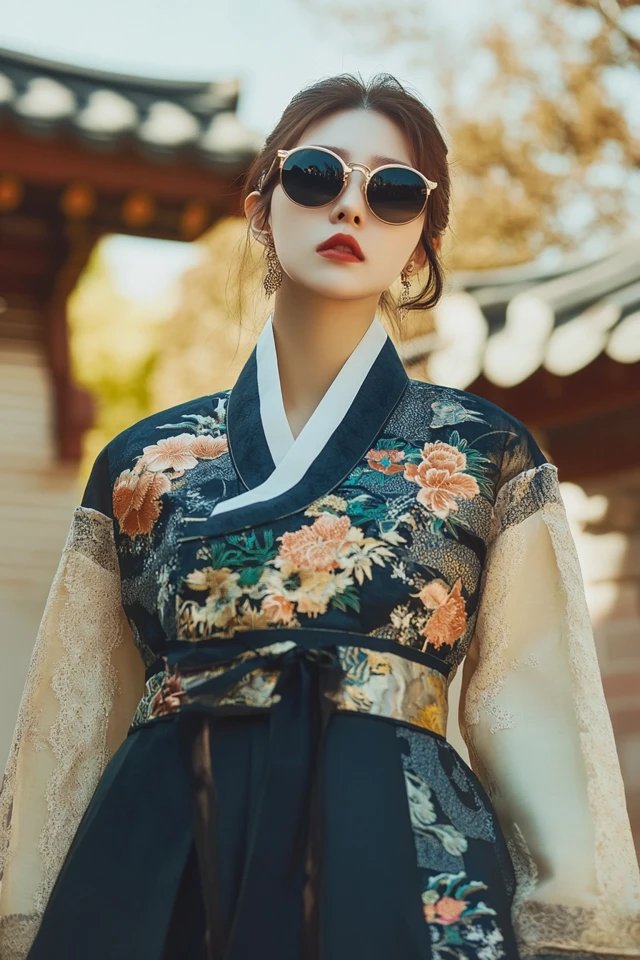
For Korean New Year (Seollal), the traditional festive outfit is the hanbok: a cropped jacket (jeogori) worn with a high-waisted skirt (chima) for women, or with roomy trousers (baji) for men. Choose a bright or soft color you love, a fabric that suits the weather, and keep the accessories simple.
What is a hanbok made of?
A hanbok is built from a few simple pieces. Knowing them makes shopping or borrowing one much easier.
Traditional festive outfits for women
- Jeogori: the short jacket, often finished with embroidery or contrast trim.
- Chima: the full, high-waisted skirt that gives the outfit its flowing line.
- Durumagi: an overcoat for cold days or formal occasions. It is optional.
- Norigae: an ornamental tassel that hangs from the jacket ribbon, plus hair pieces and embroidered socks.
Traditional festive outfits for men
- Jeogori: a looser jacket than the women's version.
- Baji: baggy trousers tied at the waist, comfortable for sitting on the floor at a family table.
- Durumagi: a long overcoat for formal settings.
- Gat or jeongjagwan: traditional hats, worn for more formal looks.
How do you choose hanbok colors?
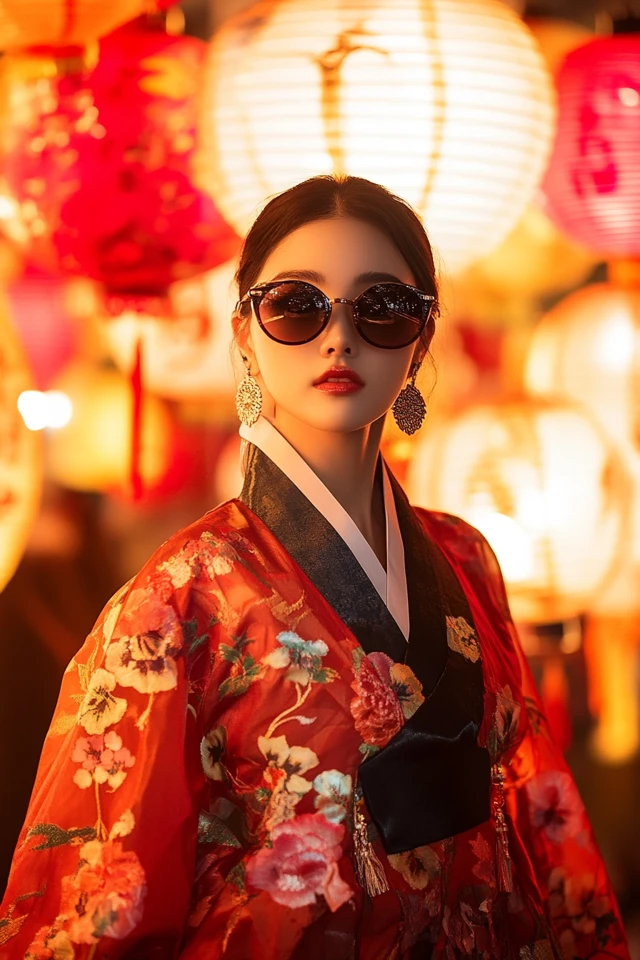
Traditional hanbok color is tied to the five elements in Korean philosophy: blue (wood), red (fire), yellow (earth), white (metal) and black (water). Color has also marked age, marital status and occasion, though today most people simply pick what flatters them.
- Bright red and pink read as festive and youthful, and are popular with young women.
- Blue and green are calmer and are often worn by married women.
- Yellow and orange feel warm and welcoming.
- White and pastels look soft and work at any age.
- Gold or silver embroidery adds shine without changing the base color.
For a lively look, pair a saturated jacket with a contrasting skirt. For something quieter, stay in one pastel family and let the embroidery do the work.
Through the lens of evidence-based design, I'd think about contrast first. A strongly colored jacket against a pale skirt pulls the eye to your upper body and face, while two close pastels read as one soft shape.
Which fabric works best?
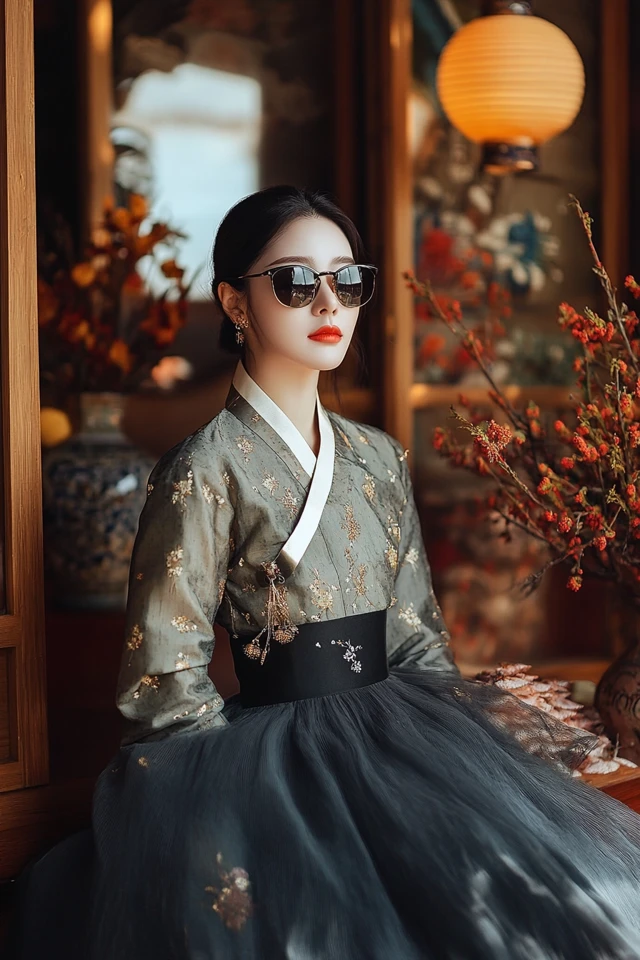
Silk is the classic choice for Seollal. It drapes well and has a gentle sheen that catches light indoors. Hemp and ramie are breathable but are better for warmer months. Cotton and polyester blends are common in modern hanboks because they cost less, wrinkle less and are easier to care for.
Seollal falls in winter, so think about layers. A thicker silk or a durumagi over the top keeps you warm without changing the silhouette. Texture matters too: a fabric with a slight shimmer or weave looks richer in photos than a flat, shiny one.
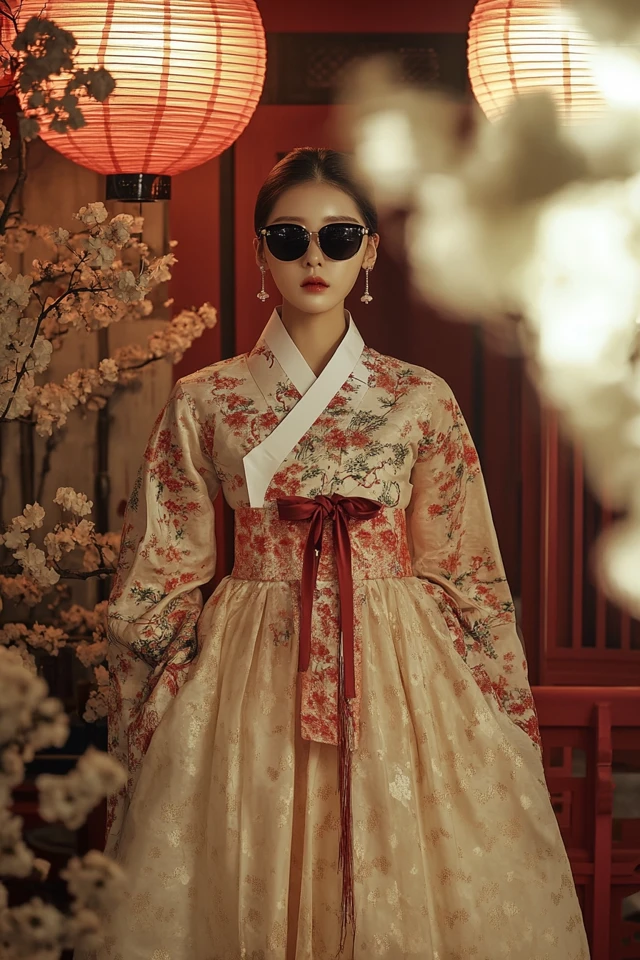
Fabric and trim have always carried status in festive dress. Writing about early twentieth-century Western fashion, Kathryn Hennessy, editor of Fashion: The Ultimate Book of Fashion and Style, described "sumptuous fabrics such as silk satin, damask, and chiffon, usually in light, soft colours, were decorated with lace, rhinestones, and spangles, often highlighting a part of the body or the face". The idea carries over: decoration works best when it frames one area, such as the jacket collar or sleeve.
What do hanbok patterns mean?
Embroidery is usually symbolic. Peonies stand for wealth or prosperity, cranes for longevity, butterflies for happiness, lotus for purity and tigers for protection. If a motif matters to you or your family, choose it deliberately. If not, a minimal pattern keeps the traditional shape with a lighter feel.
Traditional or modern hanbok?
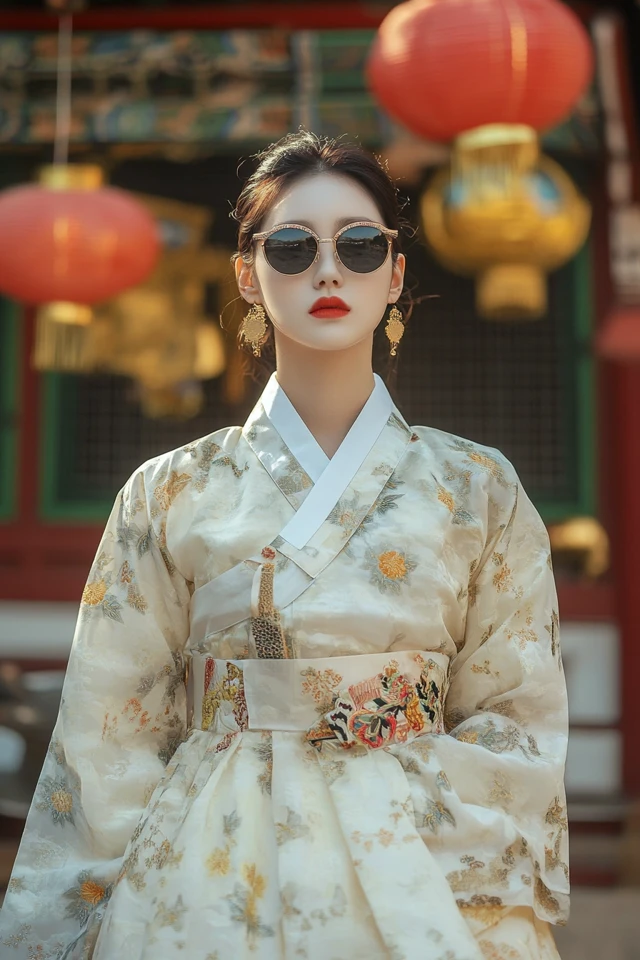
A traditional hanbok has a long, full skirt and ornate embroidery. It suits ancestral rituals, formal ceremonies and photoshoots. A modern hanbok simplifies the shape, with a shorter skirt or a fitted jacket, and often uses pastel palettes. It is easier for family dinners and long afternoons of games.
If you are unsure what to wear for festive attire at a family Seollal, ask the host what the household usually does. Both styles are accepted, and the modern version is a practical choice if you will be sitting on the floor for hours.
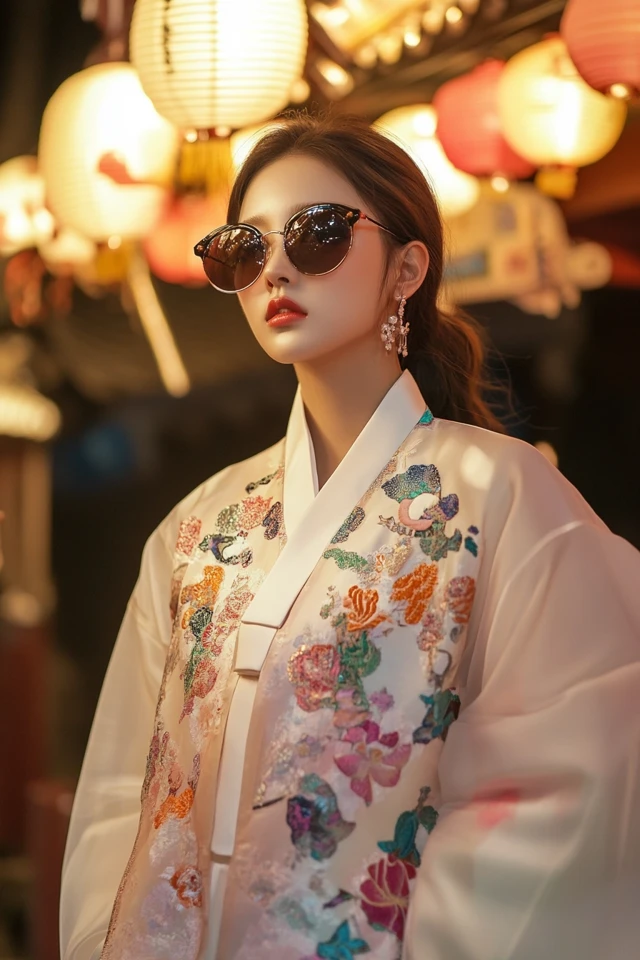
Which accessories finish the look?
- Norigae: choose a tassel in a color that contrasts with the jacket. Butterflies, lotus flowers and coins are common motifs.
- Hair: a binyeo (hairpin) secures a bun, a daenggi (ribbon) ties into braids, and formal looks may add a small crown (jokduri) or flower crown (hwagwan).
- Footwear: white embroidered socks (beoseon) with flat gomusin shoes in rubber or leather.
- Jewelry: keep it small, such as stud earrings or a thin bracelet, so the embroidery stays the focus.
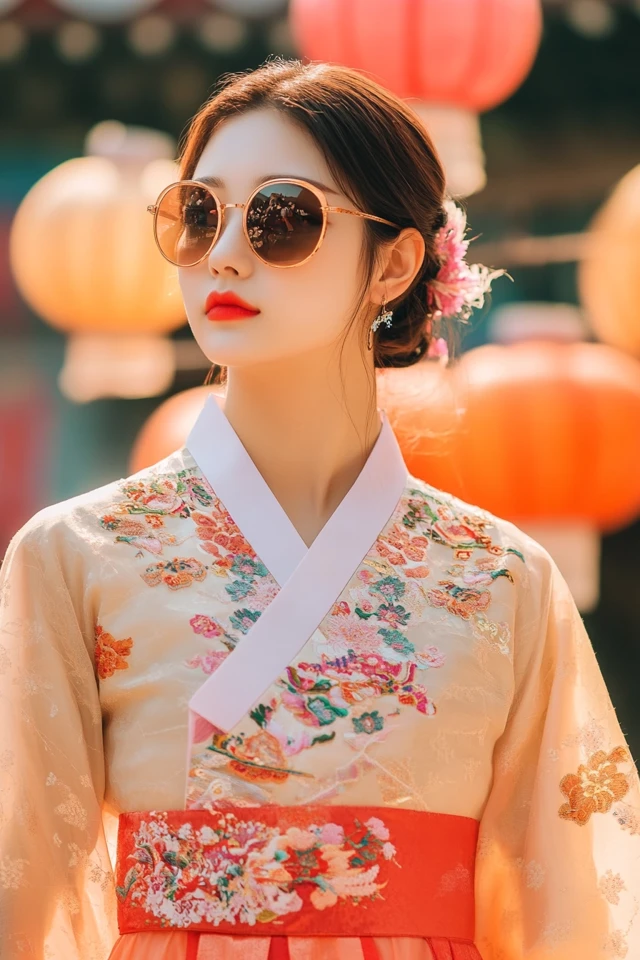
Three festive outfit ideas for Seollal
Festive and vibrant
A red jeogori with a yellow chima, gold embroidery and a green norigae. Add a red daenggi and flats in a matching tone. This suits family gatherings and ritual mornings.
Modern elegance
A pale blue jeogori over a white chima with subtle silver detail, a pearl binyeo and a pastel norigae. It works for casual celebrations and photos.
Timeless tradition
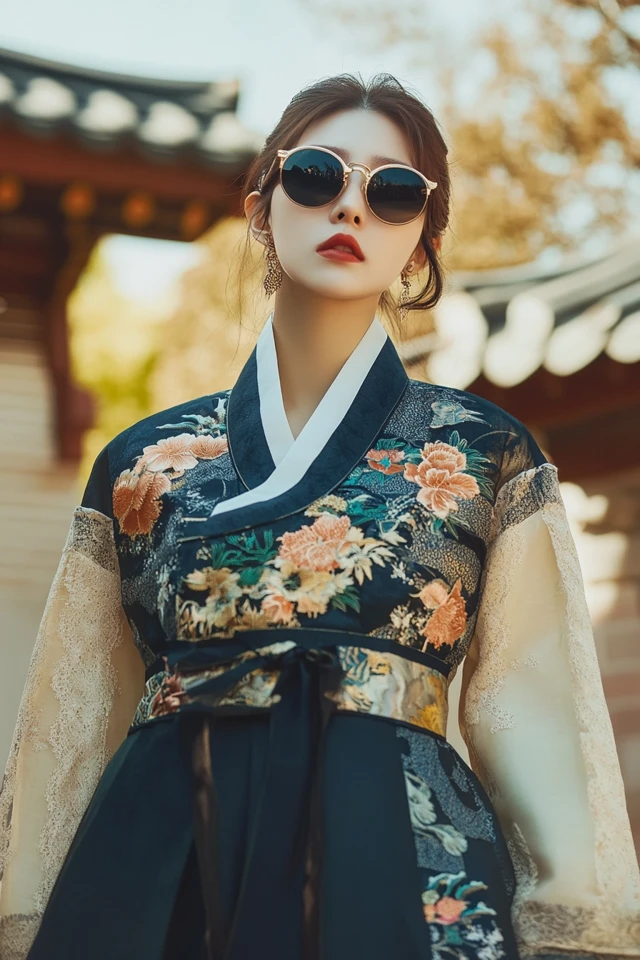
A navy jeogori with a cream chima and crane embroidery, a gold hairpin and matching tassels. This is the pick for ancestral ceremonies and formal events.
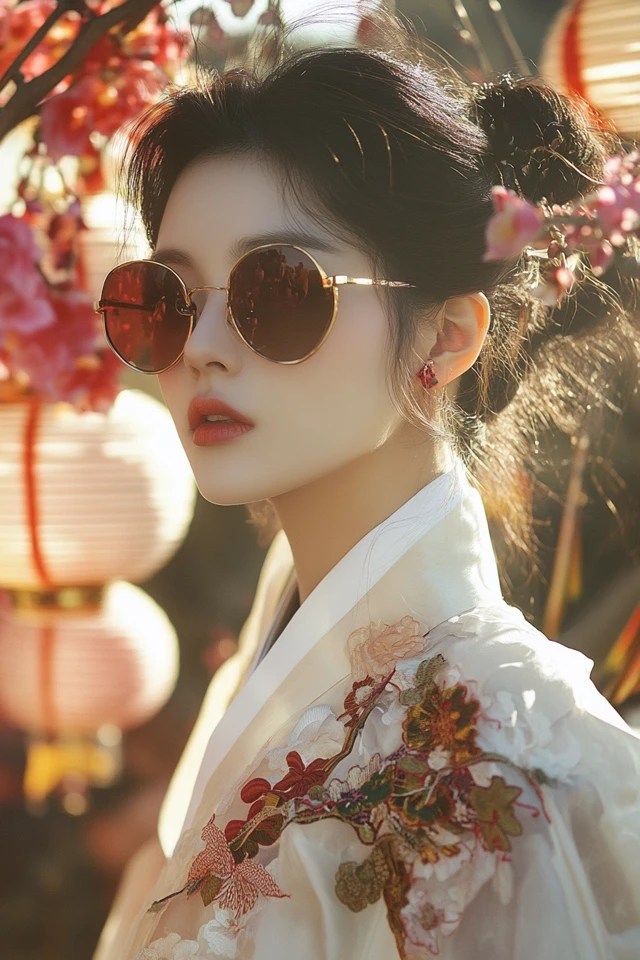
These are festive outfit ideas for every celebration of this kind: one bold, one soft, one formal. If you are dressing for another lunar new year tradition, see Chinese New Year attire in red and gold or traditional red dresses for Chinese New Year. Finishing touches matter too, so have a look at Lunar New Year nail ideas.
Frequently asked questions
What is considered festive attire?
Festive attire is dress chosen for a celebration, usually with brighter colors, richer fabrics or decorative detail. For traditional holidays it often means the garment tied to that culture, such as a hanbok for Seollal.
What are some traditional clothes for festivals?
It depends on the culture. Examples include the hanbok in Korea and red qipao-style dresses at Chinese New Year. Each has its own cut, colors and accessories.
Can I wear a modern hanbok for Seollal?
Yes. Modern hanboks keep the jacket-and-skirt idea with simpler cuts and are comfortable for family gatherings and dinners.
How do I care for a hanbok?
Check the garment's care label first. Silk and embroidered pieces are often best dry cleaned, and storing the hanbok flat or on a padded hanger helps it keep its shape.
Filed under Occasionwear