Wrap Dresses for Occasions: Length, Sleeves, Fit
- Words by
- Julio Arco
- Published
- Reading
- 4 min
The easiest way to choose wrap dresses for occasions is to let the event set the length and the fabric, then let the tie set the fit. A midi in a matte crepe or satin covers most weddings and dinners. A jersey wrap in a solid color handles the office and weekends. Dress it up with fabric and shoes, not with more fuss.
The wrap's advantage is that the waist adjusts. You tie it where you want it, so the dress works with your proportions instead of asking your body to match a pattern.
What body type looks good in a wrap dress?
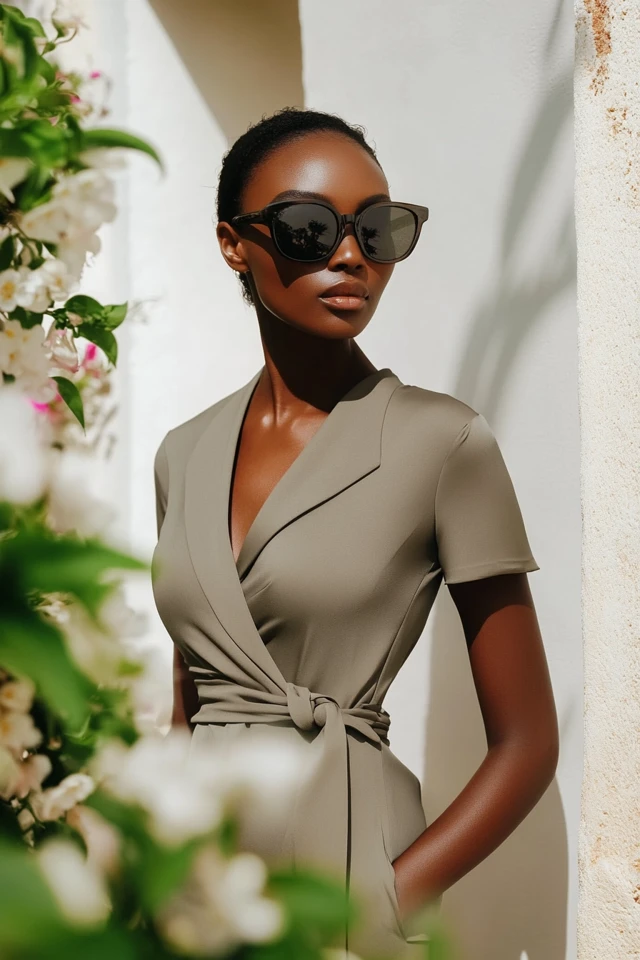
Most of them. The V-neckline draws the eye vertically, the tie defines the waist, and the skirt skims the hips instead of clinging. That combination is forgiving, and it is why wrap dresses show up on so many different figures.
A few small adjustments help:
- Petite frames: a mini or a knee-length hem keeps the skirt from swallowing your height. A midi works too if it ends just below the knee and you wear a heel.
- Curvy figures: a slightly flared skirt and a secure neckline give balance. A fabric with some weight drapes better than a thin one.
- Tall frames: midi and maxi lengths have room to look intentional, and longer sleeves suit your proportions.
- Athletic builds: ruffles, pleats or a softly gathered waist add curve. A deeper V does the same job.
If a wrap pulls at the bust or gapes, that is a fit problem, not a you problem. Try a size up with the waist tied tighter, or a style with a higher crossover.

Which length suits which occasion?
Midi wrap dresses for occasions
A midi is the safest pick for weddings, dinners and work events. It lands between knee and mid-calf, reads polished in daylight, and does not need hemming care the way a maxi does. If you can own only one, choose this length.
Maxi wrap dresses for occasions
Choose a maxi for evening weddings, black-tie-optional events and formal dinners. Check the hem with your actual shoes on, since a wrap skirt opens as you walk and a long one can catch under a heel.
Mini wrap dresses for occasions
Minis suit date nights, parties and summer gatherings. Keep the wrap closure secure, and consider a slip or shorts underneath if the skirt overlaps loosely.
What should you wear to a wedding?
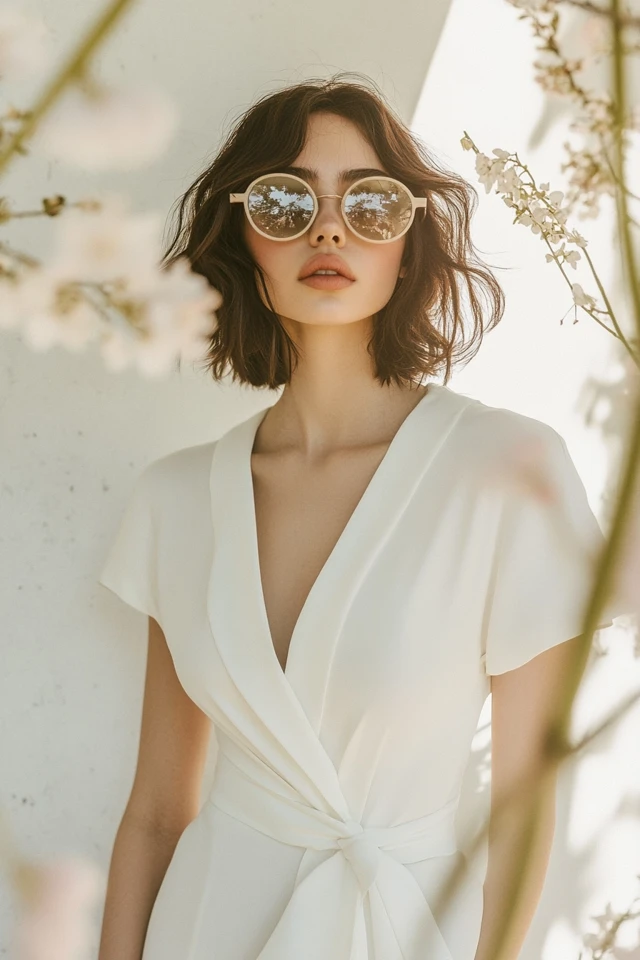
Aim for a midi or maxi in a fabric with some drape: crepe, satin or a heavier chiffon. Skip white and anything close to it. Check the invitation's dress code, then choose the color by season and time of day: softer tones for daytime, deeper ones for evening.
Through the lens of evidence-based design, I'd look at the surface of the fabric before the color. A matte crepe and a glossy satin in the same shade do not read the same, because the surface changes how light reaches the eye. Satin reads dressier; crepe reads quieter.
Can a wrap dress be formal, and what about sleeves?
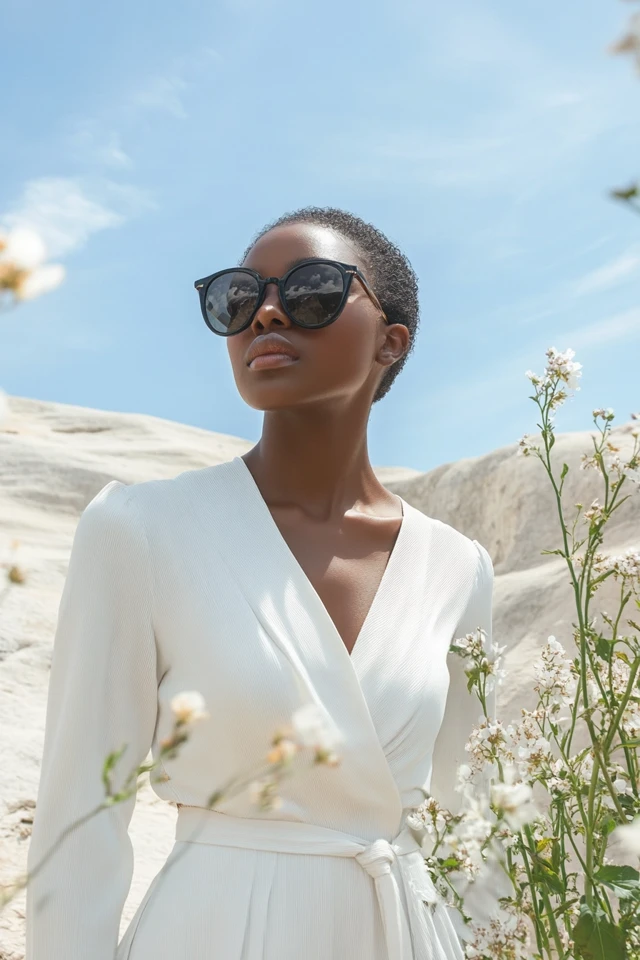
Yes. For a formal wrap dress with sleeves, pick a structured fabric such as velvet, heavy satin or a thick crepe, and a hem at or below mid-calf. Long sleeves also help in cold venues and church ceremonies.
Sleeve shape matters as much as length. A fitted sleeve keeps the line clean. Puffed or gathered sleeves add drama, so keep the rest of the outfit simple. Add a clutch and one pair of earrings, and the dress is finished.
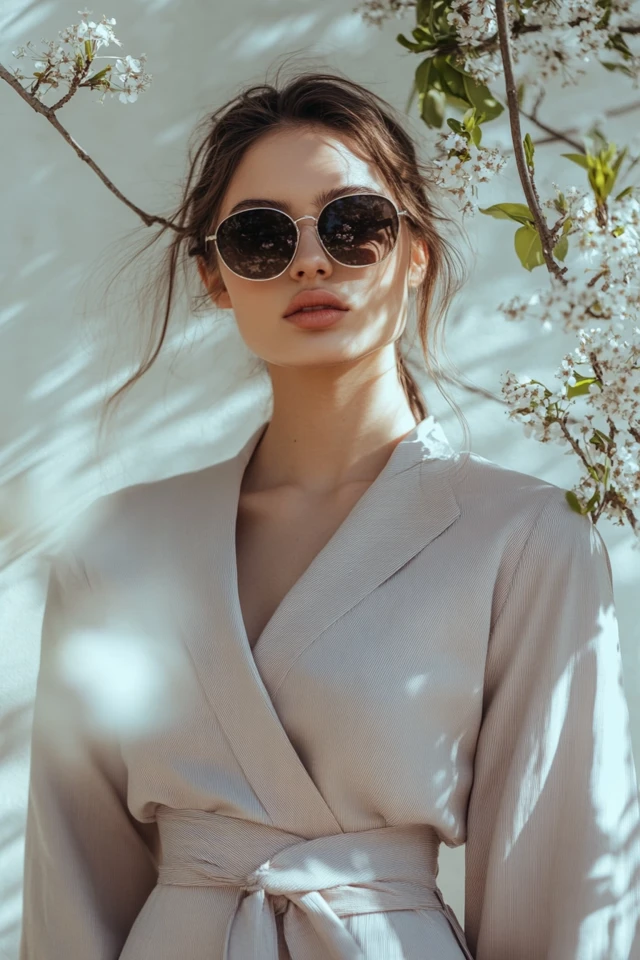
Which colors and prints work best?
Black and navy are dependable and move easily from day to night. Red, emerald and deep pink suit parties and date nights. Pastels fit spring weddings and garden events. Burgundy and other deep tones suit fall and winter.
For prints, small dots and small florals are easy to wear and flatter most figures. Large prints work best on longer skirts, where the pattern has room to show. If you already own bold shoes or jewelry, a solid dress lets them stand out.
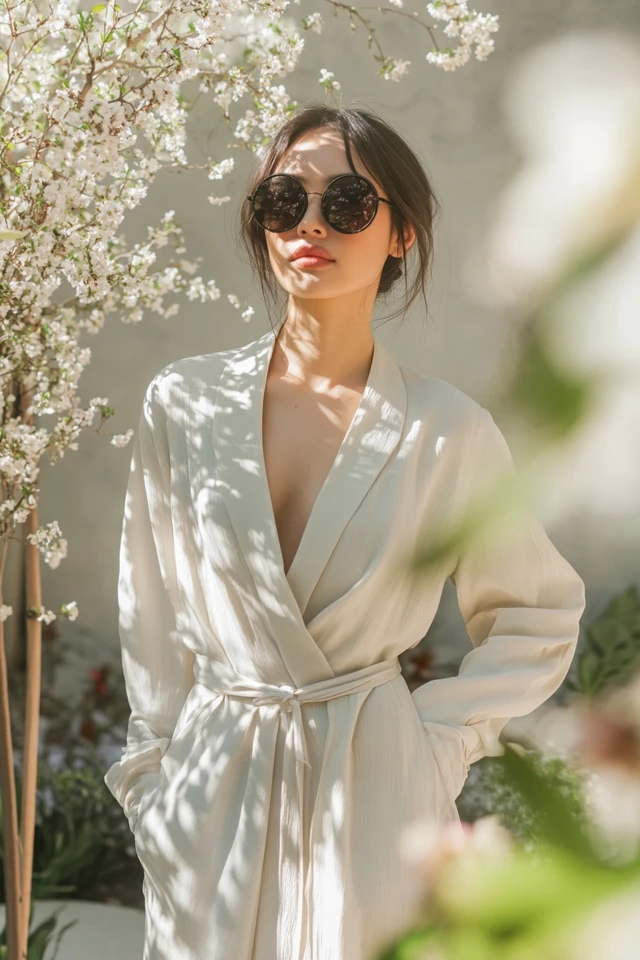
How do you style a wrap dress for different events?
- Office: a structured blazer, nude or black pumps, and a leather tote.
- Brunch or weekend: white sneakers and a denim jacket.
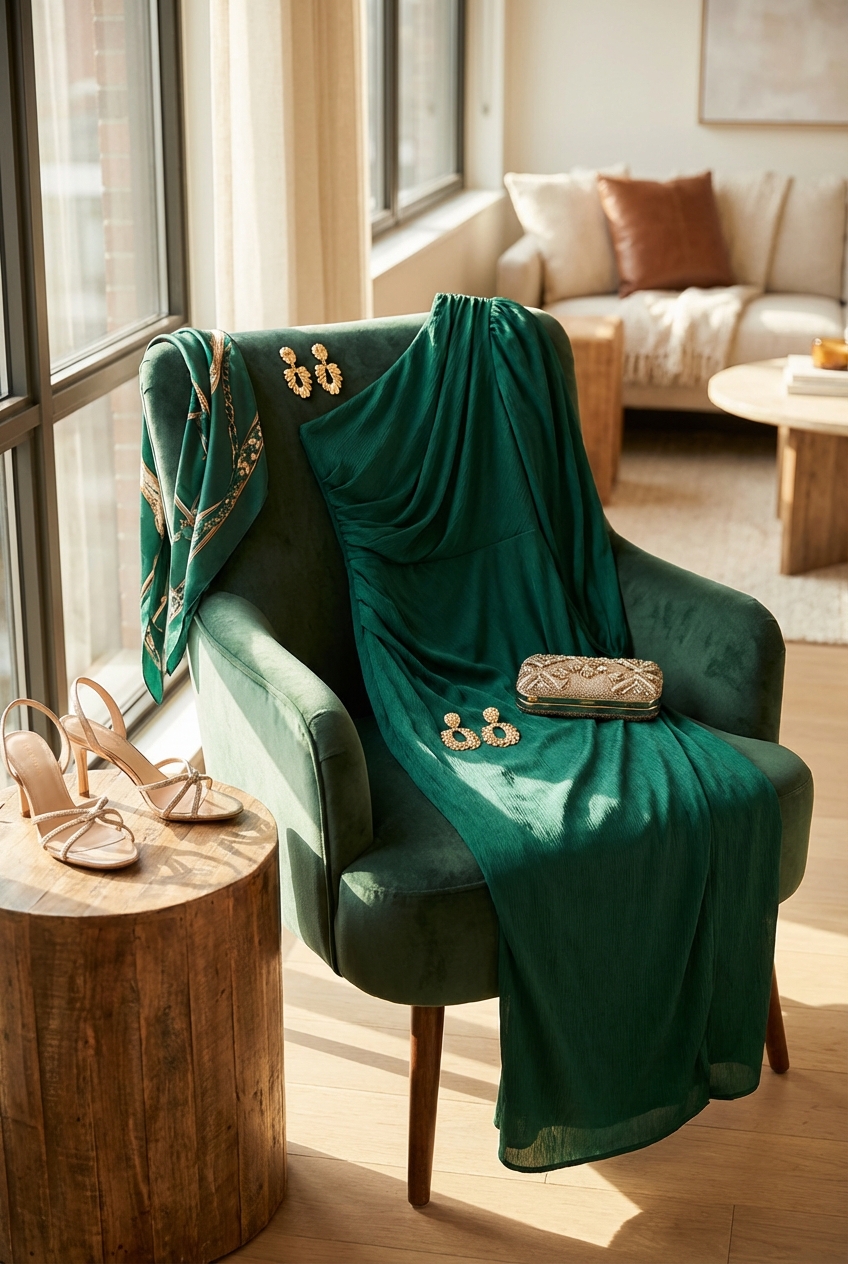
- Evening: strappy heels, statement earrings and a small clutch.
- Cold weather: opaque tights, knee-high boots and a tailored coat.
For more ideas by season and style, see fall wrap dress occasionwear and classic wrap dresses for flattering fits. If you like color, colorful wrap dress staples has more options, and the classic blazer dress is a good alternative for work.
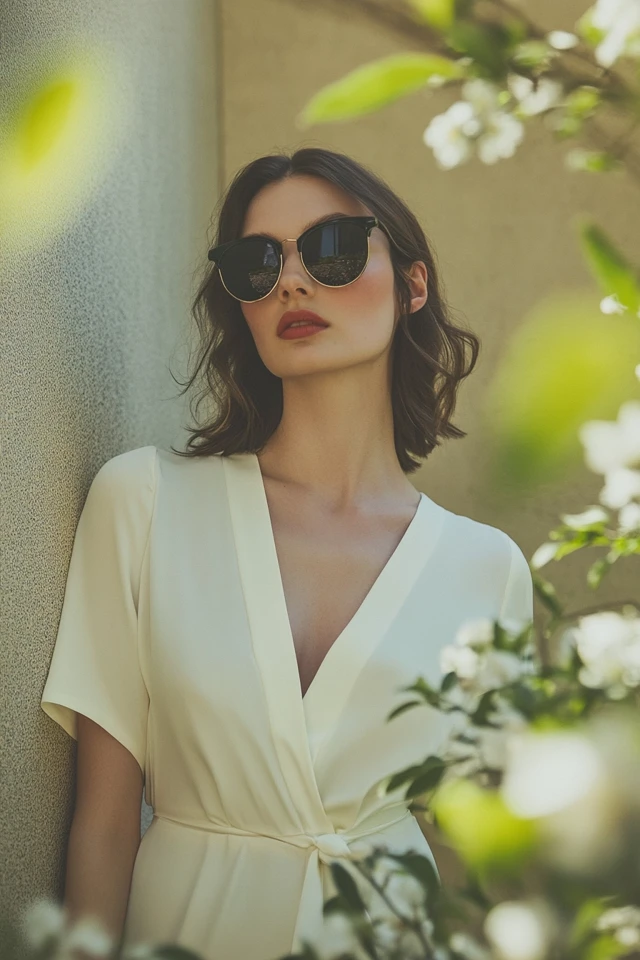
Sizing, fit and care tips
Check the crossover first: it should stay closed when you raise your arms and sit down. A small piece of fashion tape or a hidden snap at the neckline solves most gaping. Make sure the tie sits at your natural waist, and the hem should clear the floor in your shoes.
Delicate fabrics like silk and velvet often need dry cleaning, so read the care label before you buy. Hang the dress on a padded hanger and use a handheld steamer to remove wrinkles.

Frequently asked questions
What body type looks good in a wrap dress?
Most body types do, because the tie adjusts the waist and the skirt skims the hips. Choose the length and neckline that suit your proportions.
Are wrap dresses still in style?
Yes. The wrap has stayed in rotation for decades, and solid midi versions in good fabrics rarely look dated.
How do I keep a wrap dress from gaping at the neckline?
Use a small safety pin or fashion tape inside the crossover. Tying the waist slightly tighter can also help.
Can I wear a wrap dress to a formal event?
Yes. Choose satin, velvet or heavy crepe in a midi or maxi length, and add polished accessories.
Filed under Style & Fit