How to Style a Trench Coat: Spring Outfit Ideas
- Words by
- Julio Arco
- Published
- Reading
- 5 min
The easiest way to style a trench coat is to let it be the long, structured layer over something simple: a tee and jeans, a knit and trousers, or a slip dress. Cinch or loosen the belt to set the shape, keep the rest of the outfit in two or three colors, and choose shoes by how dressy you want the whole look to feel.
This spring the trench is also showing up in lighter fabrics, pastels and boxier cuts. Below you will find what to wear with a trench coat, how to handle the belt, and which shape suits which frame.
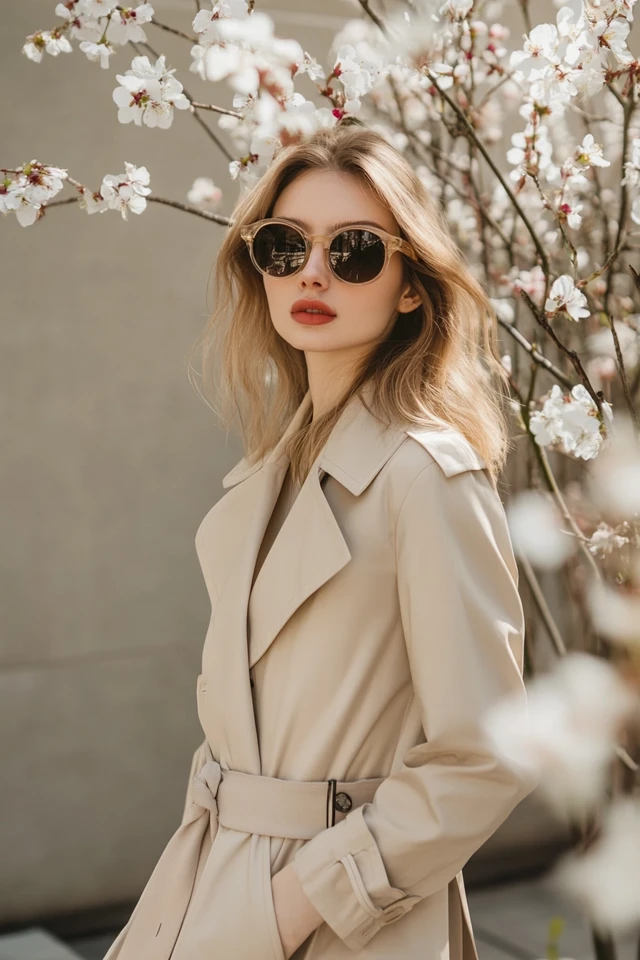
What to wear with a trench coat
A trench is long and fairly structured, so it looks best over pieces that are either slim or deliberately relaxed. Here are formulas that work across most wardrobes:
- Striped Breton tee, straight or skinny jeans and loafers for a Parisian feel.
- Silk blouse, wide-leg trousers and heels for the office.
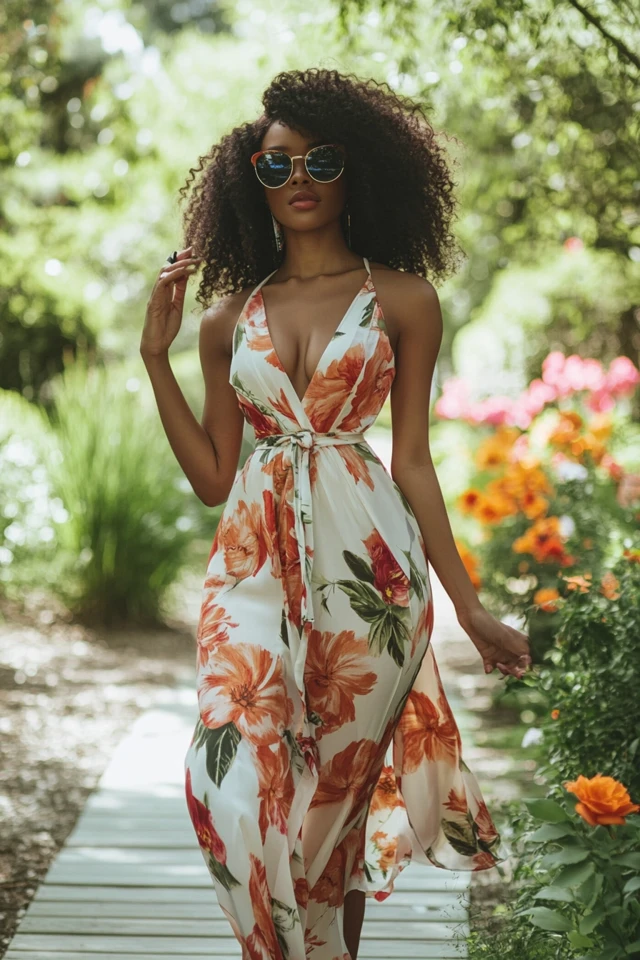
- Floral midi dress and ankle boots for a softer, springtime look.
- Slip dress and heeled sandals for an evening out, with the coat worn open.
- Tailored jumpsuit, loafers and a structured tote for a polished workday.
If the coat is oversized or boxy, balance it with something slimmer underneath, such as slim pants or a midi skirt. If the coat is fitted, you have more freedom to add volume below.
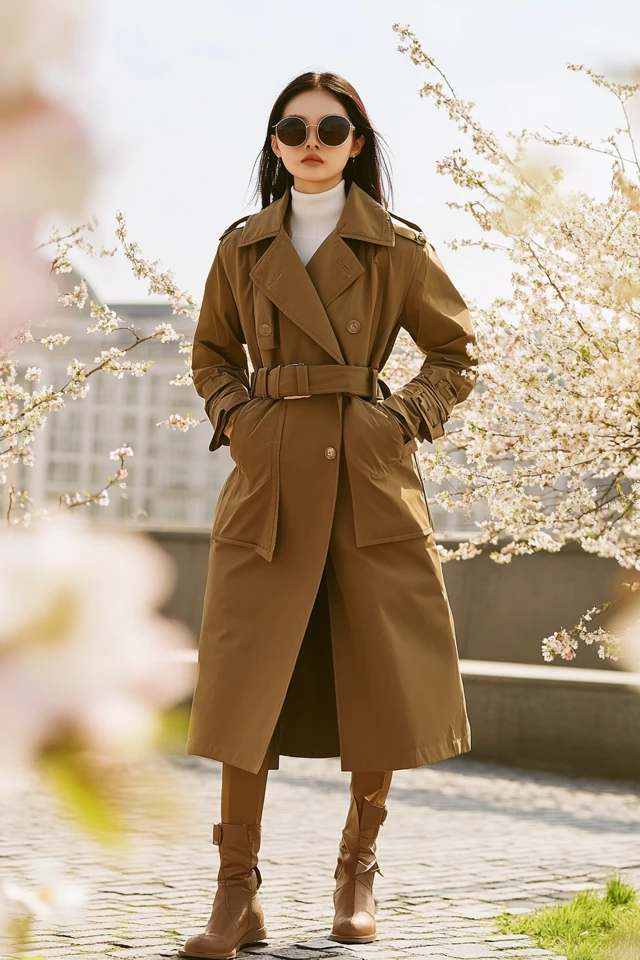
How to wear a trench coat casually
Pair it with a white tee, cropped jeans and sneakers, then add a crossbody bag. A cropped or mid-thigh trench with chunky white sneakers looks relaxed without losing the sharp line of the coat. Wearing it open with the belt tied loosely at the back, or hanging, softens the whole outfit.
Fit is what keeps a casual trench from looking sloppy. Check that the shoulder seam sits near the end of your shoulder, unless the coat is clearly cut oversized with dropped shoulders.
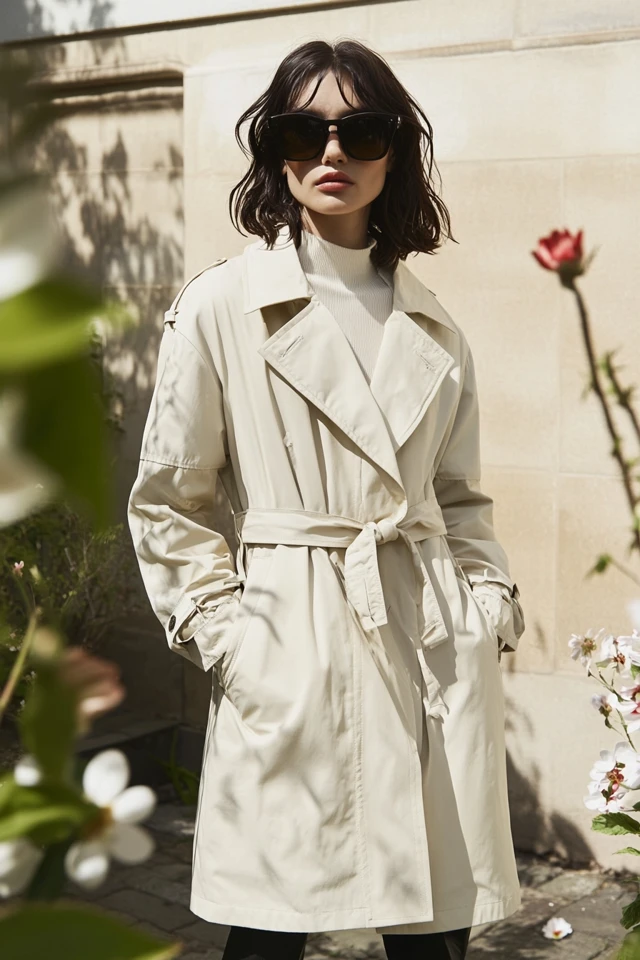
How to style a trench coat belt
The belt is the fastest way to change the coat's proportions. Each option reads differently:
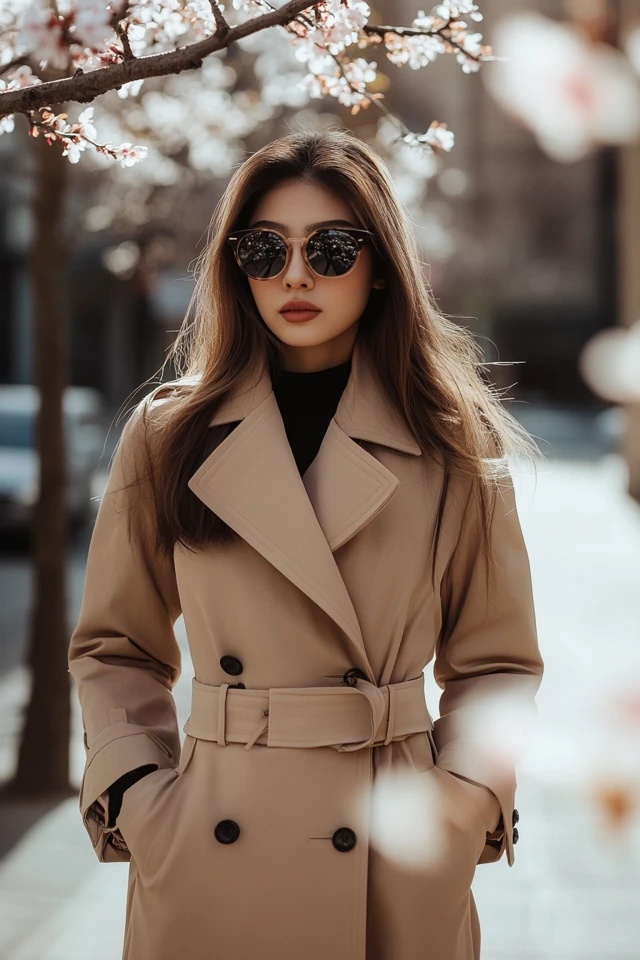
- Tied at the waist and buttoned: the clearest waistline, good for curvier frames and for wearing over dresses.
- Tied at the waist, coat open: keeps the waist definition with a longer, lighter vertical line.
- Knotted loosely at the back: a relaxed look that suits oversized cuts.
- Removed completely: a straighter, more modern column shape.
Through the lens of evidence-based design, I'd treat the belt as the first thing the eye reads on a trench. Where it sits decides whether the coat looks tailored or easygoing, so try it at your natural waist before moving it.
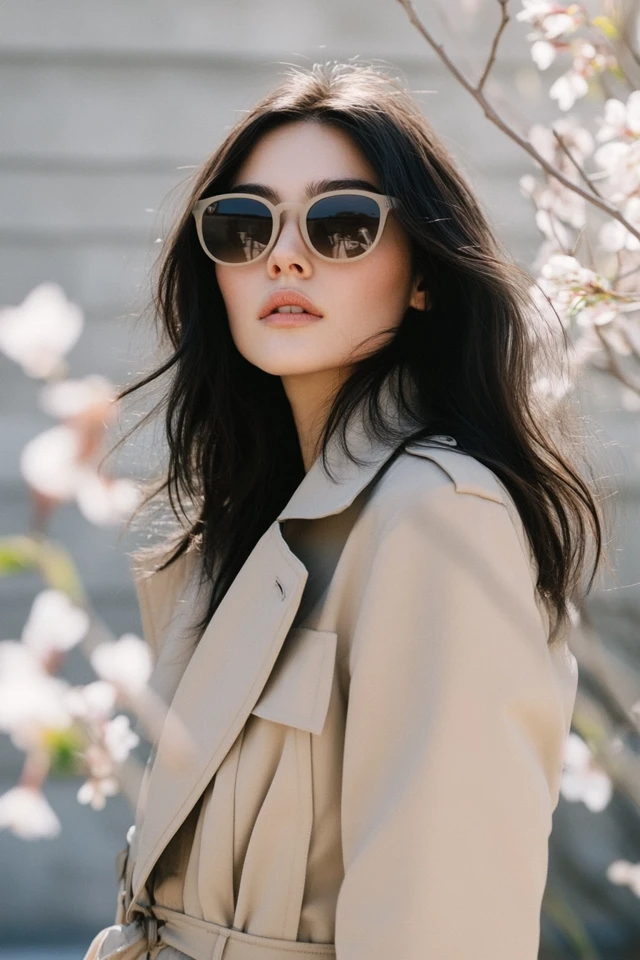
What body type looks best in a trench coat?
Nearly every body type can wear one; the shape and length are what you adjust. These are starting points, not rules:
- Petite: a cropped or mid-thigh length in a slim, tailored cut keeps proportions in check.
- Curvy: a belted style defines the waist, and an A-line shape can balance the hips.
- Tall: long trenches that fall below the knee look dramatic, and dropped shoulders add a relaxed feel.
- Athletic: details like pleats, ruffles or a slightly flared hem add softness.
A coat that pulls across the shoulders or back is a fit problem, not a you problem. Size up or look for a different cut before you give up on the style.
Colors and fabrics: beyond beige
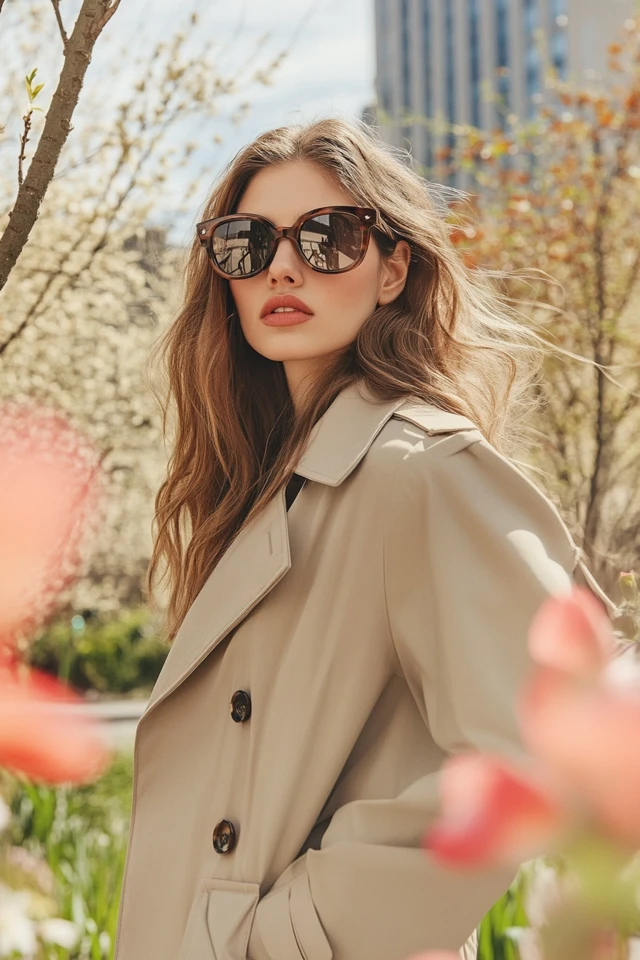
Classic beige, khaki and navy still go with almost everything. For spring, pastels such as blush, lavender and mint feel soft and pair well with light denim or florals. Bold red, cobalt or yellow turns the coat into the focal point, so keep the outfit underneath quiet.
Texture matters as much as color. Through the lens of evidence-based design, I'd pick a matte cotton blend over a glossy finish if you want a color to read calmer, because the surface changes how light reaches the eye. Lightweight organza or sheer mesh trenches suit warmer days, while cotton gabardine stays the dependable choice for changeable weather.
The original design was practical. According to Clothes Lines from Ohio State, the back storm shield let water run off the coat, and the pleat allowed ease of movement when riding or running. Those details are why a classic trench still sheds drizzle well. For wet commutes, see waterproof trench coats for rainy spring commutes.
Shoes, bags and layering
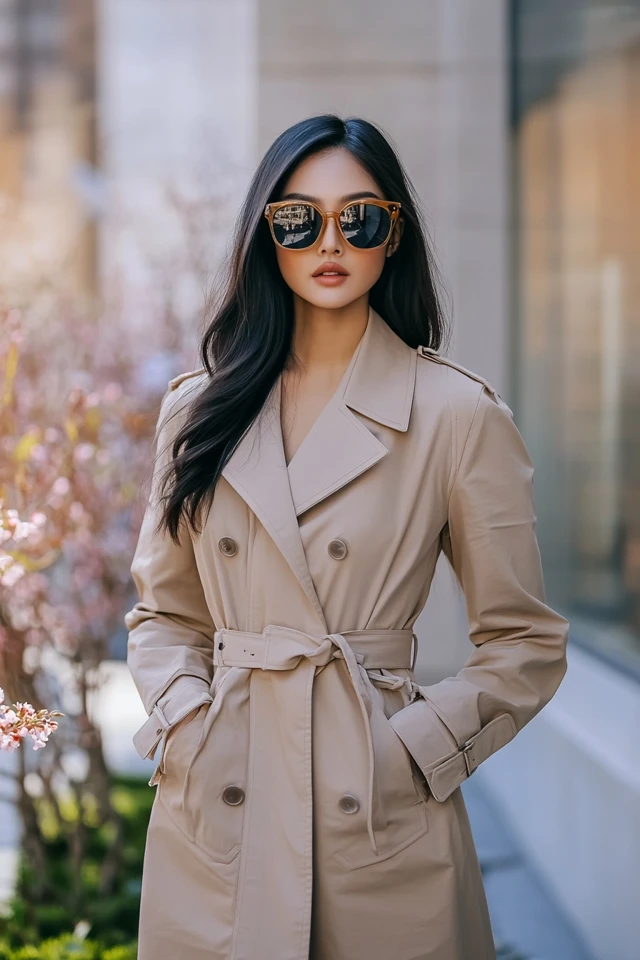
Loafers and ankle boots keep a trench polished. Sneakers make it casual. Heels or heeled sandals move it toward evening. For bags, a structured tote suits the office, and a crossbody keeps weekends easy.
On cooler spring days, layer a lightweight knit or a flowy blouse under the coat, and add a scarf if you need warmth. In winter, a thicker knit or a thin wool layer under the trench works, as long as you can still button and belt it comfortably. If you want more ideas by mood, try the casual trench coat aesthetic or the feminine trench coat vibes.
Keeping your trench in shape
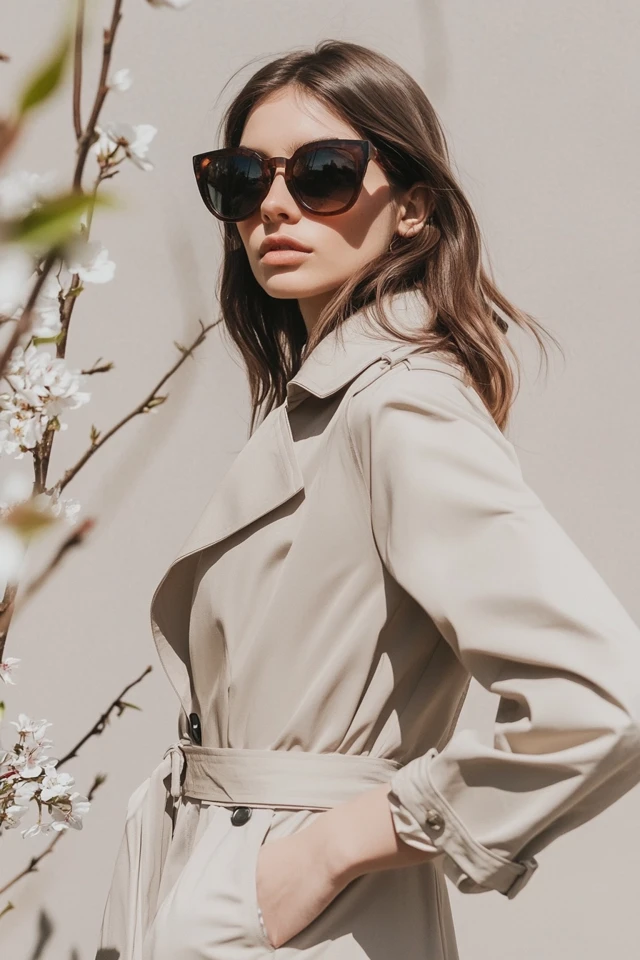
- Spot-clean stains quickly so they do not set.
- Hang the coat on a sturdy, wide hanger to hold the shoulders.
- Store it in a breathable garment bag in the off-season.
For more versatile picks, browse the neutral trench coat statement ideas, or the bolder colorful trench coat mood if you want a brighter coat.
Frequently asked questions
What does a trench coat look good with?
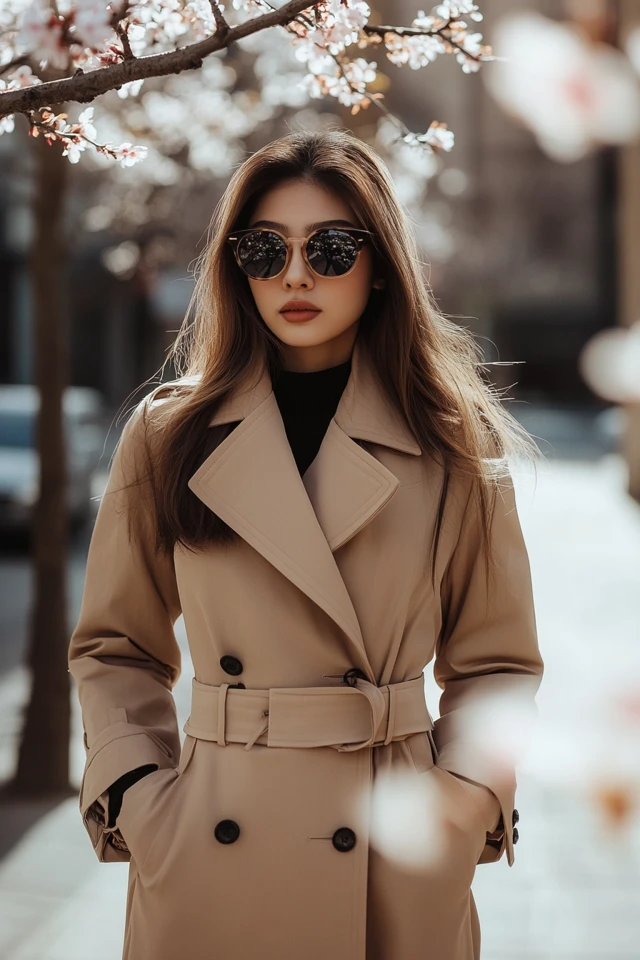
Jeans and a tee, tailored trousers with a blouse, midi dresses and slip dresses all work. Choose shoes to set the dress level: sneakers for casual, loafers or boots for polished, heels for evening.
What body type looks best in a trench coat?
Most body types look good in one if the length and cut suit them. Belted styles define the waist, cropped lengths help petite frames, and longer cuts suit taller ones.
Are trench coats only for rainy days?
No. A trench works as a general layer for cool, changeable weather, and lightweight versions suit mild evenings too.
How do I make a trench coat work from day to night?
Change the shoes and bag, such as heels and a clutch instead of sneakers and a tote. Wearing the coat open over a dress also dresses it up.
Filed under Seasonal Trends