
Summer Edgy Dressing Guide
- Words by
- Julio Arco
- Published
- Reading
- 4 min
The coolest fabric to wear in summer is usually linen, followed by lightweight cotton weaves such as poplin and chambray. Loose, open weaves let air move and sweat evaporate, and that matters more than any trend.
The edge comes from the cut and the details: a boxy shape, a dark palette, a leather-look belt or chunky boots. Pick the fabric for heat first, then style it with attitude.
What is the best fabric for summer clothes?
The best fabric for summer clothes is one that is light, breathable and not clingy. Weave matters as much as fiber: a loose, airy weave in almost any natural fiber will feel cooler than a dense, tight one.
Linen for loose, relaxed fits
Linen is crisp, a little textured and dries quickly. It wrinkles, and that is part of the look, especially in an oversized shirt or wide trousers. For more ideas, see how to wear linen pants in summer.
Cotton and chambray
Lightweight cotton (poplin, voile, thin jersey) is the easy everyday option. Chambray looks like denim but feels far lighter, so a chambray shirt works as a summer jacket over a tank. For T-shirts, choose a thin, slightly loose jersey over a thick, tight one.
Rayon, silk and satin
Viscose and rayon drape softly and feel smooth on the skin. Silk and satin look sharp and slightly rebellious in a slip skirt or a blouse, though they show sweat more easily. If you like that look, my notes on the edgy silk blouse cover styling.
Through the lens of evidence-based design, I'd think about texture before color here. A matte linen and a glossy satin in the same black do not read as the same black, because the surface changes how light reaches your eye.

Which fabric to avoid in summer?
Skip heavy, tightly woven or non-breathable fabrics when it is hot: thick denim, wool, fleece, and most polyester or nylon that is not specifically made to wick moisture. Faux leather is the usual edgy trouble spot, because it holds heat. Use it in small doses, such as a belt, a vest or shorts for the evening.
Cotton is a case where context matters. Texas A&M's Howdy Health says to avoid cotton for cold weather exercise because it absorbs moisture and can keep it next to your skin. In hot weather the same trait means a cotton tee can feel damp during a long, sweaty day. For intense workouts or very humid days, a moisture-wicking layer is the better pick, and the same source recommends moisture wicking materials next to the skin.
How do you wear summer fabrics with street style edge?
Street style comes down to contrast: soft fabric with a hard detail. Here are combinations that work in heat.
- A boxy linen shirt, open over a black tank, with wide trousers and chunky sandals.
- A satin slip skirt with a plain white tee and heavy boots or platform sneakers.
- Chambray shorts, a thin cotton band tee and a lightweight vest left open.
- A mesh top layered over a camisole, with straight-leg jeans in the lightest denim you can find.

For a broader look at this approach, see summer street style and the edgy summer lookbook.
Mixing fabrics and layering in the heat
Layering in summer works when each layer is thin and open. Put one see-through or loose layer over a fitted one, and keep the heaviest texture small.
- Pair one structured fabric (linen, crisp cotton) with one fluid fabric (viscose, satin).
- Keep to a dark base with one accent, such as silver jewelry or a metallic belt.
- Leave jackets and shirts open to let air move.
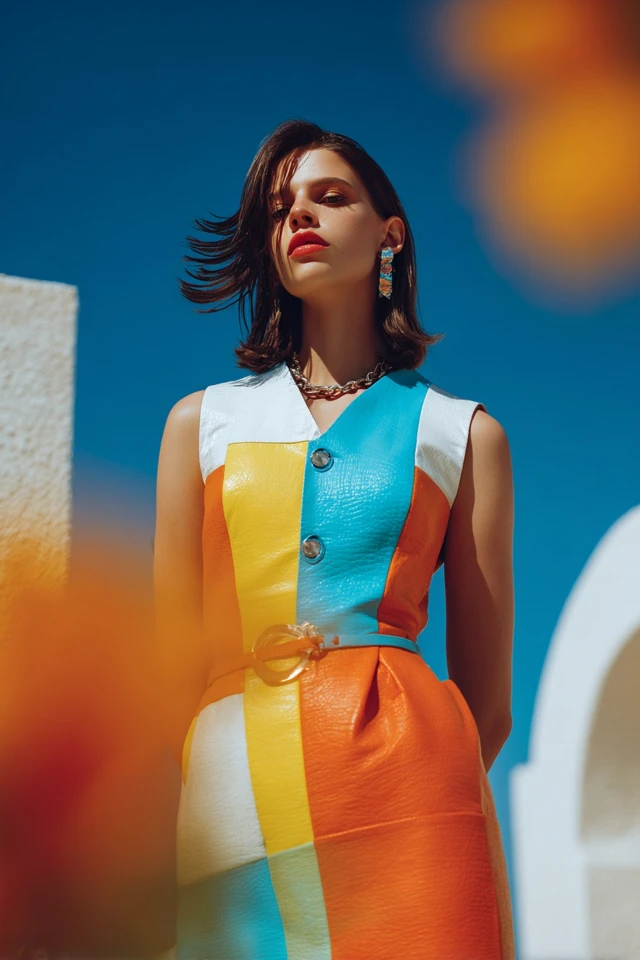
As an architect trained in evidence-based design, I'd treat the outermost layer as the one the eye reads first. If it is a light, matte linen, the whole outfit looks cooler even when the base layer is black.
Color and fit in hot weather
Lighter colors tend to feel cooler in direct sun, while black works better in shade and evening settings. A loose fit helps in either case, since fabric that skims the body rather than clinging lets air circulate. If you like a monochrome look, monochrome summer basics shows how to keep it light.
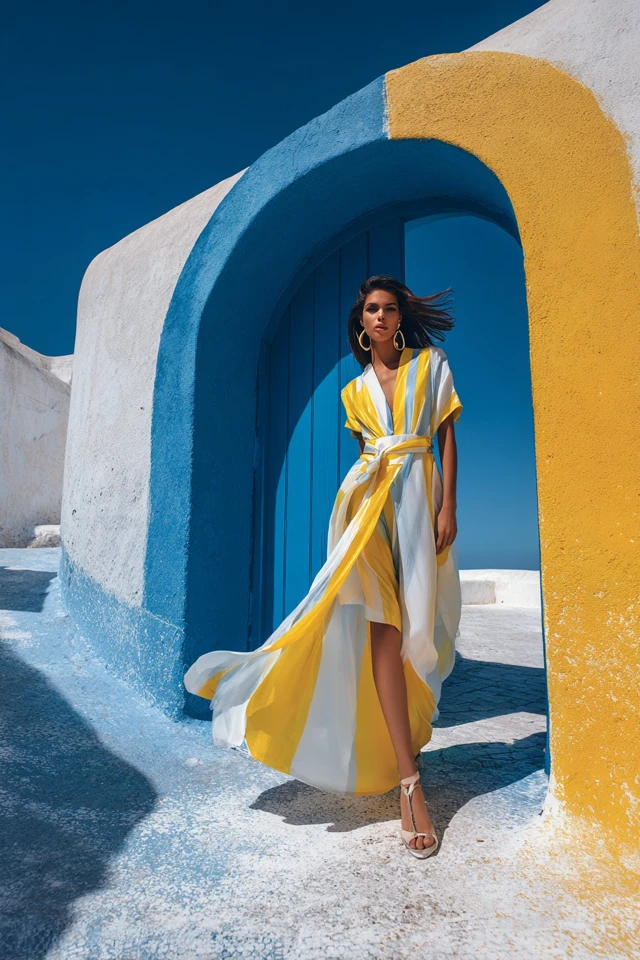
For beachside or city-by-the-water days, the summer coastal guide pairs well with the fabrics above.
Frequently asked questions
What is the coolest fabric to wear in summer?
Linen is generally the coolest, thanks to its open weave and quick drying. Lightweight cotton such as poplin or voile is a close second.
What fabric to avoid in summer?
Avoid heavy, tightly woven or non-breathable fabrics such as wool, fleece, thick denim and plain polyester. Faux leather also holds heat, so keep it to small accents.
What is the 3-3-3 rule for clothing?
It is usually described as a capsule-wardrobe method: choose three tops, three bottoms and three pairs of shoes and mix them. It is a simple way to plan a small summer wardrobe.
Can I wear black in summer?
Yes, especially in light, airy fabrics and a loose fit. Black feels warmer in direct sun, so it suits shade and evenings best.
Filed under Outfit Ideas