Maxi Dress Style Basics: How to Wear One Every Day
- Words by
- Julio Arco
- Published
- Reading
- 5 min
The simplest way to style a maxi dress: add one piece that gives it structure (a belt, a cropped jacket or a denim layer), choose shoes that match the mood you want, and check that the hem skims your ankle or the top of your shoe. Get those three things right and the dress does most of the work.
Below are the basics: the main styles, how to choose fabric and fit, and how to wear a maxi dress casually, dressed up, and in cold weather.
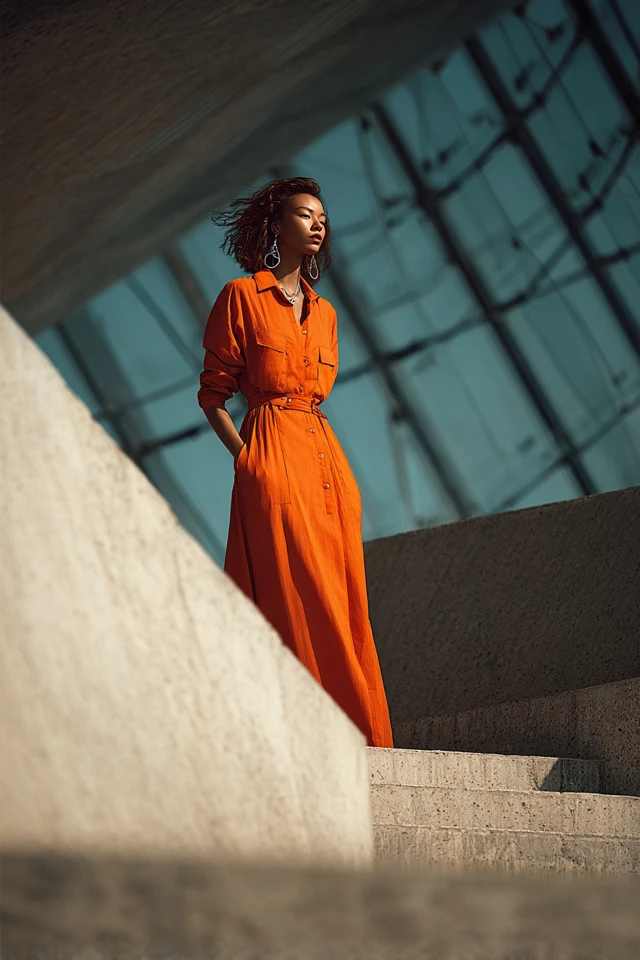
What are the different styles of maxi dress?
Knowing the shape you are buying makes everything else easier, because each cut handles the waist, shoulders and movement differently.
- Slip or column: slim and fluid, often in satin or jersey. It reads sleek and works best with structured layers on top.
- Wrap: crosses at the front and ties at the waist, so it adjusts to your shape. A reliable first maxi.
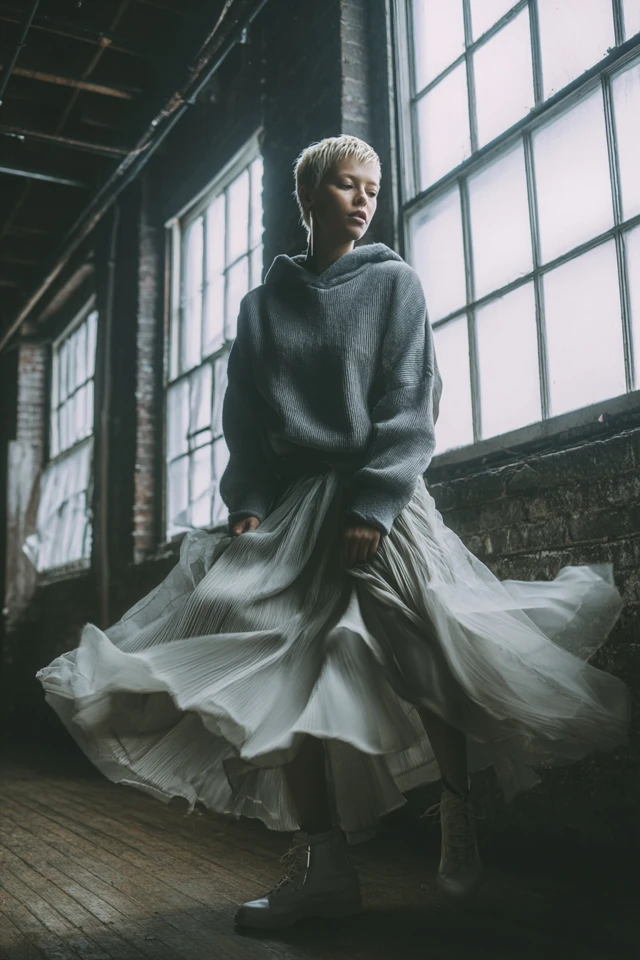
- Tiered: ruffled layers add volume and movement. Keep the top half simple.
- A-line or empire: fitted at the bust or waist and loose below, which skims over hips and is easy to move in.
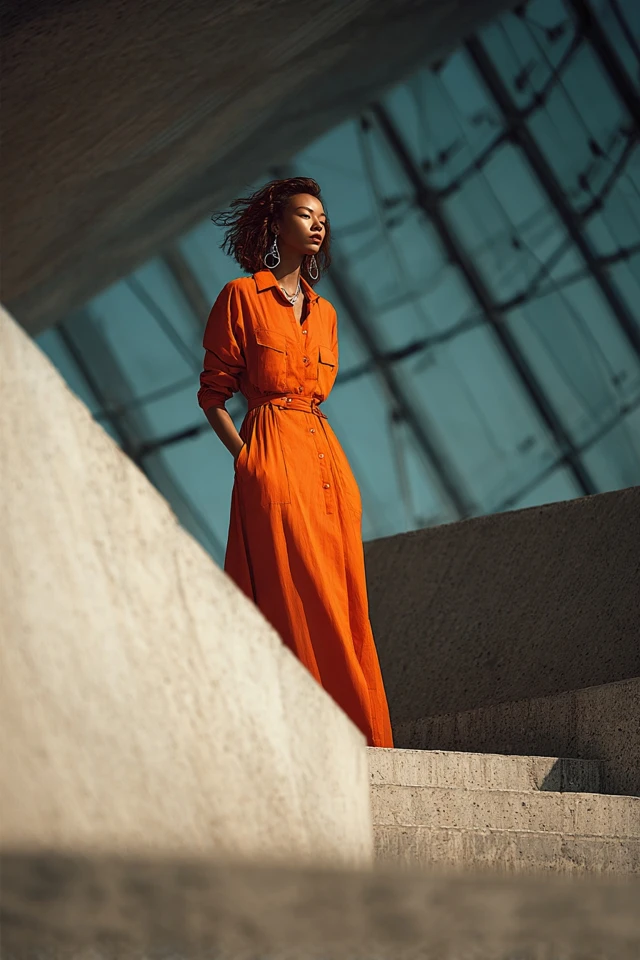
- Shirt dress: buttons down the front with a collar. The most casual-to-office-friendly option.
- Long dresses casual with sleeves: balloon, bell or fitted long sleeves turn the same silhouette into a three-season dress.
How should a maxi dress fit?
Start at the shoulders. The seam should sit where your shoulder ends, and a strap that slips or a bodice that pulls is a fit problem, not a you problem.
For length, the hem should clear the floor by about an inch in the shoes you plan to wear. If you are shorter, a hem that grazes the ankle or a dress with a defined waist keeps the line from swallowing you. A side slit also helps with walking and shows a little leg.
The waist is the second checkpoint. If the dress has no shape, a belt at your natural waist creates one. If it is already fitted, leave it alone.
Choosing fabric, color and cut
Fabric decides how a maxi dress moves and how it feels by mid-afternoon. Cotton and linen breathe and suit warm days, though linen wrinkles. Viscose and chiffon drape softly. Jersey is stretchy and forgiving. Satin is dressier and shows every seam, so it likes simple underlayers.
Through the lens of evidence-based design, I'd look at texture before color. A matte cotton and a glossy satin in the same navy do not read as the same color, because the surface changes how light reaches your eye. Matte fabrics look calmer and more casual; sheen looks dressier.
For color, solid black, navy, cream and olive are easy to restyle. Prints are lively but need quieter accessories. If you are unsure about a shade against your skin, hold it up near your face in daylight and see whether you look rested or washed out.
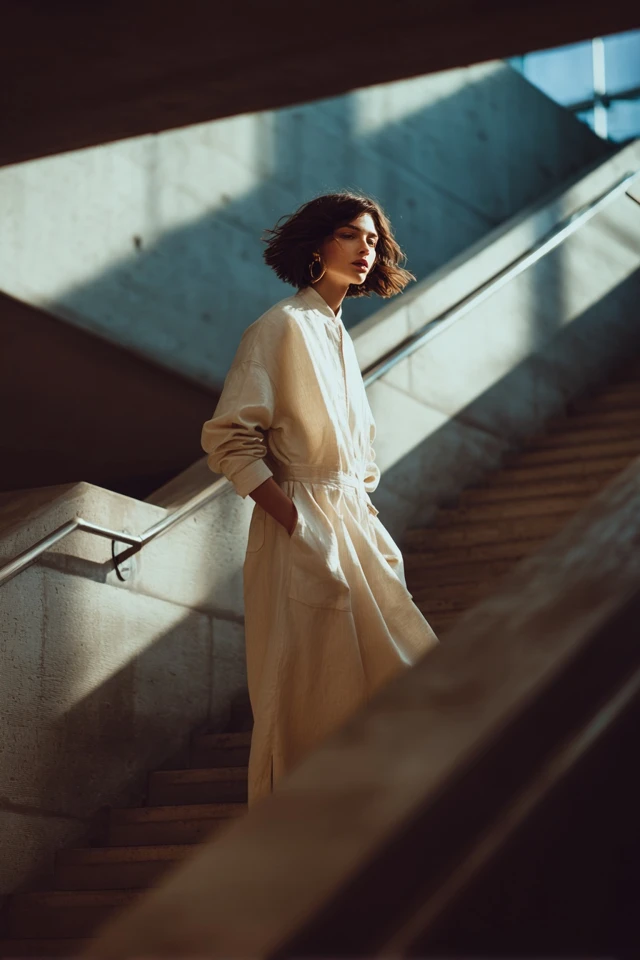
How to wear a maxi dress casually
Casual comes down to shoes and one relaxed layer. Try these combinations:
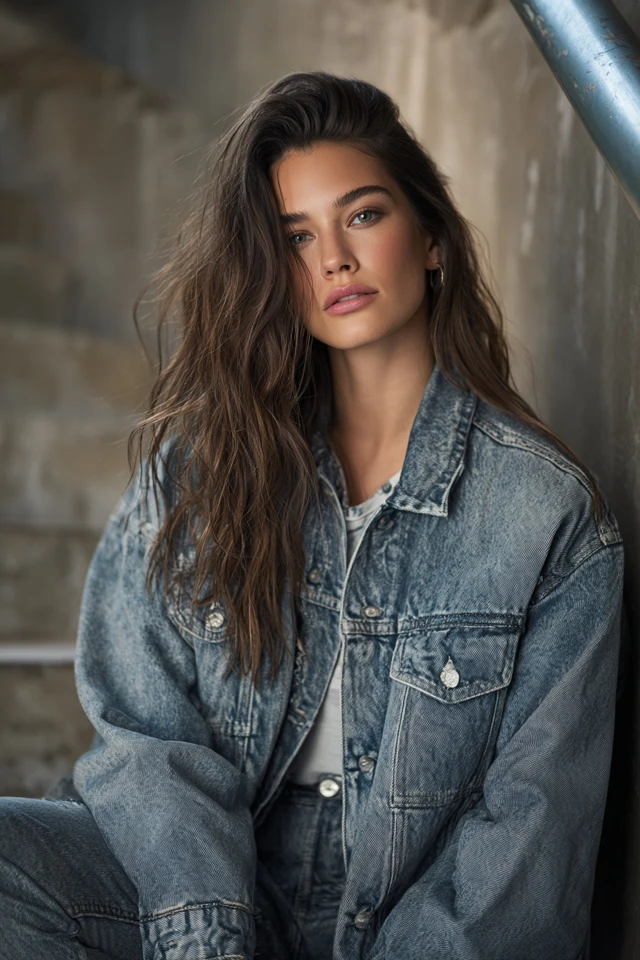
- Clean white sneakers, a denim jacket and a crossbody bag.
- Flat sandals, a straw tote and sunglasses for warm weather.
- An oversized cardigan tied loosely or worn open, with slides or loafers.
- A cropped tee layered over a slip style for a streetwear feel.
Keep jewelry small. Simple hoops or a thin chain let the dress stay the focus. For more accessory ideas, see these street style maxi dress accessory trends.
How to style a maxi dress for day versus night
The dress can stay the same while the accessories change the mood. For daytime, flat shoes and a soft bag are enough. For the evening, swap in heeled sandals or sleek ankle boots, add a structured clutch, and consider a bolder earring.
A belt or blazer sharpens the outline for dinner or the office. If you want more polish, the glam maxi dress basics cover dressier fabrics and finishing touches.
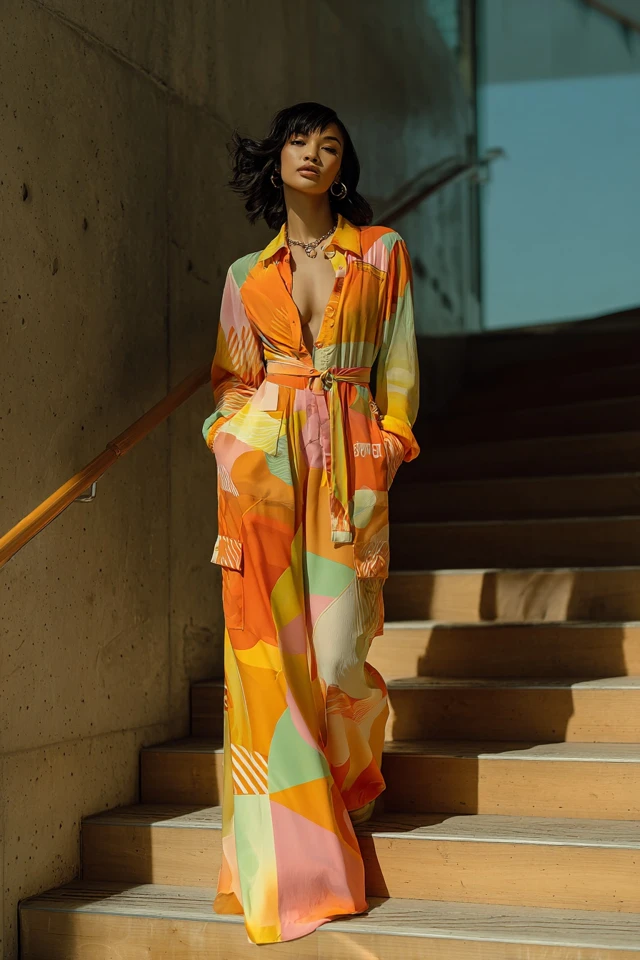
How to style a maxi dress for winter
A maxi dress works in cold weather if you treat it like a base layer. Choose a long-sleeved style in knit, jersey or a heavier weave, then build on top.
- Wear thin tights or thermal leggings underneath, and boots on your feet. Ankle boots suit a hem that sits just above the ankle; knee-high boots suit longer, slit styles.
- Add a long coat that is slightly shorter than the dress, or a cropped jacket if you want to keep the dress visible.
- Finish with a scarf, a knit hat or leather gloves for contrast in texture.
Keep the coat and dress in related tones, such as camel over cream or charcoal over black, so the outfit reads as one long line.
Styling a maxi dress across the seasons
Spring and summer call for lighter fabrics, open shoes and a light layer for evenings. Autumn is where sleeves, boots and a denim or leather jacket come in. Winter follows the layering above. The same two or three dresses can cover the year if you change the fabric weight and the outer layer rather than the dress itself.
For season-specific ideas, try spring maxi dress trends, the summer street style lookbook, and modern maxi dress essentials for different weather. If you want a wider view on occasions, this guide to flattering maxi styles is a good next read.
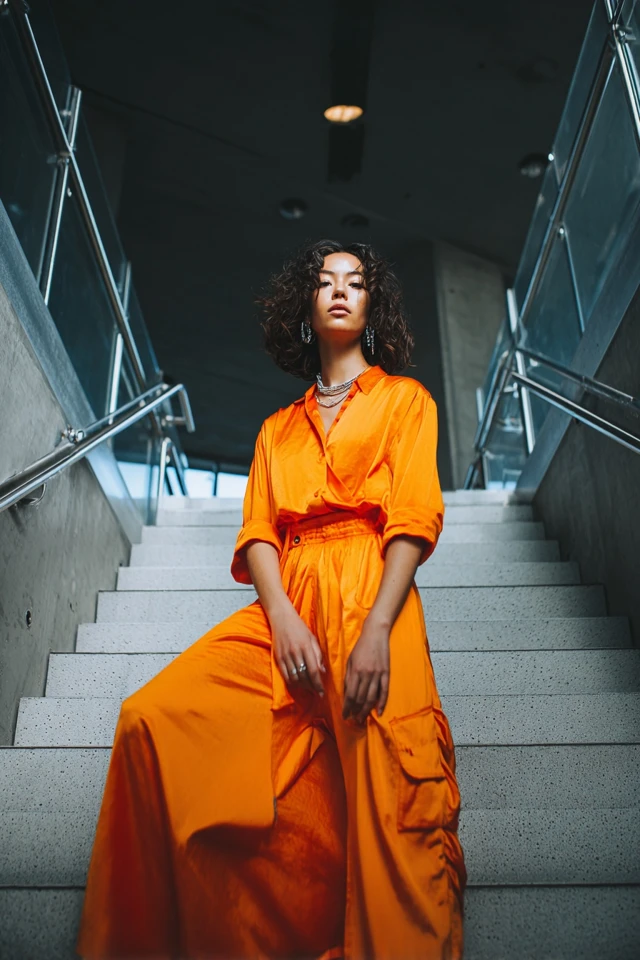
Common mistakes to avoid
- A hem that drags under your shoes. Hem it or change the shoe height.
- Too much volume on top of a voluminous dress. Pair a tiered skirt with a fitted layer.
- Ignoring the lining. If a fabric is sheer in daylight, wear a slip.
- Layering a long jacket over a long dress with no waist definition. Add a belt or choose a cropped jacket.
Store maxi dresses on padded hangers or folded, and follow the care label so the fabric keeps its drape.
Frequently asked questions
What is the 3-3-3 rule for clothing?
It is a popular capsule-wardrobe idea of building outfits from three tops, three bottoms and three pairs of shoes. A maxi dress can replace a top-and-bottom pair, so a few dresses stretch the system further.
What are the different styles of maxi dress?
Common styles are slip, wrap, tiered, A-line or empire, and shirt dress. Each handles the waist and volume differently, so choose by how you want the dress to move.
Are maxi dresses out of style?
Maxi dresses have stayed in regular rotation because they adapt to many fabrics and seasons. Trends shift in prints and sleeves, while simple solid styles tend to stay wearable.
Can a maxi dress work for work or the office?
Yes. Choose an opaque fabric with sleeves or a shirt-dress cut, add a belt or blazer, and wear closed shoes or loafers.
Filed under Outfit Ideas