Summer Style Guide: Coastal Outfits That Fit Well
- Words by
- Julio Arco
- Published
- Reading
- 4 min
If you are wondering what to wear in summer near the coast, start with a short formula: one breathable fabric (linen, cotton or a blend), one relaxed cut, and a palette of two or three colors that borrow from sea and sand. Everything else is a variation on that.
Coastal dressing is mostly about ease. The clothes should move in the breeze, dry quickly and look right from a morning walk to a seaside dinner. Here is how to build it.
How do you build a coastal summer wardrobe?
Start by looking at what you already own. Pull out everything in light fabrics and sort it by color. Gaps become obvious fast: maybe you have four white tops and no trousers that go with them.
A small summer capsule wardrobe usually needs far fewer pieces than people expect. A workable set looks like this:
- Two or three tops: a crisp white shirt, a striped tee, a chambray or linen shirt
- Two bottoms: wide-leg or relaxed trousers and tailored shorts
- One easy dress, such as a wrap or a belted linen shirtdress
- One light layer: a thin cardigan, an open shirt or a lightweight trench
- Flat sandals or sneakers, plus a straw hat
If a wrap dress appeals, our wrap dress fit notes cover how to choose the wrap point and hem length.
Which colors work for coastal outfits?
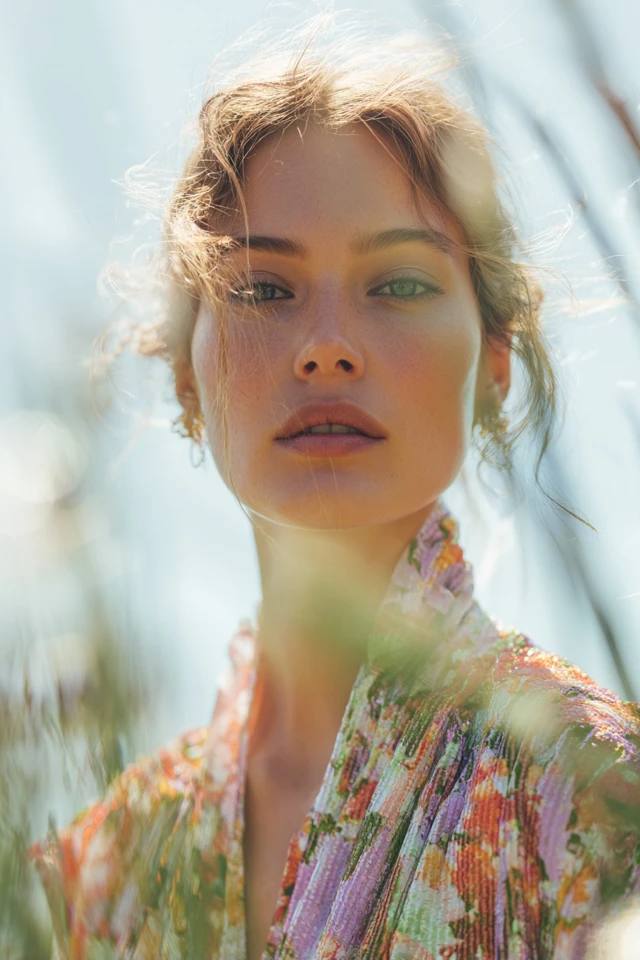
The classic palette is soft blue, white, sand and a muted green. These sit well together because none of them competes. Add one warmer accent, like coral or blush, and the outfit gets a lift without feeling busy.
Two pairings are easy to repeat: sky blue with sandy beige, and coral with white. If you want a calmer, single-tone look, a monochrome outfit in sand or stone gives the same coastal feel with less thinking.
Through the lens of evidence-based design, I'd check how a color reads next to your skin in daylight before buying. Pale blue can look fresh on one person and washed out on another, and daylight tells you faster than a store mirror does.
Why loose fit summer clothes work (and how to keep them tidy)
Loose fit summer clothes let air move between fabric and skin, which is why they feel cooler. The risk is looking swamped. Keep one part of the outfit defined and let the rest flow.
- Wide-leg trousers with a fitted or tucked top
- An oversized shirt with slim shorts or a belt at the waist
- A flowing dress with a shoulder seam that sits where your shoulder ends
If a shirt pulls across the shoulders or back, that is a fit problem, not a you problem. Go up a size and let a tailor adjust the rest if needed.
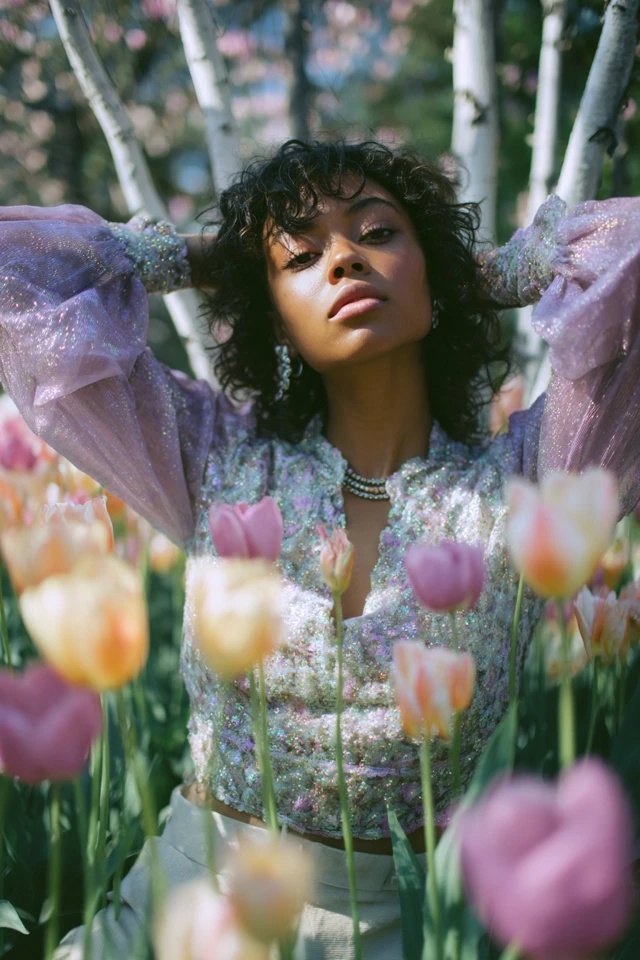
Which fabrics feel best in warm weather?
Linen, cotton, Tencel and lightweight blends are the usual choices because they breathe and dry reasonably fast. Linen wrinkles, and that is part of its look; a blend with some cotton or Tencel relaxes it a little.
One caution if you are active in the heat or by the water. Cotton holds moisture. Texas A&M's Howdy Health advises that the layer closest to your skin should be moisture wicking and that you should avoid cotton because it absorbs moisture and keeps it against your skin. That page is about cold-weather exercise, so for a hot, sweaty walk or hike, a quick-dry fabric is a sensible choice, while cotton and linen stay fine for relaxed days.
Texture matters too. As an architect trained in evidence-based design, I'd mix one matte, slightly rough fabric (linen) with one smoother one (silk blend or fine cotton), because the contrast makes a single-color outfit look finished.
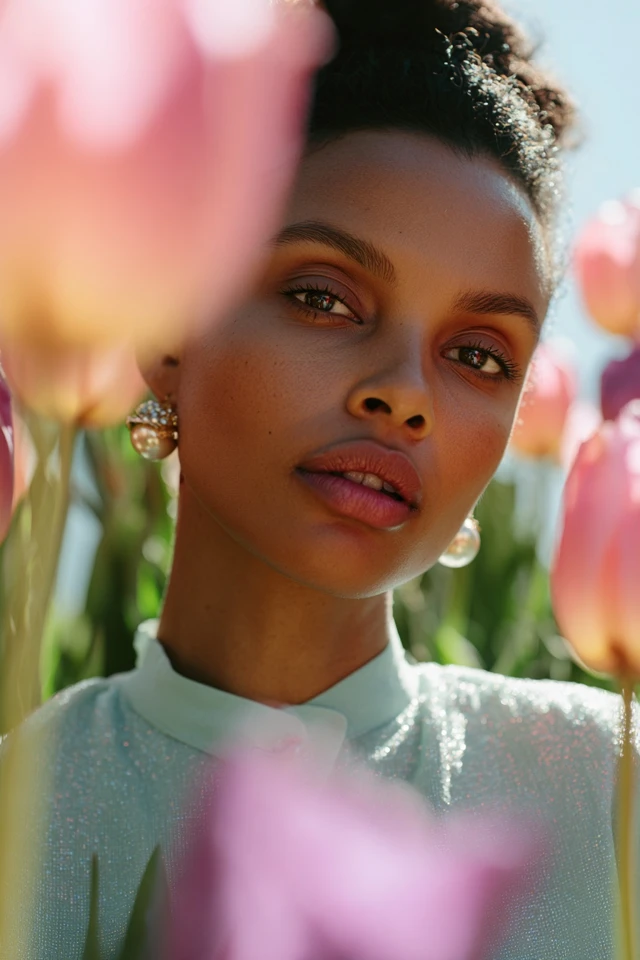
Casual summer outfits to repeat
These casual summer outfits use the capsule pieces above.
- White button-down, khaki shorts, flat sandals, straw hat. Roll the sleeves twice.
- Striped tee tucked into wide-leg linen trousers, with a thin belt.
- Belted linen dress, open chambray shirt over it, sneakers or sandals.
- Sleeveless top, open cardigan and a light scarf for breezy evenings.
For more everyday combinations, see casual outfit ideas and the cozy staples that handle cooler mornings.
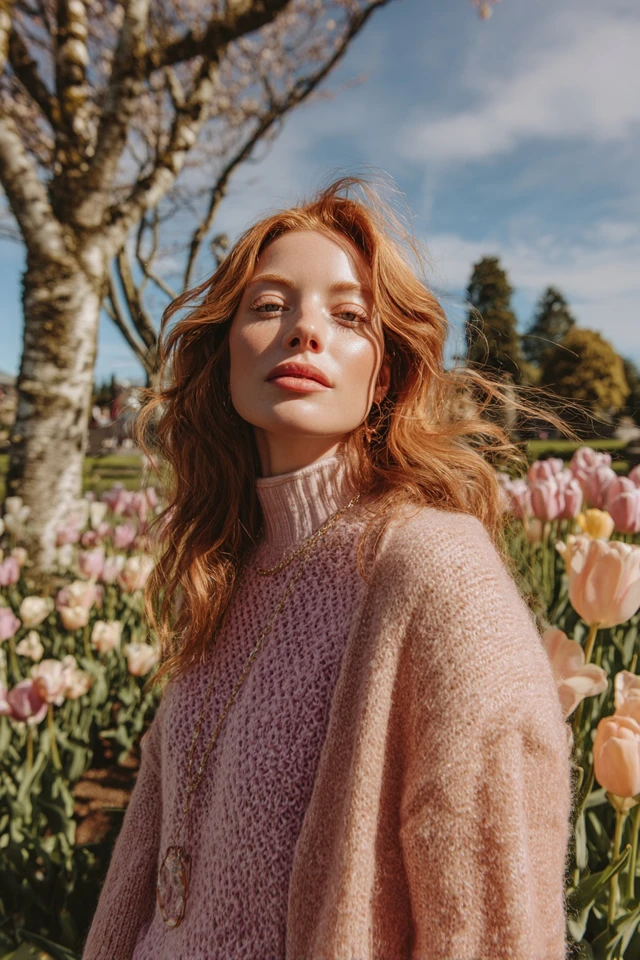
Fit by body shape: a few starting points
Body-shape advice is a starting point, not a rule. Use what helps and skip the rest.
- If you like waist definition, try a belted dress or a tucked top with relaxed trousers.
- If you prefer straight lines, layer a light cardigan or shirt over a top to add dimension.
- For a wider hip, high-rise wide-leg pants in a sand tone give a long, even line.
- For more comfort around the middle, flowing tunics and wrap styles in cotton or chambray move easily.
Quick fit checklist
- Can you lift your arms and sit without the fabric pulling?
- Is the fabric light enough for the hottest hour you will wear it?
- Do the colors work with at least three other pieces you own?
- Does one part of the outfit have shape, such as a waist, shoulder or hem?
Frequently asked questions
What is the 3-3-3 rule for clothing?
It is a simple capsule idea: pick three tops, three bottoms and three pairs of shoes that all mix together. The exact version varies, so treat it as a way to keep a small wardrobe flexible.
What should a 50 year old woman wear in the summer casual?
Breathable linen or cotton trousers, a well-fitted shirt or tee, and a relaxed dress cover most days. Choose comfortable fits and a palette you like, and age does not need to change the formula.
Should summer clothes be loose or fitted?
Loose cuts feel cooler, but they look best balanced with one defined element like a belt, tuck or fitted top. Aim for room to move without extra fabric everywhere.
Filed under Outfit Ideas