Slim Fit Knit Dresses for Timeless Elegance
- Words by
- Julio Arco
- Published
- Reading
- 4 min
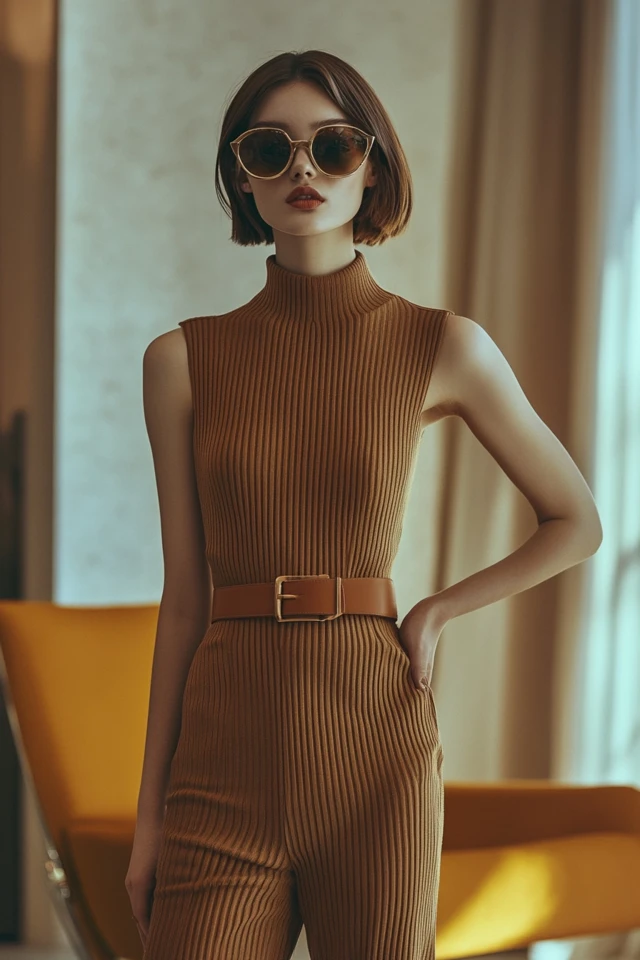
The easiest knit dress to wear almost everywhere is a slim-fit midi with long sleeves and a mock or full turtleneck, in a mid-weight knit with some stretch. It follows your shape without clinging, works with boots or heels, and layers under a blazer or coat.
Below: what makes a knit dress fit well, how length, sleeve and color change the look, and how to style one from office to evening.
What makes fitted knit dresses work?
Knit fabric stretches and recovers, so a dress can follow your body and still move with you. Ribbed, jersey and wool-blend knits are the common choices. That mix of give and shape is why a fitted knit dress can look polished without feeling restrictive.
A few things to look for:
- A silhouette that skims the body, with no pulling across the hips or bust.
- A fabric that springs back when you pinch and release it.
- A clean neckline, which keeps the dress easy to accessorize.
- Enough room to layer a thin top or tights underneath, if you plan to.
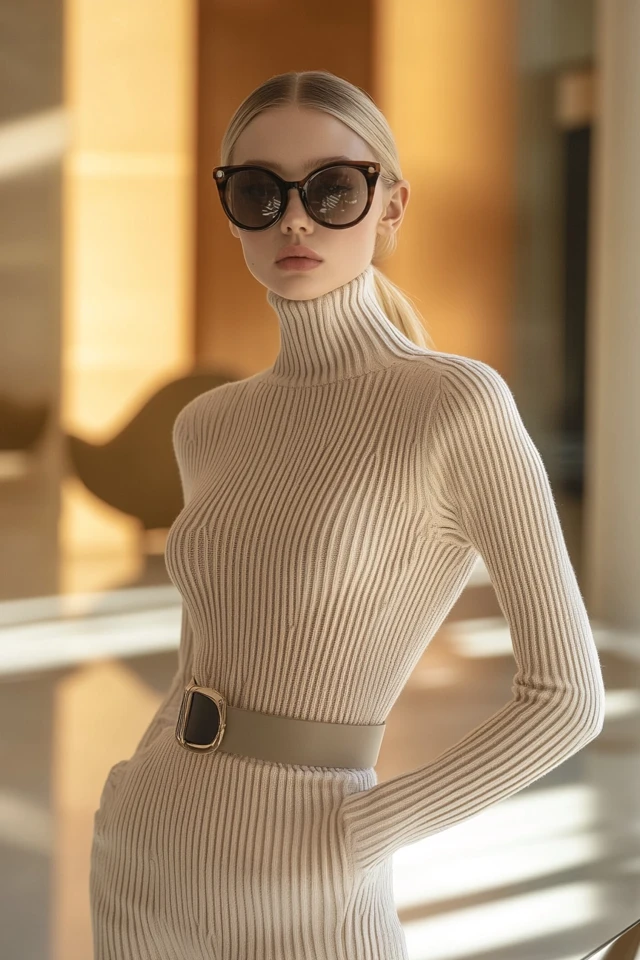

Which length and sleeve should you choose?
Mini and knee-length
Shorter hems suit casual days and pair well with tights and ankle boots. If you are petite, a knee-length hem keeps the line of the leg uninterrupted.
Midi with sleeves
A knit midi dress with sleeves is the most flexible length. It sits between casual and dressy, and it works with knee-high boots, loafers or heels. A thinner rib helps avoid extra bulk on a smaller frame.
Maxi
A long sleeve knit dress maxi gives a long, unbroken line, which is flattering on taller frames. Wear flat shoes or loafers for daytime, and check that the hem clears the floor in the shoes you plan to wear.
Sleeveless and short sleeve
Lightweight knits in short sleeves or sleeveless cuts are the easiest route to casual knit dresses for summer. They also layer under blazers in cooler offices.


What color should a knit dress be?
Black, gray, beige and navy are the easy choices for work and formal settings. Earthy shades such as camel, rust and olive feel warmer and suit autumn. Soft pastels read lighter and more relaxed, and strong colors like red or emerald draw attention at evening events.
Through the lens of evidence-based design, I'd look at texture before color. A ribbed knit and a smooth jersey in the same camel do not read as the same shade, because the surface changes how light reaches your eye. Ribbing also adds vertical lines, which gives a fitted dress more visual interest without any extra detail.
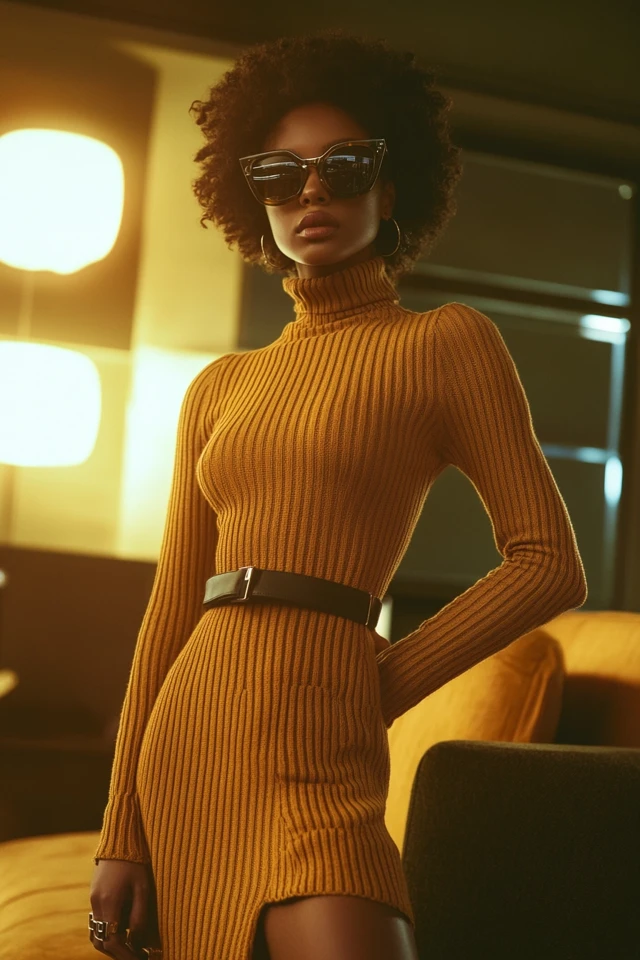
How to choose a knit dress for your frame
These are starting points, not rules. Fit at the shoulders and hips matters more than any label.
- Petite: midi or knee-length hems, thinner knits, and ankle boots or heels to extend the leg line.
- Curvy: ribbing or seams that define the waist, a slightly flared hem, and a belt or cropped jacket on top.
- Athletic: textured knits, draping or ruching to add softness and movement.
- Taller: maxi or ankle-length hems and long sleeves or a turtleneck for a long, sleek line.
If a dress pulls across the hips or rides up when you sit, that is a sizing or cut problem, not a you problem. Try the next size or a knit with more stretch.

How to style a knit dress
Start with the shoes and outer layer, since they change the mood the most.
- Office: add a tailored blazer or a slim-fit blazer, with loafers or pointed flats.
- Evening: swap boots for heels and add a statement necklace or a belt at the waist.
- Casual: white sneakers and a denim jacket, with a crossbody bag.
- Cold days: tights, knee-high boots and a longline coat or oversized cardigan to balance the fitted shape.
Proportion is the rule that holds the outfit together. When the dress is close to the body, let the outer layer be longer or looser. As an architect trained in evidence-based design, I'd treat the neckline and the hemline as the two places the eye lands first, so keep accessories away from competing with them.
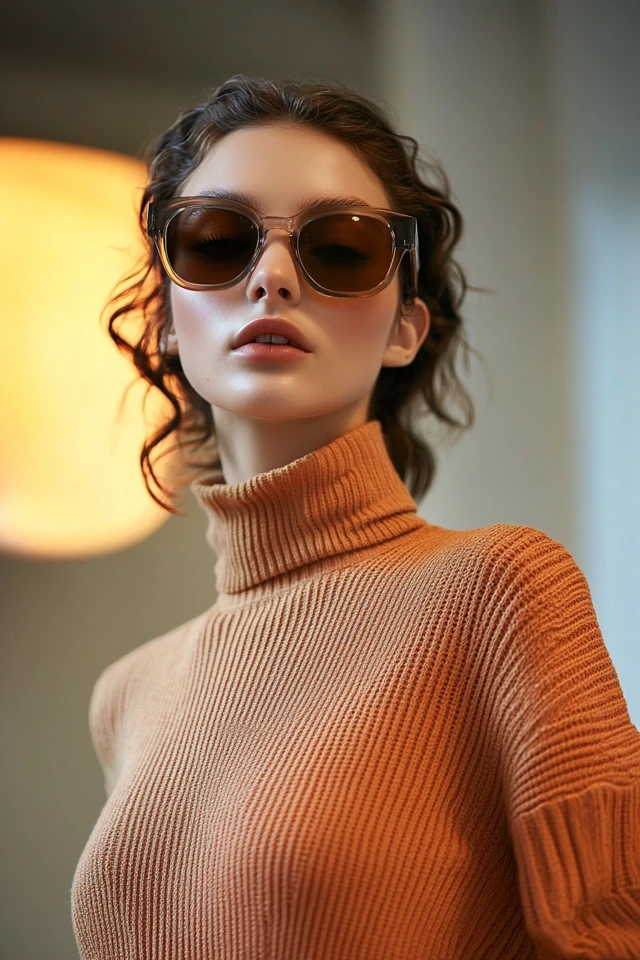
Winter knit dresses: what to wear underneath
Knit dresses are an easy winter piece, but warmth depends on what sits against your skin. Texas A&M's Howdy Health advises that the layer closest to your skin should be moisture wicking, and that you should avoid cotton because it absorbs moisture. That advice is written for cold-weather exercise, but it is a useful reference if you are outside for long stretches in a thin dress.
For heavier looks, see chunky knit dresses for winter, or the wool and cashmere combinations for a softer hand-feel. A slim sweater dress is a close relative if you want something thicker.
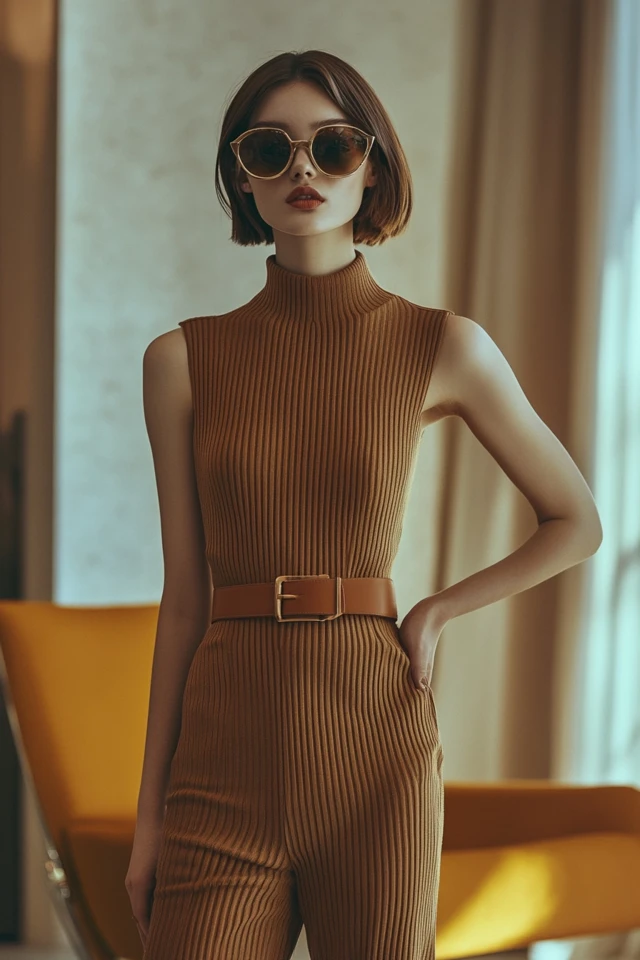
How to care for a knit dress
- Follow the care label. Many knits need hand washing or a gentle cycle.
- Dry flat so the fabric does not stretch.
- Store folded rather than on a hanger, which can pull the shoulders out of shape.
- Remove pilling with a fabric shaver, going lightly.
Frequently asked questions
Are knit dresses flattering on all body types?
Often yes, because the stretch adapts to different shapes. Pick the length and neckline that suit your proportions and check that the fabric does not pull at the hips or bust.
Can you wear a knit dress in summer?
Yes. Choose a lightweight knit in a sleeveless or short-sleeve cut and pair it with sandals or sneakers.
How do you stop a knit dress from stretching out?
Wash it as the care label says, dry it flat and store it folded instead of hanging it for long periods.
How do you dress up a knit dress for a formal event?
Choose a neutral or deep color, add heels, a structured blazer or coat, and one piece of statement jewelry.
Filed under Style & Fit