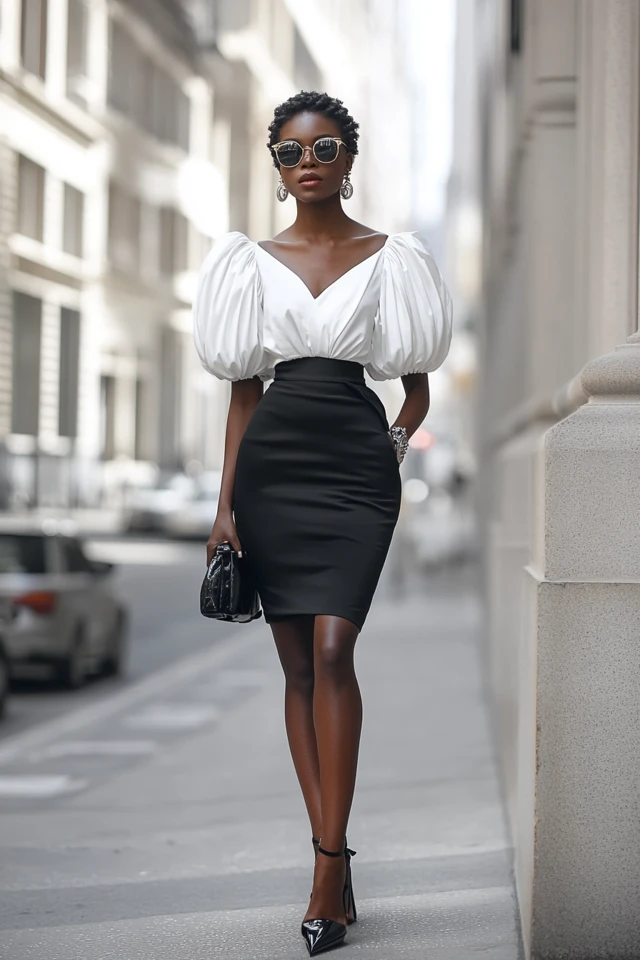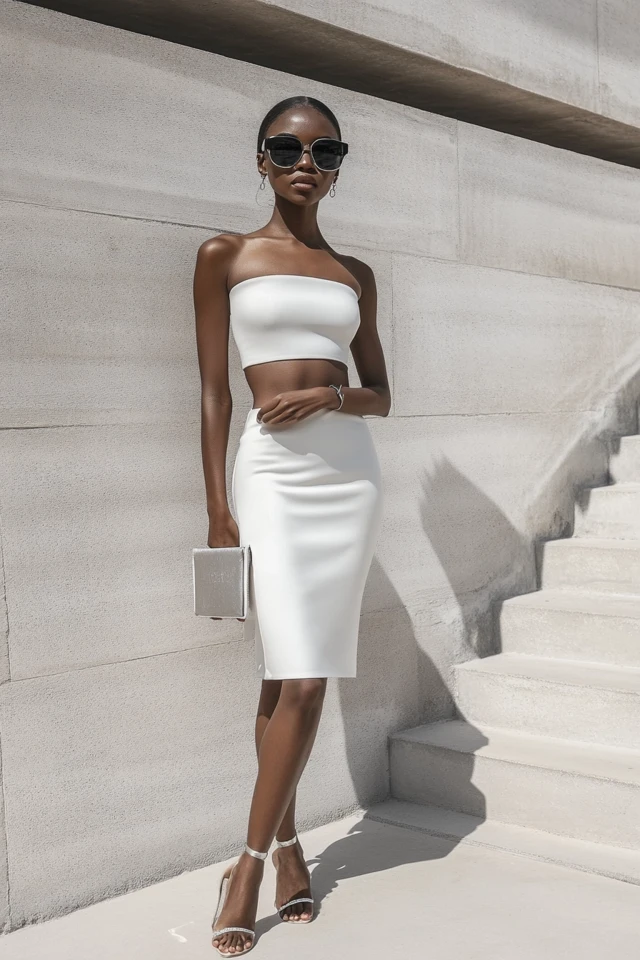
Sleek Bandeau Dresses for Minimalist Chic
- Words by
- Julio Arco
- Published
- Reading
- 5 min
A sheath dress skims the body and falls straight from shoulder to hem, usually with some ease through the waist. A pencil dress is the closer, narrower cousin: it hugs the hips and tapers toward the knee, like a pencil skirt with a bodice attached. Both are clean, minimal shapes, and both work well when the fit is right.
Below: how the two cuts differ, who they flatter, how to choose a length, and how to dress them for the office, a wedding or a night out.
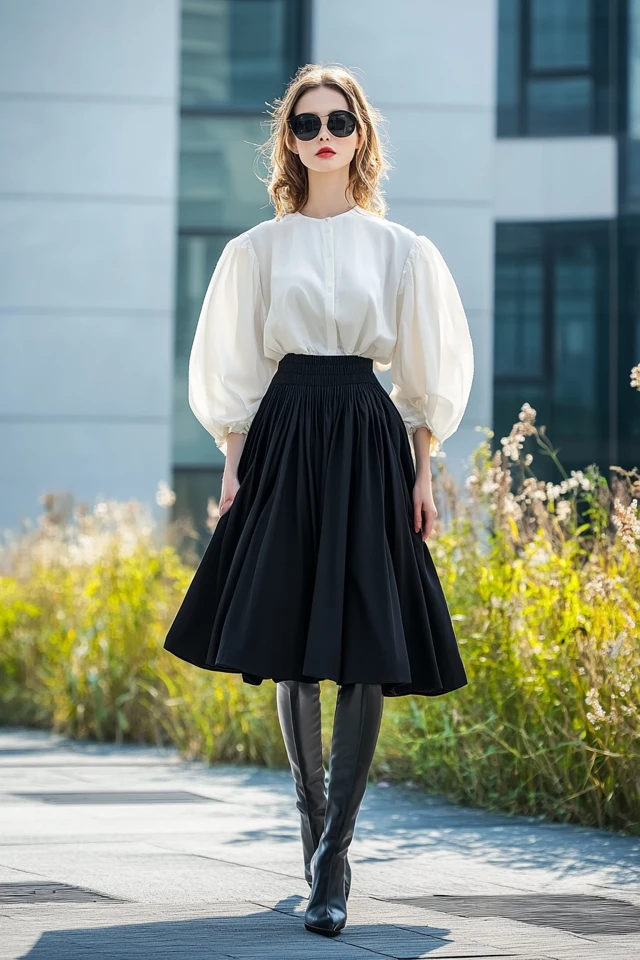
What is the difference between a sheath and a pencil dress?
The difference between a sheath and pencil dress is mostly in the hip and hem. A sheath follows the body lightly and falls fairly straight, so you can walk and sit without thinking about it. A pencil dress is fitted through the hips and narrows toward the hem, so it shapes the body more and moves less freely.
Brands use the terms loosely, and many dresses sit between the two. Judge by the cut, not the label: if the hem is noticeably narrower than your hips, it behaves like a pencil dress. Check that you can take a full stride and sit down comfortably before you commit.
If you want more on the sheath alone, I cover it in sleek sheath dresses for modern elegance and sheath dresses, sleek and sophisticated.
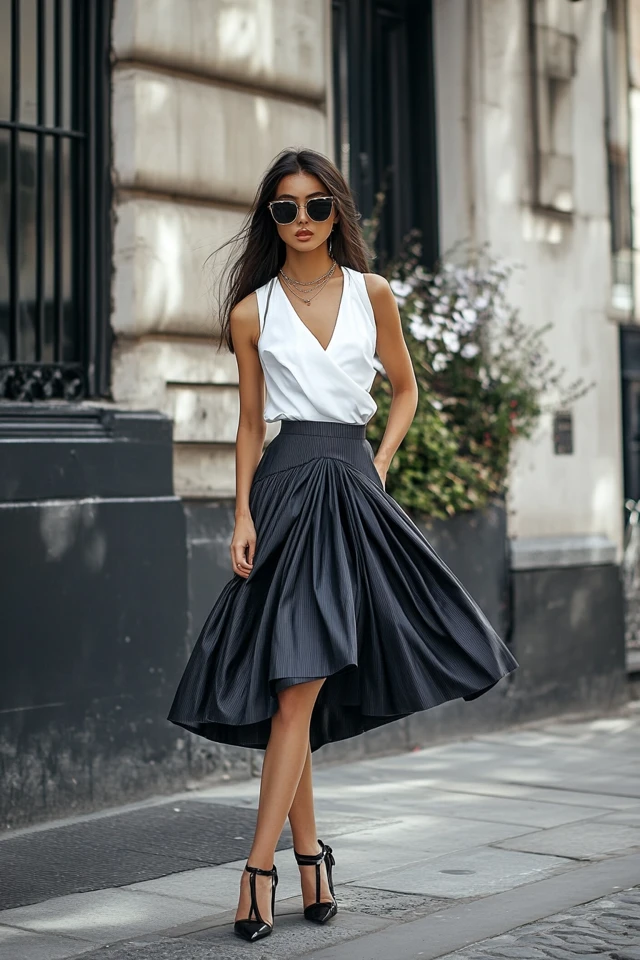
What body type looks good in a sheath dress?
Most shapes can wear one, because the answer depends on fit more than figure. A jacket or dress that pulls at the shoulders is a fit problem, not a you problem. Start with the shoulder seam and the widest part of your hips, and buy for those. The waist and hem are easy to tailor.
- Straighter or athletic builds: a belt or a seamed waist adds shape.
- Fuller hips or bust: look for fabric with some structure and a little stretch, so it skims instead of clinging.
- Petite frames: keep the hem near the knee and avoid heavy patterns that break up the line.
- Tall frames: a midi or a slightly longer hem keeps the proportions balanced.
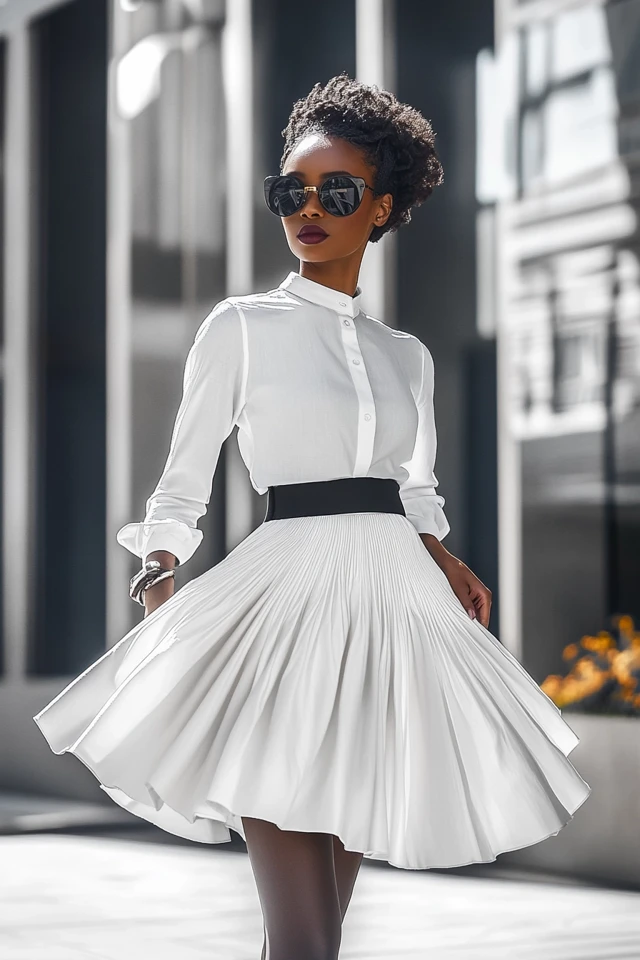
Choosing a length: knee, midi or maxi
Midi sheath and pencil dresses
Midi is the easiest length to wear. The hem lands around mid-calf, which suits offices, cocktail events and daytime weddings. Pointed-toe pumps or a sleek loafer show a little ankle and keep the line long.
Maxi sheath and pencil dresses
A maxi in a slim cut reads formal. It works for evening weddings and galas, and a back or side slit gives you room to walk. Wear a heel or a flat with a slim sole so the hem does not drag.
Knee length
The classic pencil length. It is the most practical for work, since it moves well and needs the least styling.
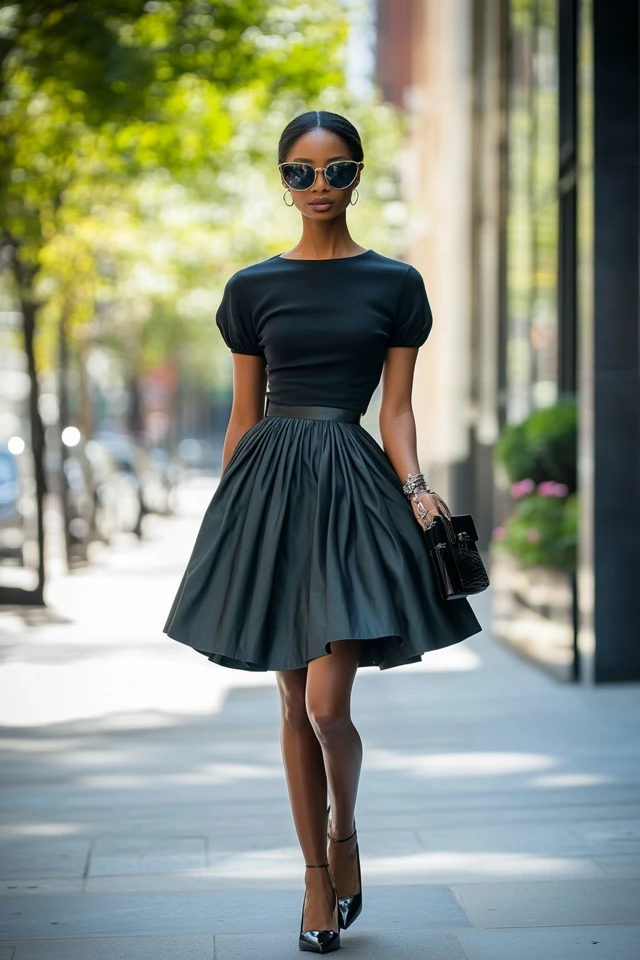
Pencil dresses for work
For pencil dresses for work, pick a fabric with body: crepe, ponte or a medium-weight wool blend holds its shape through a day of sitting. Thin jersey tends to show every seam. Neutral colors such as navy, charcoal, black or camel are easy to repeat with different layers.
Add a tailored blazer and loafers or low pumps, and keep jewelry small. A structured bag finishes the look. If the dress is sleeveless, carry the blazer for cold offices and meetings.
Belted and structured styles
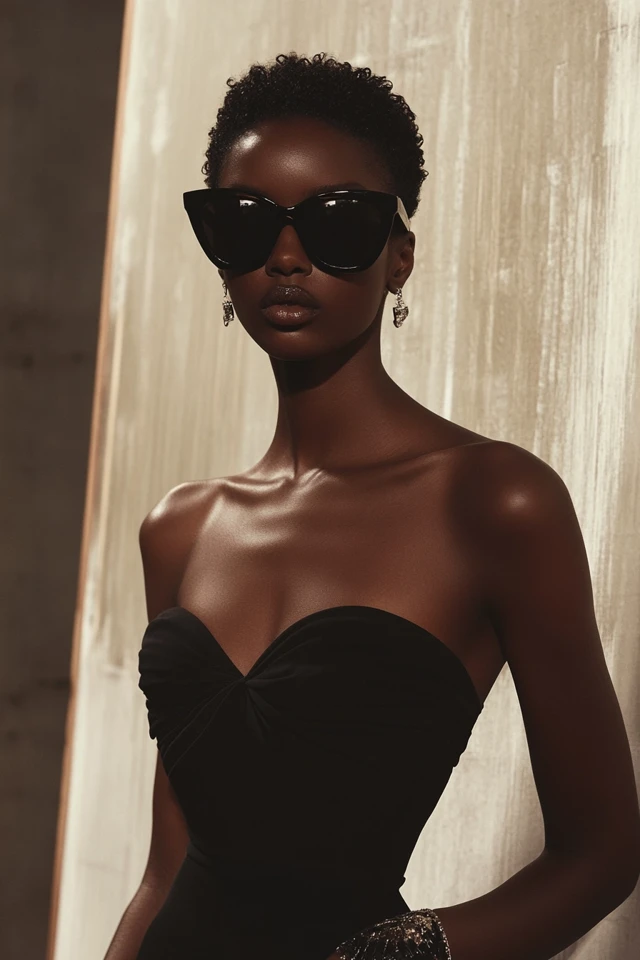
A pencil dress with belt gives the waist a clear mark, which helps straighter shapes and balances a fitted skirt. A thin belt reads sharper at work, while a wider one feels more evening. Match the belt to your shoes or bag, or to the dress itself for a longer, quieter line.
Through the lens of evidence-based design, I'd treat the neckline as the first thing the eye reads, and the belt as the second. Keep one of them simple so the outfit does not compete with itself.
Sleeves, necklines and fabric
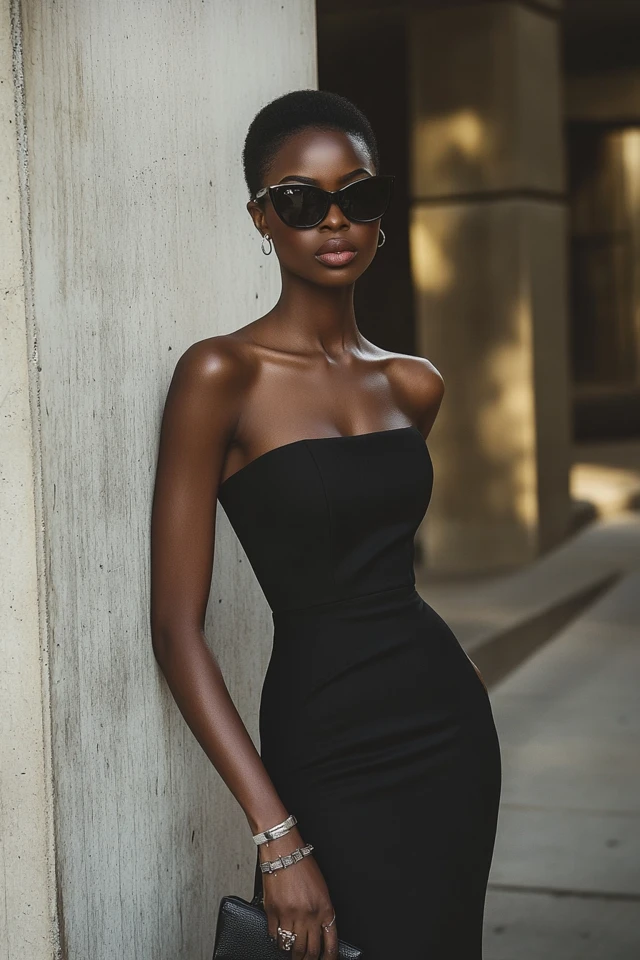
Necklines change the mood fast. A boat neck or square neck looks calm and architectural, a V-neck lengthens, and a high neck suits a polished daytime look. Cap sleeves and three-quarter sleeves are practical for layering.
Texture matters as much as color. A matte crepe and a glossy satin in the same black do not read the same, because the surface changes how light reaches your eye. Matte fabrics look quieter and more workwear. Satin looks dressier and shows every ridge, so choose lining or a smooth underlayer.
- Crepe, ponte and scuba: structure and a smooth line.
- Satin: evening, with less forgiving fit.
- Knit: comfort, but check that it does not cling.
Sheath and pencil dresses for weddings and events
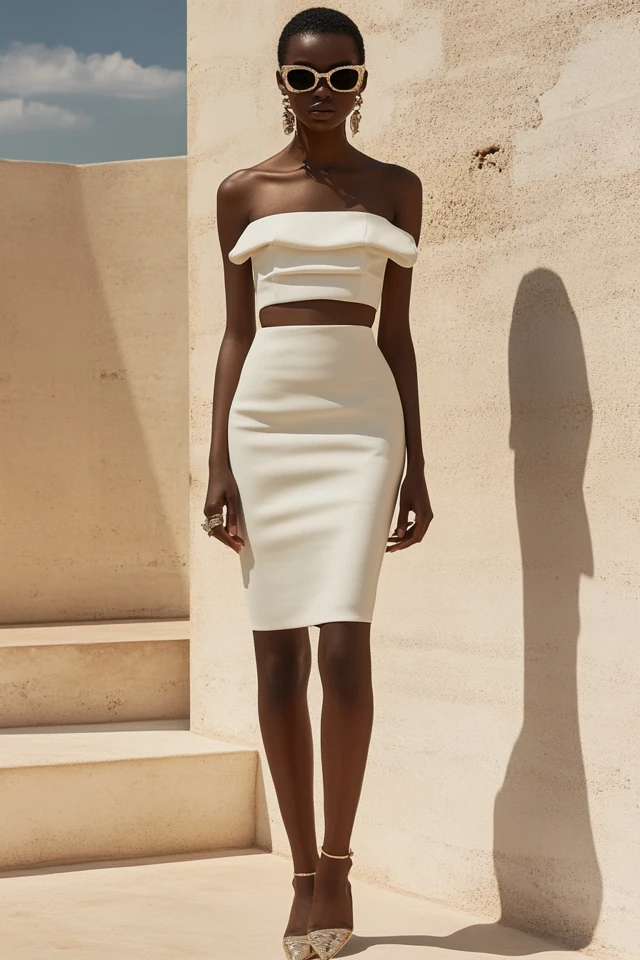
For pencil dresses for weddings, and for sheath and pencil dresses as wedding guest outfits, go by the dress code and the time of day. Daytime or garden weddings suit softer colors, midi lengths and a light wrap. Evening events call for deeper tones, a maxi or satin finish, and heels or dressy flats.
Avoid white, ivory and anything close to a bridal tone. For more party ideas, see sleek cocktail party outfits and this teal and white party dress pairing. A small sling bag keeps the silhouette clean.
How to get the fit right
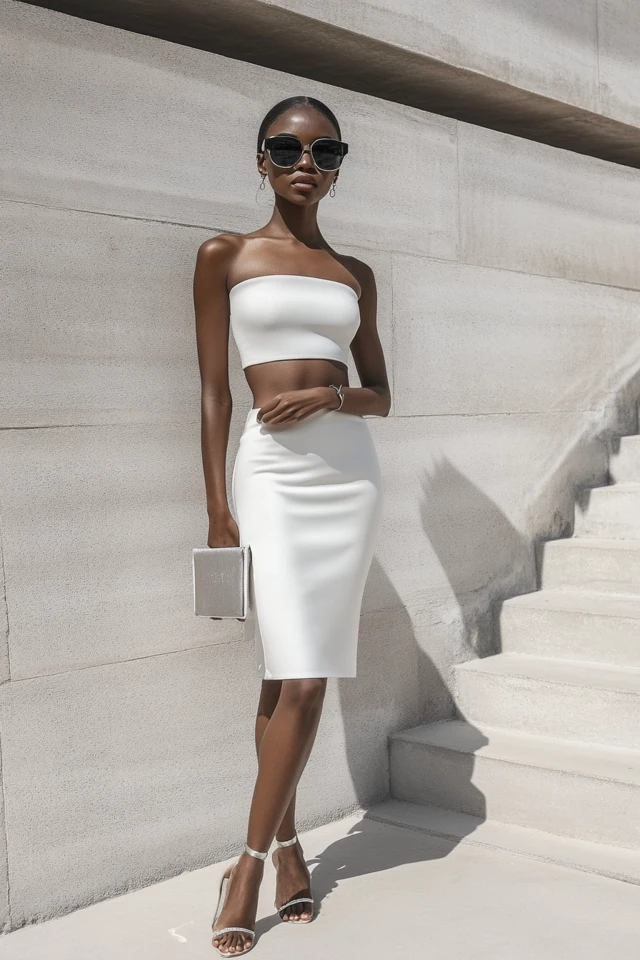
- Check the shoulders and bust first. These are hard to alter.
- Sit down, walk a full stride and raise your arms. The dress should move with you.
- Look at the hem. If it pulls or rides up, size up and taper the waist.
- Use a seamstress for the hem and waist if needed, since a small adjustment changes the whole line.
Frequently asked questions
What is the difference between a sheath dress and a pencil dress?
A sheath falls fairly straight and skims the body, while a pencil dress is fitted through the hips and narrows toward the hem. Labels overlap, so check the cut at the hip and hem.
What body type looks good in a sheath dress?
Most body types can wear one if the shoulders and hips fit well. Structured fabric, a belt or a seamed waist can adjust the shape to your proportions.
Do pencil dresses exist?
Yes. A pencil dress is a fitted, narrow-hem dress that echoes a pencil skirt. It is often sold as a sheath or bodycon style, so look at the shape instead of the name.
Are sheath dresses in style?
Sheath dresses are a long-standing classic because the silhouette is simple and easy to dress up or down. Fabric, sleeve and neckline details are what make one feel current.
Filed under Style & Fit