Short Textured Layered Haircuts: Ideas for Volume
- Words by
- Julio Arco
- Published
- Reading
- 4 min
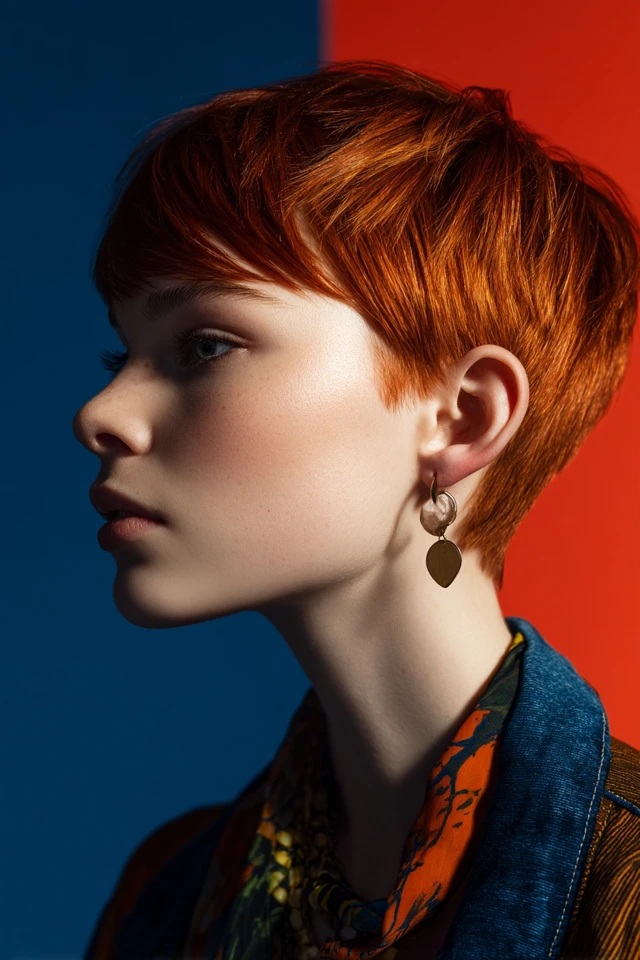
Short textured layered haircuts get their volume from shorter pieces cut over longer ones, so the hair lifts at the crown instead of lying flat. Pick the cut by your hair type: a choppy pixie or a bob with internal layers for fine hair, a bob with removed weight for thick hair, and a razored or point-cut shape for straight hair.
Below: how textured and layered cuts differ, which shapes suit which hair, how fringe changes the look, and how to keep it all easy to style.
What is the difference between a textured and a layered haircut?
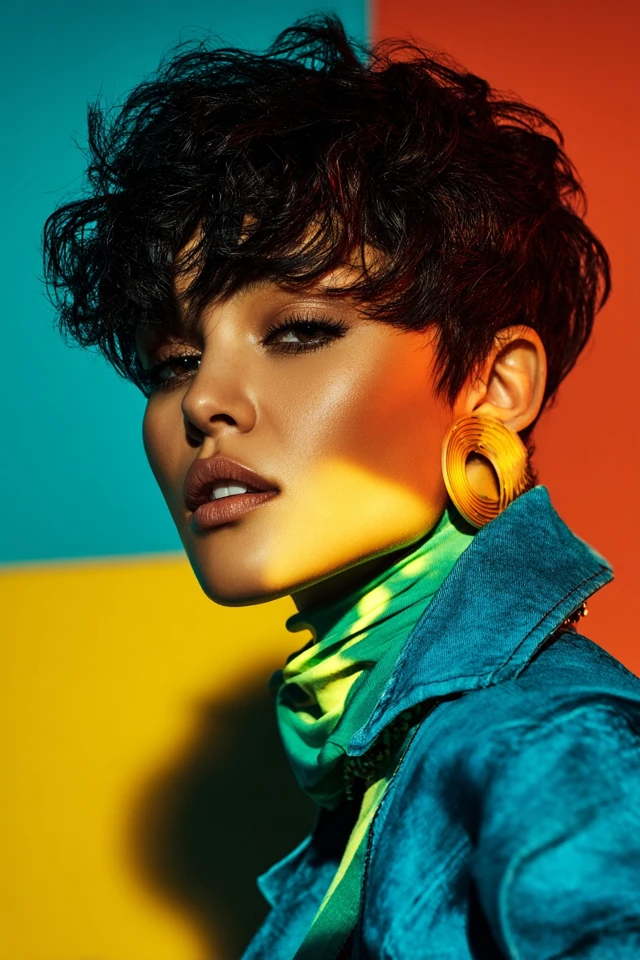
Layering is about length: the hair is cut in steps, so some sections are shorter than others. Texturizing is about the ends and the interior of each section. The stylist uses point cutting, razoring or thinning shears so the edges look broken up and soft instead of blunt.
The difference between textured and layered haircut shows up in the finish. A layered cut can still have clean, sharp ends. A textured cut can be one length overall and still look piecey. Most short cuts you see in photos use both, which is why the two words get swapped so often.
Which short textured cut suits your hair?
Fine hair
Fine hair holds volume best with a short, tight shape. A textured pixie or a chin-length bob with light layering keeps the ends from looking thin. Heavy, deep layers can leave fine hair wispy, so ask for them to be kept subtle.
Thick hair
A textured bob for thick hair usually has weight removed from inside the length, so it does not puff out into a triangle. Longer layers around the crown and nape keep the shape sitting close to the head.
Straight hair
Straight hair shows every line, so the cut does the work. Point-cut ends and a few visible layers give it movement. A blunt perimeter with soft layers above reads as polished, while a razored edge reads as relaxed.
Wavy and curly hair
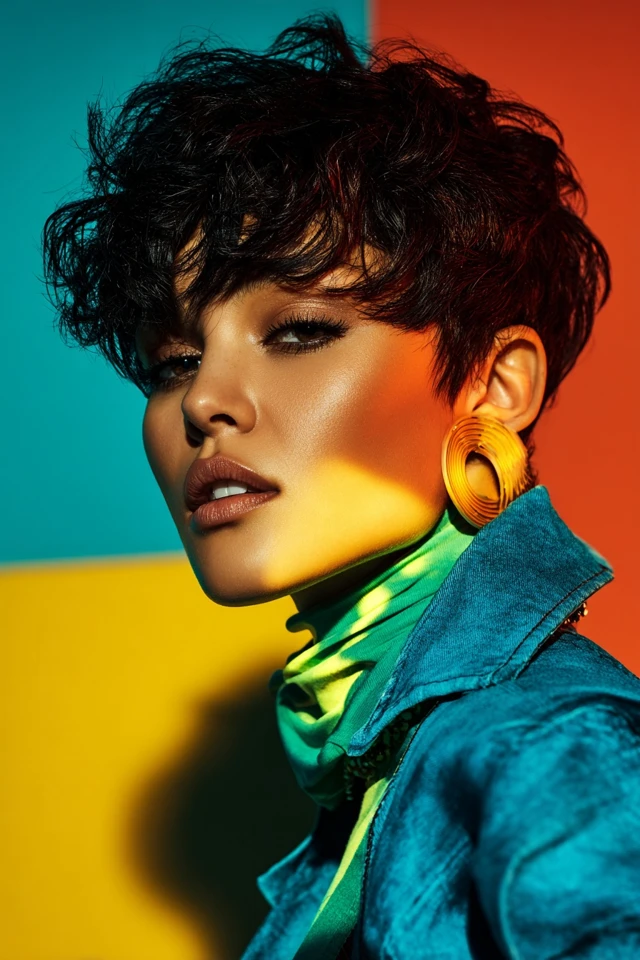
Curls already create texture, so layers are mainly about shape. Shorter layers on top add lift, and a stylist who cuts curls dry can show you how each curl will sit. For more length to play with, see the shoulder-length textured haircut.
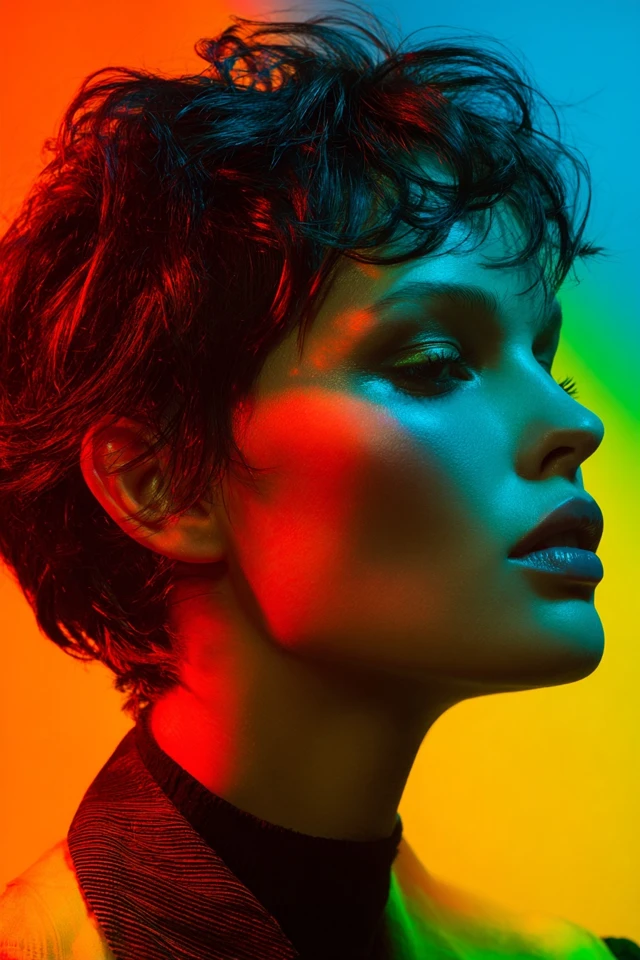
Choppy layers for short hair: pixies, bobs and shags
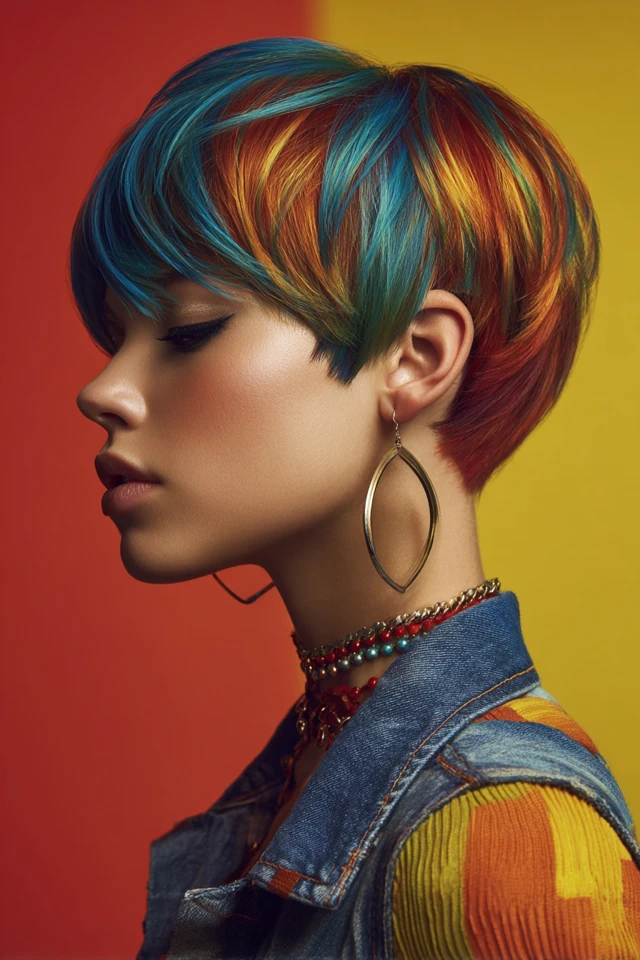
Choppy layers for short hair are cut with visible steps and uneven ends, so the finish looks lived-in. Three shapes carry this well.
- Textured pixie: short sides and nape, longer top that you can push up or sideways.
- Choppy bob: chin to jaw length, with layers cut into the crown so it moves.
- Short shag: layers throughout, with the shortest ones around the crown and face.
If you like a bob shape with more lift at the back, the inverted bob is a close relative.
Should you add a fringe?
Short textured layered haircuts with fringe work best when the bangs are cut with the same broken-up edge as the rest. Wispy, see-through bangs soften a strong jaw. Side-swept bangs blend into the layers and grow out with less fuss. Blunt, heavy bangs on a textured cut look sharper and need more frequent trims.
Through the lens of evidence-based design, I'd treat the fringe as the first thing the eye reads on your face. A soft, feathered edge looks gentler than a straight line, so choose it according to the impression you want.
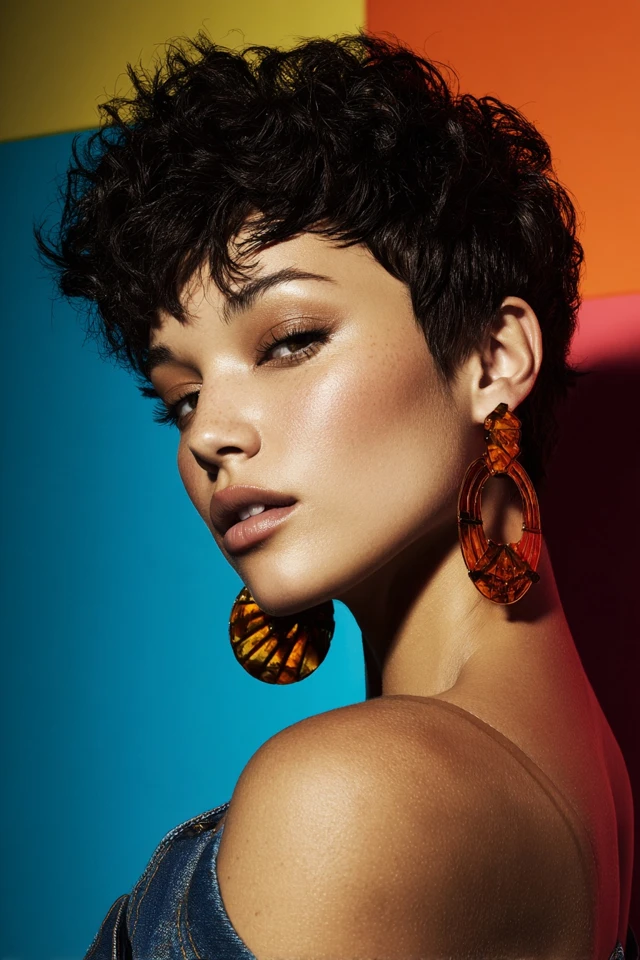
How to style a short textured cut for volume
- Start with towel-dried hair and work a light mousse or volumizing spray through the roots.
- Blow-dry with your fingers, lifting the hair at the crown and drying the roots first.
- Rub a small amount of paste, cream or wax between your palms and twist the ends for definition.
- Finish with a texturizing spray if you want a rougher, more tousled look.
Use less product than you think you need, since heavy styling weighs short hair down.
Low-maintenance tips
Low maintenance short layered haircuts depend mostly on a good cut. When the layers follow your natural growth pattern, you can air-dry and still get shape. Short hair does show growth quickly, so plan on a trim every 6 to 8 weeks to keep the outline. That is my usual recommendation, and your stylist may suggest a different schedule for your hair.
Care matters as much as cutting. The American Academy of Dermatology says flat irons should be used on dry hair on a low or medium heat setting, no more often than every other day. It also advises using a wide-tooth comb instead of a brush to detangle wet hair, because wet hair is delicate.
For quick-dry options, the short wash-and-go haircut shows how little effort some shapes need, and the short sliced ends haircut is another way to get texture at the tips.
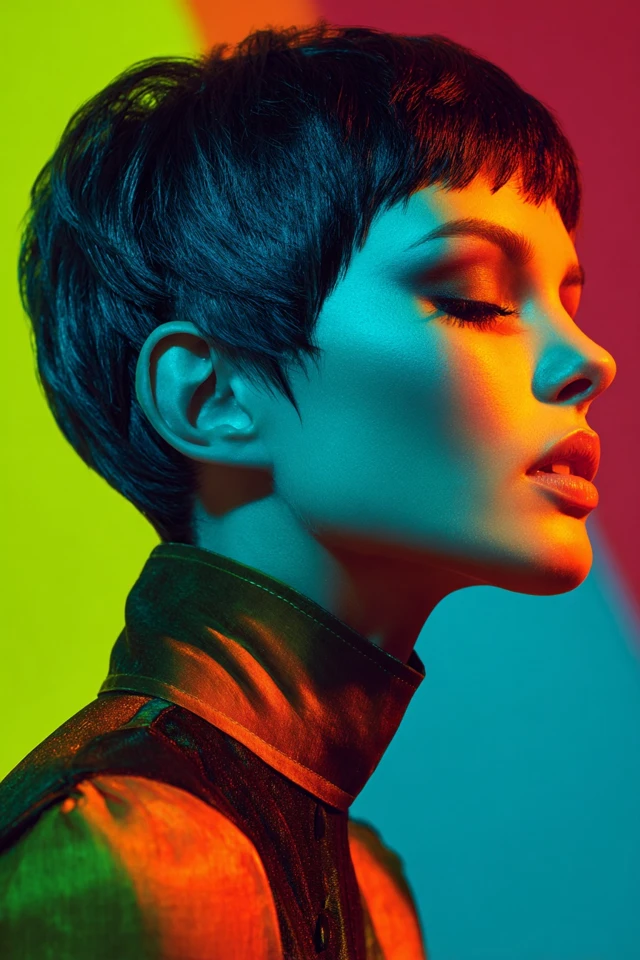
Pair the cut with what you wear
Texture reads differently next to different fabrics. A choppy cut looks crisp next to a structured blazer, and softer against a fluid blouse. Both work, so choose based on whether you want the hair or the outfit to lead. Earrings and necklines are more visible with short hair, so a bold pair of earrings has more impact than it would with longer styles.
Frequently asked questions
What's the difference between a textured haircut and a layered haircut?
A layered cut varies the length of the hair in steps, while a textured cut breaks up the ends so they look soft and uneven. Many short cuts combine both.
What is a textured haircut for female short hair?
It is a short cut, such as a pixie or bob, where the ends are point-cut, razored or chopped into so the hair looks piecey and has movement instead of a blunt edge.
What are some trendy short, layered haircuts?
Popular choices include the textured pixie, choppy bob, short shag and layered bob with wispy bangs. Trends shift, so choose the shape that suits your hair type and daily routine.
How often should I trim a short textured cut?
Many people book a trim about every 6 to 8 weeks to keep the shape clean. Your stylist can adjust that for how fast your hair grows.
Filed under Haircuts