Romantic Fall Style Guide
- Words by
- Julio Arco
- Published
- Reading
- 4 min
The simplest rule for fall outfits by body type: use layers, coat length and fabric weight to balance the area you want the eye to skip, and add softness or structure where you want it to land. Body shapes are a loose guide, not a verdict. If a piece feels good and the shoulders and waist sit right, it works.
Below you will find ideas for five common shapes, plus coats, boots and layering notes. Everything here is about proportion and how fabric reads, so mix and match freely. This is fall fashion for every body type, with a soft, romantic leaning.
How do you work out your shape?
Compare your shoulders, waist and hips in a mirror. If shoulders and hips are about equal with a clearly narrower waist, that is an hourglass. Wider hips than shoulders is a pear. Shoulders wider than hips is an inverted triangle. Little difference between all three is a rectangle, and more weight carried around the middle is an apple.
Most people sit between two shapes. Pick the advice that feels useful and ignore the rest.
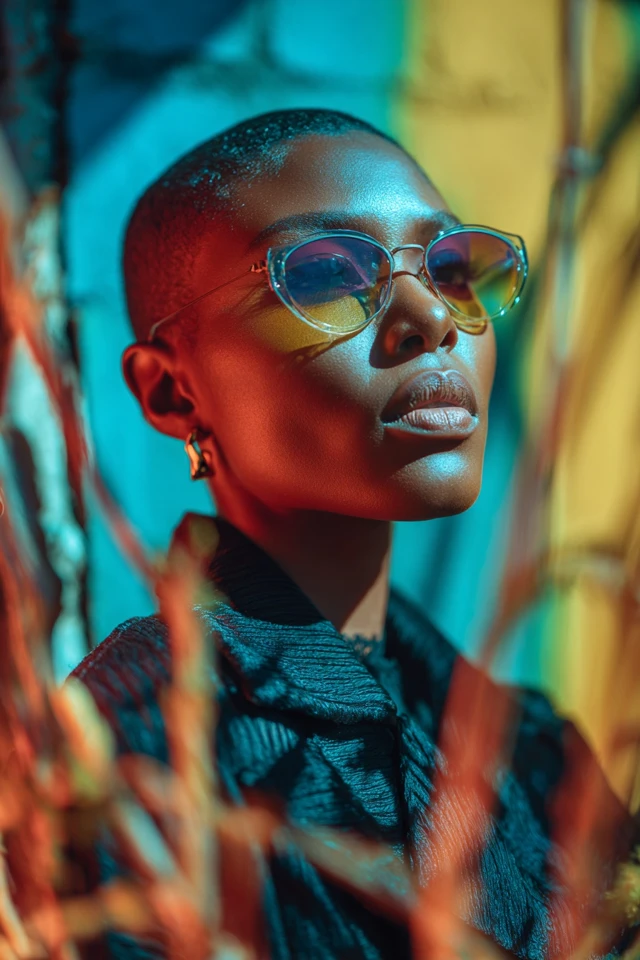
Hourglass: follow the waist
For autumn style for an hourglass figure, the waist is your anchor. A wrap dress in a soft knit, a belted coat or a fitted cardigan buttoned at the middle all keep that line visible.
- Choose fit-and-flare or wrap silhouettes over boxy cuts, which hide the waist.
- Pick fabrics that drape, like fine knits and crepe, rather than stiff ones that stand away from the body.
- Tuck in sweaters or wear a slim belt over a longer knit.
Pear: add presence on top
For fall outfits for a pear shape, the idea is to give the upper body a little more interest so the proportions even out. Puff sleeves, a ruffled blouse, a boat neckline or a scarf in a lighter color all draw the eye up.
Below the waist, A-line skirts and straight or wide-leg trousers skim the hips without clinging. Darker, matte fabrics on the bottom half and lighter or textured ones on top is an easy formula. Through the lens of evidence-based design, I'd lean on this contrast because the eye goes first to brighter, busier surfaces.
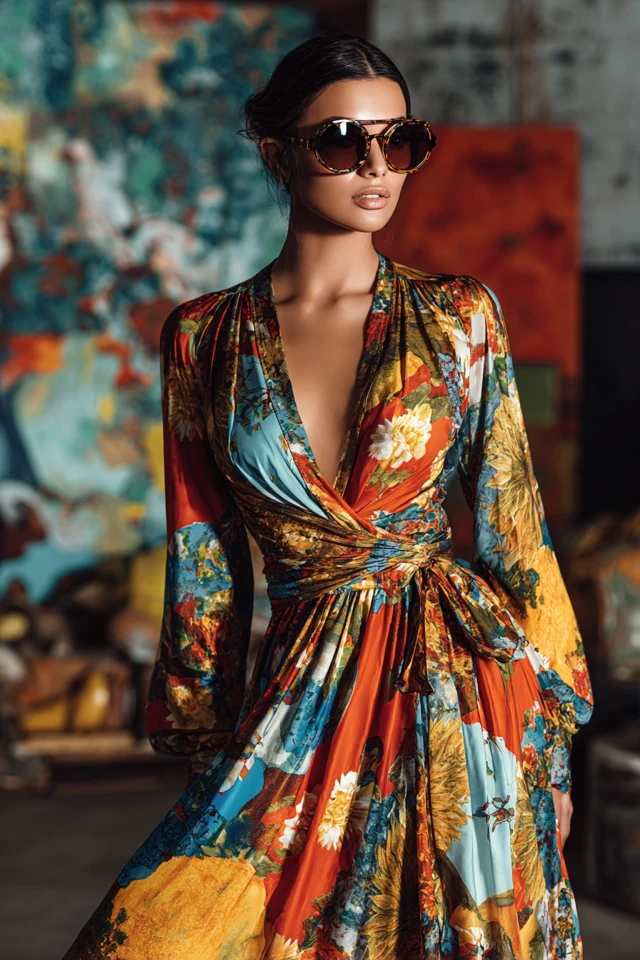
Apple: define without squeezing
Empire waistlines, V-necks and draped tops create a vertical line and leave room around the middle. A long open cardigan or a structured, unbelted coat adds that line without pressure on the waist.
Show off what you like: legs in a midi skirt with boots, or arms in a three-quarter sleeve. Soft, fluid fabrics tend to sit better than thick, bulky knits across the torso.
Rectangle: build curves with layers
For fall outfits for a rectangle body shape, layering does the work. A peplum jacket, a ruched top, a belted trench or a chunky scarf adds shape at the waist or shoulders.
- Belt a longer knit or coat to mark the waist.
- Try tiered or pleated skirts for movement at the hip.
- Mix textures, such as a ribbed knit under a velvet jacket, to add dimension.
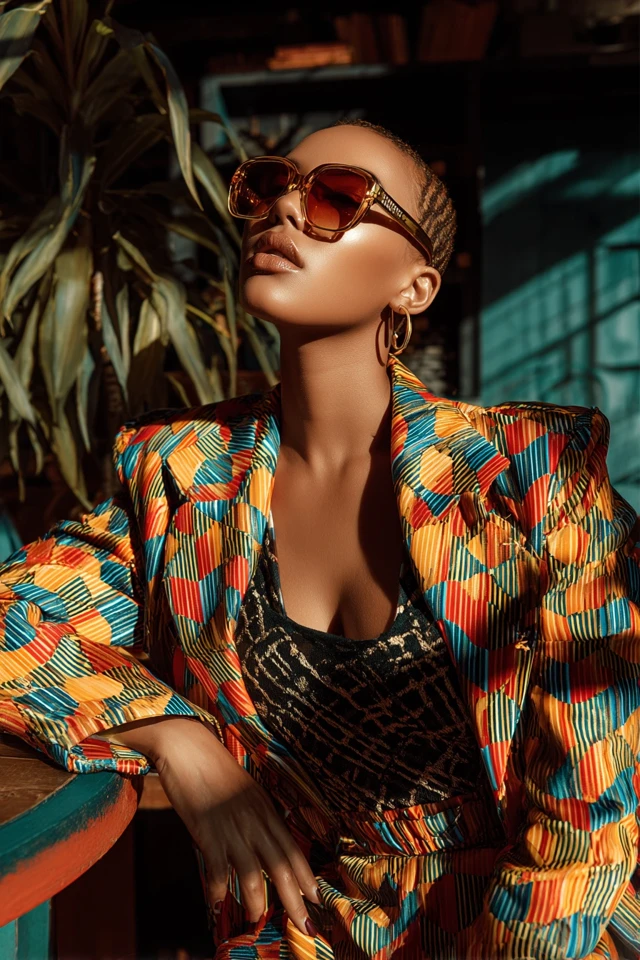
Inverted triangle: soften the shoulders
If your shoulders are the widest point, keep the top simple and let the lower half carry the detail. V-necks and scoop necks, raglan or dropped-shoulder sleeves and soft knits reduce the shoulder line. Full skirts, pleats, wide-leg trousers and patterned or lighter-colored bottoms add volume below.
Avoid heavy shoulder pads and stiff, structured collars if you want to soften the top.
What are the best coats and boots by body type?
Coat length changes proportion more than almost anything else. These are starting points, not rules:
| Shape | Coat | Boots |
|---|---|---|
| Hourglass | Belted wrap or fitted trench | Knee-high or ankle with a small heel |
| Pear | Structured shoulder, hem at or below the hip | Ankle boots with a slim shaft |
| Apple | Open, longer line, unbelted | Knee-high or block-heel ankle boots |
| Rectangle | Belted or double-breasted | Chunky or heeled, either height |
| Inverted triangle | Soft shoulders, A-line or swing shape | Chunkier boots to balance the top |
Knee-high boots fit best when the shaft hugs your calf, so check the calf measurement before buying. Where a tall boot ends changes how the leg is cut, so a hem that overlaps the boot top often looks smoother.
Layering tips that flatter any shape
Start thin and fitted close to the body, then add looser, heavier layers over it. A lace camisole under a soft knit, with a tailored coat on top, gives you warmth without bulk.
Texture also changes how color reads. A matte wool and a velvet in the same burgundy look like two different shades, because the surface changes how light reaches your eye. As an architect trained in evidence-based design, I'd put the softer, matte texture nearest the area you prefer to play down.
For palette ideas, see the fall romantic color palette. For pieces that repeat across outfits, the romantic fall capsule wardrobe and the fall wardrobe basics are good places to start, and a scarf or belt from the accessory trends list can finish a look.
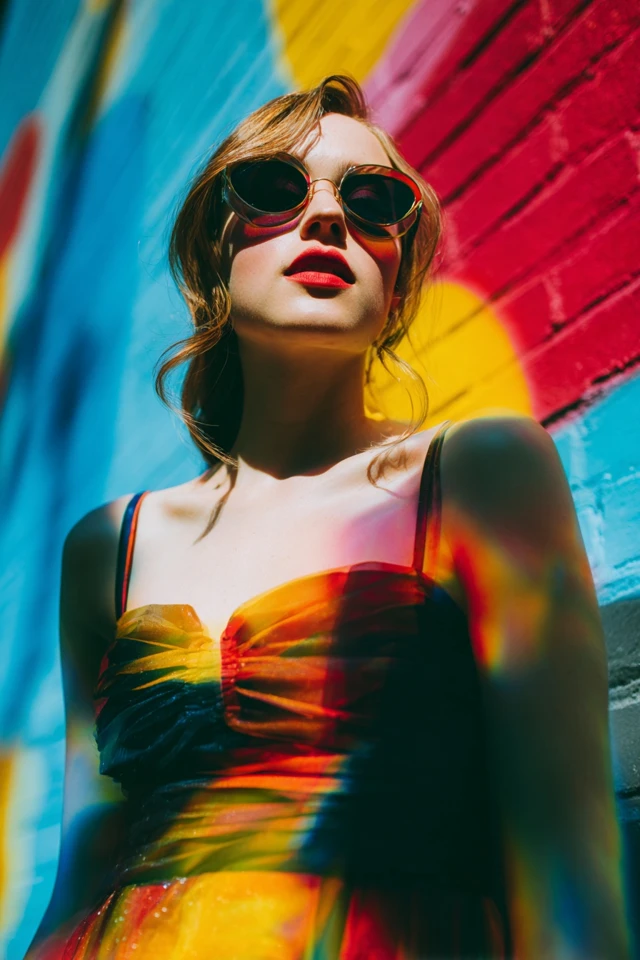
Whatever your shape, check the fit at the shoulder seam first. A coat that pulls across the back is a sizing problem, not a body problem, and a tailor can often fix sleeve length and hem.
Frequently asked questions
What is the 3-3-3 rule for outfits?
It usually means building a small wardrobe from three tops, three bottoms and three pairs of shoes that all mix together. Versions vary, so treat it as a shortcut for a capsule wardrobe rather than a fixed rule.
What is the hardest body type to style?
None is harder than another. Each shape just needs different proportion tricks, and fit matters more than shape.
Do these fall outfit ideas work for men?
The proportion logic is the same: balance shoulders, waist and hips with coat length and layers. Structured jackets and straight trousers suit most shapes.
Which fall fabrics are easiest to wear?
Fine knits, crepe and soft wool drape without clinging. Stiff or very bulky fabrics add volume, so place them where you want it.
Filed under Outfit Ideas