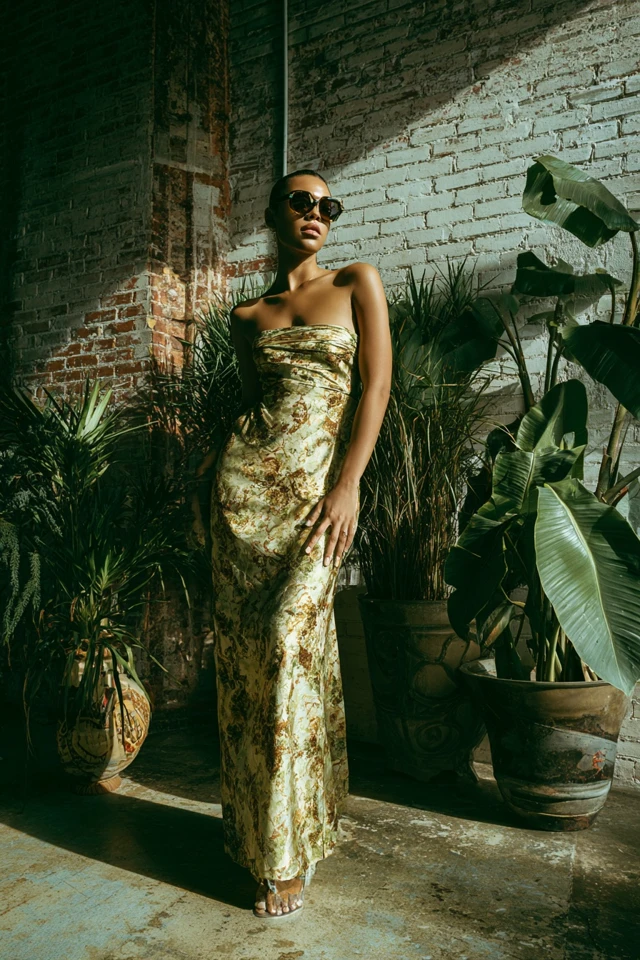
Retro Summer Slip Dresses
- Words by
- Julio Arco
- Published
- Reading
- 4 min
A slip dress works in every season if you change what goes over it and under it. In summer, wear it alone with flat sandals. In fall and winter, add a fitted knit or a tee underneath and a jacket or coat on top.
The simple cut, thin straps and slightly fluid fabric make it a good base layer for the whole closet. Below: fabric by season, layering, lengths, fit by body shape and day-to-night swaps.

Which fabric suits which season?
Fabric decides comfort more than the silhouette does. Satin and charmeuse drape well and catch light, which is why they read as dressy. Silk and viscose blends breathe better in heat. Matte crepe looks quieter and tends to hide less-than-perfect pressing.
Through the lens of evidence-based design, I'd pick matte fabrics for daytime and glossy ones for evening, because a shiny surface throws light back at the eye and draws attention to every curve and fold. The same navy in satin and in crepe will not read as the same color.
- Summer: lightweight silk, viscose or a cotton blend, in light or mid tones.
- Spring and early fall: satin or crepe with a cardigan or denim jacket.
- Winter: heavier crepe or a lined slip, worn over a base layer.
How to style summer slip dresses
For summer slip dresses, keep everything light. Flat sandals, a straw or leather bag and small jewelry are enough. A vintage-leaning floral, a small dot or lace trim gives a retro feel without extra accessories.
Chunky white sneakers make a satin slip look casual and keep the outfit from feeling too precious. If evenings cool down, carry a cropped cardigan or a light denim jacket. For more denim ideas, see earthy denim slip dresses and minimalist denim slip dresses. For warm-weather linen, try boho linen slip dresses.

How to wear a slip dress in fall and winter
Fall slip dresses are about layers. Put a fitted long-sleeve tee or thin turtleneck underneath, add opaque tights, then boots and a blazer, leather jacket or long coat. Keep the layers slim so the dress still falls cleanly.
If you will be outside for a while, think about the layer against your skin. Texas A&M's Howdy Health says the layer closest to your skin should be moisture-wicking and advises you to avoid cotton, because it absorbs moisture and can keep it next to your skin. That advice is written for cold-weather exercise, but the logic carries over to long, cold days in a thin dress.
Darker, deeper colors and richer textures suit the season. See glamorous fall slip dresses and romantic corduroy slip dresses for ideas.
Midi and maxi slip dresses: which length to pick
Midi slip dresses for every season are the easiest place to start. A hem between mid-calf and just below the knee works with sandals in July and boots in November. Maxi slip dresses look more fluid and dramatic; with them, choose a shoe with a little height or a hem you can walk in without catching it.
Petite frames often do well with a midi that stops at the narrowest part of the calf, or a mini, and with one color head to toe, which keeps the line unbroken. If you are taller, a maxi usually needs no adjusting.

What body type looks good in slip dresses?
Any body type can wear one. The cut and the fabric matter more than the shape. A slip dress that pulls or clings in the wrong place is a fit problem, not a you problem.
- Defined waist: a bias cut or a thin belt follows your curves.
- Straight or athletic: ruching, gathers or a print add shape.
- Fuller hips: an A-line skims without clinging.
- Fuller midsection: a slightly flared cut or a high seam, in a matte fabric.
For plus size slip dresses, look for adjustable straps, a lining and a bias cut with enough stretch or ease through the hip. Adjustable straps let you set the neckline and bust support exactly where you want them.
Which colors work best?
Undertones are a starting point, not a rule. Warm skin often looks good in mustard, olive, burnt orange and warm brown. Cooler skin often suits sapphire, emerald, lavender and blush. Hold the dress up in daylight near your face and see whether your skin looks even or tired.
Black, ivory and deep navy in satin work from day to evening. Soft blush or lilac reads gentler. For something bolder, bold sequin slip dresses cover party looks.

How to take a slip dress from day to night
Change three things: shoes, jewelry and top layer. Swap sandals for heels or slingbacks, add a larger earring or a chain, and put a tailored blazer over the shoulders. A silk scarf or a wrap adds another layer of texture.
Resort trips follow the same logic; sophisticated resort slip dresses has more. For milder weather, see modern spring slip dresses.
Care so it lasts through the seasons
Hand wash delicate satin or silk, or use a garment bag on a gentle cycle, and air dry away from direct heat. Check the care label first, since blends differ.
Frequently asked questions
What body type do slip dresses look good on?
Most body types can wear them. Choose the cut for your shape, such as a bias cut for a defined waist or an A-line for fuller hips, and check that the straps adjust.
Are slip dresses still in style?
Yes. They remain a staple because they layer easily, so one dress can be worn in several seasons with different tops, tights and jackets.
Can I wear a slip dress to a formal event?
Yes, in silk or satin in black, navy or a deep jewel tone. Add refined shoes and a tailored jacket or wrap.
How do I fit a slip dress into a capsule wardrobe?
Pick one or two solid-color slips in a neutral shade. Layer them with tees, knits, jackets and scarves so they work across seasons.
Filed under Outfit Ideas