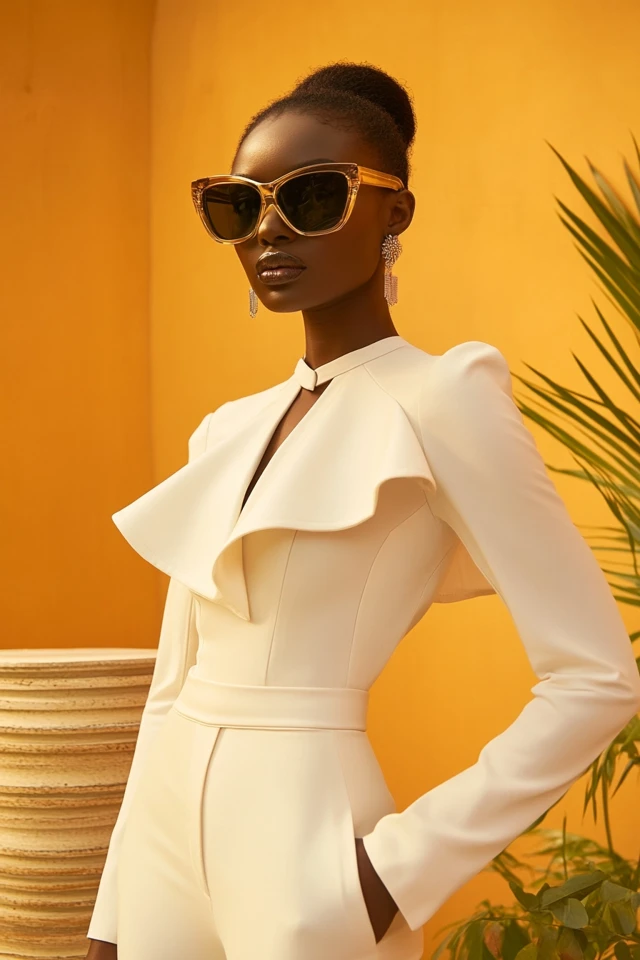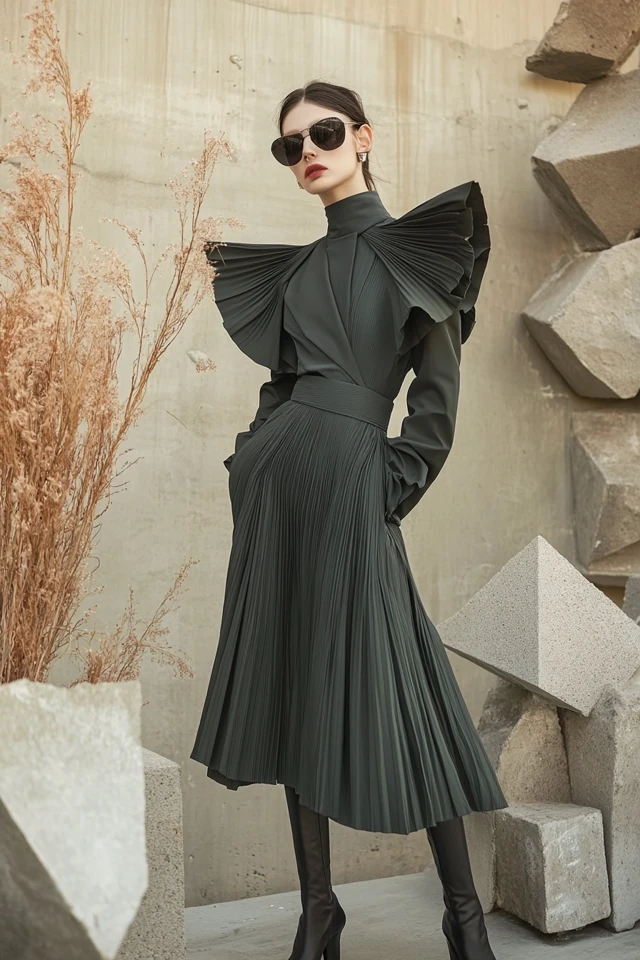
Tunic Dresses: How to Wear Them Every Day
- Words by
- Julio Arco
- Published
- Reading
- 4 min
A tunic dress is a loose, straight or slightly A-line dress that usually falls somewhere between the upper thigh and the knee, or longer. The easiest way to wear one: pick a fabric that drapes rather than clings, add one thing that defines your waist or shoulders, and choose shoes that match the mood you want.
Below you'll find how to choose length and fabric, what goes underneath and on top, and outfit ideas that run from the office to a Saturday errand run.

What makes a dress a tunic dress?
The silhouette does the work. Tunic dresses skip a fitted waist and hang from the shoulders, often with side slits, a boxy or A-line shape and roomy sleeves. Cotton, jersey, linen and viscose are common because they move with you.
Because the cut is loose, it works on its own as a short dress or layered over leggings, slim jeans or tights. That flexibility is the main reason people keep reaching for them.
How do you choose the right length?
Length changes proportion more than almost any other detail, so start there.
- Petite frames: a hem just above the knee, ideally with side slits, keeps the dress from swallowing you.
- Tall frames: a long tunic dress that reaches mid-calf looks intentional and elegant.
- Curvy figures: an empire seam or a light gather under the bust, with a hem that flares a little, gives shape without clinging.
- Athletic builds: pleats, ruffles or a textured fabric add softness to a straight frame.
These are starting points, not rules. If a dress feels good and the hem lands where you like it, it fits.

What to wear with a tunic dress
Think of the dress as the loose layer and make everything else slimmer or more structured, so the outfit has a clear shape.
Tunic dresses with leggings
This is the classic pairing, and it works best when the dress hits at least mid-thigh. Black leggings with a solid tunic and flats is an easy everyday formula. Add ankle boots in cooler weather.
If you wear leggings for walking or exercise in the cold, note that Texas A&M's Howdy Health advises that the layer closest to your skin should be moisture wicking. It also says to avoid cotton because it absorbs moisture and can keep it next to your skin. A cotton tunic on top is fine for errands; for a long cold walk, pick the base layer accordingly.
Jackets, belts and shoes
- A cropped denim jacket or a structured blazer adds shoulders and balances the volume.
- A thin belt, or a built-in tie, marks the waist if the dress feels shapeless.
- Sneakers keep it casual, loafers make it office-ready, and heeled boots dress it up.

Summer tunic dress ideas
In heat, a summer tunic dress in linen or lightweight cotton lets air move around you. Go for a sleeveless or short-sleeve cut, sandals, and a woven bag. A button-front style can be worn open over shorts later in the day.
For more warm-weather options, see relaxed linen tunics for dry, hot climates and relaxed tunic dresses for warm spring showers. If you like volume, tiered tunic dresses are worth a look.

How does color change the look?
Through the lens of evidence-based design, I'd look at color and texture together, because a matte linen and a glossy satin in the same shade do not read the same way next to skin.
- Neutrals (beige, white, gray) mix with nearly everything and suit a work-to-weekend dress.
- Earthy tones (olive, terracotta, rust) look warm and relaxed, especially with brown leather.
- Soft pastels read gentle and light, good for brunch or daytime.
- Bold shades (emerald, coral, mustard) carry the outfit alone, so keep accessories quiet.
- Prints: florals feel summery, stripes feel casual and steady.

Tunic dress outfit ideas for the week
- Weekend: a printed tunic dress, leggings or bare legs, sneakers and a crossbody bag.
- Office: a solid tunic dress with slim trousers and loafers, or under a structured blazer.
- Evening: a silk or satin tunic, statement earrings, strappy heels and a small clutch.
- Cool days: tights, ankle boots and a long cardigan. For more layering, try casual cardigan wraps or relaxed tunic coats.

How do you keep a tunic from looking baggy?
A baggy look is a proportion problem, not a body problem. Fix it by adding one point of definition: a belt, a cinched tie, a structured jacket, or slim leggings underneath. Choosing a fabric with a little weight also helps, since thin, clingy fabric collapses around the body while a drapey one falls cleanly.
As an architect trained in evidence-based design, I'd treat the shoulder seam and hem as the two lines the eye reads first. If both look deliberate, the rest forgives a lot.

Care tips
- Follow the care label, especially for linen and silk.
- Hang tunic dresses or store them in garment bags to limit creasing.
- A steamer refreshes wrinkles faster than ironing on most soft fabrics.
If you like the same easy shape in a top, see relaxed tunic tops for everyday wear.

Frequently asked questions
What do you wear with a tunic dress?
Slim leggings, skinny jeans or tights work underneath, with flats, sneakers or ankle boots. Add a cropped jacket or belt to define the shape.
Are tunic tops flattering?
They can be, when the length and shoulder fit suit you. A hem that hits mid-thigh with something slimmer below tends to look balanced on most frames.
Can you wear tunic dresses in cold weather?
Yes. Layer with tights, boots and a cardigan or coat. Pick a wool, knit or jersey tunic over thin cotton.
How do you style a tunic dress for a formal event?
Choose a drapey fabric such as silk or satin, then add heels, a tailored jacket and simple jewelry.
Filed under Style & Fit