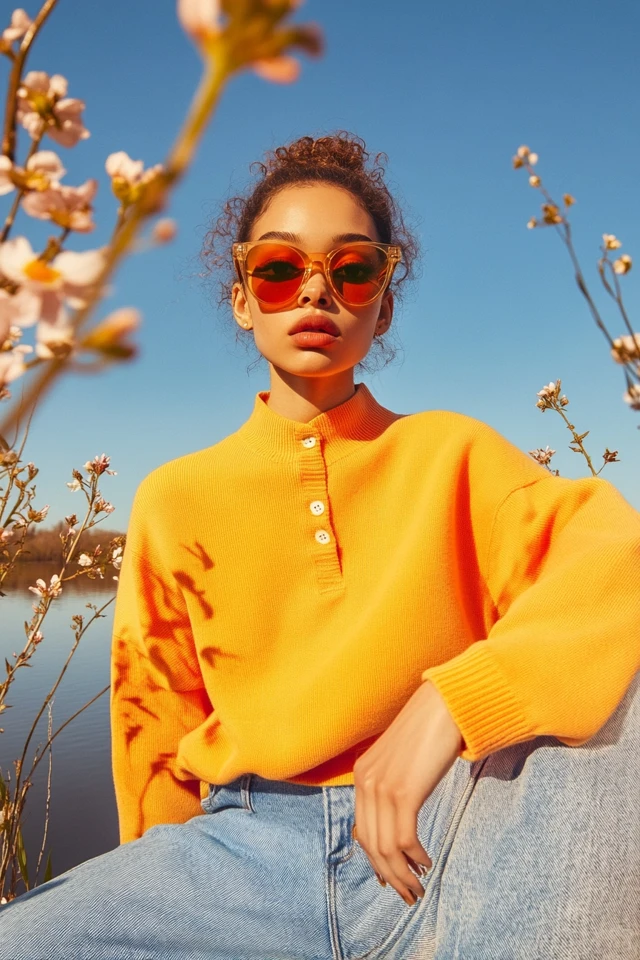
Relaxed Henley Sweaters for Cool Spring Evenings
This guide walks through the main types of knit sweaters, what each does for your proportions, and how to pick a weight for spring, when mornings are cold and evenings drift in between.
- Words by
- Julio Arco
- Published
- Reading
- 4 min
The classic knit sweater styles worth knowing are the crewneck, the cable knit, the cardigan, the turtleneck and the Henley. Own a couple of them in neutral colors and you can dress for most cool days and evenings.
What are the main types of knit sweaters?
Most sweaters are defined by their neckline and their stitch. Neckline changes how the eye reads your face and shoulders, and stitch changes how light falls across the surface. Here are the styles you will meet most often.
- Crewneck: a round, close neckline, the simplest shape.
- Cable knit: raised, twisted ropes of yarn, often on a crewneck or a fisherman style.
- Cardigan: open at the front, with buttons or a plain edge.
- Turtleneck: a high, folded neck that covers the throat.
- Henley: a short buttoned placket instead of a collar.
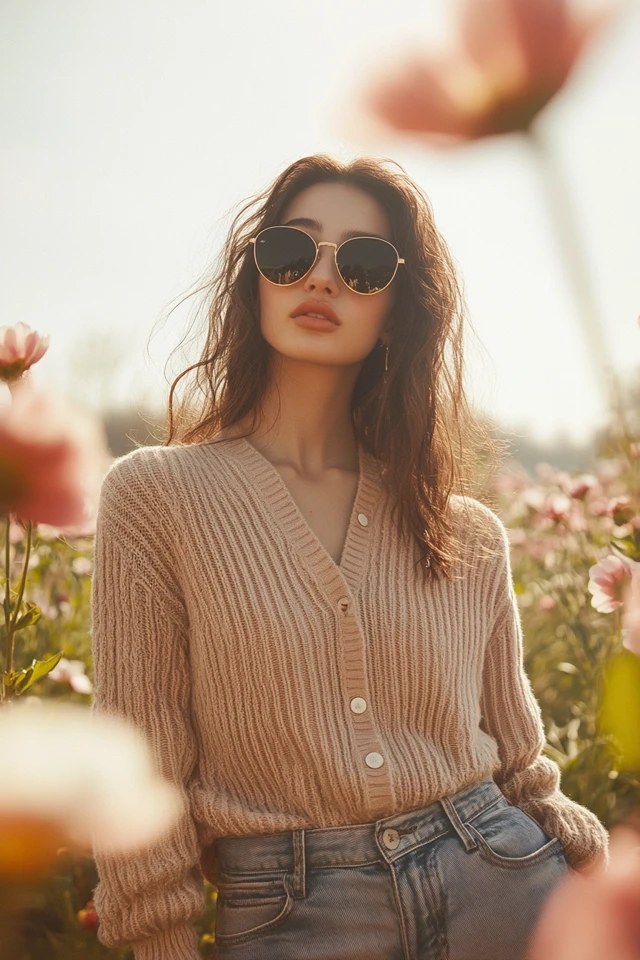
The classic crewneck sweater
A classic crewneck sweater is the easiest place to start. It sits under a jacket without bunching, works over a collared shirt, and looks the same on almost everyone.
Check the shoulder seam first. It should land where your shoulder ends. If it droops, the sweater is simply too big, which is a fit problem and not a you problem. A fine-gauge knit reads neat and dressier, while a thicker one reads casual.
Cable knit and fisherman sweaters
A cable knit sweater adds texture before it adds color. The raised ropes catch light and make a plain cream or navy look more varied. Through the lens of evidence-based design, I'd choose cable knit when the outfit is otherwise flat, because surface texture changes how a color reads.
Cables add visual bulk, so pair them with slimmer trousers or straight jeans to keep proportions balanced. In spring, look for a lighter cotton or wool blend rather than a heavy winter weight.
Cardigans and turtlenecks
Cardigans
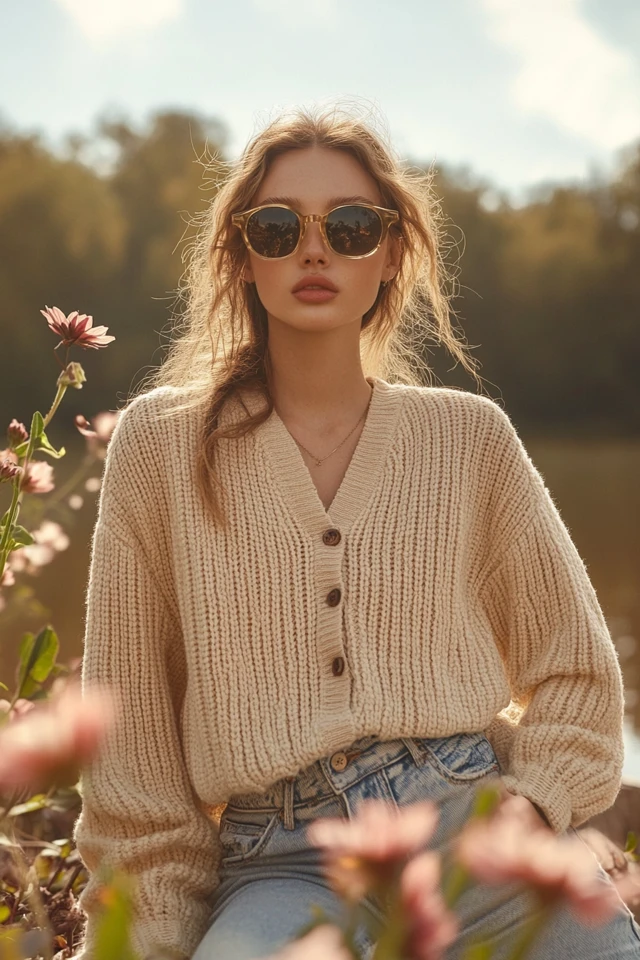
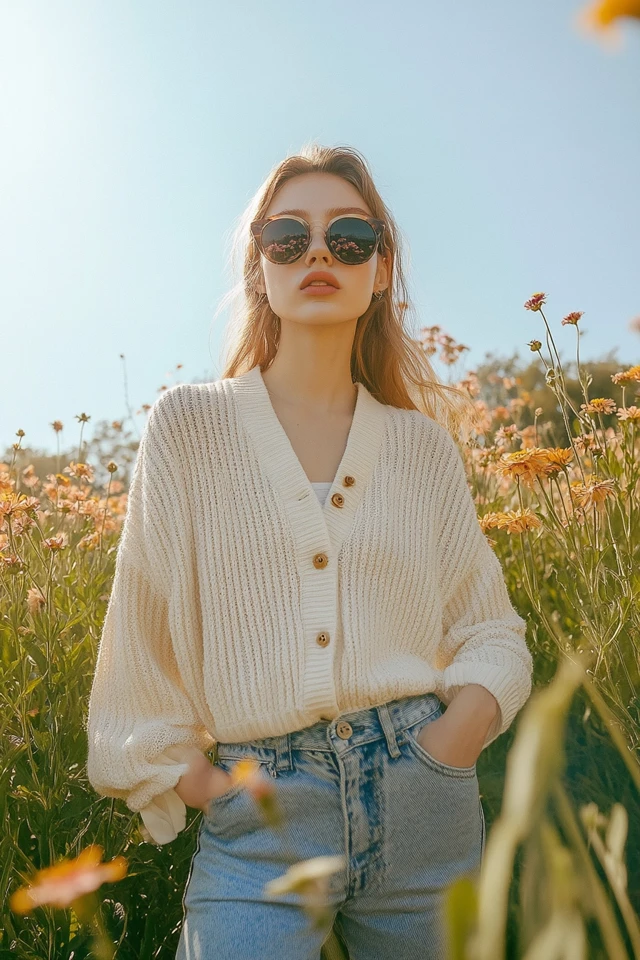
A cardigan is a sweater and a light jacket in one. It suits the changeable days of spring because you can open it when the sun is out and button it when the air cools. A slim cardigan layers well over a tee or a fine shirt.
Turtlenecks
A turtleneck gives a long, clean line from chin to waist. A fine knit works under a blazer, which is a good option in cool offices (see relaxed blazers for cool office settings). If a high neck feels tight, try a looser mock neck.
Where the Henley fits in
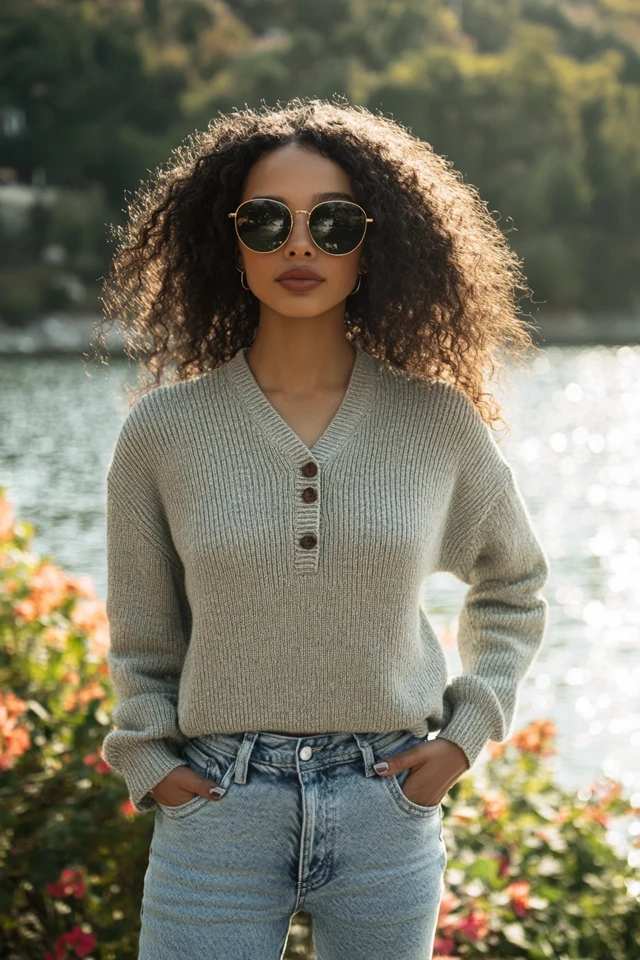
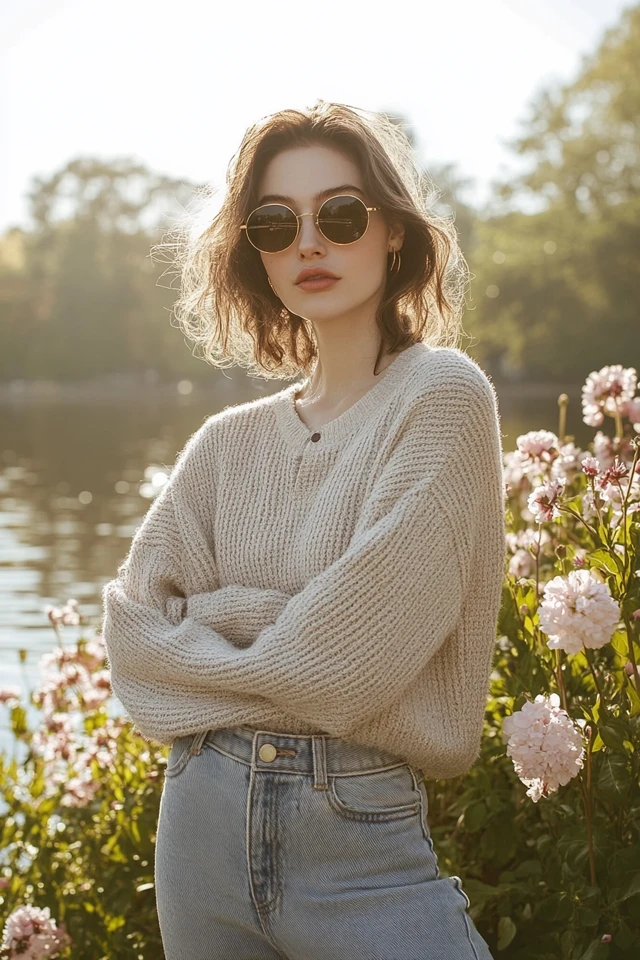
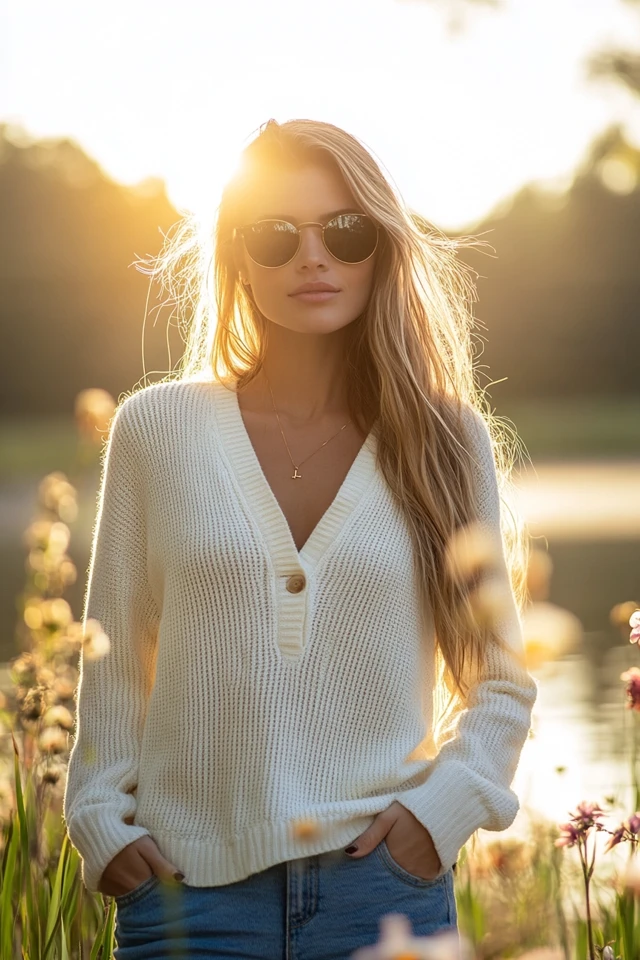
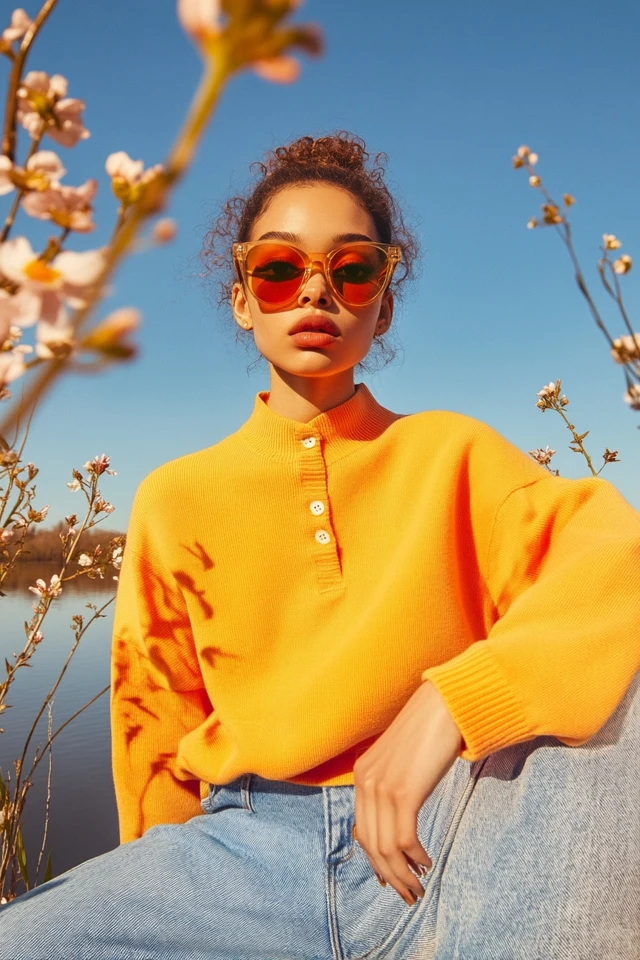
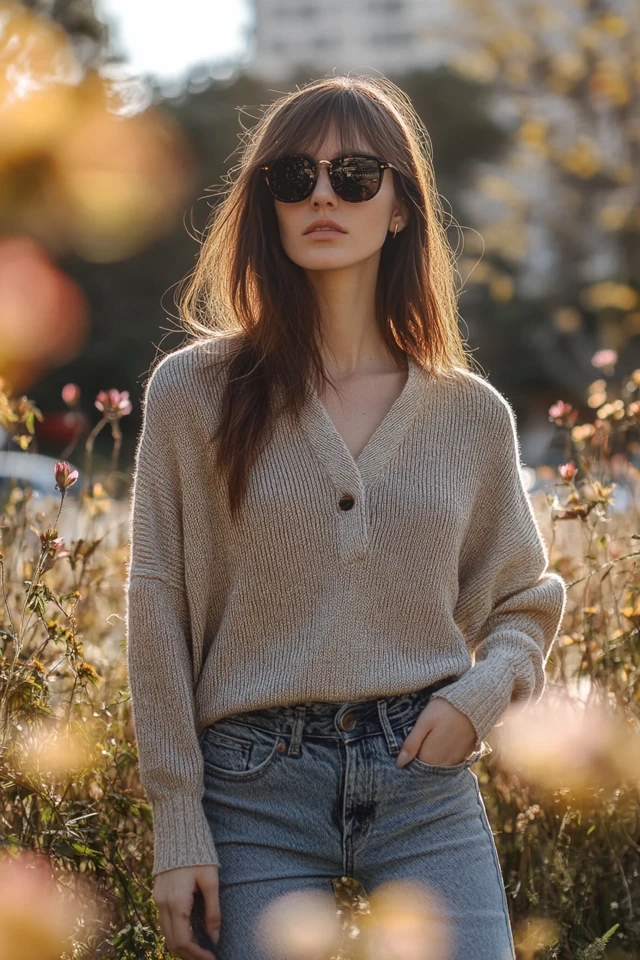
The Henley is the relaxed cousin of the crewneck. Its buttoned placket, usually two to five buttons, lets you change the neckline: open for casual, closed for a neater look. It makes a good mid-layer under a denim or utility jacket on a cool evening.
For more on the shape, see relaxed Henley tops for casual comfort and soft Henley tops for cool fall weather.
Which sweaters does a wardrobe actually need?
Essential sweaters every wardrobe needs come down to a short list: one crewneck in a neutral, one cardigan, and one textured knit such as a cable or a waffle. Add a turtleneck or a Henley if your days call for them.
Classic knit sweater styles for women
Crewnecks and cardigans work tucked into high-waisted trousers or left loose over straight jeans. A cropped or relaxed shape pairs well with wide legs, as in wide-leg pants with light sweaters.
Classic knit sweater styles for men
A crewneck over an open-collar shirt is the dependable choice. Cable knits and Henleys add texture for weekends. Keep the hem at the belt line so it does not stack over the waistband.
Choosing color and weight for spring
Soft neutrals such as cream, heather gray and taupe read light and pair with almost anything. Pastels like sage or sky blue feel seasonal, and deeper navy or forest green gives more contrast. Texture shifts the same color, so a matte knit looks quieter than a smooth, slightly glossy one.
For spring, cotton, linen blends and lightweight wool breathe better than heavy yarns. For a bigger, slouchier shape, see relaxed oversized sweaters, or go thicker with chunky knit sweaters once it gets colder.
How to care for knit sweaters
Check the care label first, since wool and cotton behave differently. Lay knits flat to dry so they keep their shape. If you get a blood stain, treat it right away: the University of Georgia Extension notes that stains set by heat will be difficult to remove. The same page warns that ammonia damages silk and wool, so skip it on wool knits.
Frequently asked questions
What are some popular styles of knitted sweaters?
The most popular are the crewneck, cable knit, cardigan, turtleneck and fisherman sweater. Each is easy to find in lighter weights for spring.
What are the different types of knit styles?
Knit styles are usually described by stitch or texture, such as cable, rib, waffle and plain jersey knit. Neckline and fit then decide the sweater type.
Can a Henley sweater be worn in warmer spring weather?
Yes, if it is made from a breathable fabric like cotton or a linen blend. Push the sleeves up and leave the placket open.
How do I make a Henley look work-appropriate?
Choose a fitted one in a neutral color, button the placket, and wear it with tailored trousers or under a blazer.
Filed under Weather Style