Velvet Satin Evening Gowns: Pairing Tulle for Elegance
- Words by
- Julio Arco
- Published
- Reading
- 4 min
Satin gives a gown a smooth, light-catching body, and tulle adds air and movement around it. Put them together and you get structure plus softness: a sleek satin bodice under a cloud of tulle skirt, or a satin slip with a sheer overlay. Velvet joins the mix when you want a deeper, matte surface next to that shine.
If you are browsing women velvet satin evening gowns for ideas, this page covers how the textures read together, which colors and shapes work, and what to check before you buy.
How do tulle, satin and velvet work together?
Each fabric treats light differently, and that is the whole reason the mix works. Satin reflects light in a long, smooth sheen. Tulle is sheer and scatters light softly. Velvet absorbs it, so color looks deeper and flatter.
Through the lens of evidence-based design, I'd start with texture before color. The same navy in satin, velvet and tulle reads as three different shades, because the surface changes how light reaches your eye. That is useful: a single color family in three textures gives you contrast without adding a second hue.
Satin usually carries the structure, in a bodice, lining or fitted skirt. Tulle supplies volume, in layers, capes, sleeves or an illusion neckline. Velvet works best as an accent, such as a bodice, sleeve or wrap, with satin or tulle taking the rest.
Which colors suit these fabrics?
Soft neutrals and pastels
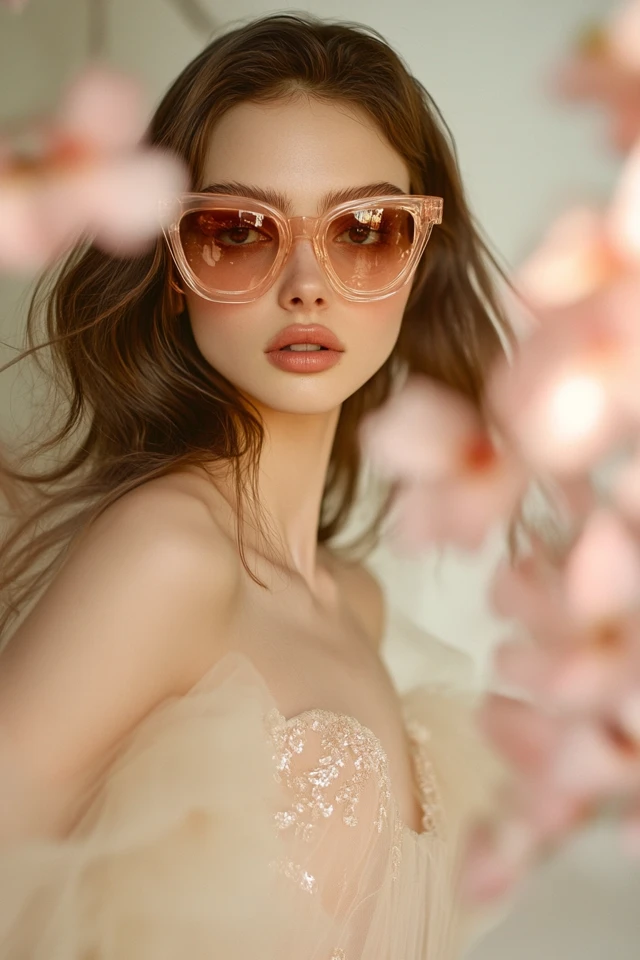
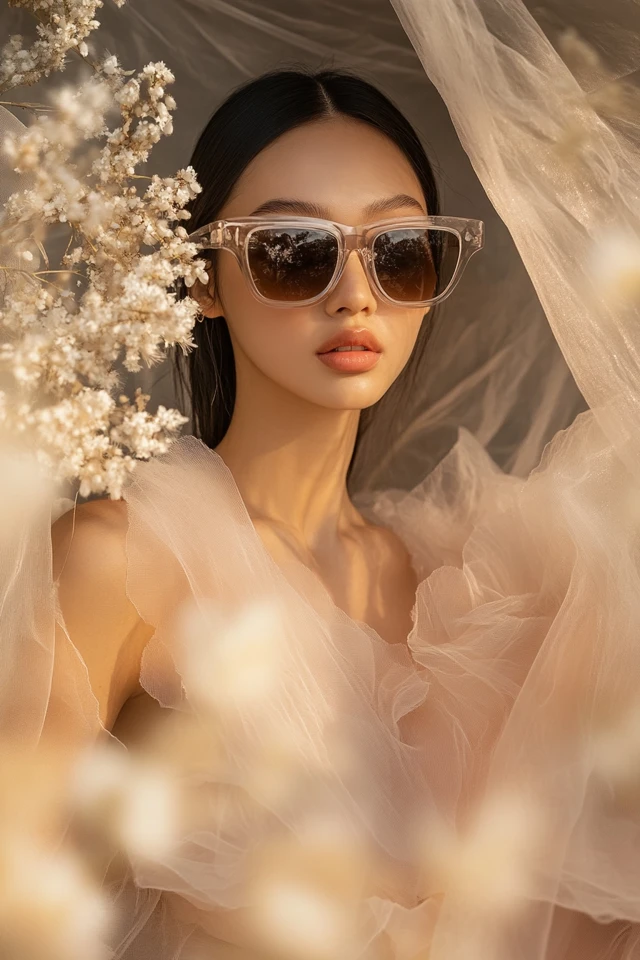
Ivory, blush, champagne and pale blue keep the look romantic. Tulle softens the sheen of satin, so a blush satin gown with a tulle overlay reads fresh rather than shiny. Champagne has a warm, golden cast that sits well against many skin tones, and I'd try it first if you are unsure.
Jewel tones for drama
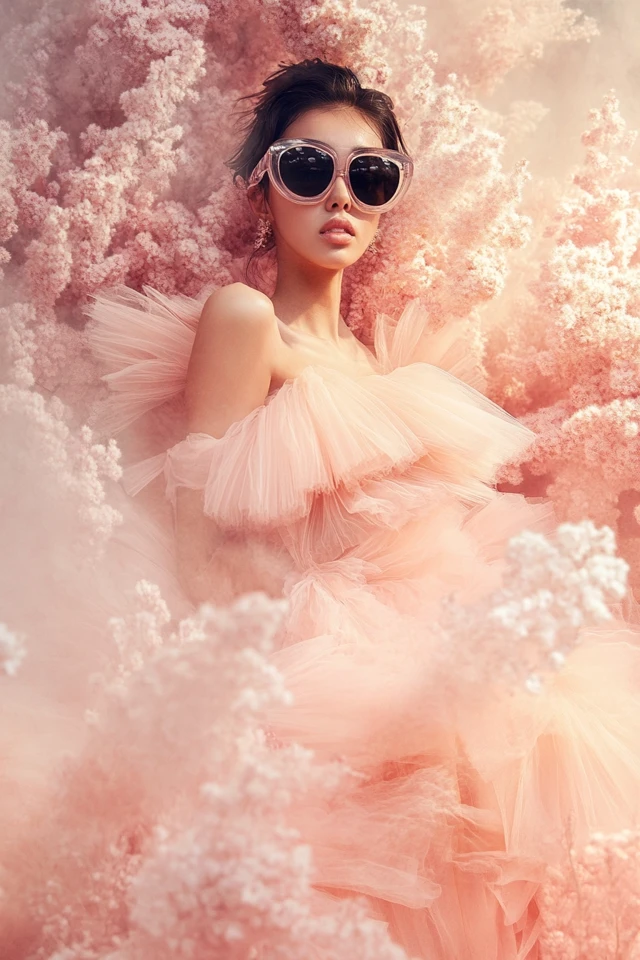
Emerald, ruby and sapphire look deeper in satin and velvet. Layered tulle in the same hue gives a skirt more depth than a single sheer layer would. A deep red satin bodice with a full tulle skirt suits a winter formal.
For more color ideas, see champagne and mauve combinations for elegant gowns.
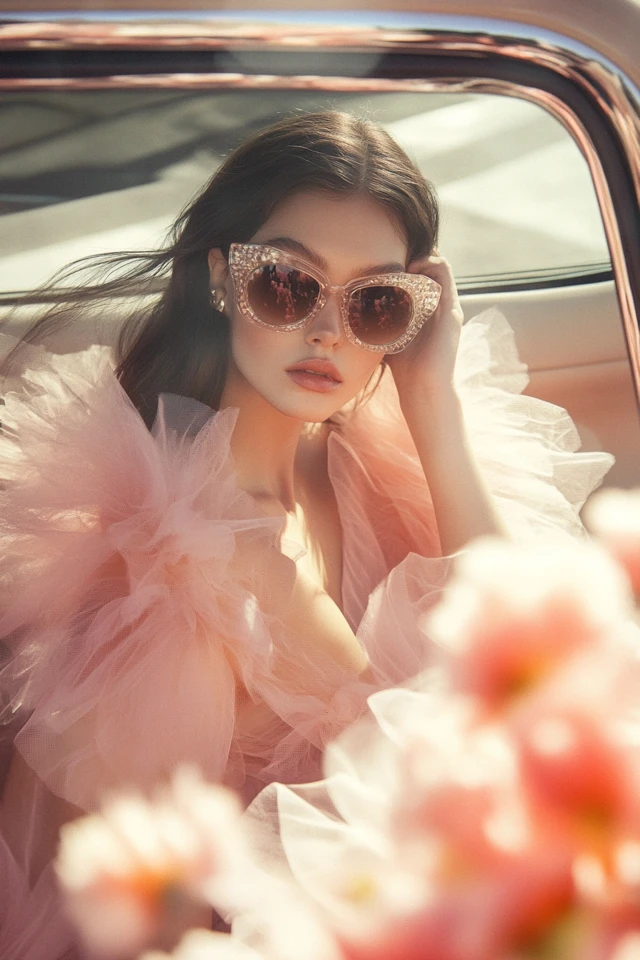
Which silhouette fits your body shape?
Fit is a proportion question, not a body problem. Use these as starting points and adjust to what you like.
- Hourglass: a fitted satin bodice with a full tulle skirt follows the waist and keeps the balance.
- Pear: an A-line with a satin top and a layered tulle skirt that flares gently from the hips.
- Athletic: draped satin, plus ruffles, pleats or embellishment, adds softness at the bodice or waist.
- Petite: a satin sheath with a tulle overlay keeps lines long. Go easy on tulle layers so the skirt does not overwhelm you.
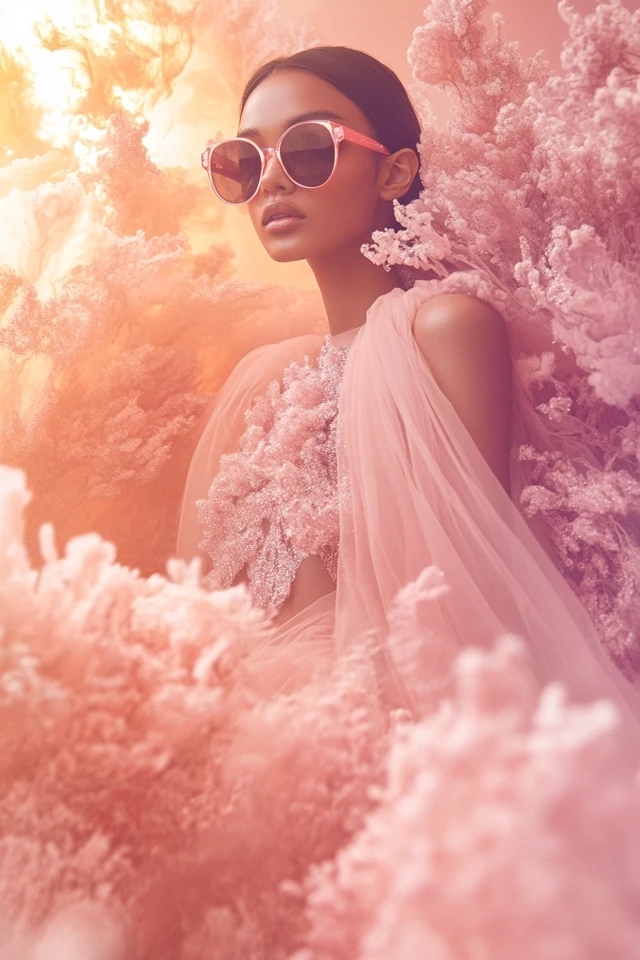
How do you balance the textures?
Let one element lead. If the tulle skirt is big and dramatic, keep the satin bodice clean. If the satin has beading or embroidery, choose a quieter tulle. Adding velvet means choosing which of the three gets the spotlight, and the other two should stay plain.
For related combinations, read the perfect pairing of velvet and satin in evening gowns and combining satin and beaded accents.
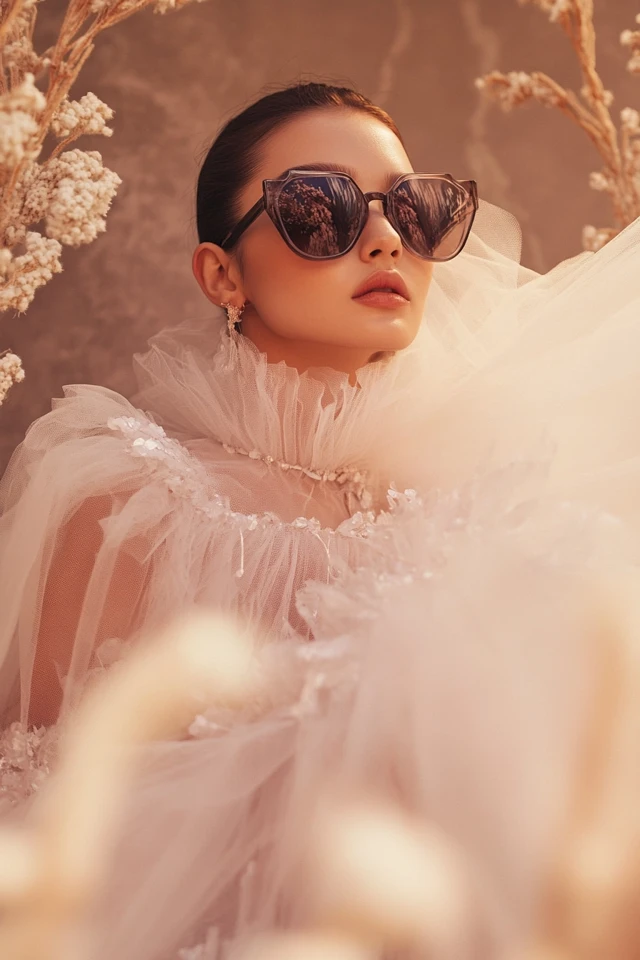
Which styles are worth a look?
- Multi-colored tulle layers over a satin base, which create an ombre effect.
- Detachable tulle capes in place of a train.
- A satin slip dress with a tulle overlay, the most minimal option.
- Tulle skirts with a metallic satin lining, where the shimmer shows through the sheer layers.
Classics last longer: an ivory satin gown with a tulle overlay, or navy satin under sheer black tulle. For the romantic end of the spectrum, see the beauty of satin and tulle in romantic dresses.
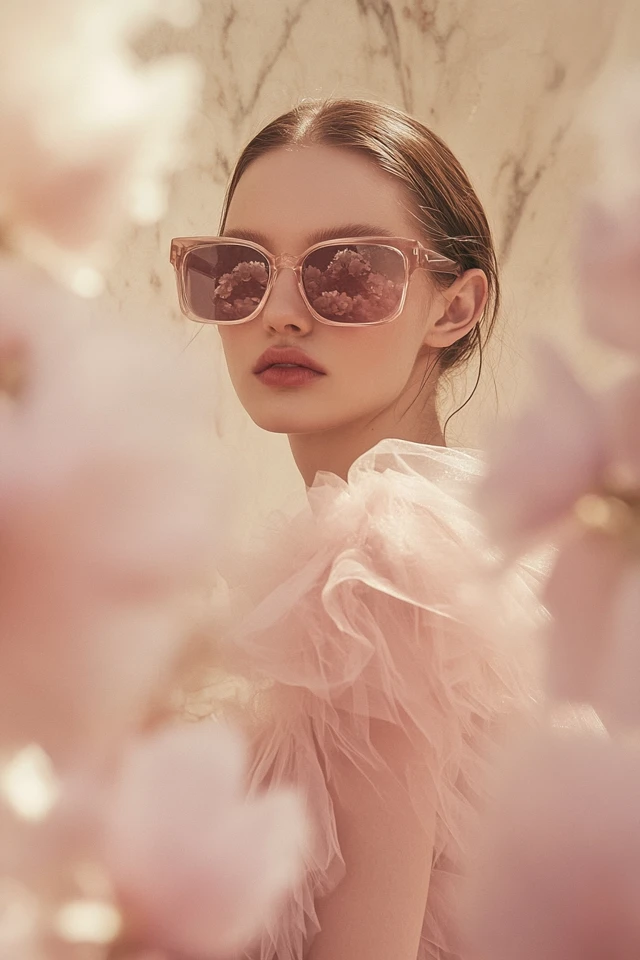
What should you check when shopping?
Look at the satin first. It should have an even finish and enough weight to drape instead of cling. Tulle should feel soft and pliable, not stiff or scratchy against your skin.
Try the gown in more than one light. Satin's sheen and tulle's transparency change a lot between daylight and indoor lighting, and a dress can look quite different in each.

How do you style and care for the gown?
Keep accessories quiet so they do not compete with the fabrics: pearl earrings or a simple pendant, and satin heels or metallic sandals. Loose waves or a low chignon suit the soft look.
Store the gown in a breathable garment bag, away from dust. For cleaning, take it to a professional, especially with mixed fabrics. If you get a stain, treat it quickly, since University of Georgia Extension notes that stains set by heat are difficult to remove. The same page warns that ammonia damages silk, which is a good reason to leave silk satin to a cleaner.
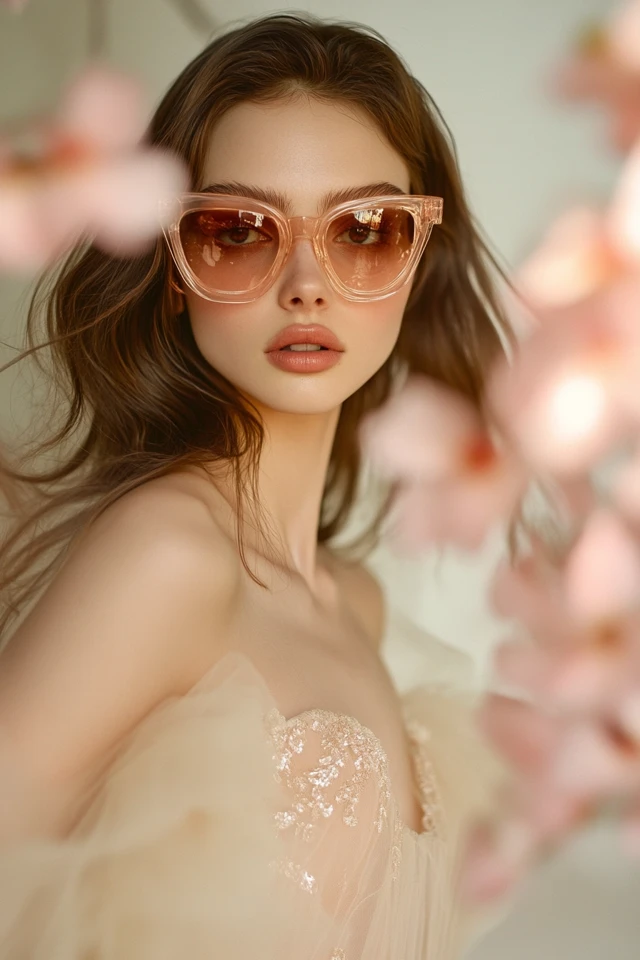
More ideas for the satin side of the pairing: satin gowns for romantic winter evenings.
Frequently asked questions
Are tulle and satin gowns suitable for outdoor events?
Yes. Choose lighter tulle layers and skip a long train if the ground is grass or uneven.
Can I wear a tulle and satin gown to a casual event?
A satin slip dress with a tulle overlay and minimal accessories keeps it relaxed but polished.
How do I accessorize a dramatic tulle skirt?
Keep it small: a delicate clutch and understated jewelry let the skirt stay the focal point.
How do I transport a tulle and satin gown?
Use a good garment bag and fold the train carefully. A travel steamer can handle last-minute creases, though check the care label first.
Filed under Fabrics & Textures