Pairing Tulle and Lace for Fairytale Dresses: Achieving Whimsy and Elegance
- Words by
- Julio Arco
- Published
- Reading
- 4 min
The easiest lace dress for spring is a midi in a soft color with light sleeves. It suits most daytime events, stays comfortable in changing weather, and the lace does the decorating so you need very little else. Add tulle in the skirt or as an overlay and the dress gets movement without extra weight.
Below: which length fits which event, which colors read well in spring light, how sleeves change the look, and how to style the dress once you have it.
Which spring events suit a lace dress?
Lace fits almost anything with a daylight dress code: weddings, baby showers, garden parties, christenings and long lunches. For evening events, go darker or add a tulle skirt for more drama.
- Weddings: a midi or maxi in a muted tone, never white or ivory.
- Showers and brunches: shorter midis, lighter colors, sleeves optional.
- Garden parties: flat or block-heel shoes and a length that clears wet grass.
If you are shopping for a shower, the post on bridal shower dresses with lace accents goes deeper on that dress code.

Mini, midi or maxi: which lace length works?
Midi is the safest choice. It covers the knee, looks polished at a ceremony, and still lets you walk, sit and dance easily.
Midi lace dresses for spring occasions
A hem between mid-calf and just below the knee works with flats, sandals or heels. Tea-length versions with a tulle skirt give a vintage shape that holds well in a light breeze.
Maxi lace dresses for spring occasions
A maxi suits formal ceremonies and evening receptions. Check the hem with your shoes on: it should skim the top of the foot, not drag. Outdoors, a slightly shorter maxi saves the lace from grass and gravel.
Mini lace
Minis suit casual showers and rehearsal dinners. For a wedding ceremony, most guests choose longer.
What colors look best in lace for spring?
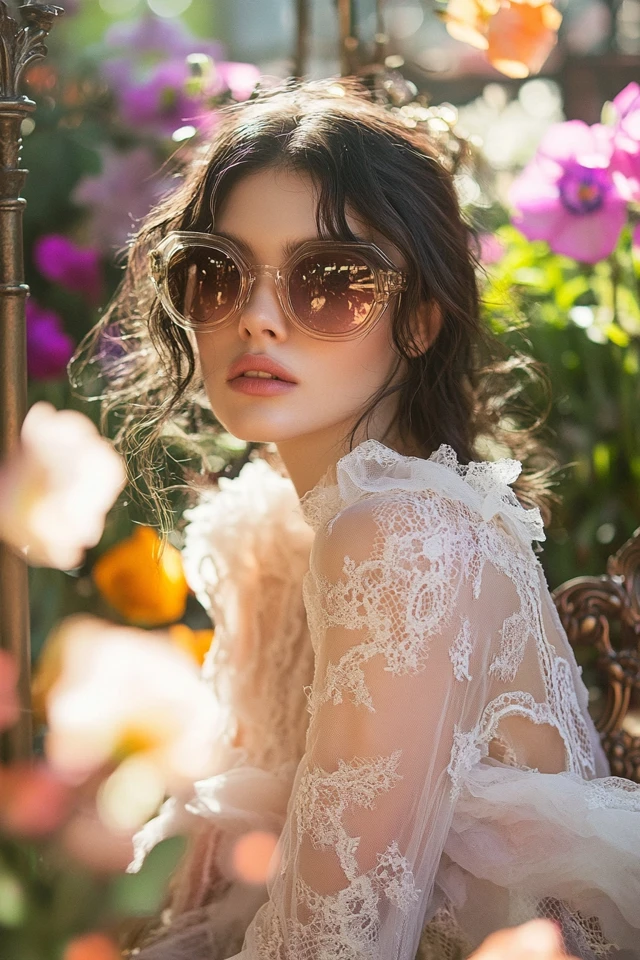
Soft colors read well in spring daylight because lace is semi-sheer: the shade underneath shows through and shifts the color you see. A dress in blush over a nude lining looks gentler than the same lace over a pink lining.
- Blush, sage and powder blue: easy for showers and garden events.
- Lavender and soft yellow: pretty in daylight, but try them near your face first, since pale yellow can wash some skin tones out.
- Champagne: dressier, good for evening weddings.
- Navy or deep green: a smart pick for formal daytime events, where lace looks sharper against a darker base.
Through the lens of evidence-based design, I'd check the lining before the lace. The layer under it sets the color your eye actually reads.
Lace dress with sleeves: which style to pick
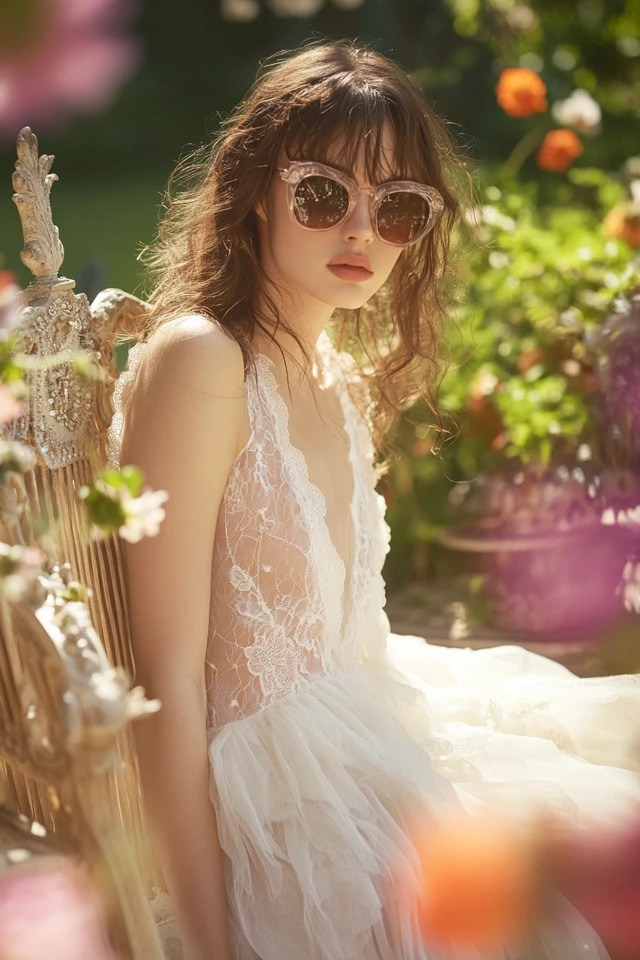
Sleeves are where lace dresses differ most, and they decide how warm and how formal the dress feels.
- Cap sleeves: light coverage, good for warm afternoons.
- Three-quarter sleeves: balanced for April and May weather and most venues.
- Long sleeve lace dresses for spring: useful for early-season ceremonies, churches and cool evenings. Pick a fine, unlined lace sleeve so it stays breathable.
- Bell sleeves: a looser, softer shape that suits a fitted bodice.
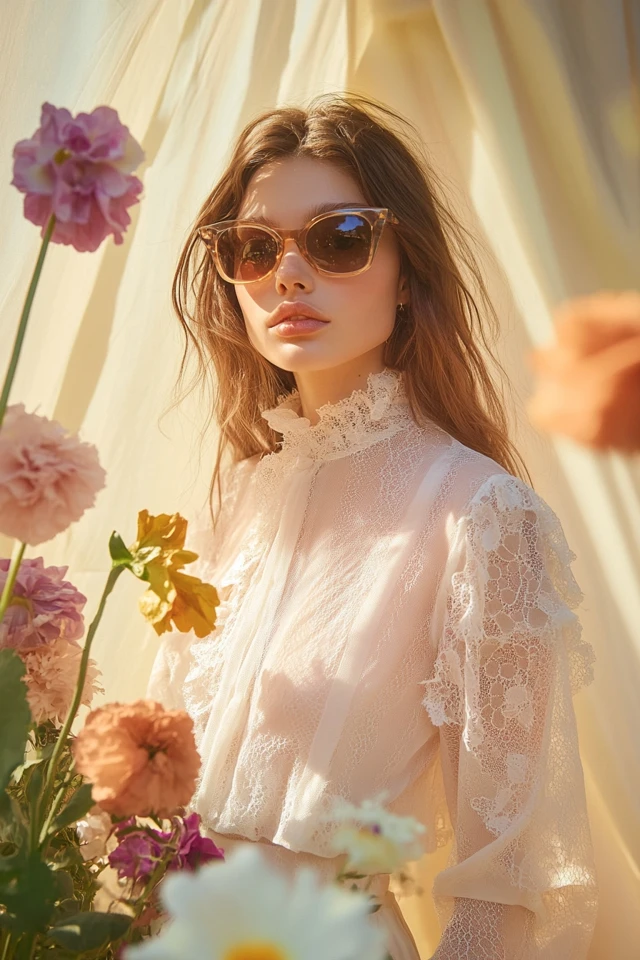
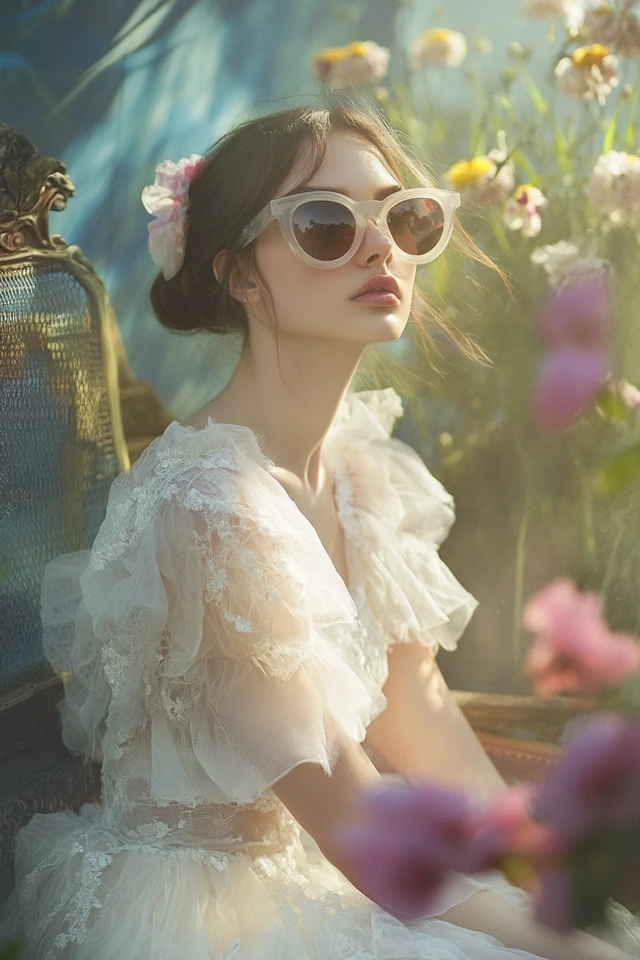
A lace overlay dress with sleeves gives you coverage with a smooth lining underneath. A floral lace dress with sleeves works best when the pattern is small to medium, since oversized motifs can look heavy on the arm.
How to wear a lace dress as a wedding guest
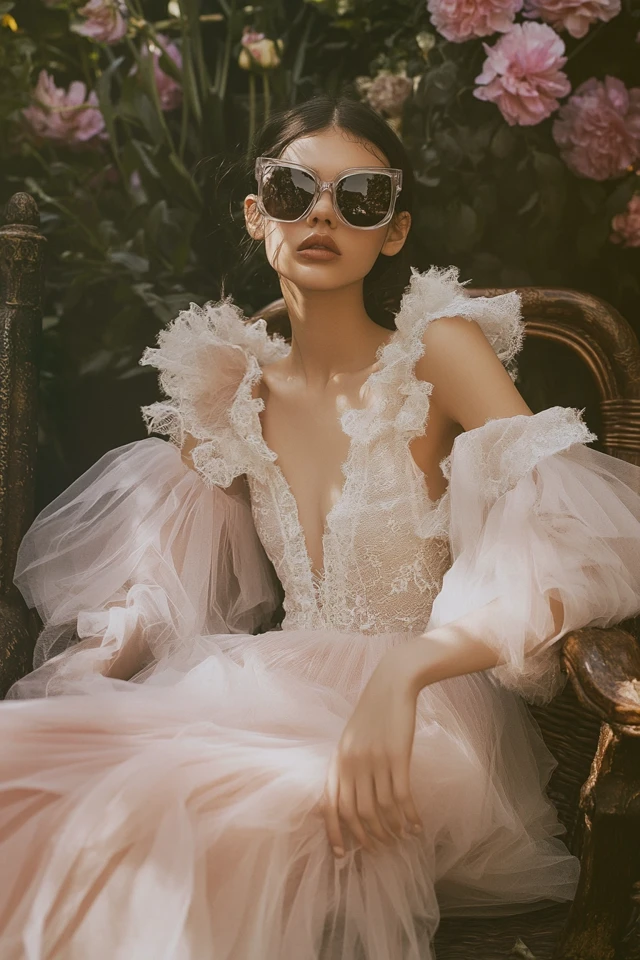
For lace dresses for a wedding guest, avoid white, ivory and any shade close to them. Choose a length that matches the venue: midi for most, maxi for formal evening ceremonies.
Keep accessories simple. Pearls, small pendants or one pair of statement earrings are enough, because lace already carries plenty of detail. A clutch in a metallic or nude tone and a light wrap cover most changes in temperature.
Shoes depend on the ground. Block heels or flats handle lawns and cobblestones; thin stilettos sink.
Where tulle fits in
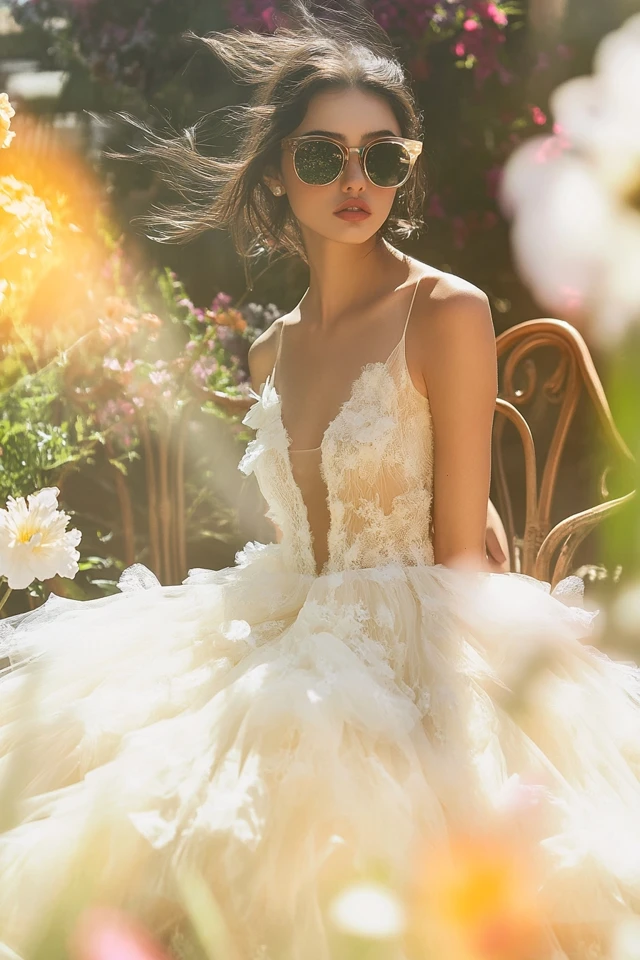
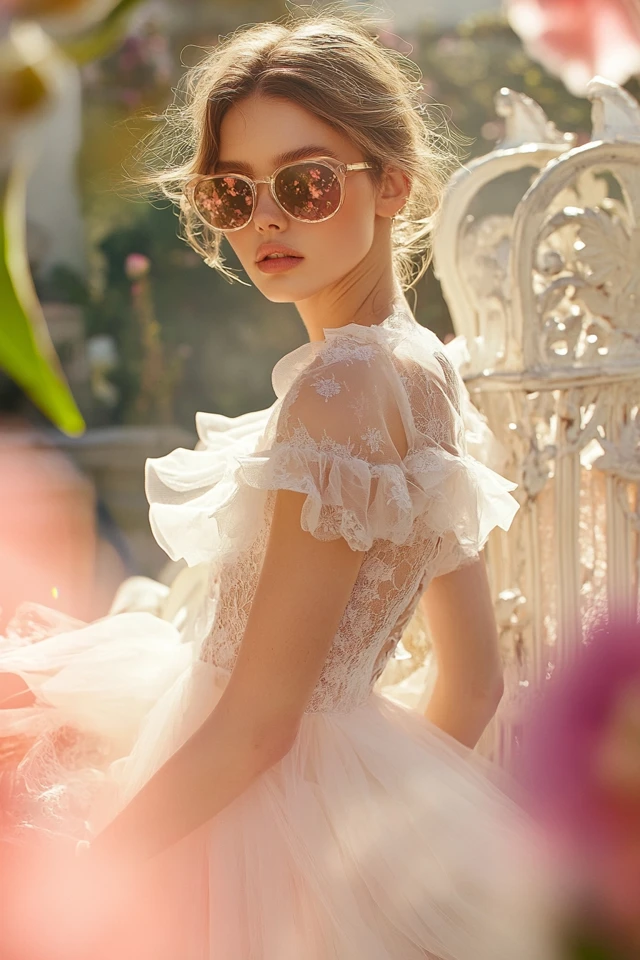
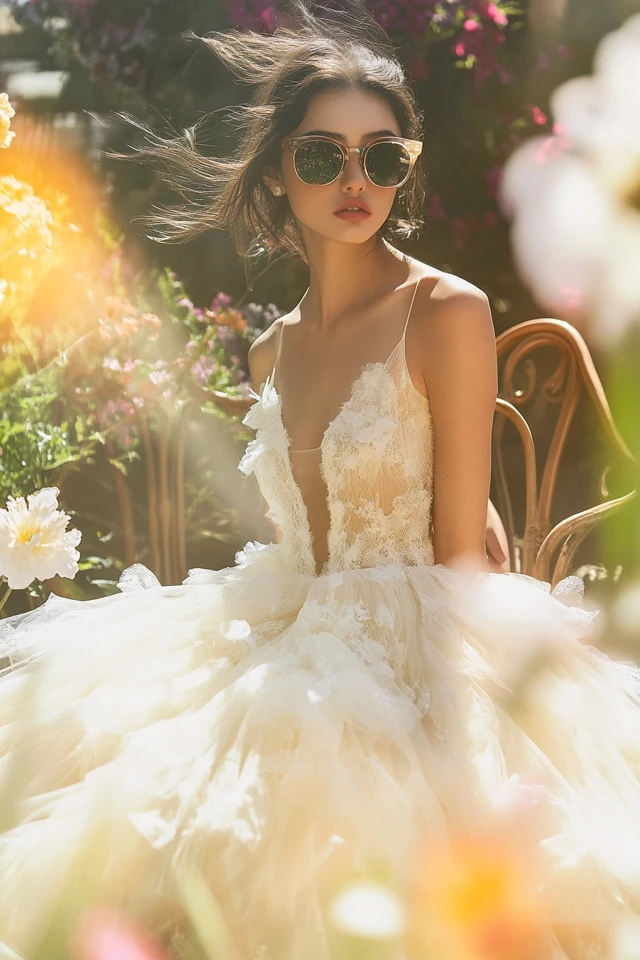
Tulle is the lightweight netting often used for skirts, overlays and petticoats. Paired with lace on the bodice or sleeves, it adds volume without heaviness, which is why it shows up in fairytale-style dresses. Fitted lace on top with a tulle skirt gives a clear waist, and a sheath with a tulle overlay is the quieter version.
For more on the pairing, see layered tulle dresses and tulle and lace for princess-inspired dresses. For evening, dreamy evening looks cover darker colors.
Caring for lace and tulle
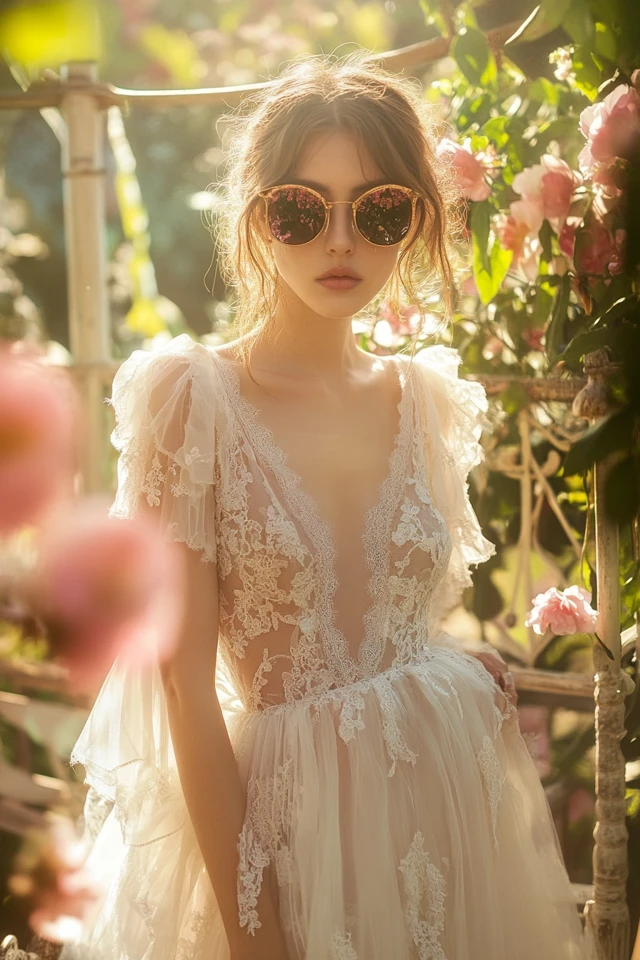
Steam tulle from a distance to release wrinkles, and use a petticoat if you want more fullness. Check the care label before washing lace. If a stain happens, treat it right away: heat can set it, as the University of Georgia Extension notes in its guidance on removing blood stains from textiles, which says, "Stains set by heat will be difficult to remove." The same page warns that ammonia damages silk and wool, so skip it on those fibers.
Frequently asked questions
Can you wear a lace dress to a wedding as a guest?
Yes, lace is a common wedding-guest choice. Avoid white, ivory and near-white shades, and match the length to the formality of the venue.
Are lace dresses too warm for spring?
Not if the lace is fine and the sleeves are short or three-quarter. For cool days, a long lace sleeve or a light wrap works.
Can I wear a lace dress to a baby shower?
Yes. A midi in a soft color, with or without sleeves, suits most showers.
Filed under Fabrics & Textures