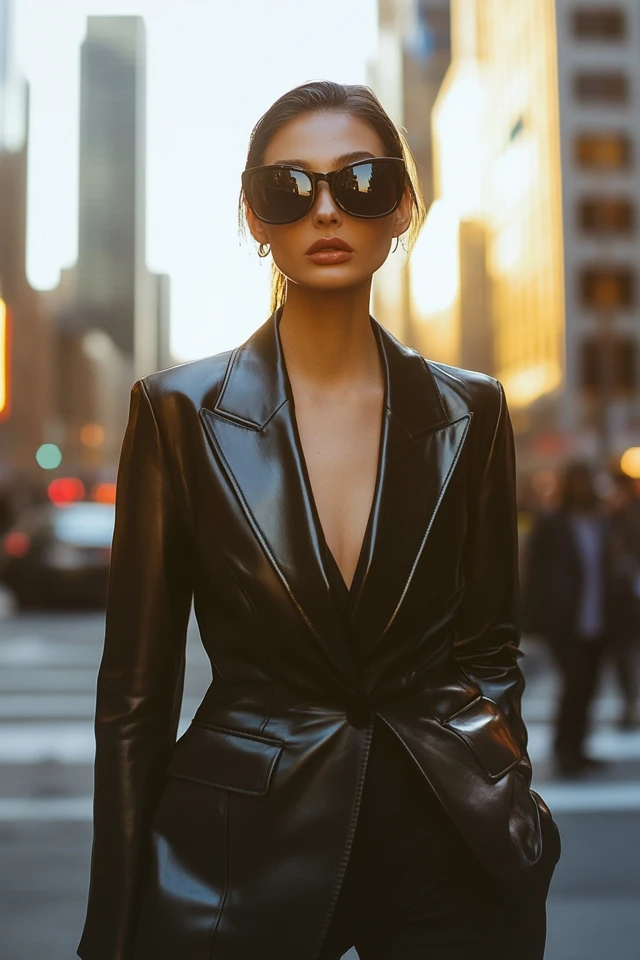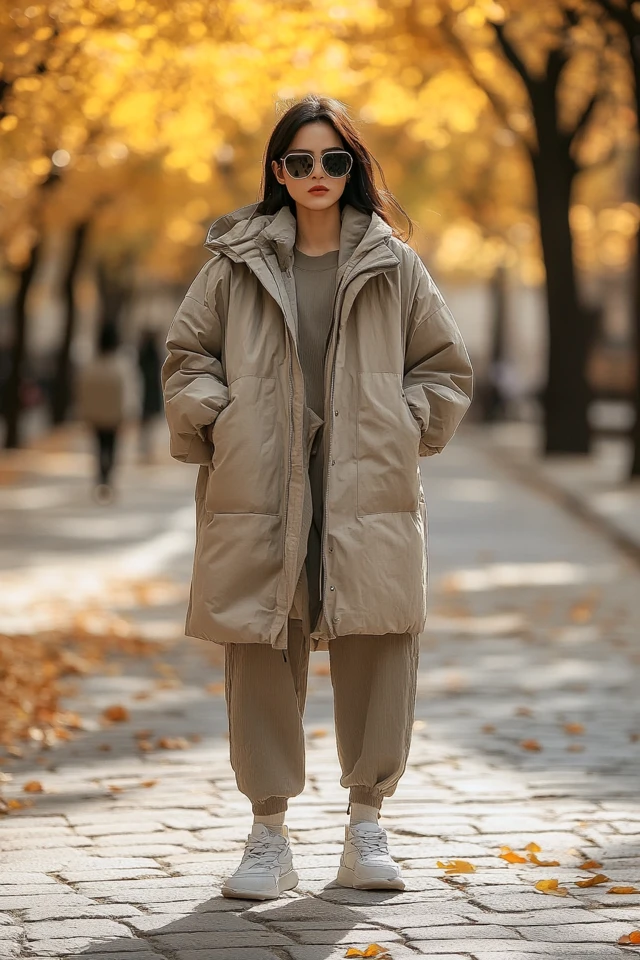
Oversized Parkas in Neutral Tones for Fall Layering
- Words by
- Julio Arco
- Published
- Reading
- 5 min
The best parka for both rain and winter has three things: a shell that is truly waterproof (not just water-resistant), insulation that still works when damp, and a hood that stays up in wind. Add a roomy cut so you can layer underneath, and one coat covers most cold, wet days.
Neutral shades like beige, camel, olive and gray keep it easy to wear with everything. Here is how to check each part before you buy.

What makes a parka waterproof, not just water-resistant?
Water-resistant fabric sheds a light drizzle for a while. Waterproof parkas for winter and rain usually have a membrane or coating plus taped or sealed seams, because seams are where water gets in first. Check the label or product description for the word "waterproof" and for seam sealing.
Zippers matter too. A storm flap behind the zipper, or a covered zipper, keeps wind-driven rain out of the front opening. Pocket openings with flaps do the same job.
Which insulation suits cold, wet weather?
Down is light and very warm when dry, but it loses much of its loft when soaked. Synthetic (featherless) fill is usually heavier for the same warmth, yet it copes better with damp. If your winter is mostly cold and dry with occasional rain, down under a waterproof shell works well. If it is wet more often than not, I'd lean synthetic.
Whatever the fill, the shell is what keeps it dry, so look at both together rather than judging warmth by puffiness alone.

What is the best jacket for both rain and cold weather?
A hip-to-thigh-length parka with a waterproof shell, insulated body and fixed or detachable hood is the most practical single answer. Shorter rain jackets leave your legs exposed, and a plain puffer soaks through. A parka covers the gap between them.
For the best parka for cold weather, length is a bonus. A cut that reaches mid-thigh protects more of you when you stand at a bus stop, and a drawcord at the waist or hem seals in heat.
Hood and pocket details worth checking
- A hood with a stiff or adjustable brim that keeps rain off your face.
- A hood that fits over a beanie without pulling the collar up.
- Cuffs with an inner storm sleeve or adjustable tab so water does not run up your wrist.
- Deep pockets, ideally lined, for gloves and a phone.
- Faux fur trim only if it is removable, since wet fur takes a long time to dry.

How to layer under an oversized parka
An oversized cut gives you room for a chunky knit or a blazer, which is why it suits real winter dressing. The layer against your skin matters most. Texas A&M's Howdy Health advises a base layer of moisture-wicking material that draws sweat away from your skin, and it also says to avoid cotton because it absorbs moisture and can keep it next to your skin, making you cold. That advice is written for exercise, but it holds for a long commute on foot as well.
Then add a mid layer for warmth: wool, fleece or a fine merino sweater. Keep it slimmer than the parka so the outline stays balanced. If you want ideas for color mixing, see neutral and jewel tone layering in jackets.
How should women's parkas fit?
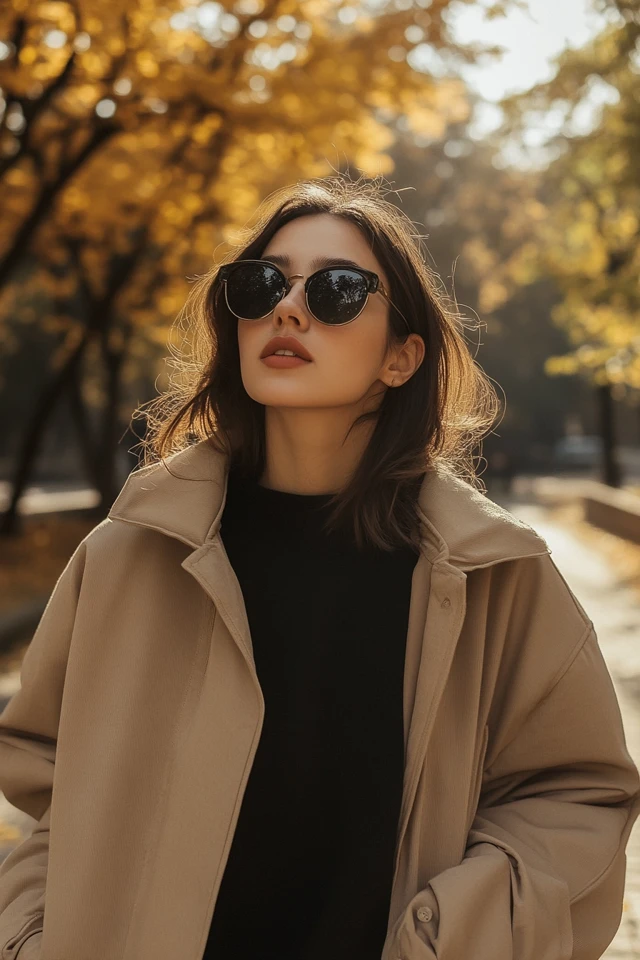
For women's parkas for winter and rain, check the shoulder seam first. It should sit near the end of your shoulder, or just past it in an oversized cut, not halfway down the arm. A jacket that pulls across the back when you reach forward is a fit problem, not a you problem.
Sleeves should cover your wrist bone when your arms are raised. If you are petite, a mid-thigh length and an adjustable waist keep the volume from swallowing you. If you are tall, check that the hem still covers your hips when you sit.
Which neutral color should you pick?
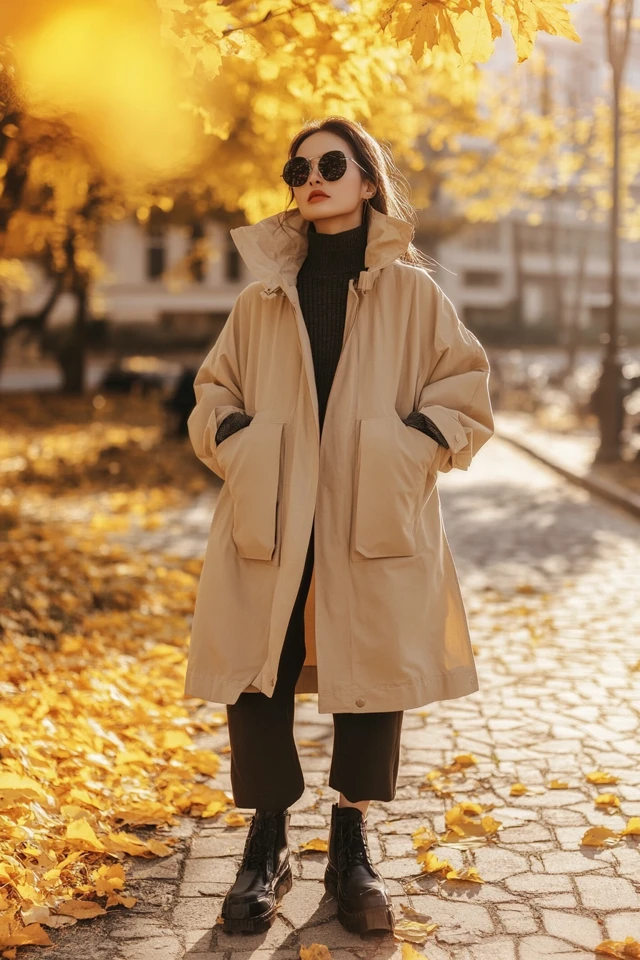
Through the lens of evidence-based design, I'd treat color as a texture question too. A matte camel and a glossy camel shell do not read as the same shade, because the surface changes how light reaches your eye. Glossy shells tend to look sportier, matte ones calmer and more polished.
- Beige and camel are warm and soften pale winter light, but show mud at the hem.
- Olive hides dirt well and pairs with cream, gray and denim.
- Gray and black are the easiest to match, and the most forgiving in rain.
For outfit ideas, browse casual neutral tones looks and sophisticated neutral tones looks. A trench is a lighter option for mild, wet days: neutral trench coats.
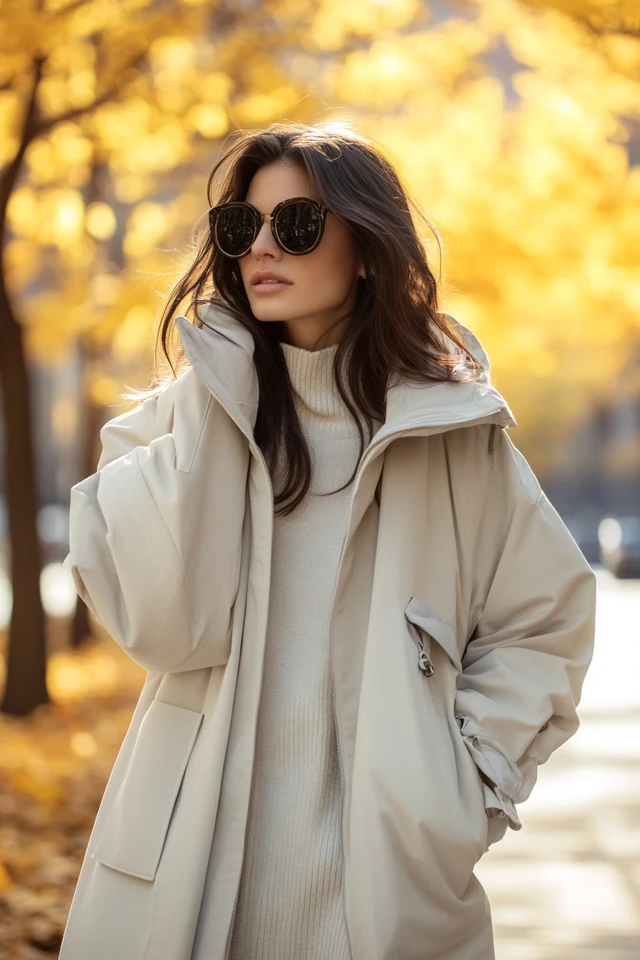
Styling a parka so it looks intentional
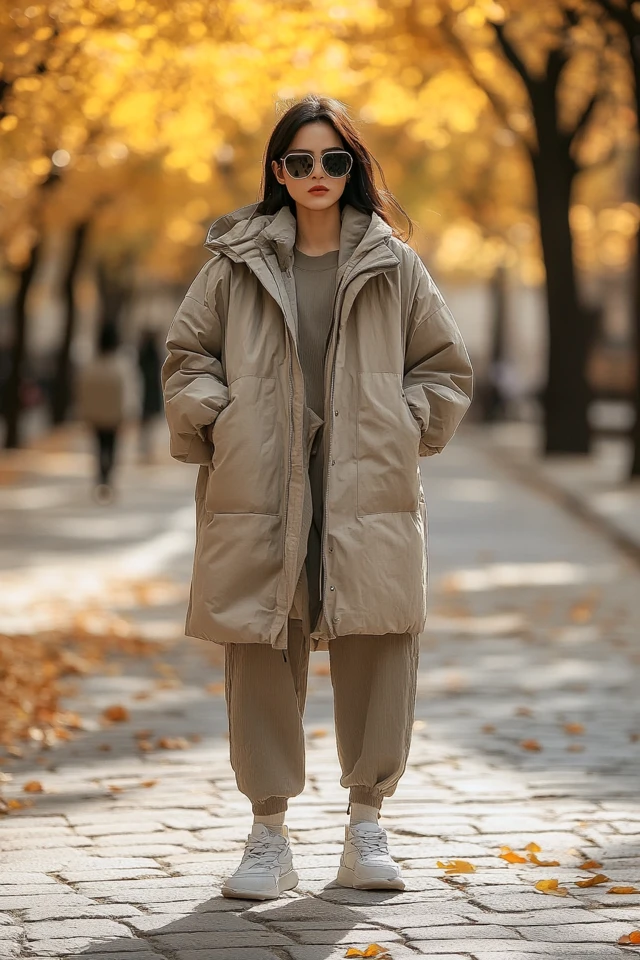
Balance the volume. With a big parka, wear slimmer pieces underneath: straight or tapered trousers, leggings, or a midi skirt with boots. A belt over the parka defines the waist if the shape feels boxy.
For work, choose a parka in a smoother fabric and pair it with tailored trousers and a turtleneck. For weekends, a knit hat and scarf in a nearby neutral keep the outfit tonal and calm.
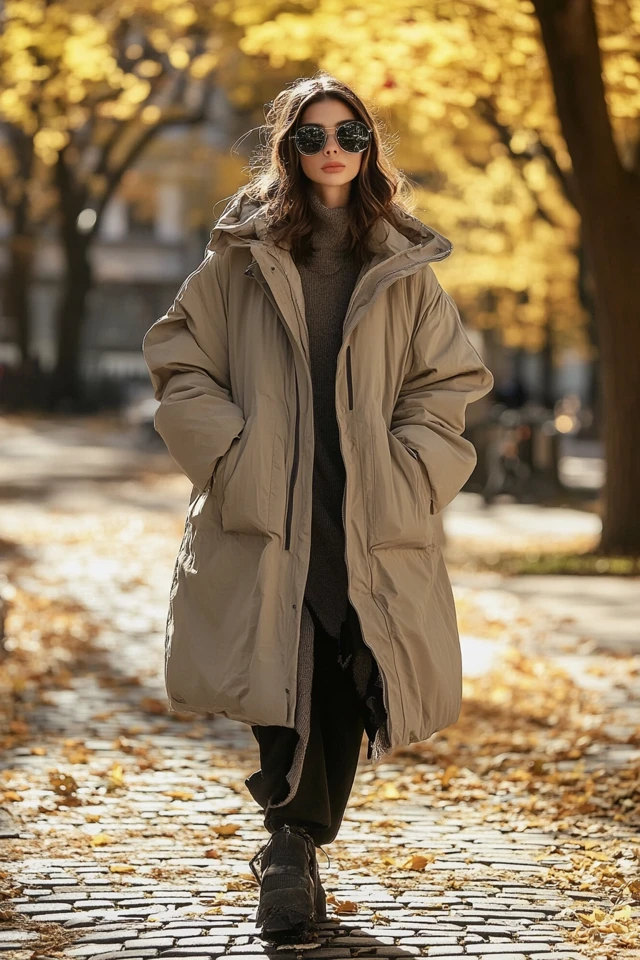
Before you buy, run a quick check: is the shell waterproof with sealed seams, does the insulation suit your climate, does the hood work over a hat, and can you move your arms freely in your thickest sweater? If all four are yes, the color is the fun part.
Frequently asked questions
What is the best jacket for both rain and winter?
A waterproof, insulated parka that reaches at least the hip, with a hood, storm flap and adjustable cuffs. It handles wet and cold in one layer, which a rain shell or a plain puffer does not.
What is the best waterproof parka?
The best one is the one with a waterproof shell, sealed seams and a fit that allows a sweater underneath. Check these features rather than relying on a single brand or label.
Is down or synthetic insulation better in the rain?
Synthetic fill usually copes better with damp, while down is lighter and warmer when dry. Under a truly waterproof shell, either can work.
How do I care for a waterproof parka?
Follow the care label, since washing instructions differ by fabric and fill. Store it in a cool, dry place so the insulation keeps its shape.
Filed under Seasonal Trends