Colorful Fusion Manicure: Monochrome Ideas and Care
- Words by
- Julio Arco
- Published
- Reading
- 4 min
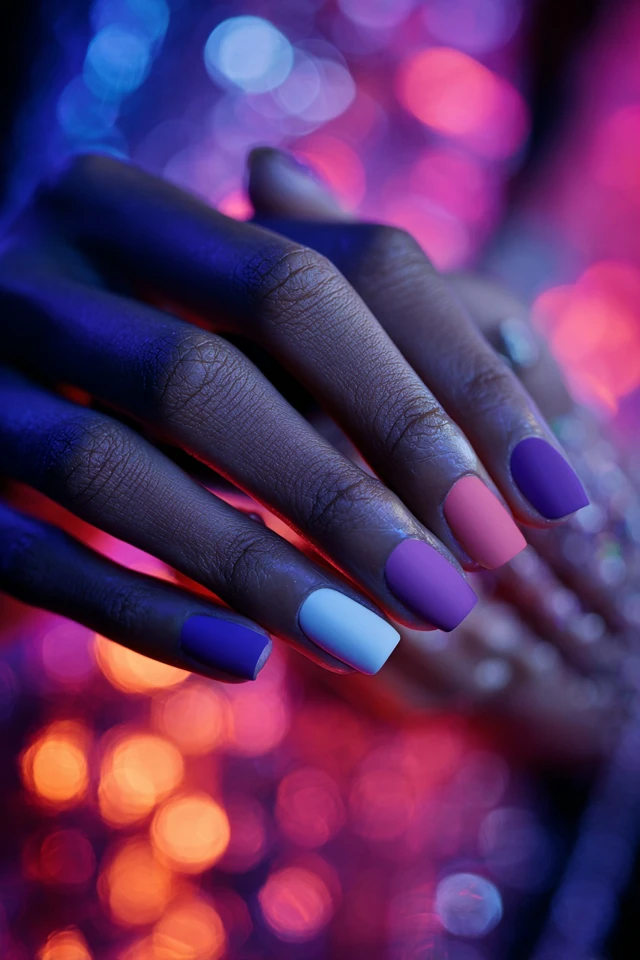
A colorful fusion manicure blends several shades into one look. The monochrome version of it stays inside a single color family: ivory, stone and charcoal, say, or three pinks from pale to deep. You get depth and variety without the busyness of a rainbow set.
The simplest way to try it: pick one base shade, then add one lighter and one darker neighbor, and vary the finish (matte on one nail, glossy on another). Below are color ideas, a step-by-step build and some notes on keeping your nails in good shape.
What is a monochrome fusion manicure?
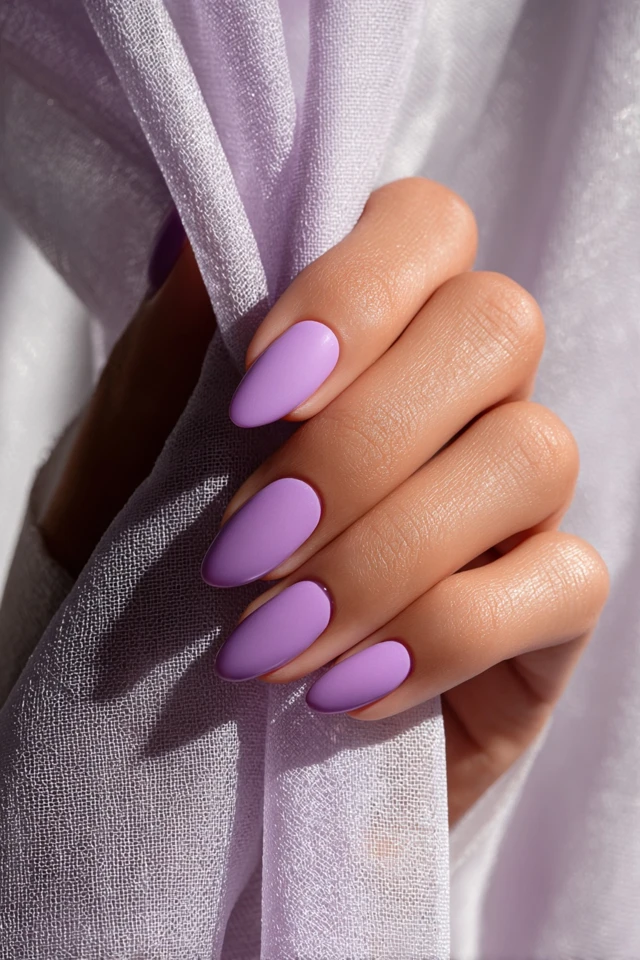
Think of it as tonal dressing for your hands. Instead of matching every nail, you pick shades that sit close together and let them melt into one another across the hand, or within a single nail as a soft gradient.
Through the lens of evidence-based design, I'd treat finish as seriously as color. A matte black and a glossy black are the same pigment, but the surface changes how light reaches your eye, so they read as two different shades. That is why a one-color manicure can still look layered.
Color fusion nail ideas to start with
These pairings stay in one family, so they look intentional even if your application isn't perfect.
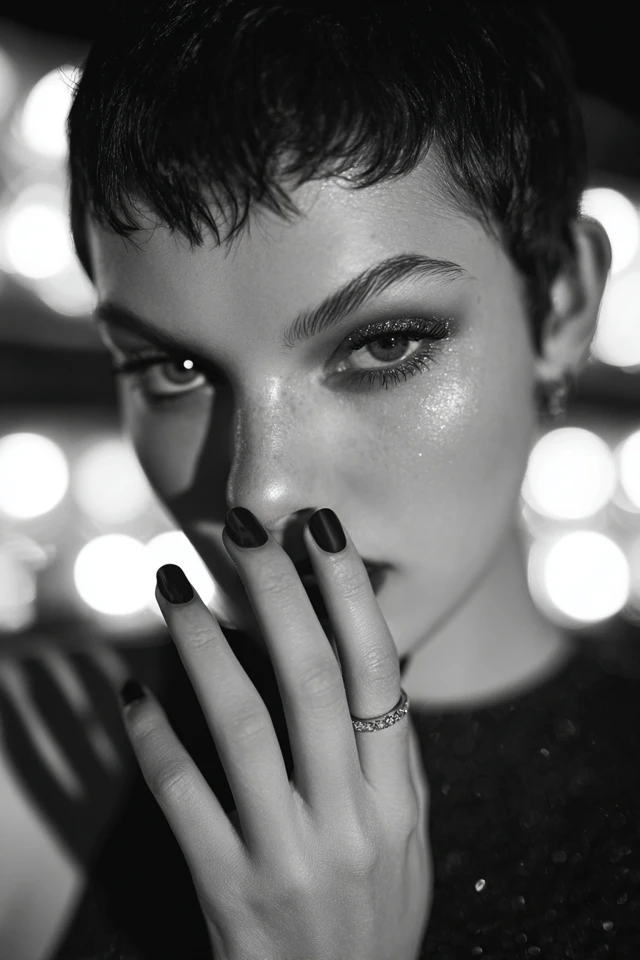
- Black, charcoal and soft gray: the classic, and the easiest to wear to work.
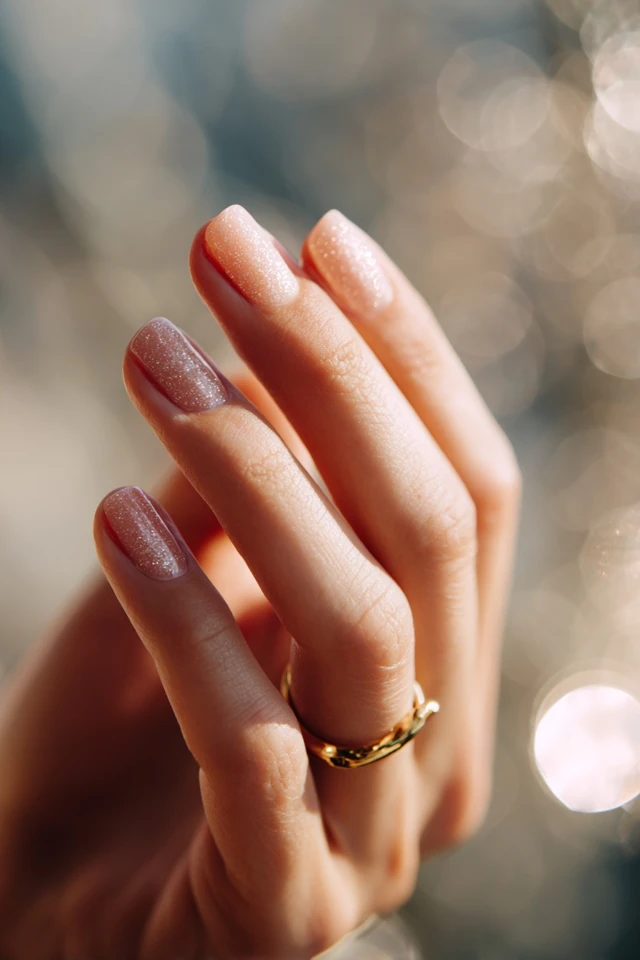
- Ivory, warm beige and taupe: quiet and close to skin tone, good for short nails.
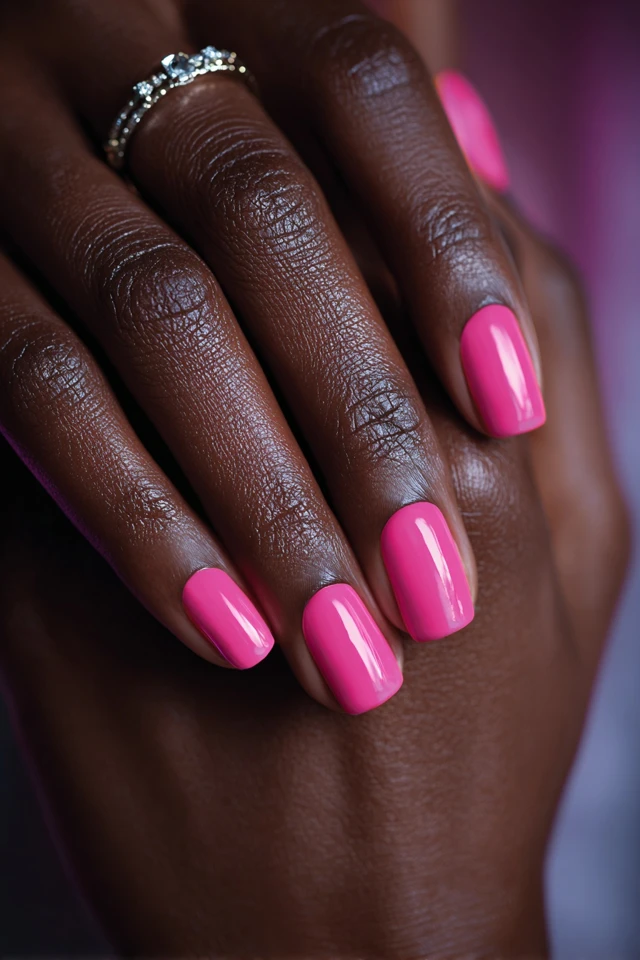
- Pale pink, rose and deep berry: see the same idea in our pink muse nails and magenta muse mani.
- Silver, pewter and graphite: cool and reflective. Have a look at the silver muse mani.
- Butter yellow, cream and gold: warmer and lighter, covered in yellow muse nails.
Which fusion nail art designs work in one color?
Keep the design simple so the color story stays calm. A few options that hold up well:
- A skittle set, where each nail is a different step in the same family.
- A subtle ombré from the cuticle to the tip, using two neighboring shades.
- Thin lines or small dots in a tone just darker or lighter than the base.
- Geometric shapes that mix matte and gloss in the same color.
For more tonal designs, browse monochrome design nails and monochrome bloom mani.
How to build the look, step by step
- Choose your base shade first. It should be the one you'd happily wear on all ten nails.
- Pick one lighter and one darker neighbor. Test the three side by side on a swatch or a nail tip, because bottle color and nail color often differ.
- Apply thin coats. Thick coats look cloudy and take longer to cure or dry.
- For a gradient, dab the two shades together at the meeting line with a sponge or a clean brush, then smooth with a top coat.
- Finish with a glossy or matte top coat, depending on the effect you want.
If you want to mix a custom shade, add tiny amounts of the second color to the base and check it in daylight. Small changes show up fast.
Which colors make hands look younger?
There is no single answer, but a few rules of perception help. Shades close to your skin tone, such as sheer pink, soft beige or milky neutrals, tend to make fingers look longer and the hand more even. Very high-contrast colors draw the eye to the nails and to anything else on the hand.
Check your undertone first. In general, cooler skin looks good with true black, slate and crisp white, and warmer skin with off-white, warm beige and charcoal. Hold the bottle next to your hand in daylight before you commit.
Gel manicure color ideas and how long they last
Gel suits a fusion manicure because the shades stay put while you work and the finish is hard to chip. For choosing among gel manicure color ideas, the neutral families above are the lowest-risk, since regrowth at the cuticle is less visible. If you wear enhancements, dermatologists at the American Academy of Dermatology note that artificial nails need touch-ups every 2 to 3 weeks as your nails grow.
A gel color change, as salons use the term, usually means swapping the polish while leaving your existing base layer. A full gel manicure removes everything and starts over. Ask which one your salon is quoting before you book.
What is the healthiest manicure for your nails?
The kindest option is plain polish, or bare nails with a clean shape and some moisturizer. If you prefer gel, the risk is mostly in removal. The Cleveland Clinic says removing gel polish carelessly can temporarily damage nails, with cracking and peeling the most common issues.
The American Academy of Dermatology says acetone is the most effective way to remove gel polish at home. Don't scrape or peel it off. For persistent nail problems, check with a dermatologist.
On dip powder, board-certified dermatologist Shari Lipner, MD, PhD, advises: "After removing the color, wait one month before getting another one of these manicures." A break between sets is a sensible habit with any long-wear system.
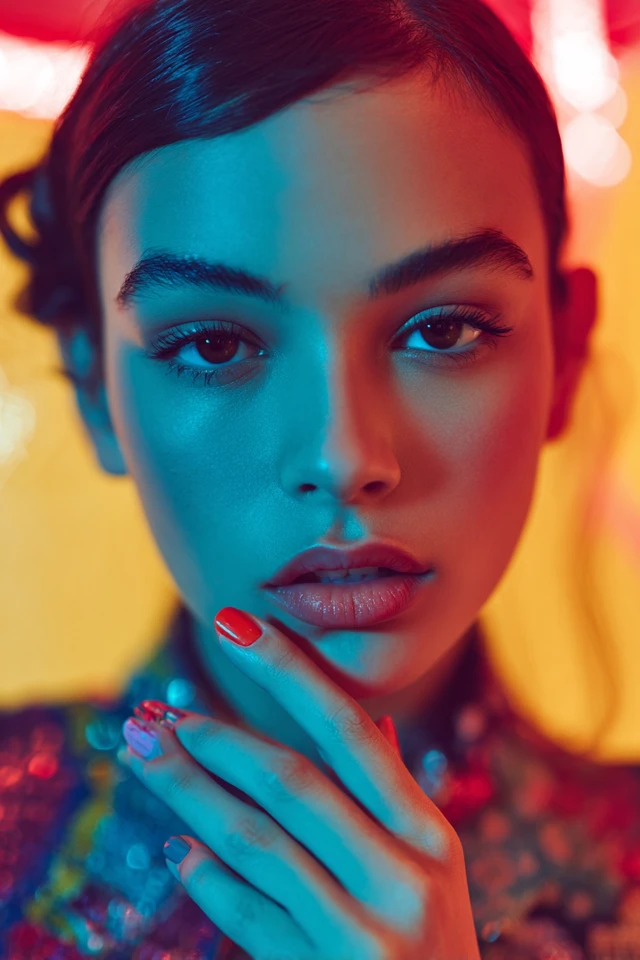
More tonal sets to browse: monochrome vibe nails and monochrome bliss manicure.
Frequently asked questions
What is the healthiest manicure for your nails?
Regular polish or bare, moisturized nails put the least stress on them. If you wear gel, remove it carefully and give your nails a break between sets. See a dermatologist for any lasting changes.
What nail color makes hands look younger?
Sheer pinks, soft beiges and milky neutrals close to your skin tone usually make the hand look smoother and the fingers longer. Check the shade against your hand in daylight.
What is the difference between a gel manicure and a gel color change?
A gel color change usually swaps only the color and keeps the existing base layer, while a full gel manicure removes the old product and rebuilds it. Confirm with your salon which service is being priced.
Can I do a fusion manicure with regular polish?
Yes. Use thin coats, let each dry fully, and blend gradients with a sponge before adding a top coat. It will wear for a shorter time than gel.
Filed under Nail Design