Round and Squoval Nails: How They Differ and Which to Pick
- Words by
- Julio Arco
- Published
- Reading
- 5 min
Choose round if you want the softest, most natural outline. Choose squoval (a square nail with rounded corners) if you want a little more structure and a flat free edge. Both are low-maintenance, and both work on short nails.
The difference is small but visible: a round nail curves all the way across the tip, while a squoval keeps a mostly straight edge and softens only the corners. That one change shifts how the nail reads on the hand.
What are squoval nails?
Squoval is a blend of square and oval. The sides run straight, the tip is mostly flat, and the corners are rounded off so nothing snags on sleeves or hair. It gives you the tidy look of a square nail without the sharp points that tend to catch and break.
Round vs squoval nails compared
| Feature | Round | Squoval |
|---|---|---|
| Tip | Curved across | Mostly flat, corners softened |
| Overall feel | Soft, understated | Neat, a bit more structured |
| Snag risk | Very low | Low |
| Best length | Short to medium | Short to medium-long |
| Filing effort | Easy to freehand | Needs a steady, even edge |
If you are weighing round and squoval nails against a true square, the square has sharper corners, which look crisp but catch more easily. Squoval keeps most of the shape and loses most of the risk.
Which nail shape suits my hands?
Look at your nail beds first. Narrow, long nail beds usually look balanced with either shape. Wide, short nail beds often look a little longer with a rounded tip, because the curve draws the eye up the nail rather than across it.
For broader fingers, a rounded or softly squared tip that follows the shape of your fingertip tends to look natural. Very flat, wide edges can make a nail read wider. Through the lens of evidence-based design, I'd keep the outline close to the shape of your fingertip, because the eye reads a shape that echoes its surroundings as calmer and more proportionate.
It is a quick test: hold your hand out and look at the curve of your fingertip. Match that curve for round, or flatten only the very top for squoval.
Best nail shape for short nails
Both shapes work. Round is the safest pick for very short nails, since it follows the fingertip and does not look cut off. Squoval nails short enough to sit at the fingertip still look polished if you leave a thin, straight edge and soften only the corners.
Keep the sides of the nail fairly straight on either shape. Filing deeply into the sides narrows the nail and makes it look shorter.
Squoval nails for fragile nails
Soft or peeling nails do better with shapes that have no sharp corners, since corners are where nails catch and split. Squoval and round both fit that. Keep the length modest and file lightly.
Be careful with enhancements. The American Academy of Dermatology notes that to get acrylic nails to stick, the natural nail surface must be filed until it feels rough, which thins the nail and makes it weaker. If your nails are already fragile, plain polish on a short squoval or round shape is the gentler route. For persistent splitting or pain, check with a dermatologist.
How to shape nails at home
- Remove old polish and wash your hands, then trim to the length you want.
- Use a fine-grit file (180 grit or finer) and file in one direction, from the side toward the center, rather than sawing back and forth.
- For round, follow the curve of your fingertip from one side to the other.
- For squoval, file the tip straight across first, then angle each corner gently until it is rounded.
- Check from above and from the front so both sides match, then smooth the edge with the file held flat.
If you wear gel, removal matters as much as shape. According to the AAD, acetone is the most effective way to remove gel polish at home. The Cleveland Clinic adds that careless removal can temporarily damage nails, and cracking and peeling are the most common issues.
Polish colors and simple designs for each shape
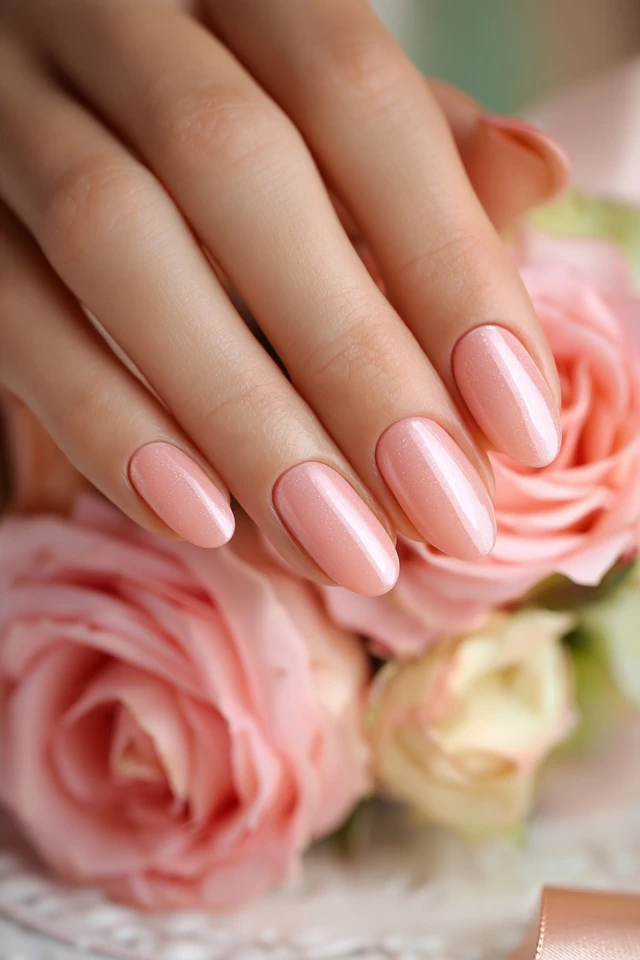
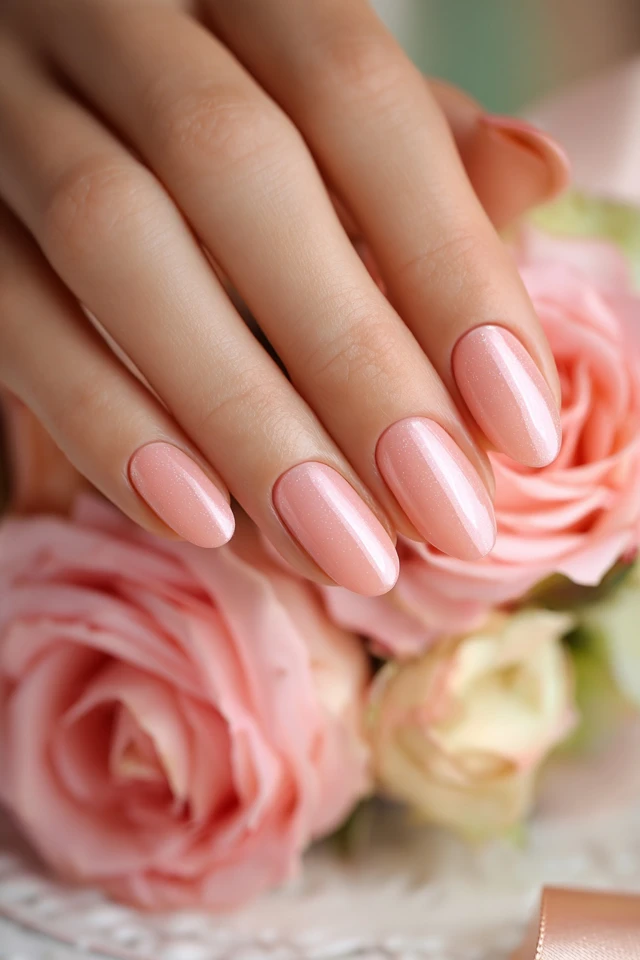
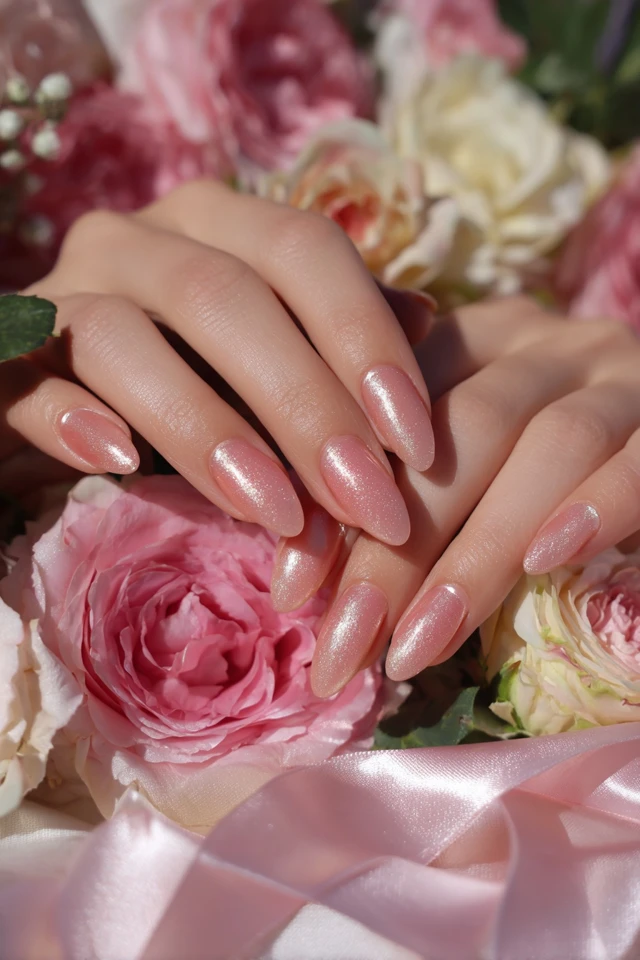
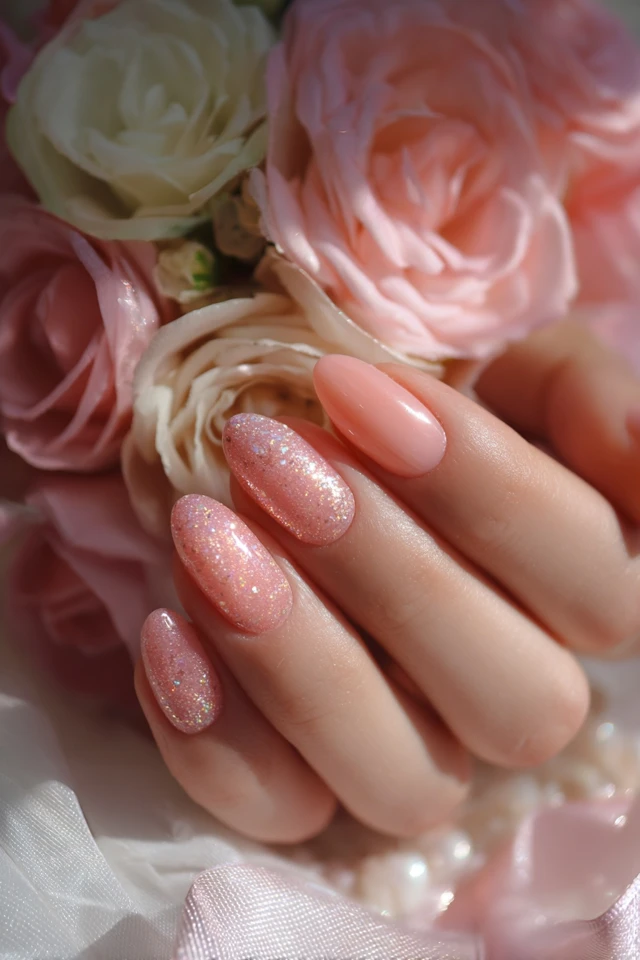
Sheer nudes and soft pinks suit both shapes and are the easiest place to start for round and squoval nails with a simple finish. Because both outlines are gentle, sheer colors keep the look clean, and a glossy top coat adds shine without extra detail.
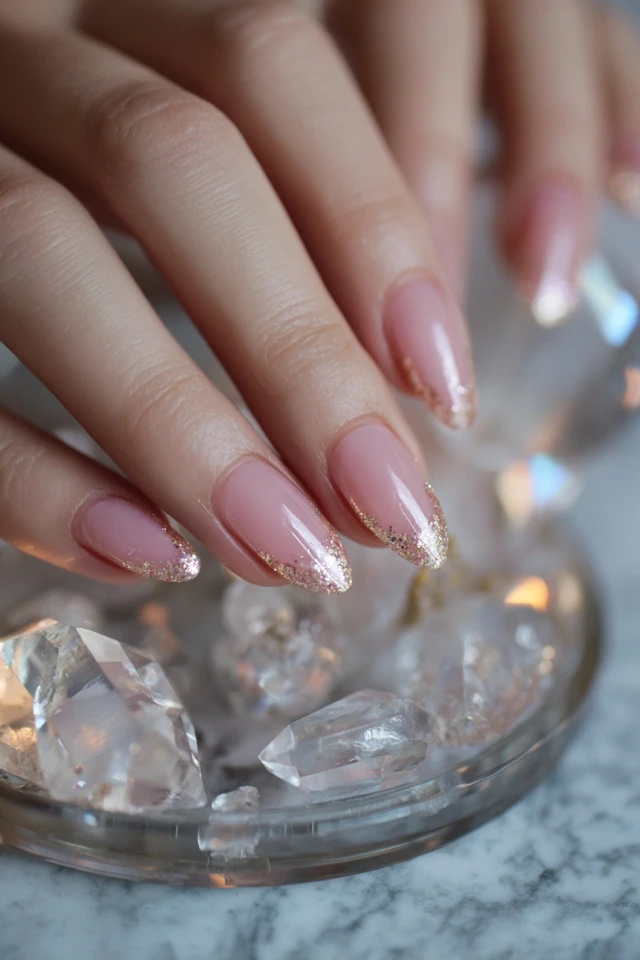
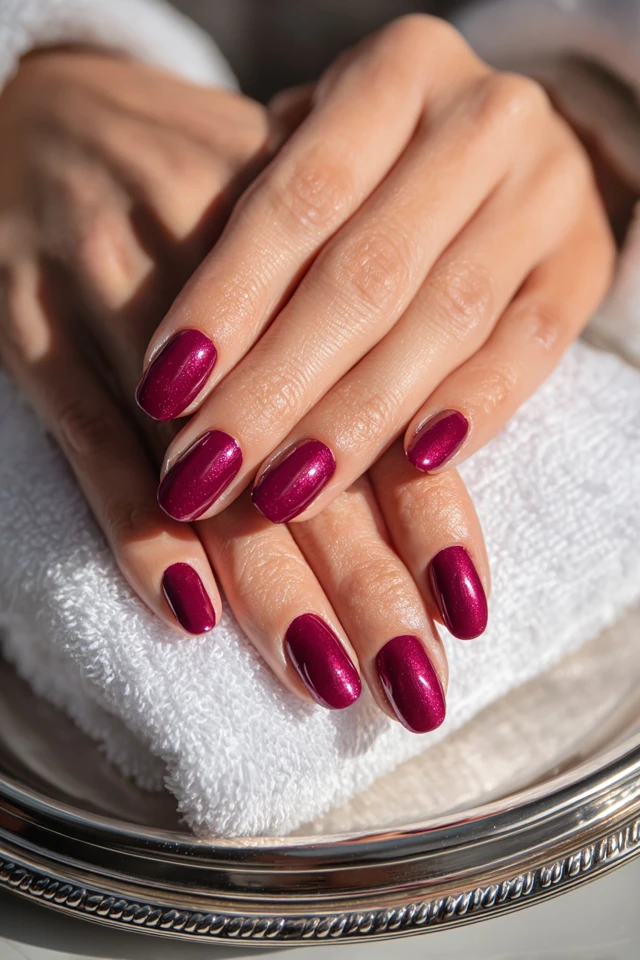
Round nails suit a thin curved French tip or a single accent nail. Squoval nails carry a straighter French line well, and darker shades like deep navy or burgundy look crisp on the flatter tip.
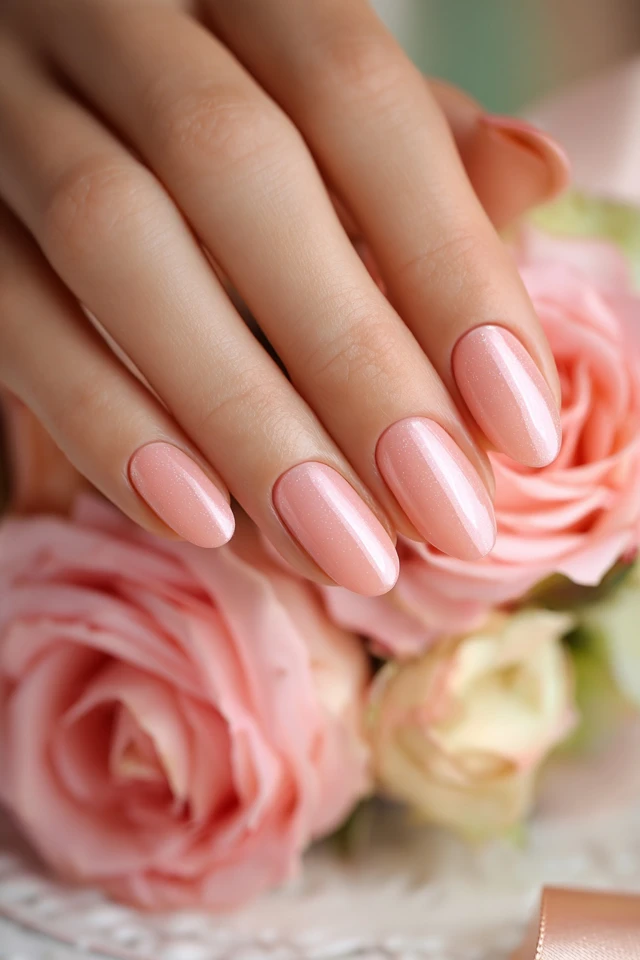
Texture changes how a color reads. A glossy finish reflects light and looks deeper, while a matte finish looks flatter and softer, so the same shade can seem like two different colors.
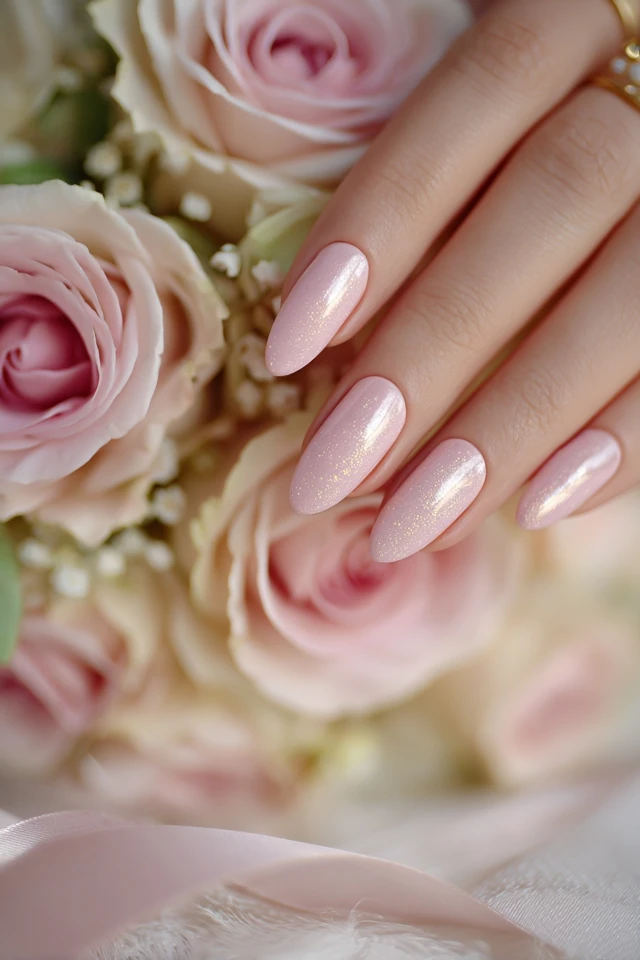
For more rounded ideas, see luxe round nails and signature round silhouette nails. If you like a pared-back look, artful minimalist design nails and monochrome design nails pair well with either shape.
Keeping the shape tidy between manicures
Re-file lightly every week or so, before small chips grow into breaks. Dermatologist Chris Adigun, MD, FAAD, says "Looking closely at your nails after removing the color helps you spot a problem early."
If you like a bit of edge, timeless V-tip design nails are a good next step once you are comfortable with your base shape.
Frequently asked questions
Should I get round or squoval nails?
Pick round for the softest, most natural look, especially on very short nails. Pick squoval if you want a bit more structure but still no sharp corners.
What is the classiest nail shape?
Classic choices are round and squoval in a short to medium length with a sheer or neutral polish. They look neat and keep the focus on the color and finish.
What nail shape is the most attractive?
It depends on your hands. A shape that follows the curve of your fingertip usually looks the most balanced, which is why round and squoval are such common picks.
Are squoval nails in for 2026?
Squoval is a long-standing, wearable shape rather than a fast trend, so it is unlikely to look dated. Short, soft shapes are a steady choice.
Filed under Nail Design