Minimalist Dresses for Small Intimate Weddings
- Words by
- Julio Arco
- Published
- Reading
- 4 min
The dress code on an invitation tells you how formal the day will be, and it is usually easier to decode than it looks. Black tie means a floor-length gown or tuxedo, cocktail means a knee-length or midi dress or a suit, and garden party or beach means lighter fabrics and shoes that cope with the ground.
Below, each code is explained for women and men, followed by what to skip. If the invitation says nothing, the venue and time of day will tell you most of what you need.
White tie and black tie
White tie is the most formal code and is rare. Women wear a full-length formal gown; men wear a tailcoat, white bow tie and waistcoat.
Black tie is more common. For the wedding guest dress code women usually follow here, think a floor-length dress in a fabric with some weight, such as crepe, satin or velvet. Men wear a tuxedo with a black bow tie and polished dress shoes.
What does black tie optional mean?
Black tie optional wedding attire gives you a choice. Men can wear a tuxedo or a dark, well-fitted suit with a tie. Women can wear a long dress, or a very elegant midi if the fabric looks dressy. If you are unsure, go a step toward the formal side.
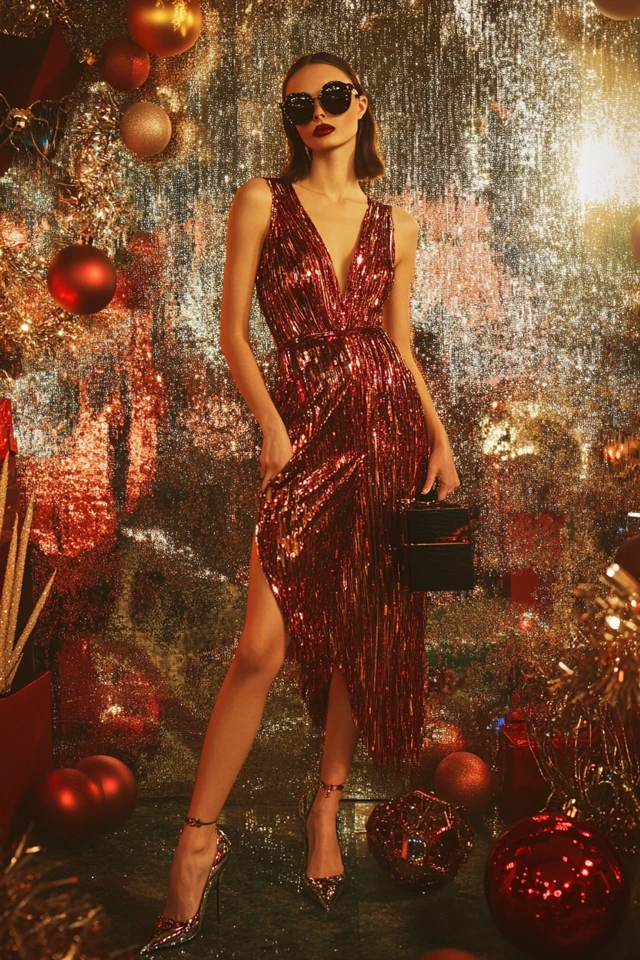
Evening weddings in winter suit deeper, textured looks like velvet dresses or a metallic midi.
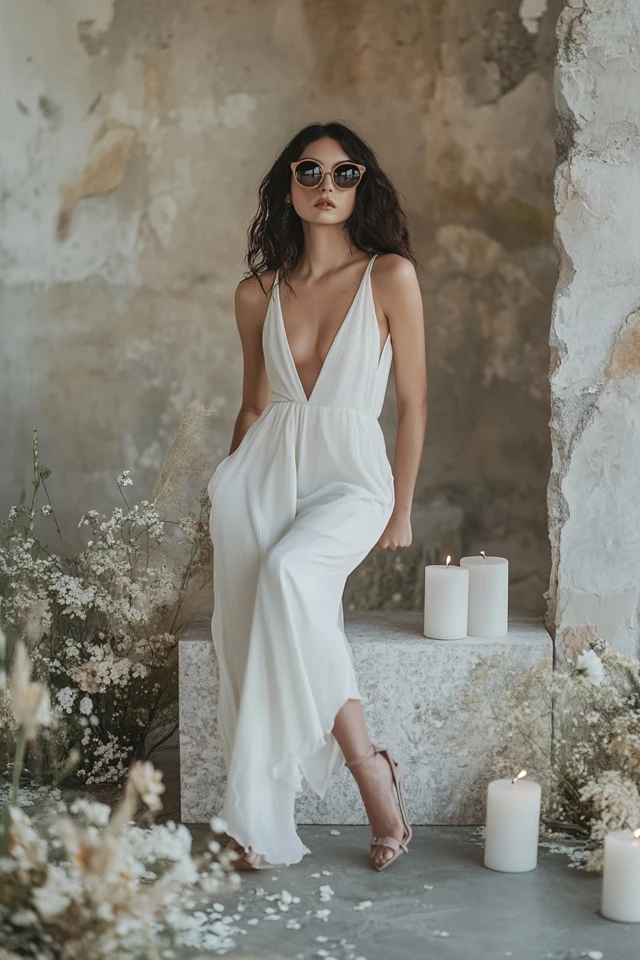
Formal attire
Formal sits just under black tie. A long dress or an elegant midi works for women, and a dark suit with a tie works for men. Skip the tuxedo unless the couple has hinted at it.
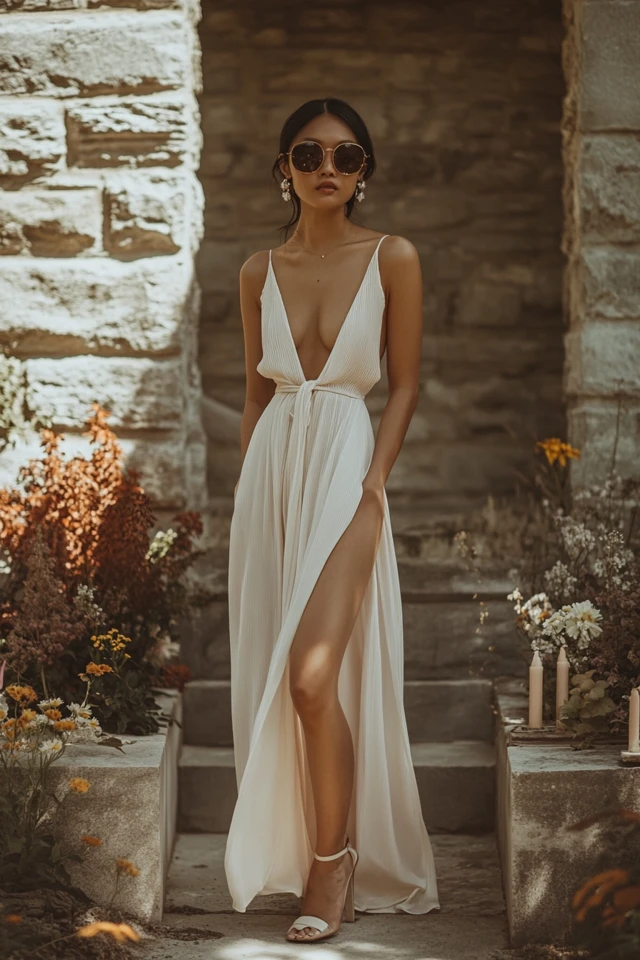
A sleek silhouette helps here. Clean lines and a matte fabric such as crepe read as polished without needing much jewelry.
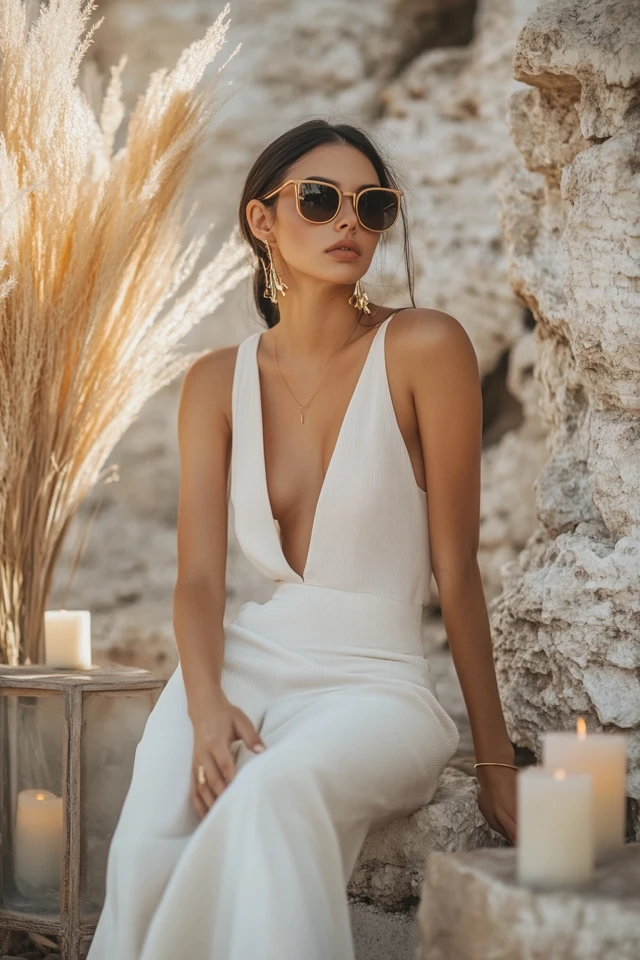
Cocktail and semi-formal attire
Cocktail wedding attire means a dress that falls around the knee to mid-calf, or a dressy jumpsuit, with a suit and tie for men. A semi formal wedding guest outfit is a notch softer: a lighter suit, or a dress in a simpler fabric, still with real shoes rather than casual ones.
- Women: a midi dress, a tailored jumpsuit, or a skirt and top in matching fabric.
- Men: a suit in navy, charcoal or a mid-tone, with a shirt and tie. A jacket is expected even in warm weather.
For a simple starting point, see this minimalist wedding guest inspiration post.
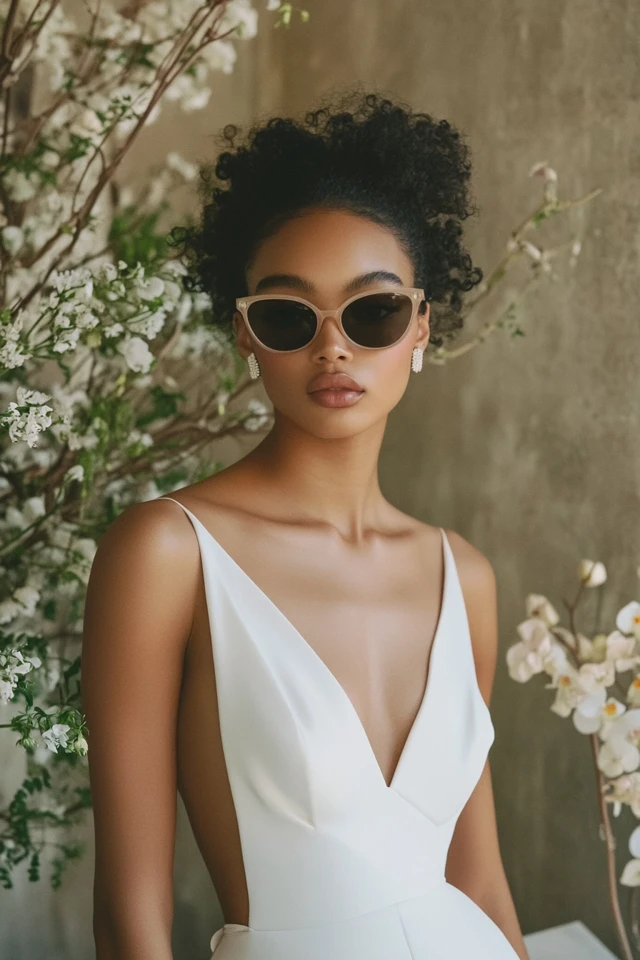
Garden party and outdoor weddings
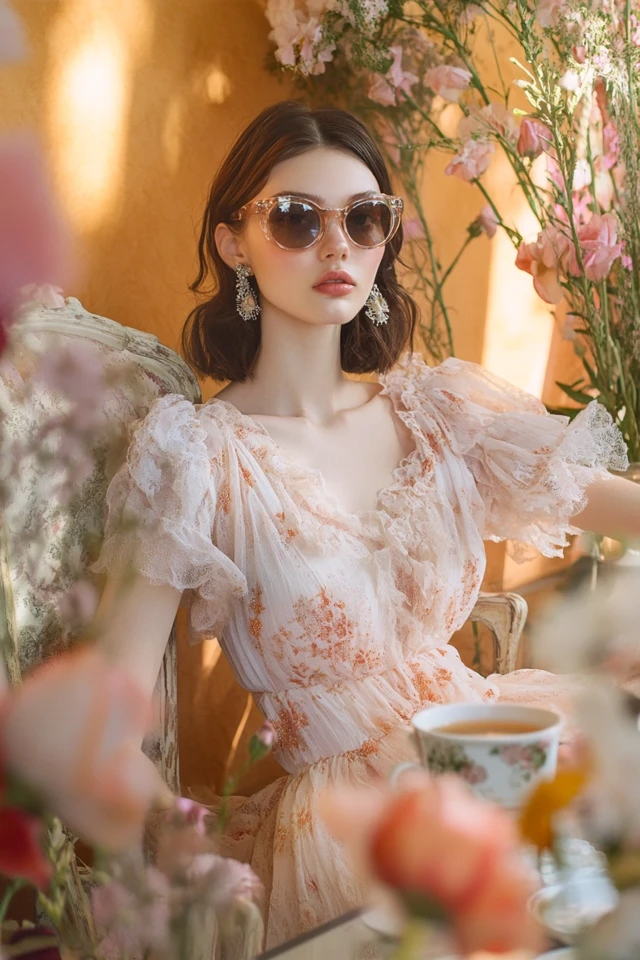
Outdoor weddings call for fabrics that move and breathe. Women can choose a flowy midi in a floral print or a soft solid, such as a flowy floral dress. Block heels or wedges are easier than stilettos on grass.
Men can lighten the suit: linen blends, tan or light gray, and loafers instead of heavy dress shoes. Through the lens of evidence-based design, I'd pay attention to texture here, because a lightweight weave in a pale color reads relaxed in daylight and still looks put together.
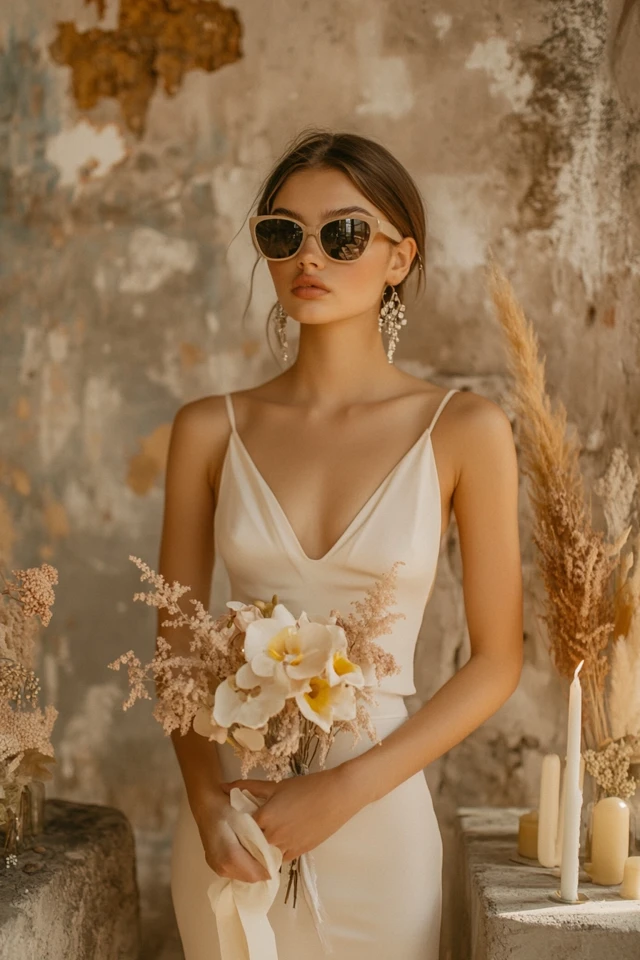
Beach and destination dress codes
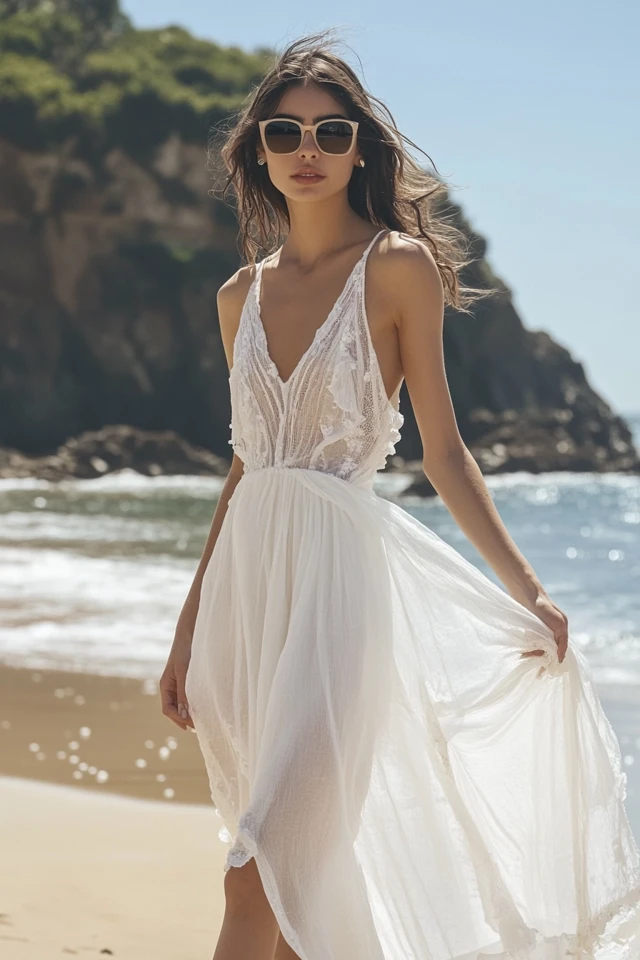
Beach formal does not mean a swimsuit cover-up. Women can wear a long, light dress in chiffon or cotton, as in these flowy beach dresses. Men can wear a linen shirt and trousers, with a jacket if the code says formal.
Flat sandals or wedges work better than heels in sand. Check the venue for wind, since a very full skirt can be a nuisance.
Festive and themed dress codes
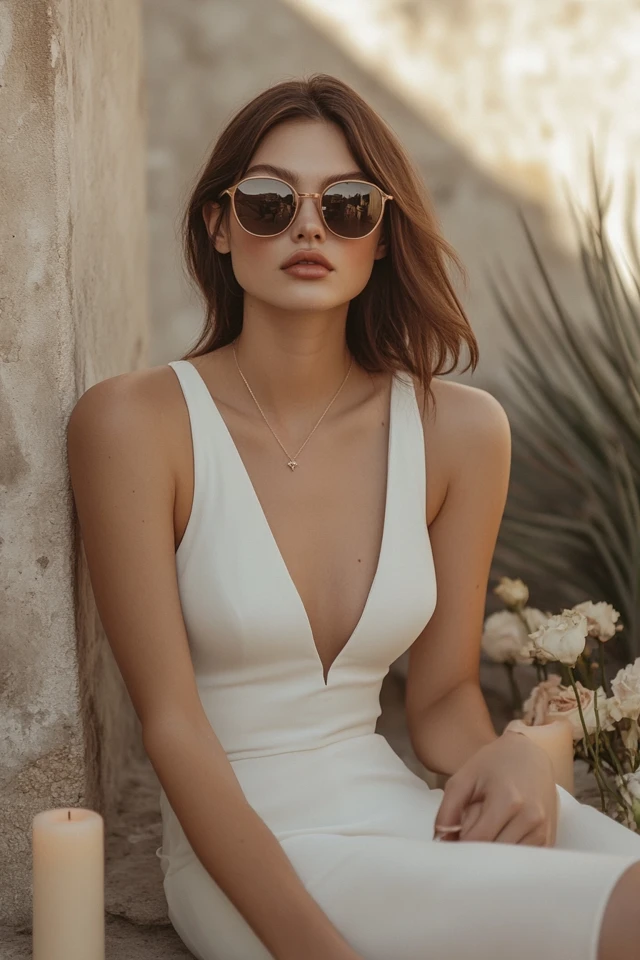
A festive code invites color, sparkle or a seasonal feel: jewel tones in winter, brighter shades in summer. A themed code, such as a specific color palette, is a request, so follow it as closely as you reasonably can.
Clothing can change how people behave and feel. A Frontiers study on uniforms found that wearing a Red Cross uniform led to more prosocial behavior compared to civilian clothing. Dressing for the occasion is a small way of joining in on it.
What if there is no dress code?
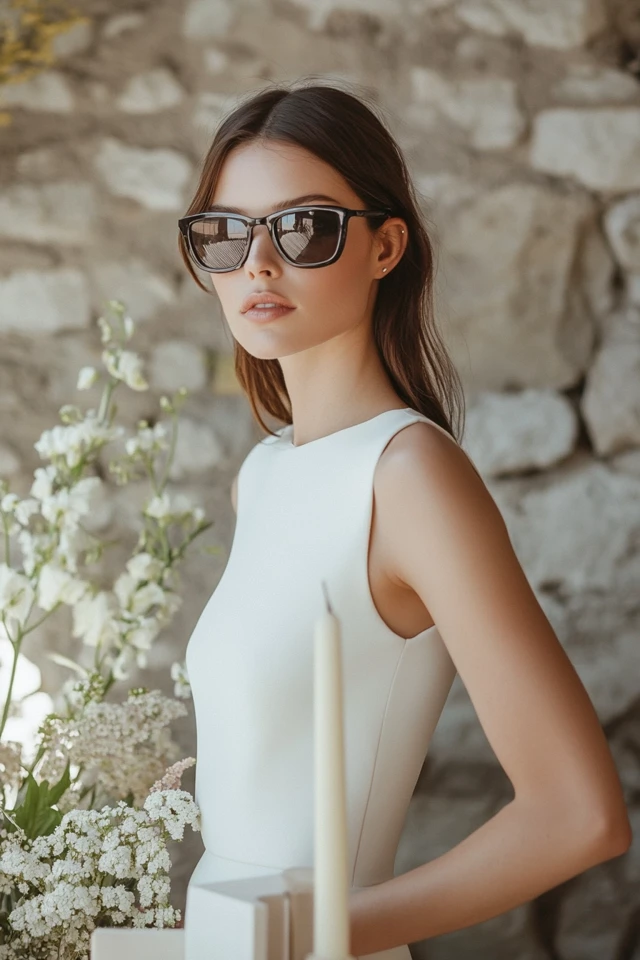
Read the clues: the venue, the time of day and the wording of the invitation. A church or hotel ballroom in the evening points to cocktail or formal. A backyard or courthouse in the afternoon points to a polished but relaxed look, such as a midi dress or an unstructured blazer.
When in doubt, ask the couple or someone in the wedding party. Most hosts are glad to answer.
What is not appropriate to wear as a wedding guest?
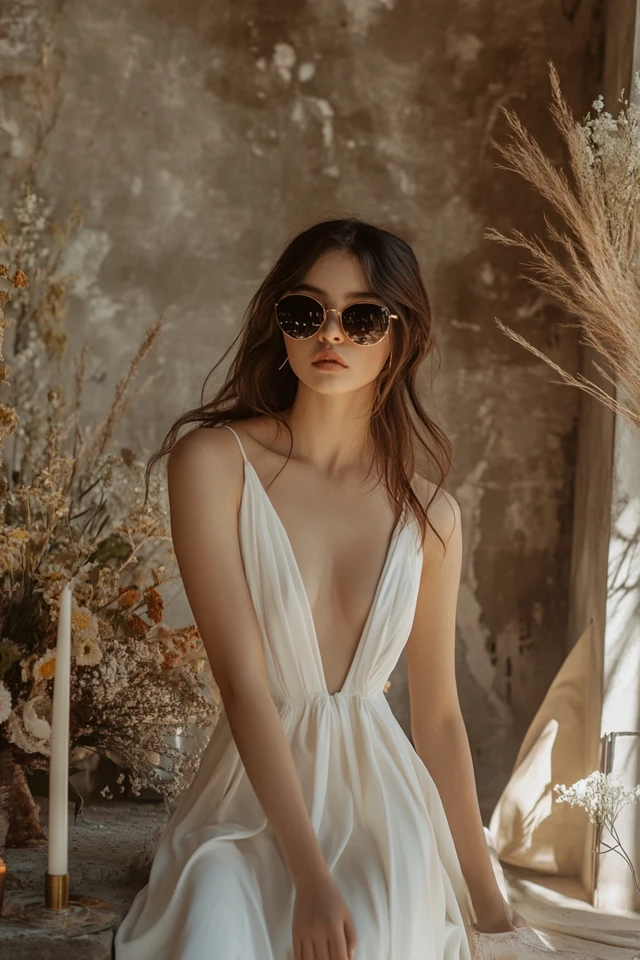
- White, ivory or very pale cream, unless the couple asks for it.
- Jeans, sneakers or athletic wear, unless the invitation clearly says casual.
- Anything that competes for attention, like a very short hem with a plunging neckline, at a traditional ceremony.
- Wrinkled or visibly worn clothing. Fit matters: a jacket that pulls at the shoulders is a fit problem, not a you problem, so tailor or swap it.
For warm-weather ceremonies, sheer overlay dresses should have a lining that gives enough coverage in daylight.
Frequently asked questions
What should a wedding guest dress be?
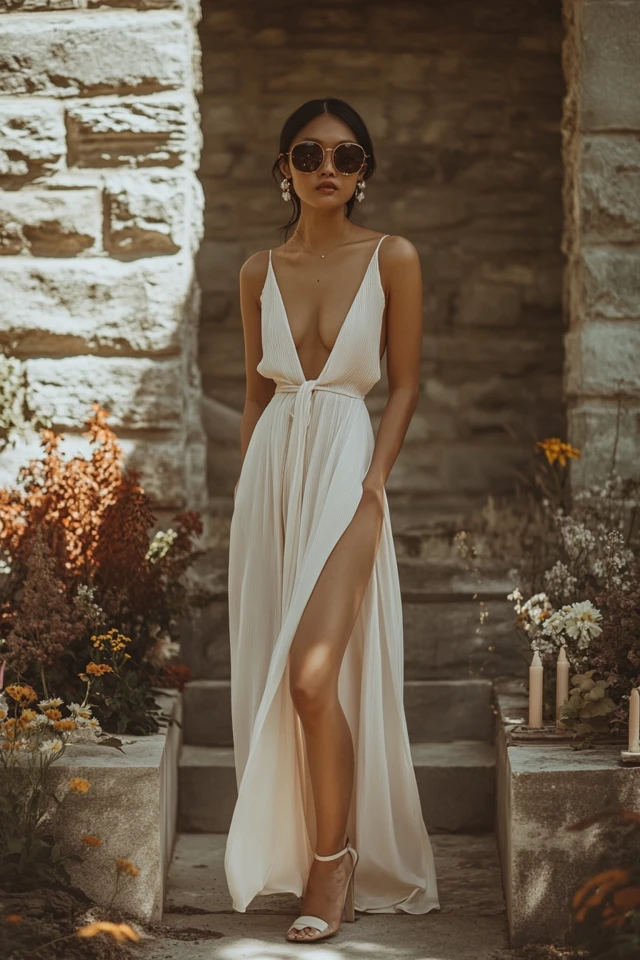
It should match the formality on the invitation and the time of day: floor-length for black tie, midi or knee-length for cocktail. Pick a fabric that suits the season and a color that is not white.
What to wear in a wedding as a guest?
Check the dress code first, then the venue. A dress or tailored suit in a solid or soft print is a safe choice for most weddings, with comfortable shoes you can wear for hours.
How do you tell wedding guests about dress code?
Put the code on the invitation or wedding website in plain words, such as cocktail attire or black tie optional. A short line about the venue, such as outdoors on grass, helps guests choose shoes.
What is not appropriate to wear as a wedding guest?
Avoid white or ivory, casual items like jeans or sneakers at formal events, and anything that pulls attention from the couple. When the dress code is formal, also skip very casual fabrics.
Filed under Occasionwear