Silk Lace Sheer Fabrics: Types, Names and How to Wear Them
- Words by
- Julio Arco
- Published
- Reading
- 5 min
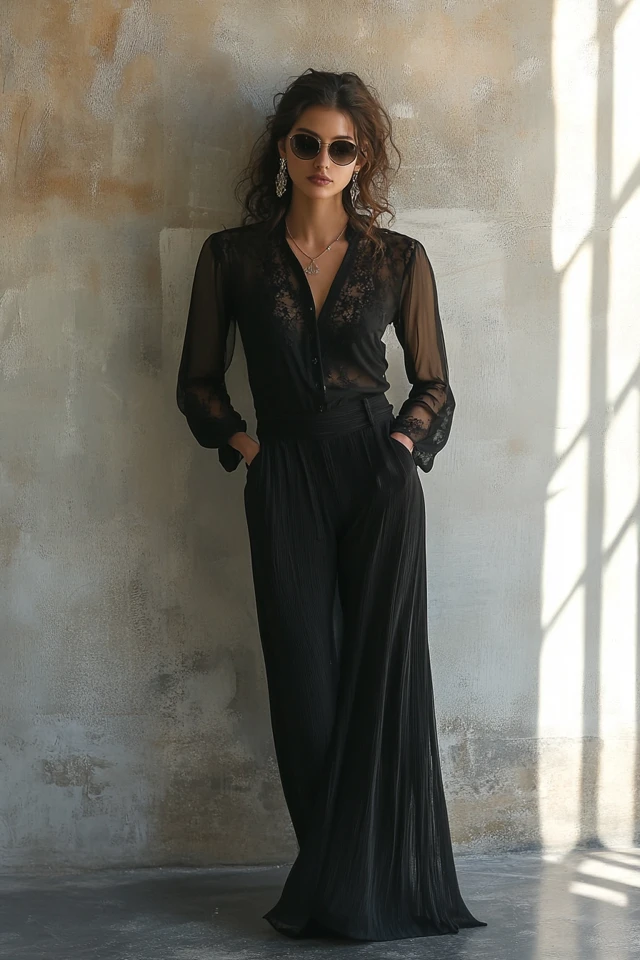
Sheer silk is usually sold as chiffon, organza or georgette, and yes, silk lace exists: it is lace made with silk thread or woven in a silk base. For special occasions, the easiest way to use these fabrics is in a layer: a sheer sleeve, an overskirt, a lace panel over a satin slip.
Below you will find what each fabric is, how they differ, how to combine them with satin, and what to check when buying by the yard.

What is sheer silk fabric called?
There is no single name. Sheer silk goes by the weave or finish: chiffon, organza, georgette, and sometimes voile or gauze. Each lets light through, but they behave differently on the body.
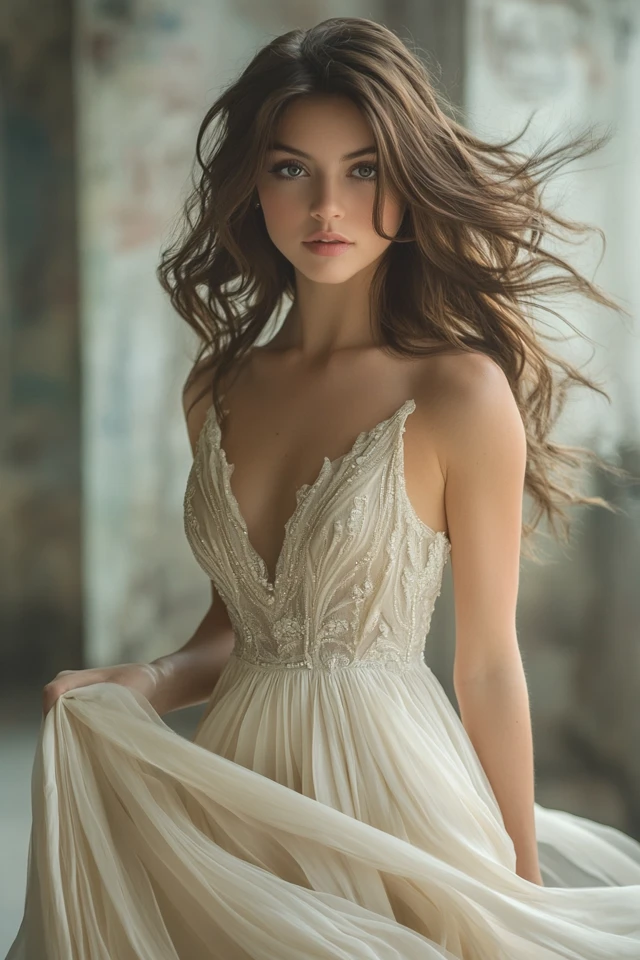
The FIT Museum notes that silk can be woven into an airy, plain-weave chiffon that floats away from the body, or into a compound weave that makes a dense material falling in dramatic folds. Same fiber, opposite effects. That range is why silk suits both a featherweight scarf and a heavy evening gown.
Chiffon, organza and georgette: how do they differ?
| Fabric | Feel and look | Best used for |
|---|---|---|
| Chiffon | Soft, floaty, light | Scarves, sleeves, flowing overlays |
| Organza | Crisp, holds its shape, catches light | Structured sleeves, volume, bows |
| Georgette | Slightly crinkled, matte, drapes well | Blouses, dresses, wide trousers |
Through the lens of evidence-based design, I'd think about texture before color here. A crisp organza and a soft chiffon in the same shade do not read as the same color, because the surface changes how light reaches the eye. Organza looks brighter and sharper, chiffon looks softer and deeper.

Is there such a thing as silk lace?
Yes. Silk lace fabric is lace made from silk yarn, or a delicate lace pattern worked on a sheer silk ground such as chiffon or tulle. Much of the lace you see in stores is cotton, nylon or polyester, so check the fiber label if silk matters to you.
Silk lace tends to feel softer and drape more fluidly than stiff synthetic lace. It also costs more, so it makes sense for one focal piece, like a bodice panel or a bridal robe, rather than a whole wardrobe.

What is the most sheer see-through fabric?
Among common dress fabrics, silk chiffon, tulle and fine voile are usually the most see-through. They are all lightweight sheer fabric, and the more open the weave, the less coverage you get.
If you want the look without the exposure, add a lining. New Mexico State University's extension guide explains that underlining can add opaqueness to fabric or create a special color effect for sheer fabrics. A nude or matching underlayer gives coverage, while a contrasting one changes the color you see.
How to combine sheer silk with satin
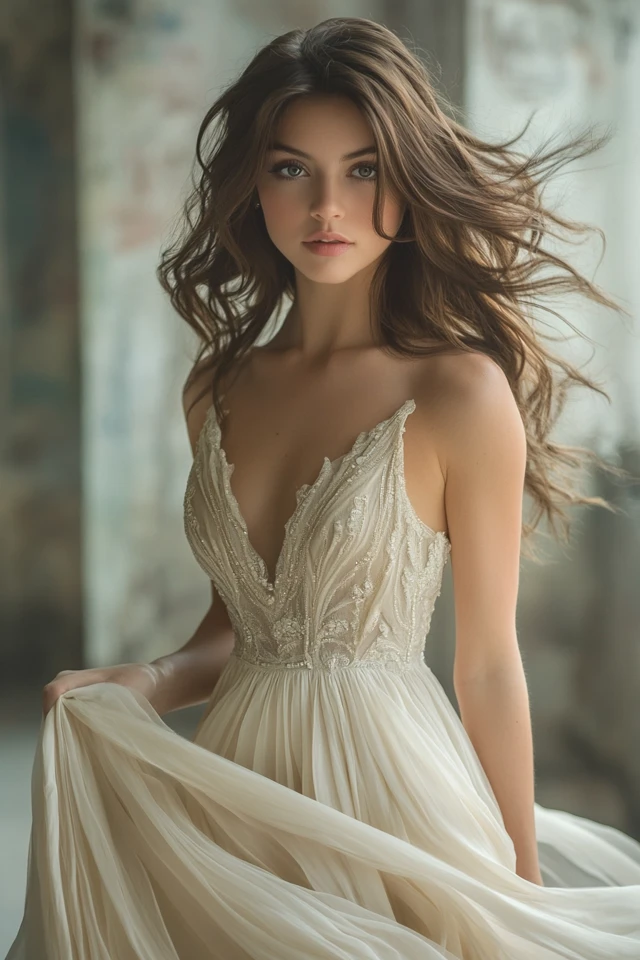
Pairing sheer with a glossy surface gives contrast without adding bulk. A few combinations that work:
- A satin slip dress under a chiffon or lace overlay in the same color family.
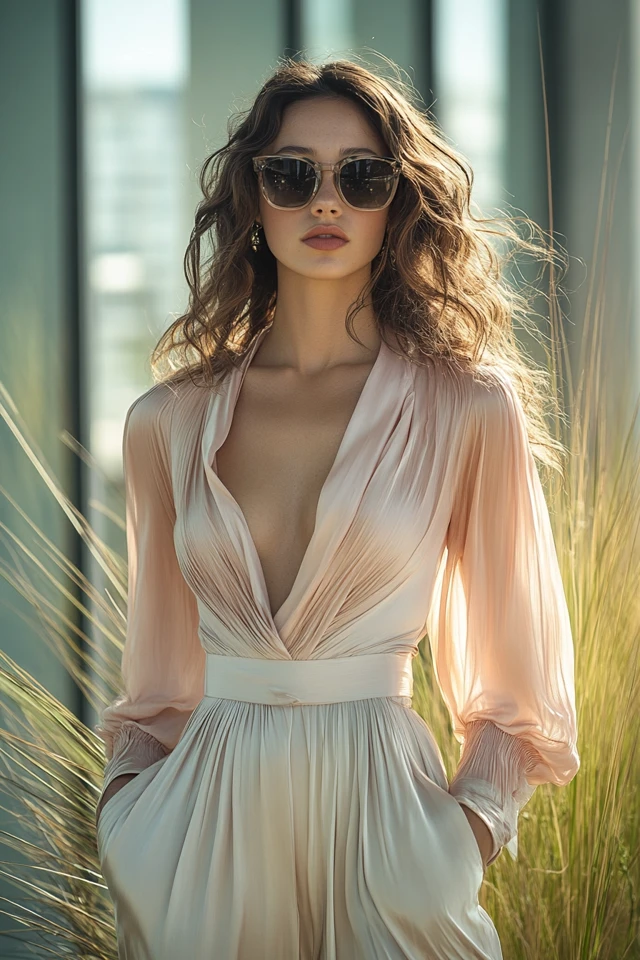
- An organza sleeve on a plain satin bodice.
- A lace top with a satin skirt, in ivory, champagne or navy.
- A georgette blouse with satin or silk trousers.
Keep one fabric as the star. If the lace is detailed, let the satin stay plain and the jewelry delicate. For more layering ideas, see elegant silk sheer layers, and for heavier evening looks, holiday ball gowns in luxurious fabrics.

Buying silk lace sheer fabrics by the yard
When you shop for silk lace sheer fabrics by the yard, look at the label first. Pure silk should say silk, and a blend should list percentages. Ask for a swatch if you can, and hold it against the lining you plan to use, since that pairing decides how sheer the finished piece looks.
As an architect trained in evidence-based design, I'd also check hand feel. Rub the swatch between your fingers: it should feel smooth and cool, not scratchy at the edges, because a fabric that irritates will not get worn.
Sheer fabrics fray and snag easily, so plan for French seams or a licensed seamstress's help if you are not used to sewing them.

Caring for silk, satin and sheer layers
Most special-occasion silk and satin is safest dry-cleaned. If the label allows hand washing, use cold water and a mild detergent, and steam rather than iron to release wrinkles. Store on padded hangers in a cotton garment bag, away from direct sun.
For a spill, blot rather than rub and avoid heat. The University of Georgia Extension advises to treat stains immediately, since stains set by heat will be difficult to remove. The same page warns that ammonia damages silk and wool. For a stubborn stain on a good piece, a professional cleaner is the safer call.

Styling ideas for special occasions
Sheer fabrics already carry a lot of detail, so keep the rest simple. A few pointers:
- Choose seamless undergarments or a slip, since satin and sheers show every line.
- Pick one statement: lace sleeves or a bold clutch, not both. A statement clutch works well with a quiet sheer dress.
- Wear delicate jewelry and a soft updo or waves, or see these hair accessory tips.
- For a morning-of look, a satin robe pairs nicely with lace trim.
For colder events, add a tailored blazer, shawl or faux fur stole over the sheer layer, and consider a heavier silk such as velvet or crepe for the main piece.

Frequently asked questions
What is a delicate silk fabric called?
Silk chiffon is the one most often described as delicate, followed by organza and georgette. All three are lightweight and need gentle handling and dry cleaning or careful hand washing.
Is there such a thing as silk lace?
Yes. It is lace made from silk yarn or worked on a silk base like chiffon or tulle. Check the fiber label, because much lace sold today is nylon or polyester.
What is the most sheer see-through fabric?
Tulle, silk chiffon and fine voile are among the most see-through. A lining or slip adds coverage when you need it.
Can I wear silk and satin in colder seasons?
Yes, with layers. Add a blazer, shawl or stole, choose heavier weights like silk velvet or crepe, and wear tights and closed-toe shoes.
Filed under Fabrics & Textures