Silk Lace Sheer Fabrics: Types and How to Accessorize
- Words by
- Julio Arco
- Published
- Reading
- 4 min
Silk lace sheer fabrics are light, see-through materials made from silk threads or sold alongside silk chiffon, organza and georgette. The easiest way to accessorize them: let the fabric be the soft element, then add one or two pieces with structure, such as a metal chain, a leather bag or a pointed heel.
Below you'll find what each sheer fabric is called and how it behaves, followed by pairing formulas by style, color and neckline.
Is there such a thing as silk lace?
Yes. Silk lace is lace made with silk yarn, or silk fabric with a lace pattern. Many shops also use "silk lace fabric" loosely for blends, so check the fiber label if you want pure silk. Silk is a good base for sheer work because the same fiber can behave very differently depending on the weave. The Museum at FIT's Fabric In Fashion exhibition notes that silk can be woven into an airy, plain-weave chiffon that floats away from the body, or into a dense compound weave that falls in dramatic folds.
What is sheer silk fabric called?
There is no single name. The common ones are:
- Chiffon: very light, soft and floaty, with a slightly rough, matte feel.
- Georgette: similar to chiffon but a little crinkled and more opaque, so it drapes without clinging.
- Organza: crisp and stiff, so it holds shape in sleeves, overlays and ruffles.
- Lace: an open, patterned structure rather than a plain weave.
Tulle and mesh are net-like sheers, usually not silk. If you are looking for the most sheer see-through fabric, fine tulle and chiffon are the usual answers, though it depends on the thread and the weave. Any lightweight sheer fabric becomes more or less see-through depending on what is under it.

How do you handle what's underneath?
The base layer is part of the outfit. A slip or camisole close to your skin tone keeps the look quiet, while a contrasting layer (black under ivory, for example) makes the sheer pattern stand out. For sewing your own, New Mexico State University's extension guide says underlining can add opaqueness to fabric or create a special color effect for sheer fabrics.
Through the lens of evidence-based design, I'd choose the underlayer first, because it changes how the sheer reads. The same lace looks delicate over skin tone and graphic over black.
How do you balance soft fabric with accessories?
Sheer fabric is soft and moves. Accessories supply the opposite: edges, weight and shine. Pick one of two directions.
- Keep it quiet: thin chains, studs, small pearls and a neutral bag let the lace or chiffon lead.
- Add contrast: a chunky chain, geometric earrings or a structured bag gives sheer a sharper, more modern feel.
Avoid piling on both. If the fabric has a busy pattern, like lace, one accessory with a clear focus is usually enough.
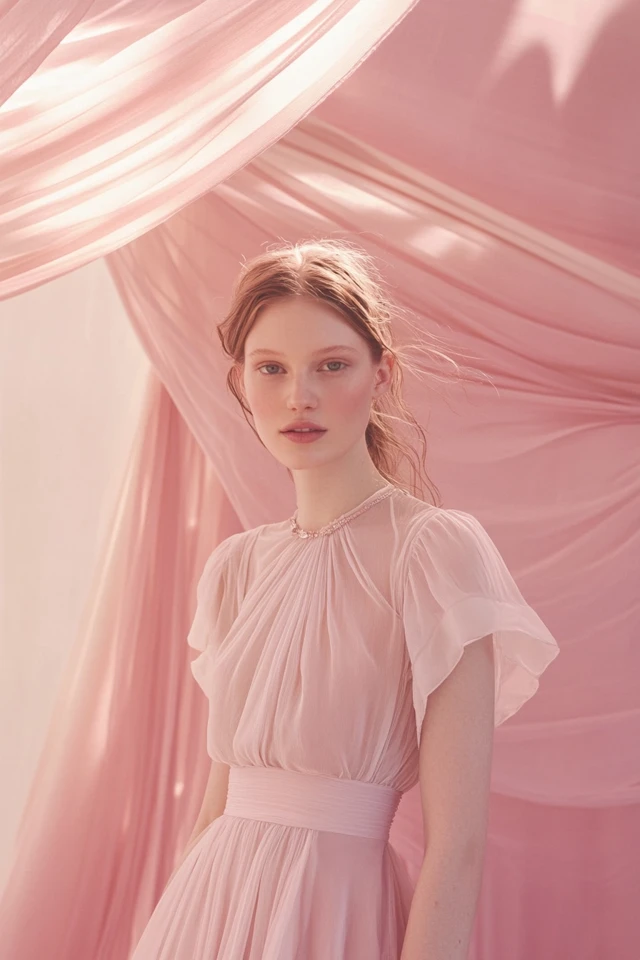
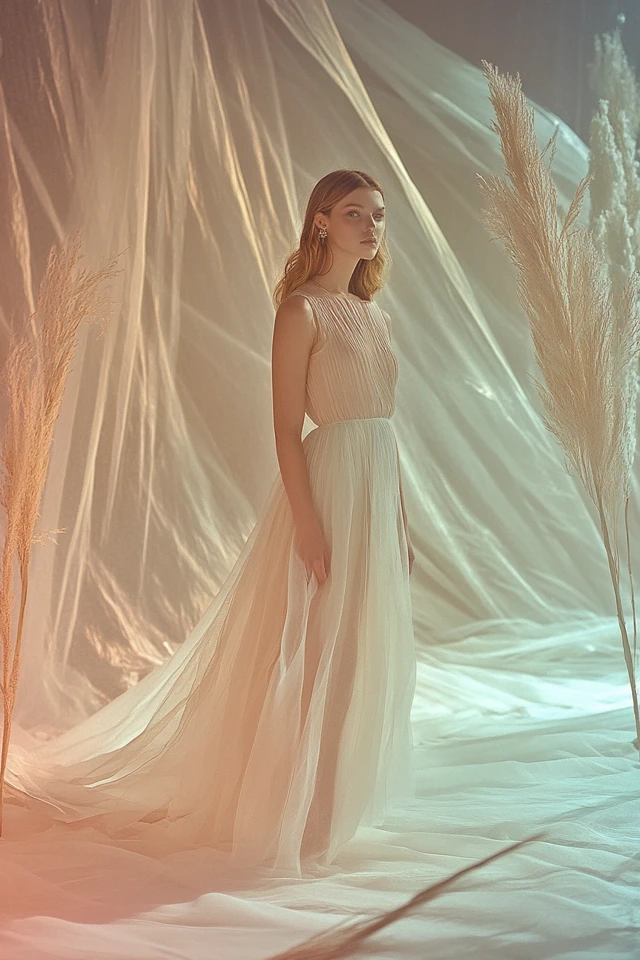
Accessory pairings by style
Romantic
A lace blouse with pearl drops, a blush clutch and nude heels. Smooth, shiny pieces sit well against lace texture. For more ideas in this direction, see mixing crochet and sheer fabrics for romantic tops.
Edgy
A black mesh top with a chunky silver chain, leather pants and ankle boots. The stiff materials make the sheer look deliberate. Denim and sheer works the same way.
Bohemian
A sheer maxi dress or chiffon kimono with beaded bracelets, a woven crossbody and flat sandals. Earthy textures keep it relaxed.
Formal
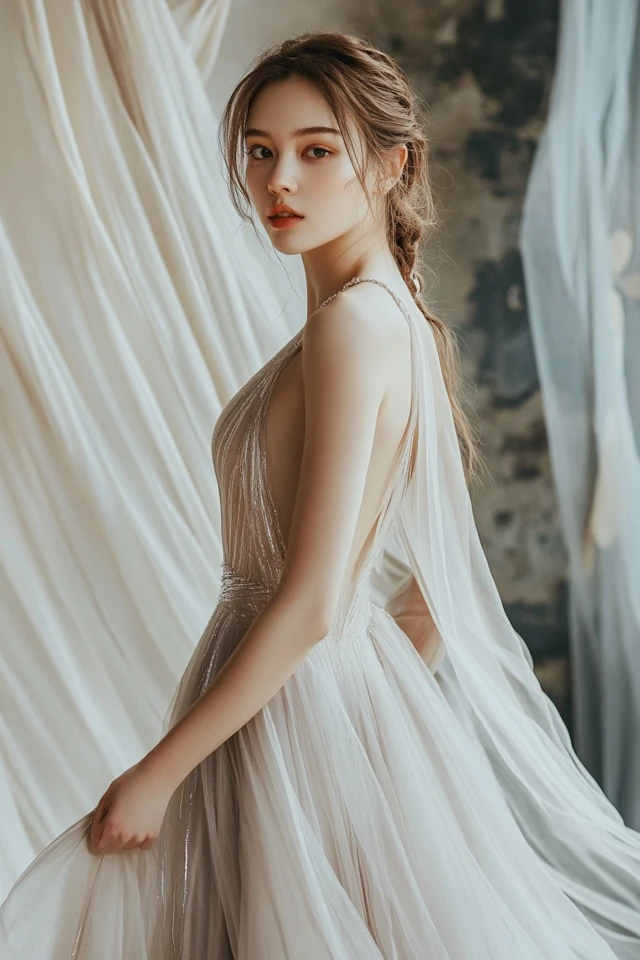
A sheer gown or black lace dress with diamond studs or chandelier earrings, a metallic clutch and strappy heels. For dressy dinners, sheer tops with statement accessories has more combinations.
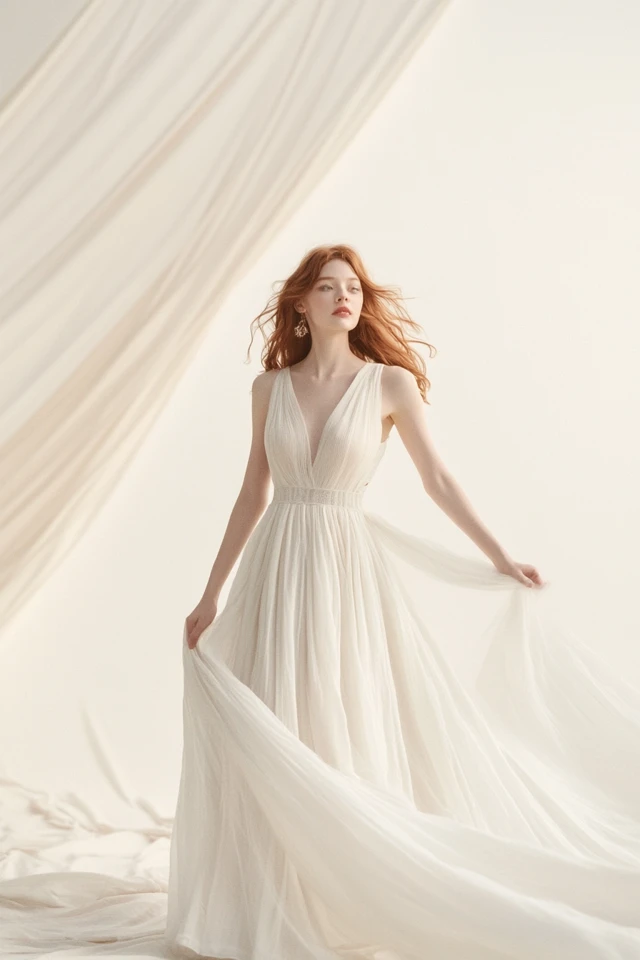
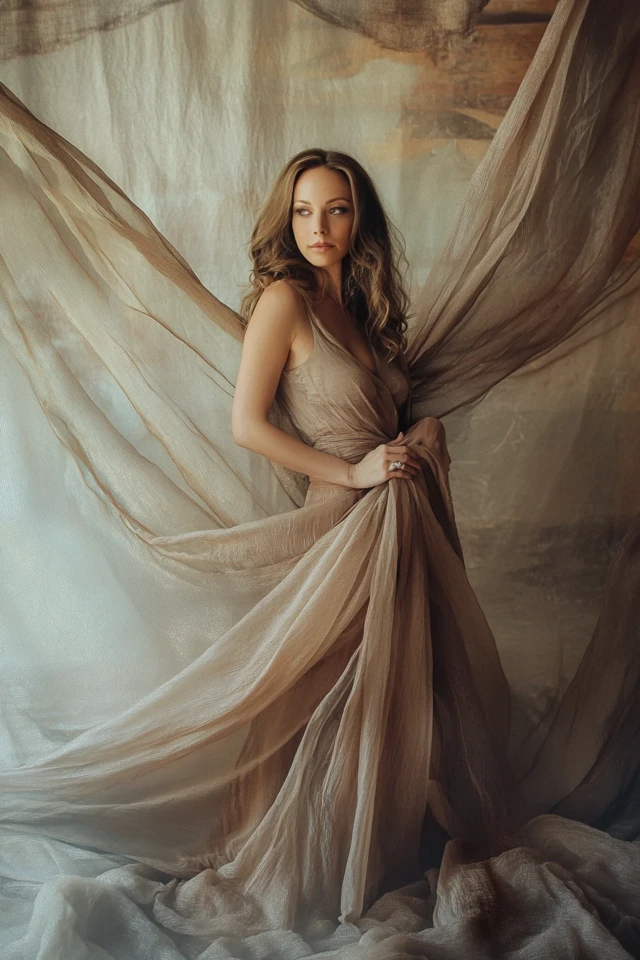
Which colors work with sheer pieces?
Color reads differently through a sheer layer because it is mixed with whatever shows beneath. Some reliable pairings:
- Gold, silver or beige accessories suit almost any sheer shade, such as a white blouse with gold hoops and a beige crossbody.
- Blush, mint or lavender accessories stay soft next to sheers in similar hues.
- Emerald, cobalt or red give contrast against black, white or nude sheers.
- Metallics add shine without weight, for example silver necklaces and metallic heels with a champagne blouse.
As an architect trained in evidence-based design, I'd say a single saturated accessory against a neutral sheer is the easiest way to give the eye one clear place to land.
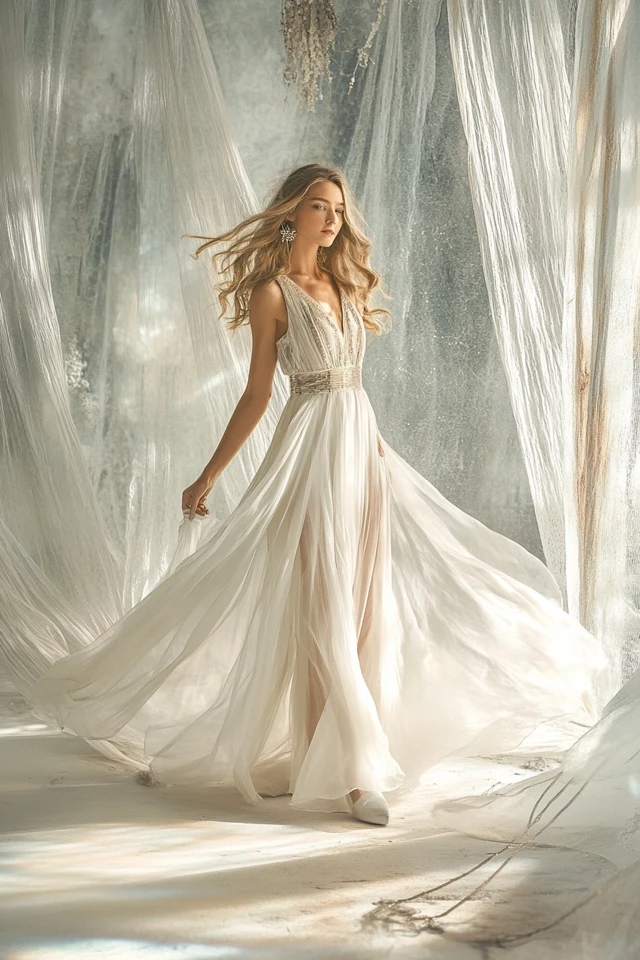
Match jewelry to the neckline
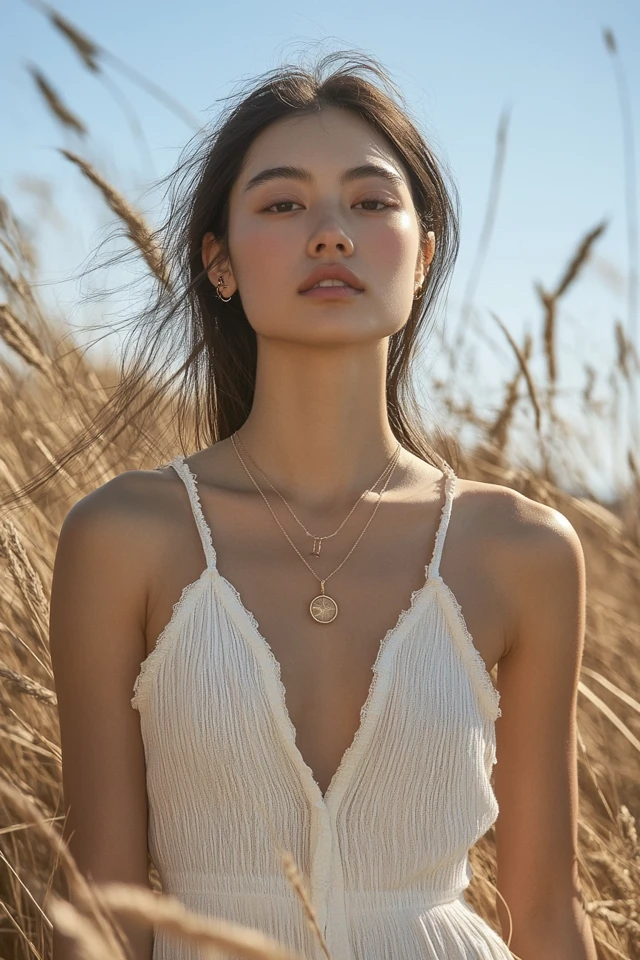
High necklines suit long pendants. Plunging or scooped necklines suit layered chains or a choker. Layered chains also look good against a sheer top where a base layer shows through. Skip a necklace entirely if the fabric has a lot of embellishment at the collar, and put the focus on earrings.
Bags, shoes and belts
- Bags: structured styles in neutral or metallic finishes work best. A clear bag continues the light feel for casual looks.
- Shoes: strappy sandals, pointed-toe heels or sleek boots keep the look light.
- Belts: a wide belt adds definition to a flowy sheer dress or skirt.
For layering ideas that bring in texture, try layering knits with sheer fabrics.

Caring for silk sheers
Silk is delicate, so treat marks quickly. University of Georgia Extension notes that stains set by heat will be difficult to remove, and that ammonia damages silk and wool. For a valuable piece, check the care label or ask a professional cleaner.
Frequently asked questions
What is the most sheer see-through fabric?
Fine tulle, chiffon and thin mesh are among the most see-through. How sheer a piece looks also depends on the weave and the layer beneath it.
What is a delicate silk fabric called?
Chiffon, georgette and organza are the delicate silk sheers most people mean. Chiffon is the lightest and organza the crispest.
Can I wear bold statement jewelry with sheer fabrics?
Yes, if the outfit is otherwise simple. Choose one bold piece, such as a chunky chain or large earrings, and keep the rest minimal.
Are sheer fabrics appropriate for casual looks?
Yes. A sheer blouse over a camisole with jeans and simple jewelry works for daytime.
Filed under Accessory Trends