Hair Accessories: How to Pair Them With Modern Outfits
- Words by
- Julio Arco
- Published
- Reading
- 4 min
The easiest way to pair hair accessories with an outfit is to match the formality and the texture. Sleek metal and satin suit tailoring, soft fabric suits knitwear and denim, and anything jeweled belongs with evening clothes.
Below you'll find the popular hair accessories explained one by one, what each looks good with, and a few rules for keeping the look polished rather than busy. Most of it works for hair accessories for women of any age and hair length.
Which hair accessory goes with which outfit?
| Outfit | Good accessory choices |
|---|---|
| Jeans, tee, sneakers | Thick fabric headband, scrunchie, claw clip |
| Blazer, trousers, midi dress | Metal barrette, satin or velvet headband in a neutral |
| Cocktail dress, evening wear | Pearl or jeweled barrettes, embellished headband, hairpins |
| Leather jacket, streetwear | Several small colorful clips, scarf worn as a bandana |
| Summer dress, beach day | Printed hair scarf, braid with a ribbon |
Headbands
A headband is the most forgiving option because it works from jeans to dresses. The thing to adjust is the fabric. A thick cotton or knit band reads casual, while satin or velvet in a neutral color sits well with a tailored blazer or a midi dress.
Match the texture to the outfit: velvet next to a knit sweater, satin next to a silk blouse. Through the lens of evidence-based design, I'd start with texture before color, because a glossy surface and a matte one in the same shade don't read as the same color.
For evening, a metallic or embellished band is enough on its own. Skip the statement necklace and let the headband carry the sparkle.
Claw clips and barrettes
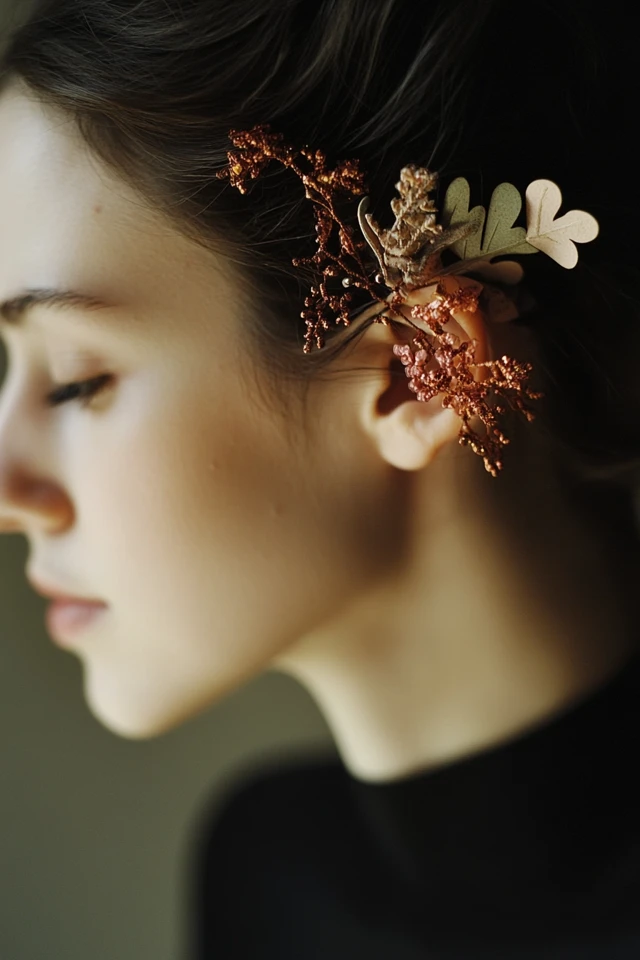
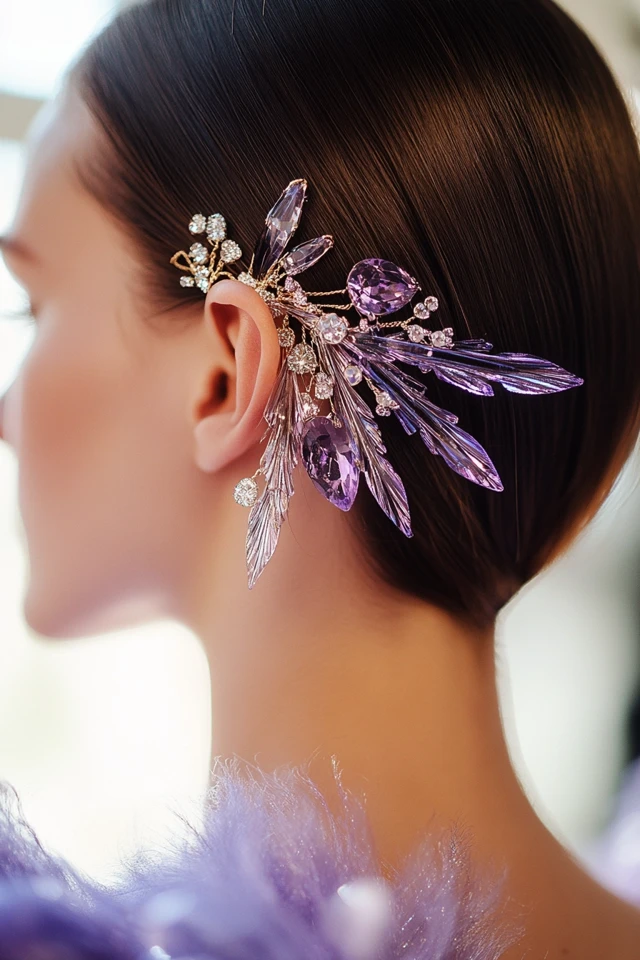
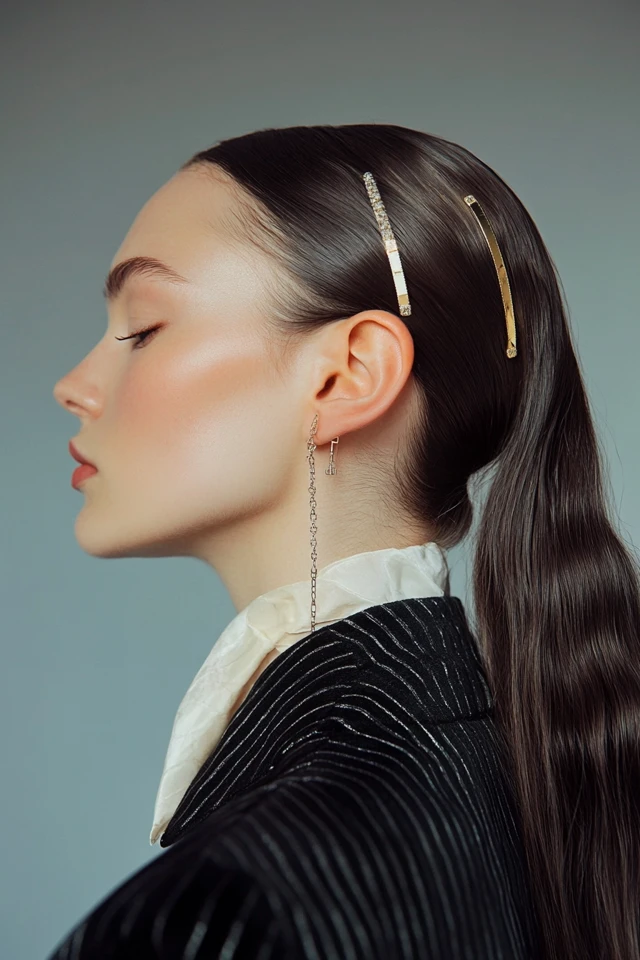
Claw clips and barrettes are the workhorses of this category. A claw clip holds a twist or half-up style in seconds, and larger ones suit thick or long hair, which makes them some of the best hair accessories for long hair. A barrette is better for detail: it holds back one side or pins a section away from the face.
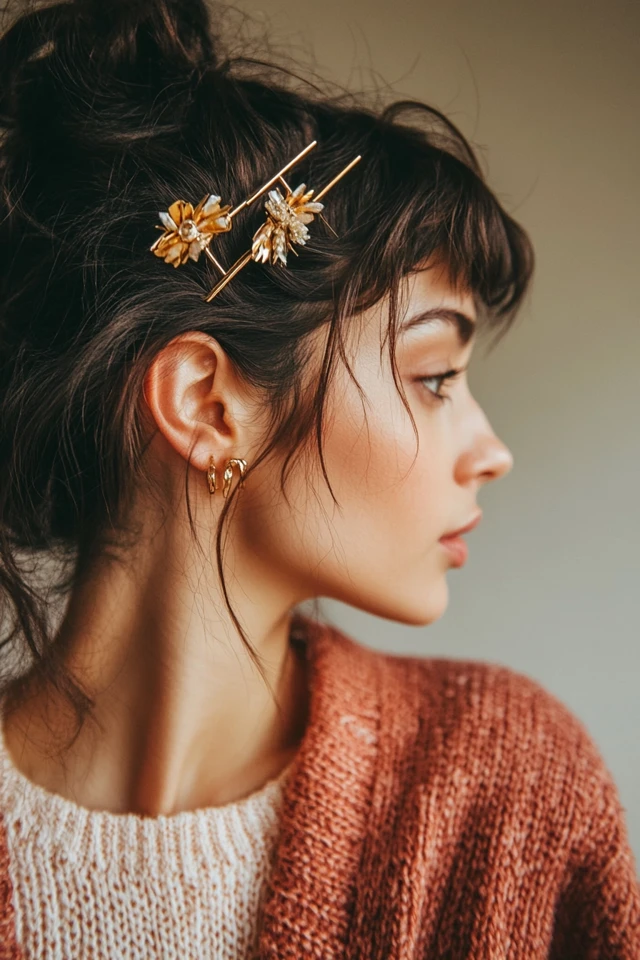
- For work: a slim metal barrette on one side of a clean part.
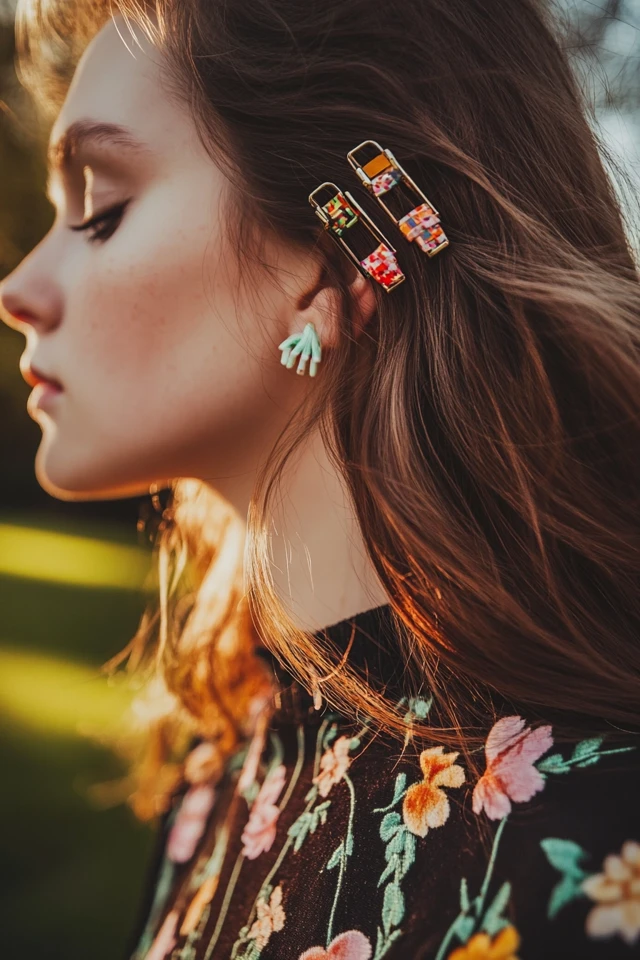
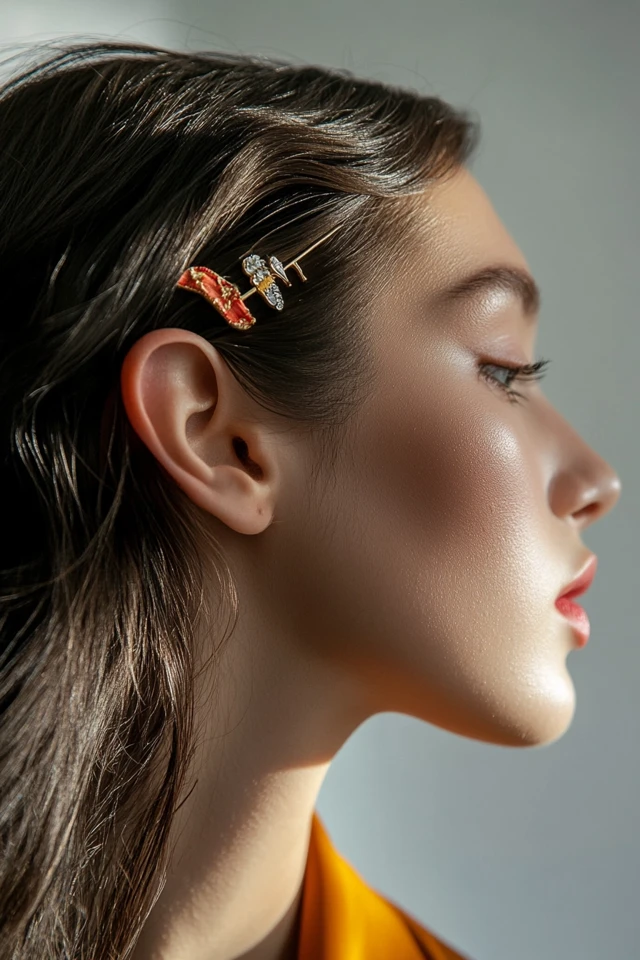
- For casual days: a few small patterned or colorful barrettes layered together.
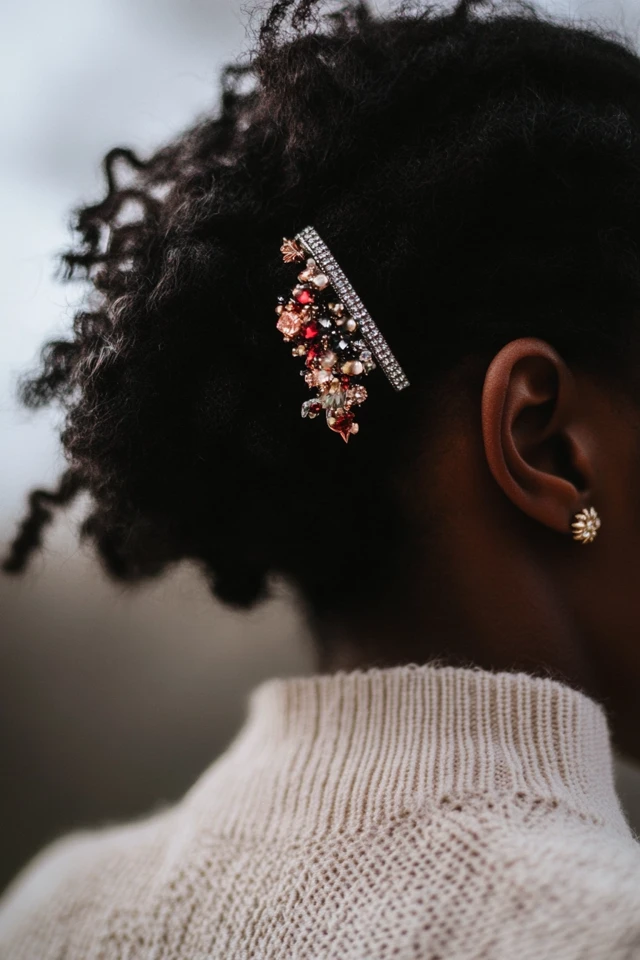
- For evening: pearl or jeweled barrettes with an elegant dress.
Placing a barrette near the temple tends to frame the face, but try it in a mirror. Where it looks best depends on your part and your hairline.
Scrunchies and hair ties
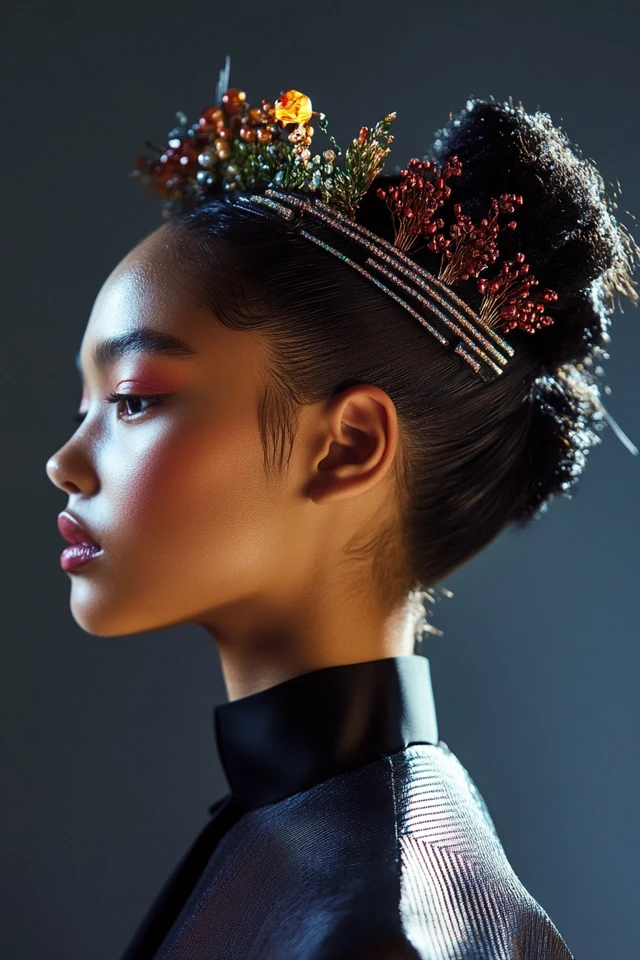
Scrunchies are soft, quick and easy to match to an outfit. With a messy bun, joggers and a sweatshirt, a plain cotton one is right. For the office, a silk or satin scrunchie around a sleek low ponytail in black, cream or navy looks tidy.
If you want it to look intentional, echo one detail of your outfit, such as your bag or shoes. A scrunchie with metallic thread dresses up a casual evening look.
One practical note: hair is delicate when wet, so the American Academy of Dermatology advises using a wide-tooth comb instead of a brush to detangle wet hair. Avoid tying wet hair up tightly. If you notice breakage or discomfort, check with a dermatologist.
Hair scarves
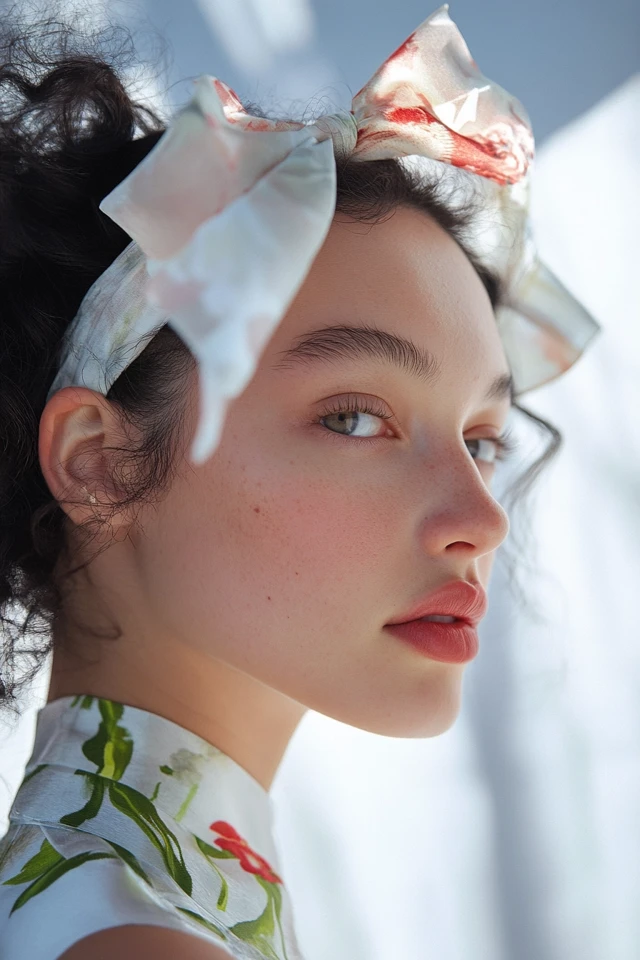
A hair scarf adds pattern and color in a way a plain clip can't. Tie it around a low ponytail or weave it through a braid for a beach day with a flowy dress. Folded into a band, it works with trousers and a blouse. Wrapped around a high bun, it gives a retro feel.
Decide first whether the scarf should match or contrast with your outfit. A printed scarf with a solid outfit is the simplest pairing. With a patterned top, pick a scarf in one of its colors, in a solid.
Hairpins and combs
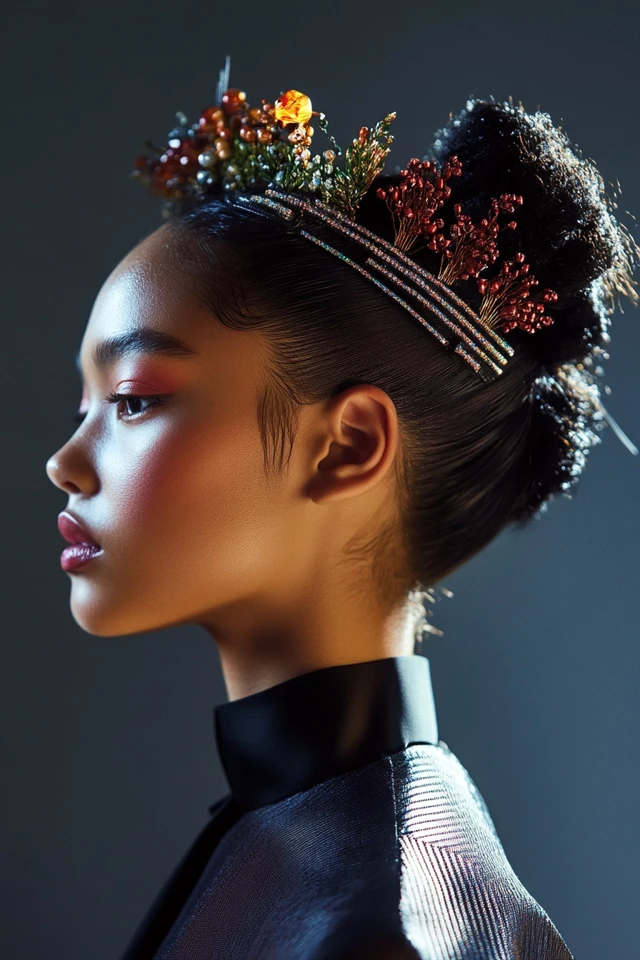
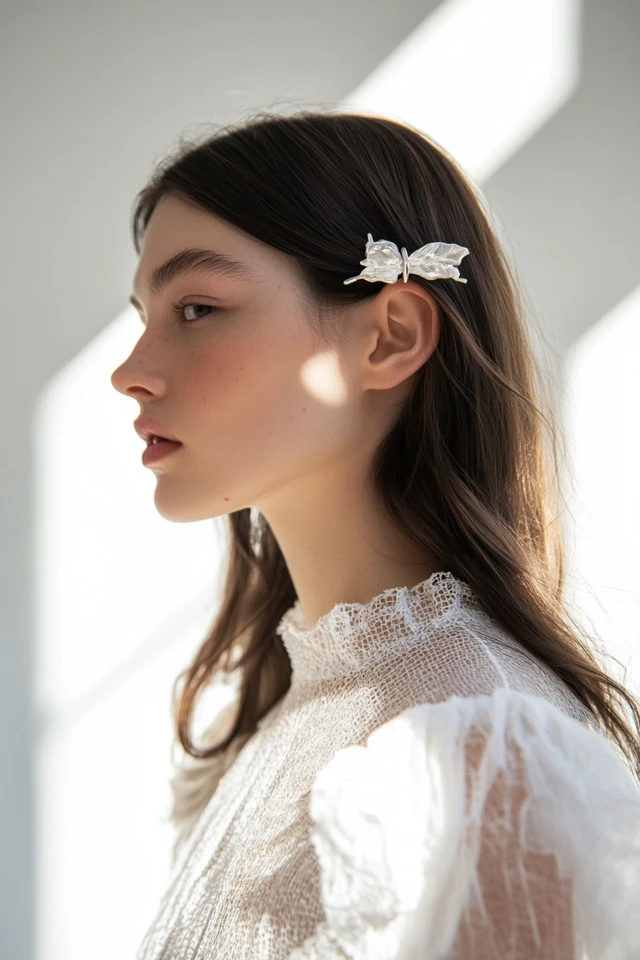
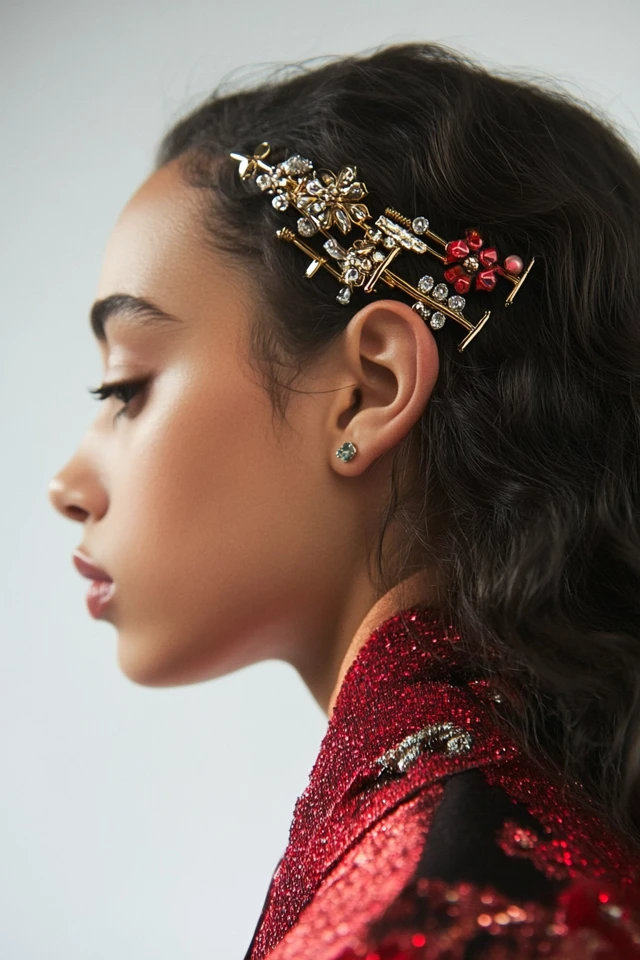
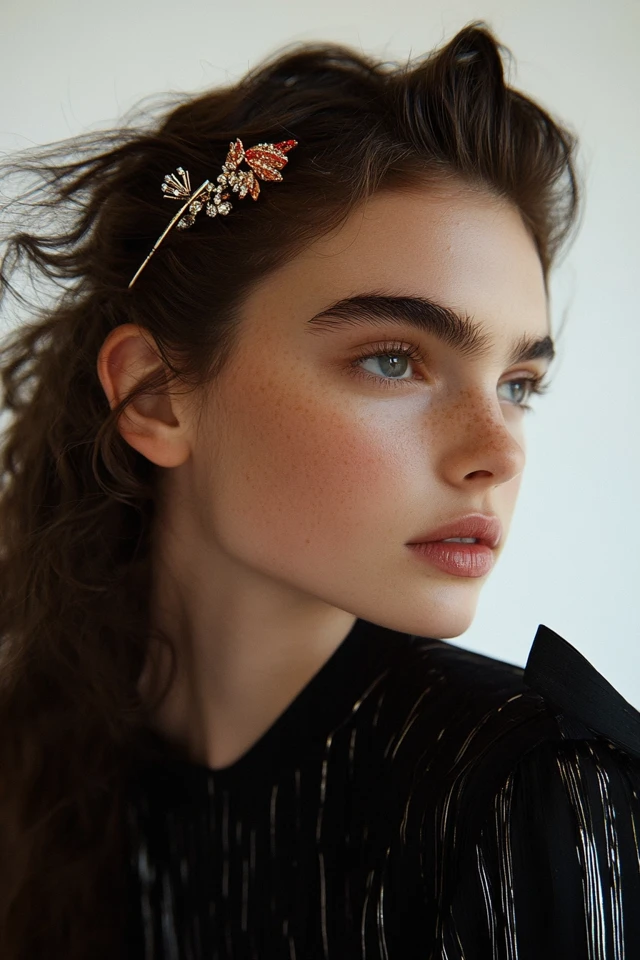
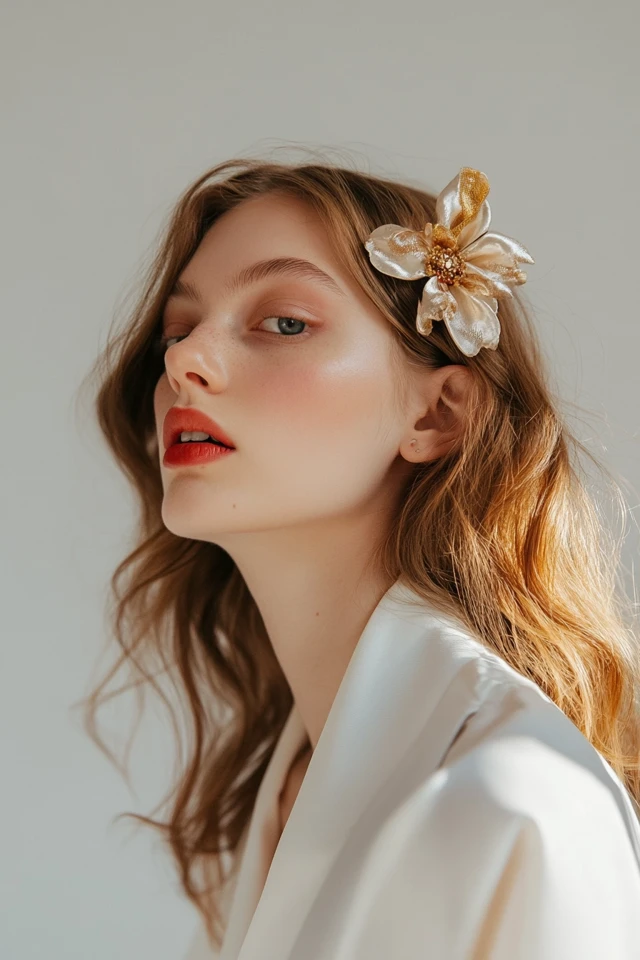
Pins and combs are small, so they suit people who want a quiet detail. A floral pin in loose waves is romantic. A sleek metal comb holding a low bun is minimal and works at the office. Pearl or rhinestone pins pair with evening dresses.
Several pins arranged in a line or loose geometric pattern look more modern than one pin tucked in the middle. For more ideas by occasion, see how to choose hair accessories for special occasions, or rhinestone hair accessories from bridal to casual.
How do you keep the look balanced?
- Use one statement piece at a time. If the accessory is bold, keep the outfit and jewelry simpler.
- Match metals. Gold hair pieces go with gold jewelry, silver with silver.
- Choose the accessory by setting: understated for work, bolder for social events.
- Change the hairstyle to suit the piece. A braid, bun or low ponytail shows off a clip better than loose hair.
- Keep accessories clean and stored flat or in a pouch so they hold their shape.
The same logic applies when you style other pieces. Vintage accessories and designer accessories follow the same one-focal-point idea.
Hair accessories for short and long hair
Short hair takes small clips, narrow headbands and barrettes best. Our guide to hair accessories for short hair covers those. Long hair can carry larger claw clips, scarves and multiple pins because there is more to anchor them to.
Frequently asked questions
What are some popular hair accessories?
Claw clips, barrettes, headbands, scrunchies, hair scarves and decorative pins are the most popular. Each suits a different level of dressiness, from a scrunchie with joggers to pearl pins with an evening dress.
What are some good accessories to put in my hair?
A headband is the easiest to start with, followed by a claw clip for quick updos and a simple barrette for holding hair off your face. Choose neutral colors if you want them to work with most outfits.
Can I wear hair accessories with short hair?
Yes. Small barrettes, narrow headbands and mini clips work well on short hair, and a headband holds back shorter layers.
How do I keep a silky headband or scarf from slipping?
Slide a few bobby pins underneath to anchor it, or wear it over hair that has a little texture. Smooth materials like satin slip more on freshly washed, very straight hair.
Filed under Accessory Trends