Fall Business Casual Capsule Wardrobe Checklist
- Words by
- Julio Arco
- Published
- Reading
- 4 min
A fall business casual capsule wardrobe works when every piece shares one color family and each top can go with each bottom. Start with three neutrals, add two or three warm accents, and fill in tops, bottoms, layers and shoes from the checklist below.
Fall helps you here. Cooler weather means layers, and layers multiply outfits without multiplying purchases.
How to build a business casual capsule wardrobe
Work in this order: palette first, then the pieces you will wear most, then the layers, then the accents. Buying in that sequence keeps you from owning a beautiful rust blouse with nothing to wear it with.
Before you shop, pull out what you already own. If you are weighing what to part with, Jasmine Harris-Speight, an MSU Extension Instructor, suggests asking: "When deciding what to keep, ask yourself: Does this item hold a sentimental place in my heart? Will I miss this item if I get rid of it?" The same extension article notes that only about 15% of textiles bought each year are recycled or repurposed, so donating or reselling beats the bin.
Which colors work for a fall work palette?
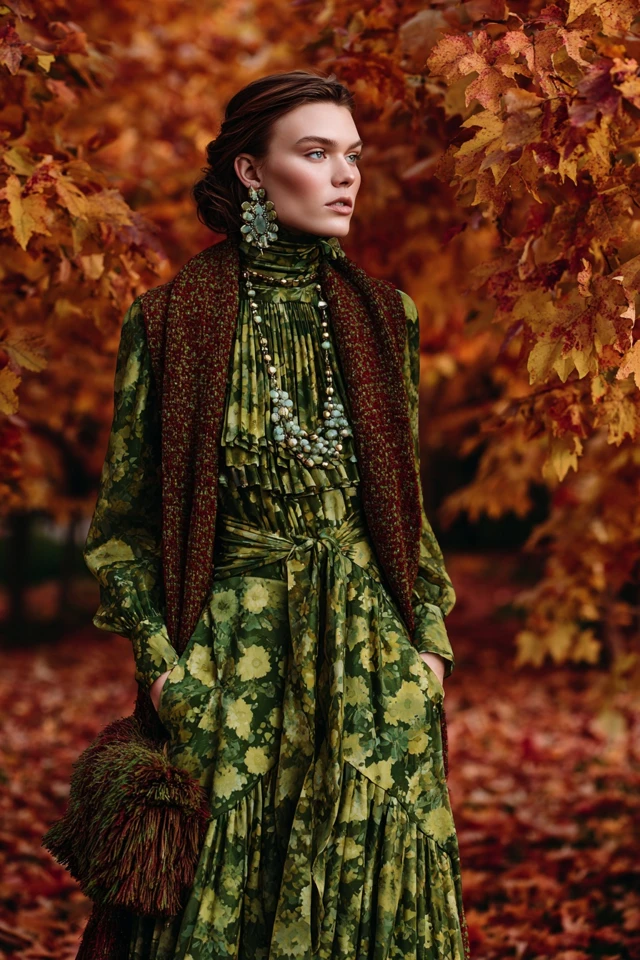
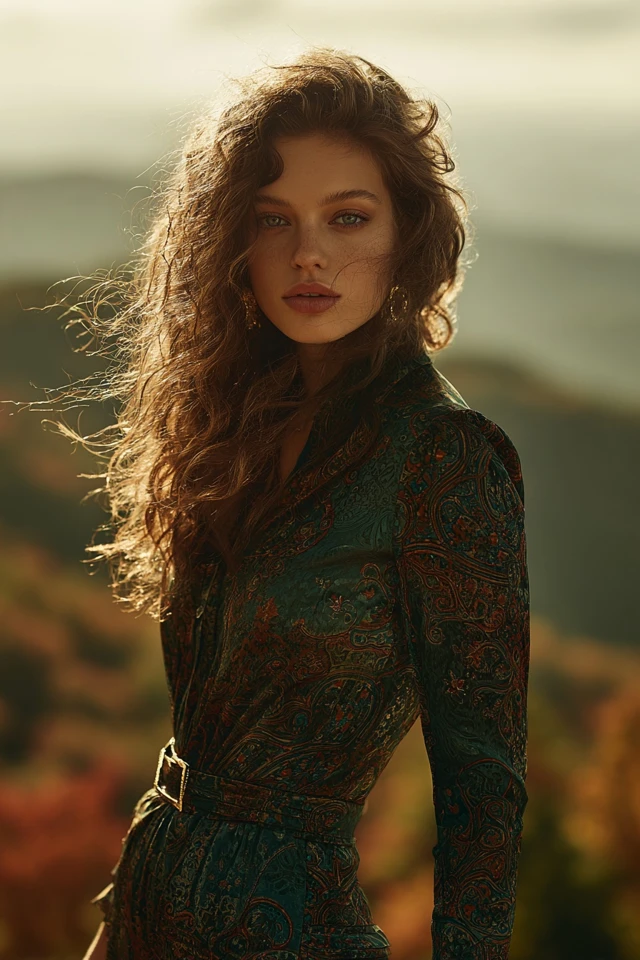
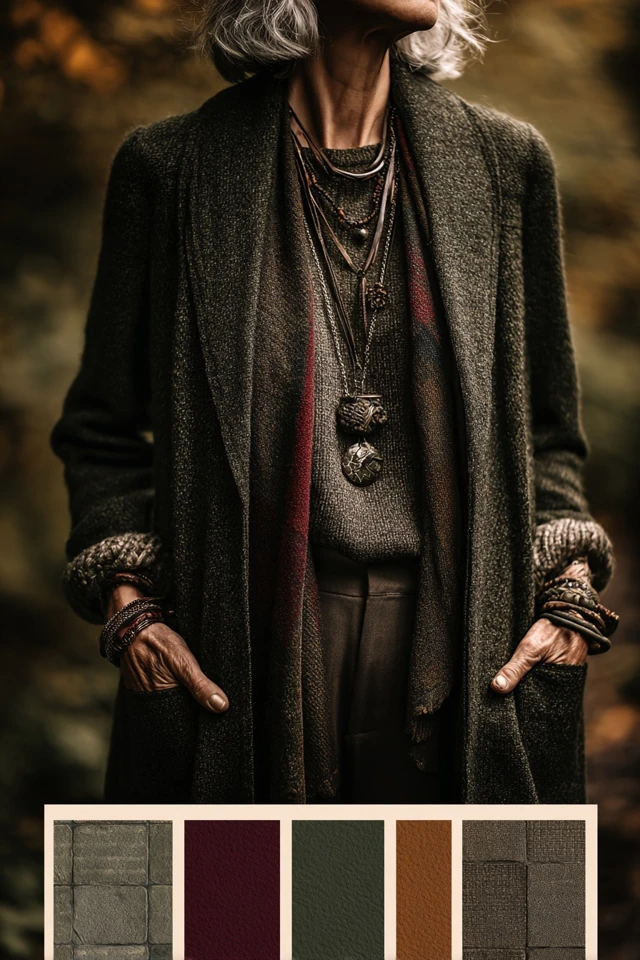
Pick three base neutrals that you like next to your face: navy, charcoal, camel, ivory, chocolate brown and black are the usual candidates. Then choose two or three accents from the warmer fall range, such as olive, rust, burgundy or sage.
Through the lens of evidence-based design, I'd look at undertone before trend. A color sits right next to your skin and changes how your complexion reads, so hold a sweater up to your face in daylight before you buy it. Deep navy and charcoal read calm and structured. Rust or burgundy adds warmth without looking casual.
Business casual capsule wardrobe checklist
Tops
- Two blouses, one crisp white or ivory button-down and one in an accent color, ideally with a soft drape.
- Two fine-gauge knits, such as a crewneck and a V-neck, in your neutrals.
- One silky or thin camisole to layer under knits and blazers.
Bottoms
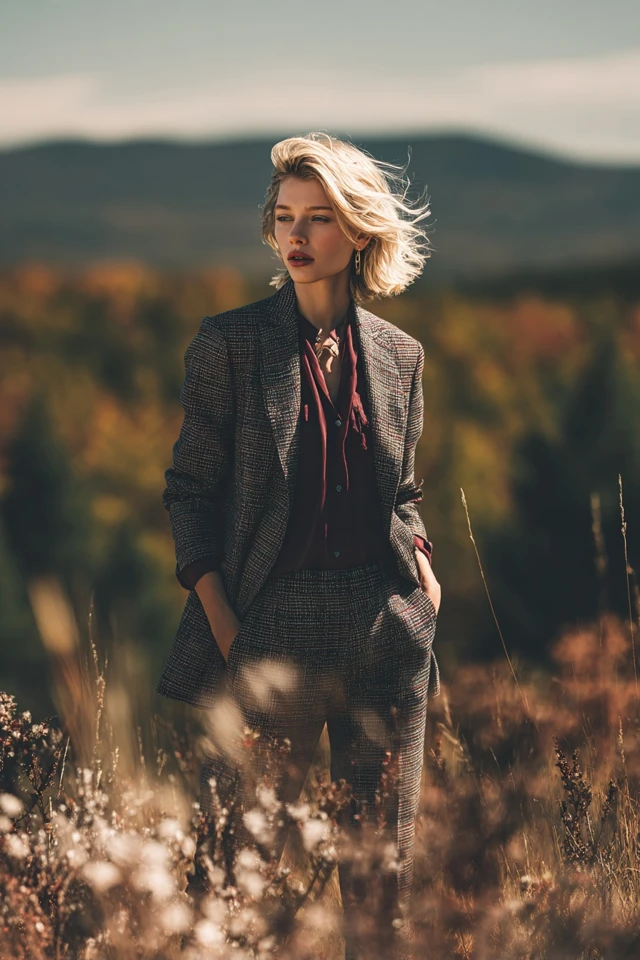
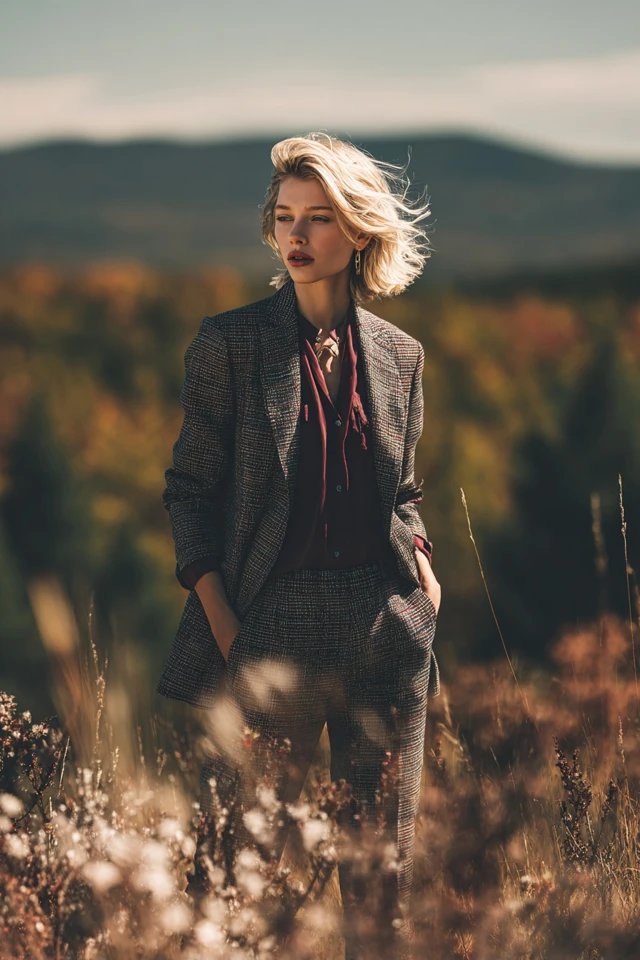
- Tailored trousers in charcoal or navy, straight or slightly wide through the leg.
- A second pair in camel or brown for contrast.
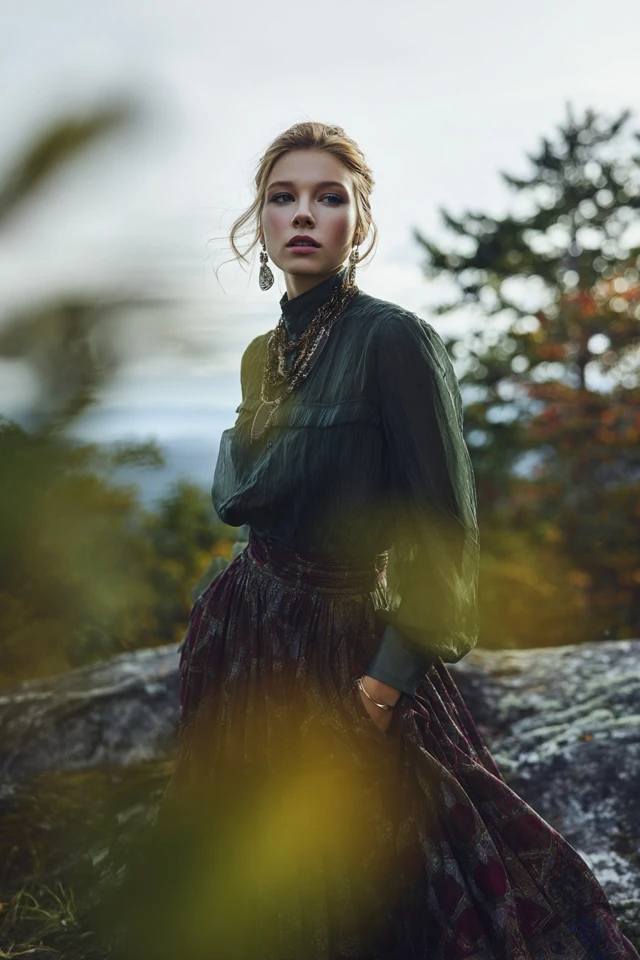
- A midi skirt, A-line or straight, that hits below the knee.
Layers
- A structured blazer in a mid-weight fabric.
- A long cardigan or a knit blazer for days when a jacket feels too formal.
- A wool or wool-blend coat in camel, gray or navy.
Shoes and bags
Two pairs cover most weeks: leather loafers or ankle boots with a low block heel, plus one pair of clean flats or low pumps. Add one structured bag that fits a laptop and a silk or wool scarf for color.
How should the pieces fit?
A blazer that pulls at the shoulders is a fit problem, not a you problem. The shoulder seam should sit where your shoulder ends, and you should be able to button the jacket without strain lines across the waist.
Trousers should skim the hip without pulling and break at or just above the top of your shoe. Hemming and taking in a waist are small tailoring jobs that change how an entire outfit looks, so spend your budget there on the pieces you wear weekly.
Choose silhouettes that suit your proportions
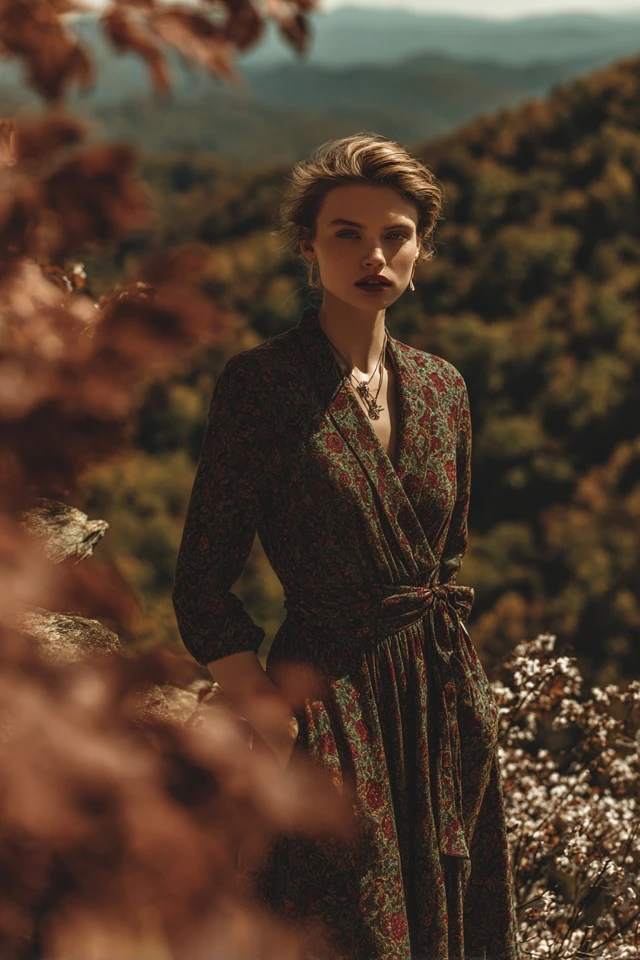
Body-type rules are guidelines, not verdicts. A few starting points: if you want to define the waist, try wrap tops, belted layers and high-waisted trousers. If you carry more width through the hips, structured shoulders and straight-leg pants balance the line. If you prefer a looser torso, a V-neck over slim trousers keeps things long and clean.
As an architect trained in evidence-based design, I'd treat the neckline as the first thing the eye reads, so it is the easiest place to adjust proportion.
Which fabrics feel right for fall?
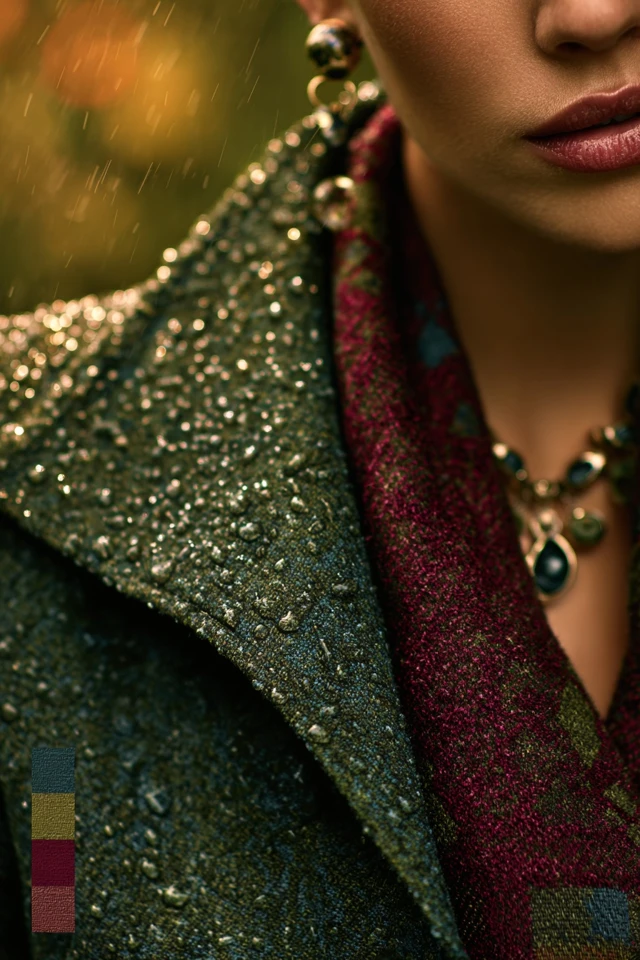
Fine merino or cashmere knits add warmth without bulk. Matte fabrics such as wool crepe and cotton poplin look polished because they do not catch harsh office light the way shiny satin does. Texture also changes color: a nubby boucle in navy looks softer and warmer than a flat navy twill, so mixing two textures in one palette adds interest without extra colors.
Outfit formulas from the capsule
- Ivory button-down, charcoal trousers, camel coat, loafers.
- Navy knit, midi skirt, ankle boots, scarf in rust.
- Olive blouse, camel trousers, structured blazer, flats.
- Camisole, long cardigan, navy trousers, burgundy scarf.
For a work to weekend capsule wardrobe, take the same knit and trousers and swap the blazer for a cardigan and the loafers for sneakers. Keep the colors the same and the outfit still looks intentional.
For more ideas, see fall business casual outfit ideas, the fall casual capsule wardrobe for off-duty days, and styling tips for changing fall weather. If you are planning ahead, the spring business casual capsule wardrobe uses the same method with lighter fabrics.

Care tips that keep the capsule working
- Fold knits instead of hanging them so shoulders do not stretch.
- Condition leather shoes and rotate pairs between wears.
- Use a fabric shaver on pilling sweaters, and follow the care label on wool and cashmere.
- Add one new piece at a time and check that it works with at least three things you already own.
Frequently asked questions
How many pieces should a business casual capsule wardrobe have?
Many people land between 12 and 20 pieces for a season, excluding shoes and accessories. Choose the number that lets you build a full work week without repeating the same outfit.
What colors work best for a fall work capsule?
Navy, charcoal, camel and ivory make a flexible base. Olive, rust and burgundy add warmth as accents.
Can I wear a capsule wardrobe on weekends too?
Yes. Swap the blazer for a cardigan and the loafers for clean sneakers, and keep the same palette so the pieces still match.
Filed under Outfit Ideas