Earthy Wedding Guest Outfits
- Words by
- Julio Arco
- Published
- Reading
- 5 min
The dress code on a wedding invitation tells you how formal the day will be, and the wording matters. Read it as a ladder: white tie is the most formal, then black tie, black tie optional, formal, cocktail, semi-formal, and casual or themed at the bottom.
If there is no dress code at all, look at the venue, the time of day and the invitation style, then dress one notch above what you would wear to a nice dinner out. Below, each code is broken down for women and men, with an earthy palette (terracotta, olive, camel, chocolate) as a recurring option, since those colors work across most of the ladder.
White tie and black tie
White tie is rare. It means a floor-length gown for women, and a black tailcoat, white bow tie and white waistcoat for men. Unless the invitation says it outright, you will not need it.
Black tie is the one you are more likely to meet. For the wedding guest dress code for women, that means a floor-length gown or a very elegant formal dress. Deep earth tones such as burnt umber, dark olive or chocolate in silk, satin or velvet fit well. For men, a tuxedo with a bow tie and dress shoes.
What does black tie optional mean?
Black tie optional wedding attire gives you a choice. Women can wear a long gown or a refined midi in a rich fabric. Men can wear a tuxedo, or a dark suit with a tie in a quiet color. Skip anything casual, and keep the fabric dressy.
Formal attire
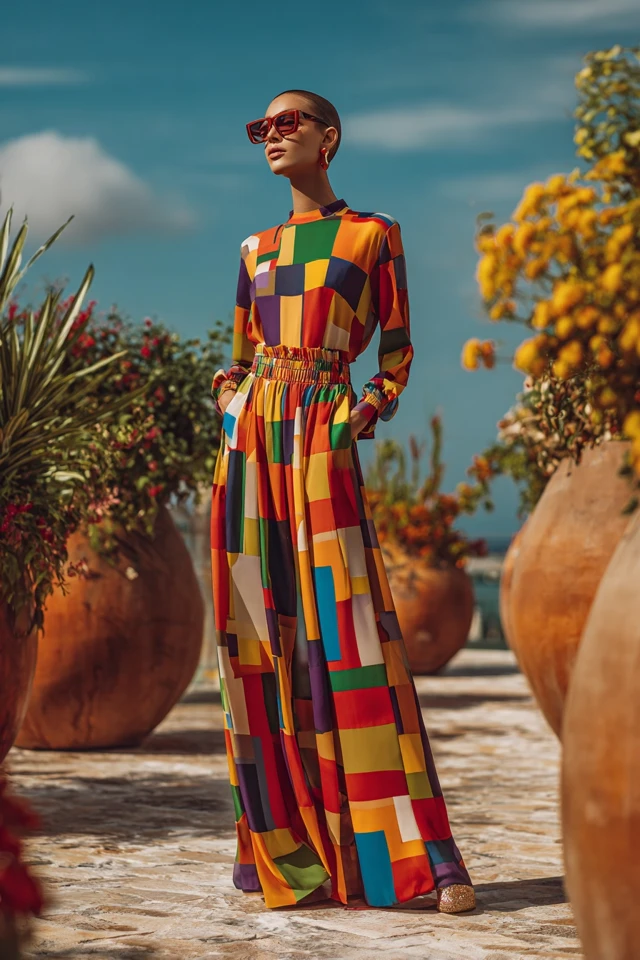
Formal sits just under black tie. Think floor-length or elegant midi dresses, or a dressy jumpsuit, in fabrics with some weight: crepe, satin, velvet. Men wear a dark suit, a dress shirt and a tie, with polished leather shoes.
Through the lens of evidence-based design, I'd look at fabric before color here. A matte crepe and a glossy satin in the same terracotta do not read as the same color, because the surface changes how light reaches the eye. Satin looks more formal; crepe looks calmer.
Cocktail and semi-formal: what to wear
Cocktail wedding attire is knee-length to midi for women: a dress, or a dressy separates set. Men wear a suit, usually in navy, charcoal or a warm brown, with a tie optional depending on the venue.
A semi formal wedding guest outfit follows nearly the same rules, with a little more room. A wrap dress in olive, a satin skirt with a fine knit, or a tailored jumpsuit all work. Add a blazer or shawl in a neighboring earth tone if the evening will be cool.
For more ideas by style, see chic wedding guest looks and summer ceremony dresses.
Garden, outdoor and beach weddings
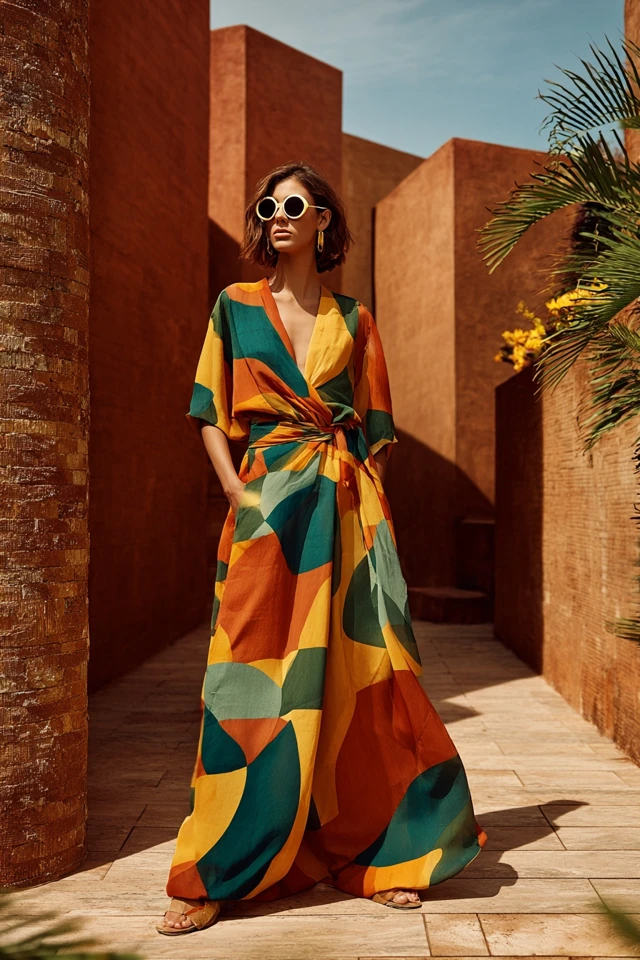
Outdoor weddings change the practical choices more than the formality. Choose breathable fabrics such as linen blends, cotton or light silk. Block heels or wedges handle grass better than stilettos, which sink.
At a garden or woodland wedding, earth tones blend well with the setting. If you want to stand out a little in photos, pick a warmer shade like rust or ochre rather than a muddy brown. For beach and destination weddings, go lighter: flowing midi dresses, linen suits for men, and flat or wedge sandals. Our boho wedding guest inspiration covers relaxed outdoor looks in more detail.
Festive, themed and no dress code
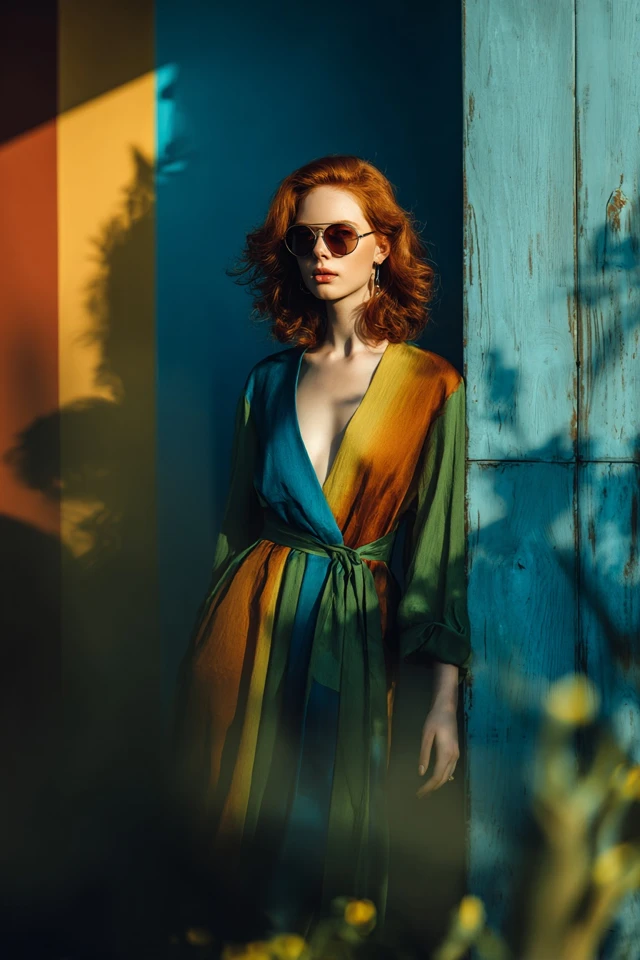
Festive or themed codes ask for color, pattern or a nod to a season. Treat them as cocktail attire with one playful element, such as a jewel-toned dress or a patterned tie.
When the invitation gives no code, a midi dress or dressy separates for women and a suit (tie optional) for men is a safe middle. If you are unsure, ask the couple or someone in the wedding party. For a deeper walk through, see decoding dress codes for every ceremony.
What is not appropriate to wear as a wedding guest?
- White, ivory or anything that reads as bridal.
- Jeans, T-shirts, sneakers or athletic wear, unless the invitation clearly invites casual dress.
- Very short hemlines, deep necklines or sheer fabric with no lining, especially at a religious ceremony.
- Loud, sparkly outfits that pull attention from the couple.
- Anything you cannot sit, dance and walk in for several hours.
Clothing also changes how people carry themselves. In a Frontiers in Psychology study on uniforms, wearing a military uniform increased the sense of agency in the free condition, as compared to civilian clothing. That is a very different setting from a wedding, but it hints that what you put on affects how you act. Dress for the day and you will likely feel more at ease.
Choosing earth tones by skin tone and fabric
Warm undertones often suit terracotta, mustard, deep olive and warm brown. Cooler undertones tend to look balanced in sage, taupe and mushroom gray. If neither describes you, try holding a fabric near your face in daylight and see whether your skin looks rested or tired.
As an architect trained in evidence-based design, I'd treat texture as the second color of an outfit. Suede, bouclé or woven cotton add depth in a single-color look, so you need fewer accessories. For a pared-back approach, minimalist wedding guest inspiration shows how little you need, and earthy party outfits has more palette ideas.
Frequently asked questions
What should a wedding guest dress be?
It should match the dress code on the invitation, usually a midi or floor-length dress in a non-white color. Pick a fabric that suits the season and shoes you can wear all day.
How do you tell wedding guests about dress code?
Couples usually put it on the invitation or the wedding website, with a short line describing the mood. A few sentences about the venue, such as outdoor or beach, help guests plan shoes and fabrics.
Can earthy colors work for evening weddings?
Yes. Choose deeper shades like burnt umber or dark olive in silk, satin or velvet, and add metallic accessories.
What is not appropriate to wear as a wedding guest?
Avoid white or ivory, casual denim and athletic wear, and outfits that are very revealing or attention-seeking, unless the invitation says otherwise.
Filed under Outfit Ideas