Earthy Spring Must‑Haves
- Words by
- Julio Arco
- Published
- Reading
- 4 min
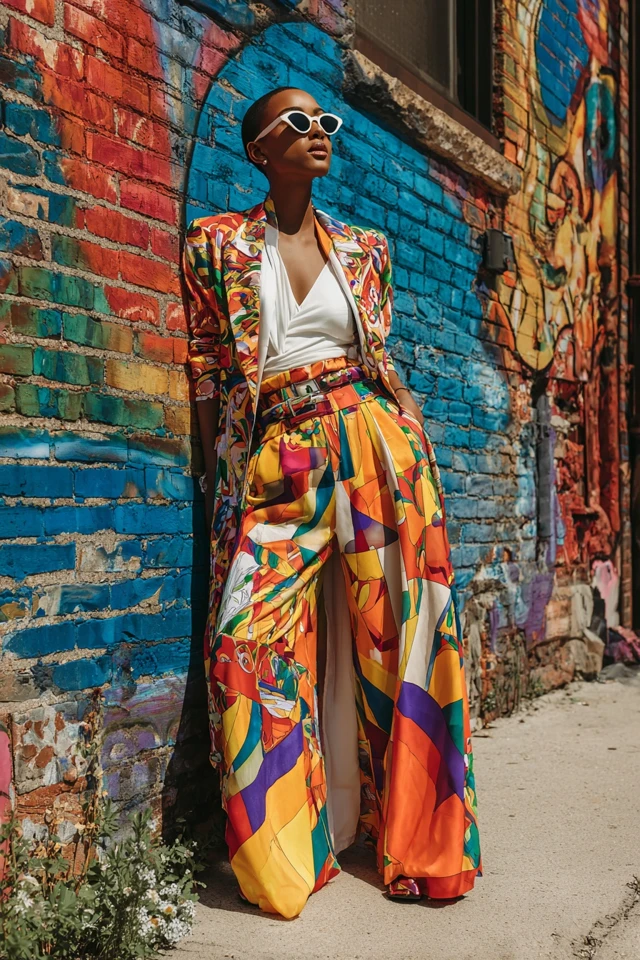
A spring color palette is built from warm, clear, fairly light colors: coral, peach, warm green, golden camel, ivory. If your skin has a golden or peachy cast and your coloring looks fresh rather than deep or muted, spring is the season to test first.
Below you'll find how to check your own coloring at home, how the light, warm and bright subtypes differ, and which neutrals, earthy shades and metals tend to work. Treat it as a starting point: your mirror and good daylight have the final say.
How do you tell if you are a spring?
Do this in daylight, near a window, with no makeup and your hair pulled back. Hold fabric next to your face and watch what happens to your skin, not to the fabric.
- Undertone: golden or peachy skin, and veins that look greenish, point warm. Pink or blue-red skin points cool.
- Contrast: springs usually have light to medium contrast between hair, skin and eyes. Very dark hair against very pale skin leans toward another season.
- Clarity: eyes and hair often look bright and clear rather than soft and dusty.
- Drape test: a warm coral or peach should make your face look rested. A cool gray or dusty mauve will often make it look flat or tired.
Not every test is conclusive. If you land between two seasons, that's common, and the subtypes below help you decide which side you lean toward.
Spring subtypes: light, warm and bright
Light spring
The light spring color palette is delicate and warm: peach, buttery yellow, soft aqua, light camel. Colors that are too deep or heavy tend to overpower this coloring, so keep darks mid-toned.
Warm spring
The warm spring color palette (often called true spring) is the most golden of the three. Think marigold, warm turquoise, leaf green, tomato red and honey brown. These are saturated but never icy.
Bright spring
The bright spring color palette adds clarity and contrast. Clear coral, vivid teal, hot warm pink and crisp white sit well here, while muted, smoky shades look dull next to your coloring.
Which earthy colors suit a spring?
Earth tones are not off limits, but springs wear the sunny end of them. Choose terracotta with an orange lean over brown-leaning clay, fresh moss or olive with yellow in it over gray-green, and camel or caramel over taupe.
Through the lens of evidence-based design, I'd look at saturation before hue. A muted, dusty olive and a clear leaf green are both green, but the dusty one tends to read quieter against warm, clear skin, so it can drain you at the neckline.

Best neutrals for a spring
A neutral spring color palette stays warm and light. Good bases:
- Ivory or cream instead of stark white (bright springs can handle crisp white)
- Camel, tan and warm beige
- Golden or chestnut brown instead of espresso
- Warm navy or soft teal-navy instead of ink black
Linen, cotton and lightweight knits suit the palette well because their matte, slightly textured surface keeps warm colors looking soft.

Can a spring wear black?
Yes, with a workaround. Black sits close to the face and can create a hard line against light, warm coloring. Wear it lower down, in trousers, a skirt or shoes, and put a warm color near your face. Chocolate brown or warm navy are easier substitutes in tops.
Should springs wear gold or silver?
Gold, especially yellow or light warm gold, is the easy pick for most springs. Rose gold works for light springs. If you love silver, choose a bright, polished finish over dull gunmetal, and keep a warm color beside it.
Leather belts, woven bags and wooden jewelry in warm brown also fit the palette and echo the earthy look. For more ideas on that mood, see earthy resort pieces.
Color combinations that work
- Terracotta with soft sage
- Camel with warm olive
- Coral with warm turquoise for a brighter spring
- Ivory with peach and light camel for a light spring
For prints, pick ones where the background is warm cream or ivory rather than stark white, and where the colors inside share the same warmth. If you want to go louder, bold print ideas can help you pick scale and contrast.

Sister palettes and nearby seasons
Autumn is spring's closest neighbor: also warm, but deeper and softer. Summer shares the lightness but runs cool. If spring colors feel too bright on you, try autumn shades. If they feel too warm, check summer. A minimalist wardrobe built on these neutrals can also be a calm base, as in these minimalist staples.
Build the wardrobe without overbuying
Start with one warm neutral coat or trench, two or three tops in your best colors, and trousers in camel or warm brown. Add color through scarves, belts and bags, which cost less to swap. Thrift and consignment shops are good places to find earth-toned basics, so check the fabric label and hold the piece up to your face in daylight before buying.
Frequently asked questions
How do I tell if I am a spring color palette?
Look in daylight for golden or peachy undertones, light to medium contrast and clear-looking eyes. Then hold warm coral and cool gray near your face: if coral brightens you and gray dulls you, spring is likely.
What colors look best on spring skin tones?
Warm, clear shades such as coral, peach, warm green, turquoise, golden camel and ivory usually work best. Heavy, dusty or icy colors tend to look less flattering.
Should springs wear gold or silver?
Gold is usually the easiest match for spring coloring. Polished, bright silver can work too if you keep a warm color near your face.
Can a spring wear black?
Yes, though it can look harsh near the face. Wear it in pants, skirts or shoes, or swap in chocolate brown or warm navy for tops.
Filed under Outfit Ideas