Short Bob Haircuts: Cheek-Length Styles That Pop
- Words by
- Julio Arco
- Published
- Reading
- 6 min
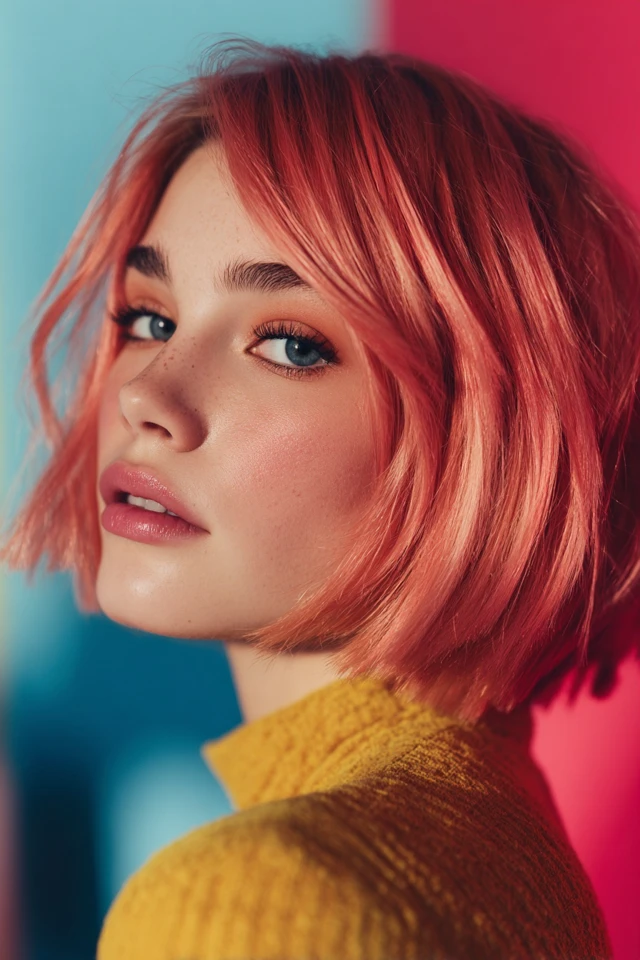
A cheek-length cut is a short bob that ends around the cheekbone or the corner of the jaw. It frames the face, shows the neck, and takes far less time to style than most people expect. If you want a haircut that changes your look at once without a daily production, this is a strong place to start.
The right version depends on three things: your hair texture, your face shape and how much styling you will actually do. The sections below walk through the main variations so you can compare them and pick one to bring to your hairdresser.
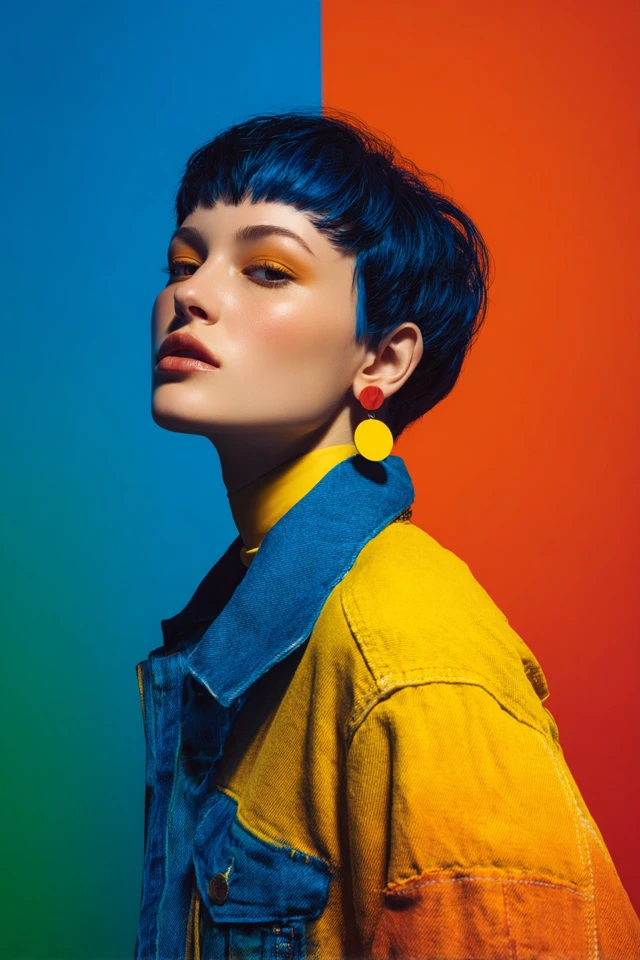
Which short bob suits your hair?
The word "bob" covers a lot of shapes. At cheek length, the differences come down to the edge (sharp or soft), the weight line (where the hair looks heaviest) and whether there is a fringe. Pick the edge first, because it sets how the whole cut behaves.
Short blunt bob
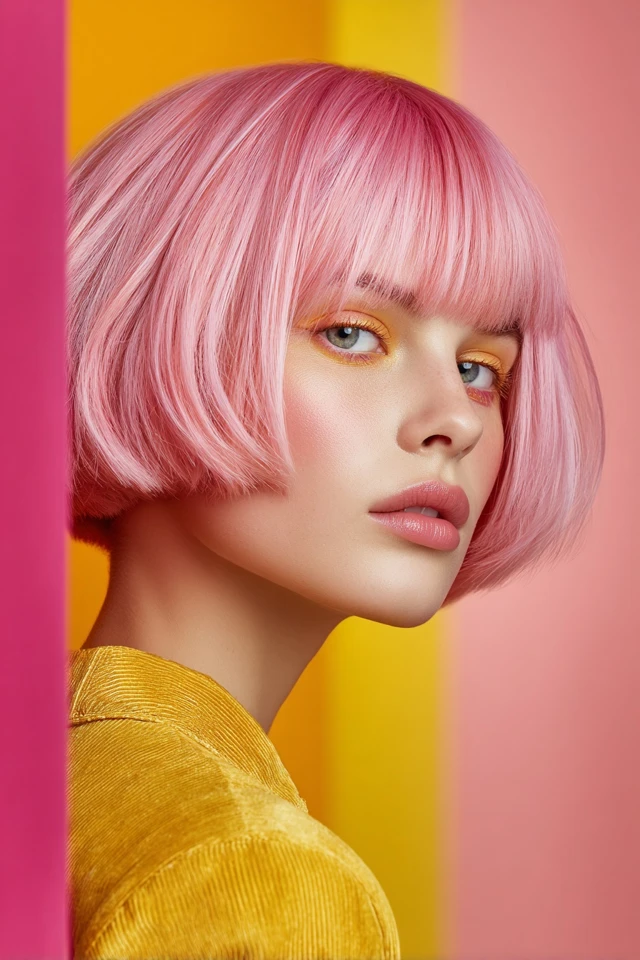
A short blunt bob has one straight edge with no visible layers. It reads as clean and graphic, and it makes hair look thicker at the ends. It suits straight to slightly wavy hair, and it is a good option if your hair is fine, since the solid line gives it body.
Short inverted bob
An inverted bob is shorter at the nape and longer toward the front, so the line slopes down toward your chin. The shorter back adds lift, and the longer front frames the face. If your jaw is soft and you want it to look more defined, this angle helps. Our stacked bob takes the same idea further, with more volume at the back.
Short bob haircuts with layers
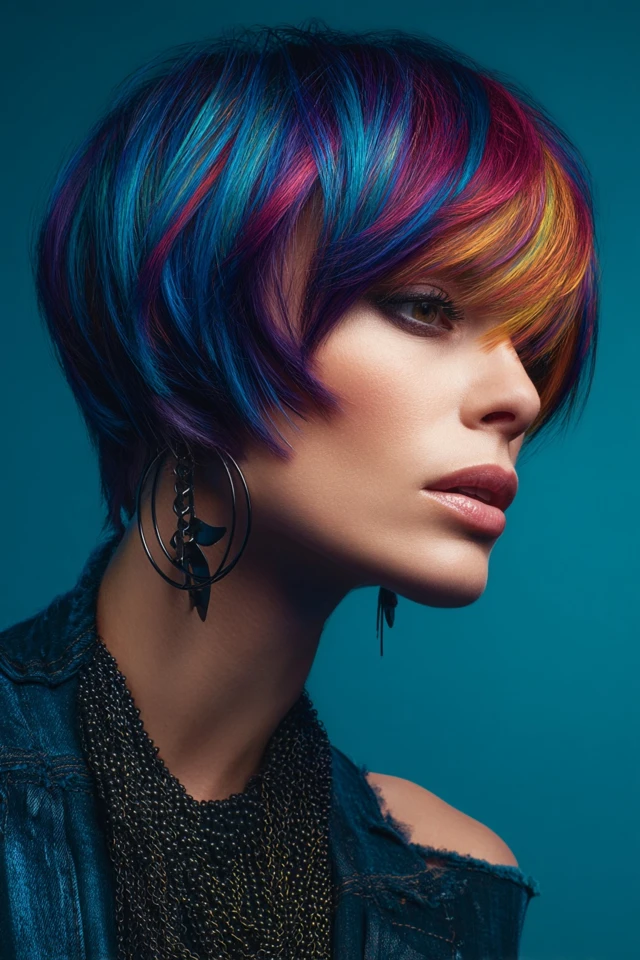
Layers remove weight and add movement. At this length they should be subtle: a few short layers through the crown and ends are enough. Too many layers on thin hair can leave the ends wispy, so ask for soft, internal layers rather than choppy ones.
Short bob haircuts with fringe
A fringe changes the whole proportion of the face. Curtain fringe is the easiest to live with because it grows out gracefully and can be pinned back. A blunt fringe is bolder and needs a trim every few weeks. Both work with a bob, but think about your forehead, your hair's natural wave pattern and whether you are willing to restyle it each morning.

What about fine, curly or thick hair?
Short bob hairstyles for fine hair
Keep the perimeter blunt and the layers minimal. A single-length edge at the cheek makes strands look denser. Skip heavy products, which flatten fine hair, and use a light volumizer at the roots instead.
Short bobs for curly hair
Curls shrink as they dry, so a bob that looks cheek-length when wet can sit near the earlobe once dry. Ask for the cut to be shaped on dry or nearly dry hair, and leave a little extra length. Curls also tend to widen at the sides, so shaping the sides to sit closer to the face avoids a triangle outline. If you like longer, bouncier shapes, see the armpit-length curly haircut for comparison.
Thick or wavy hair
Thick hair can feel bulky in a bob. Ask for weight to be removed from the inside, so the outline stays neat but the cut sits flatter. Waves usually work with a slightly longer, softer edge rather than a razor-sharp one.
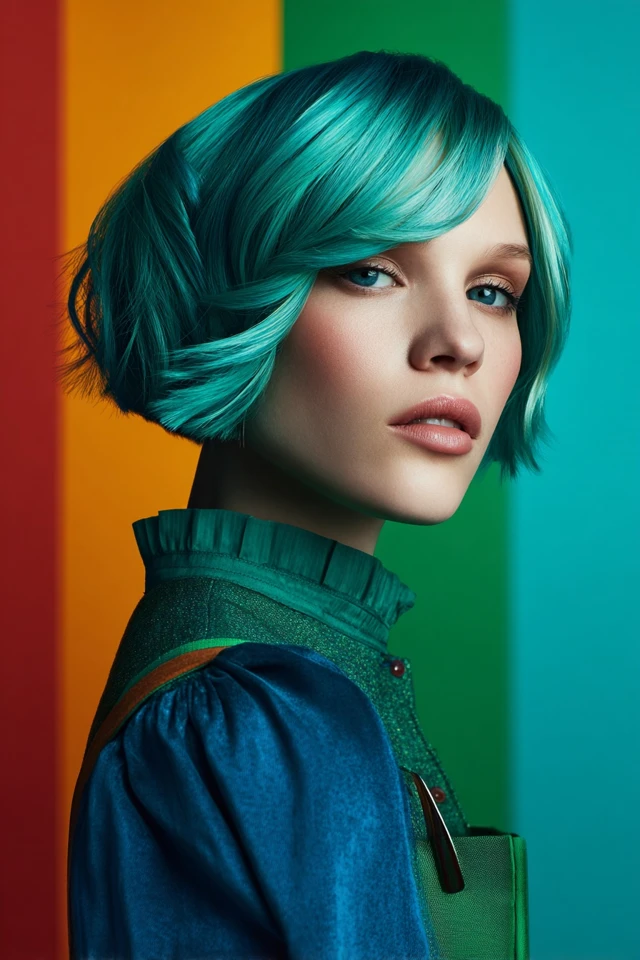
What is the most flattering bob length for an older woman?
There is no single rule, but a chin-to-cheek length is a common sweet spot because it shows the neck and jaw without being as severe as a very short bob. Softer edges and a little movement tend to look easier than a rigid, geometric line. Very short bob hairstyles can also look lovely, especially if you have strong cheekbones and fine, silvery hair that looks best kept neat.
Does a short bob make you look older or younger? It depends on the finish more than the length. A polished, well-shaped cut looks fresh at any age, while one that has grown out of shape tends to look tired. Regular trims matter most.
How do you choose by face shape?
- Angular or square jaw: a softly textured bob with a side part softens the corners.
- Round face: a slightly longer front and subtle layers add vertical lines. Keep the cut from ending at the widest part of the cheek.
- Heart-shaped face: a side part or curtain fringe balances a wider forehead.
- Long or oval face: most bobs work. A fringe shortens the face visually.
Through the lens of evidence-based design, I'd treat the line of the haircut as the first thing the eye reads. A horizontal edge at the jaw draws attention to the jaw, so place it deliberately where you want the eye to stop.
Who should think twice? If you cannot stand hair on your neck, or you rely on long hair to tie back every day, a short bob will feel limiting for a while. Growing it out also takes patience.
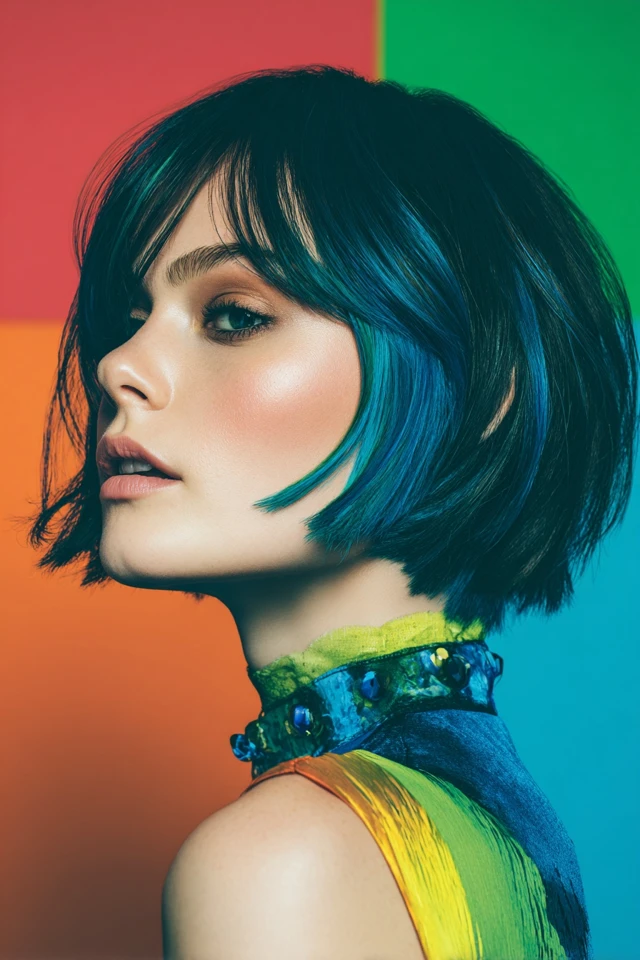
How do you style and care for a short bob?
Start with how you shampoo. According to the American Academy of Dermatology, hair that is dry, textured, curly or thick can be shampooed at least once every 2 to 3 weeks as needed, so curly bob wearers do not need to wash daily. The same page advises using a wide-tooth comb instead of a brush to detangle wet hair, because hair is delicate when wet.
For heat styling, the AAD says flat irons should be used on dry hair on a low or medium heat setting, no more often than every other day. A short bob dries quickly, so a round brush and a few minutes of blow-drying often does the job without the iron.
A leave-in conditioner can help with frizz. Board-certified dermatologist Zoe D. Draelos, MD, FAAD, says on the AAD's leave-in conditioner page: "You should see less frizz. Your hair should be easier to brush or comb, so you'll have less breakage."
Plan on a trim about every six to eight weeks to keep the shape. A bob loses its outline faster than longer hair does. If you are weighing lengths, compare it with the collarbone-length blunt cut or the shoulder-length wispy cut before you commit.
What should you wear with a cheek-length bob?
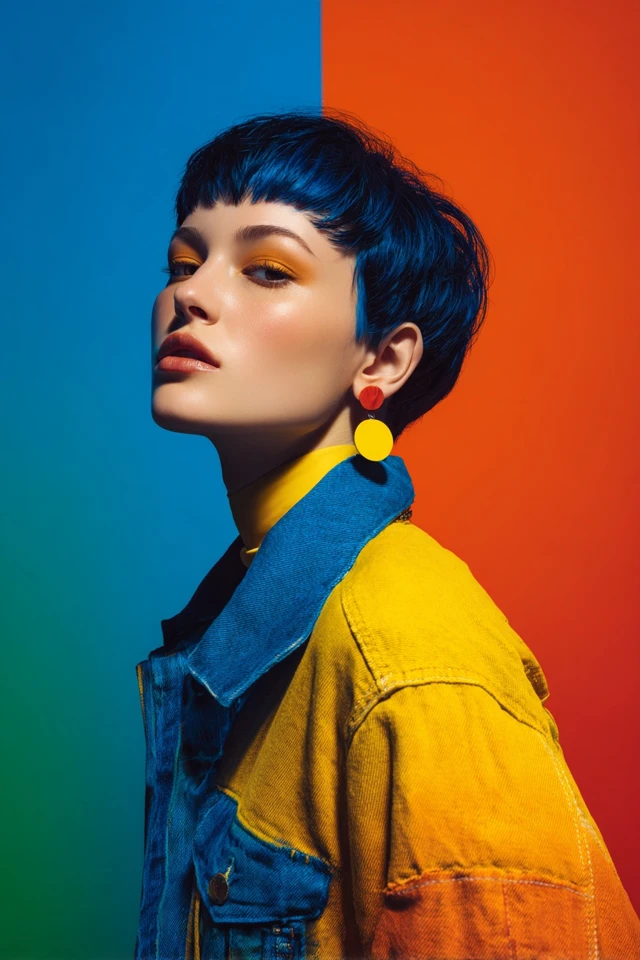
A short cut leaves your neckline and ears visible, so they become part of the look. High necklines, simple collars and a good pair of earrings all sit well against it. Texture matters too: a glossy satin top reflects light much like smooth hair, while a matte knit makes a calmer backdrop for a textured cut.
Bring two or three photos of the exact bob you like to your hairdresser, plus one of what you do not want. That usually settles the length and edge faster than any description.
Frequently asked questions
What is the most flattering bob length for an older woman?
A length between the cheekbone and the chin is a common choice, since it shows the jaw and neck without feeling severe. Soft edges and light movement usually look easier than a hard geometric line.
Does a short bob make you look older or younger?
Length matters less than finish. A well-shaped, regularly trimmed bob looks fresh at any age, while an overgrown one can look tired.
Who should not get a short bob?
If you need to tie your hair back daily or dislike hair touching your neck and ears, a short bob may feel restrictive. Very curly hair also needs a stylist who cuts for shrinkage.
How often should you trim a short bob?
About every six to eight weeks keeps the outline sharp. A fringe may need a quick trim sooner.
Filed under Haircuts