
Year Round Capsule Wardrobe: Build One That Grows
- Words by
- Julio Arco
- Published
- Reading
- 4 min
A year round capsule wardrobe starts with a small set of neutral staples in one color palette, adds layers that stretch each piece across seasons, and leaves two or three slots open for pieces that reflect your taste right now. Build the base once, then swap a few items as your style or life changes.
If you have ever outgrown a closet built around one aesthetic, that is normal. Taste moves. The goal here is a wardrobe that moves with it without a full overhaul.

How to build a capsule wardrobe for all seasons
Work in this order: palette, staples, layers, a few personal pieces, then a regular edit. Each step makes the next one easier, because every new item only has to work with what you already own.
Step 1: Choose a palette that mixes easily
Pick two or three neutrals (black, white, beige, navy, gray, camel) and one or two accent colors you like near your face. Through the lens of evidence-based design, I'd think about how colors read next to each other and next to skin: a warm camel and a cool gray can look unrelated, while camel and cream almost always sit well together.
Texture matters as much as color. A matte knit and a glossy satin in the same navy do not read as the same color, so vary surfaces inside one palette to keep outfits from looking flat.

Step 2: Start with timeless staples
These pieces work in every season and dress up or down. Here is a starting capsule wardrobe checklist, which you can trim or adjust to your climate and routine:
- Tops: a white button-down, a black or neutral turtleneck, two well-fitted tees, one fine-gauge knit.
- Bottoms: dark-wash jeans, tailored trousers, a midi skirt.
- Dresses: one simple dress or slip dress that layers well.
- Outerwear: a structured blazer, a trench coat, a neutral cardigan, and a warmer coat if your winters need one.
- Shoes: ankle boots, white sneakers, a dressier flat or pump.
- Accessories: a leather belt, a tote, simple jewelry in one metal tone.
That is roughly 20-25 items before accessories. Many capsule guides suggest 30-50 pieces including everything, but the right number is the one you actually wear.

Spend where it counts
Put your budget into the pieces you wear most: outerwear, shoes, jeans. Check seams, lining and how the fabric recovers when you crush it in your hand. If money is tight, the approach in this budget capsule guide shows where to save, and this one on investment pieces covers where paying more makes sense.
Step 3: Layer to stretch pieces across seasons
Layering is what turns one capsule wardrobe for every season from a idea into a workable closet. A slip dress goes solo in summer, over a tee in spring, and under a turtleneck and tights in winter. A trench handles rain in spring and fall, and a cardigan or knit underneath extends it into colder days.

For cold or active days, the base layer matters. Howdy Health at Texas A&M says the layer closest to your skin should be moisture wicking material that draws sweat away, and it advises avoiding cotton because it absorbs moisture and can keep it next to your skin, making you cold. For everyday winter dressing that means a thin merino or synthetic layer under your usual tops. For more on cold climates, see this cold weather capsule.

Step 4: Add a few pieces that feel like you
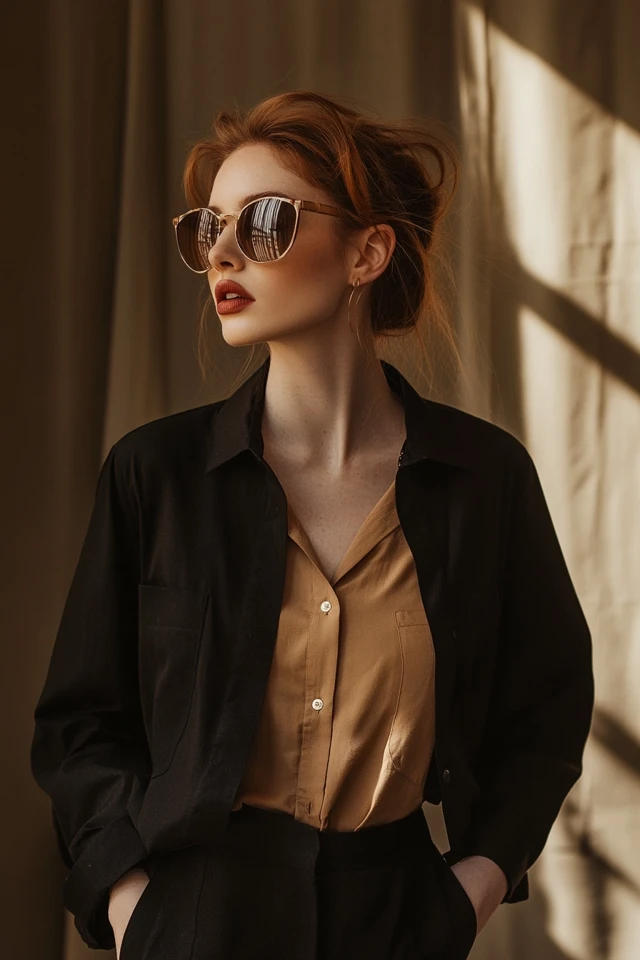
Your style is the part that changes, so give it a small, flexible budget. One or two trend-leaning or personal items per season is enough: a bright blazer over neutrals, wide-leg pants, chunky loafers, a bold scarf. Accessories are the cheapest way to try a direction before committing to it.
Not sure what your current style is? Look at the five things you reach for most. Flowy dresses, sharp tailoring and soft knits each point somewhere different, and your next purchases should follow that pattern. If you want shapes that stay relevant, timeless silhouettes are a safe base.
Step 5: Rotate, edit and maintain it
At the change of each season, take everything out and sort it into keep, store and let go. Store off-season items in a cool, dry place so the active closet stays small and easy to read.
When you are unsure about an item, MSU Extension instructor Jasmine Harris-Speight suggests asking: "When deciding what to keep, ask yourself: Does this item hold a sentimental place in my heart? Will I miss this item if I get rid of it?"

Replace worn-out pieces with similar staples rather than something new, so the system keeps working. As for what leaves your closet, the US EPA reports that the recycling rate for all textiles was 14.7 percent in 2018, so donating, reselling or repairing beats the bin.
Adapting it for travel or a bigger life change
The same system scales down. For a trip, keep the palette, take one bottom per outfit family and rely on layers. The carry-on capsule guide has a packing list, and the all season capsule wardrobe post goes deeper on climate shifts.
Moving from a casual job to a formal one, or from a warm city to a cold one, rarely means starting over. Keep the palette, swap the tops and outerwear, and let tailored pieces replace a few relaxed ones.

Frequently asked questions
How many pieces should a year round capsule wardrobe have?
Many capsules land between 30 and 50 items including shoes and outerwear, but a smaller set works if you do laundry often. Start with the basics list and add only what fills a real gap.
Can I still follow trends with a capsule wardrobe?
Yes. Reserve one or two slots per season for trend pieces or accessories, and keep the rest neutral so they pair with everything.
What if my style changes a lot?
Your neutral staples will still work. Replace the more distinctive pieces gradually instead of rebuilding the whole closet.
How do I make a capsule wardrobe feel personal?
Use accessories, an accent color and one or two distinctive pieces. Fabrics and fit you enjoy wearing do more for personality than a longer item list.
Filed under Capsule Wardrobe