Sculpted Wedding Reception Gowns: How to Choose One
- Words by
- Julio Arco
- Published
- Reading
- 4 min
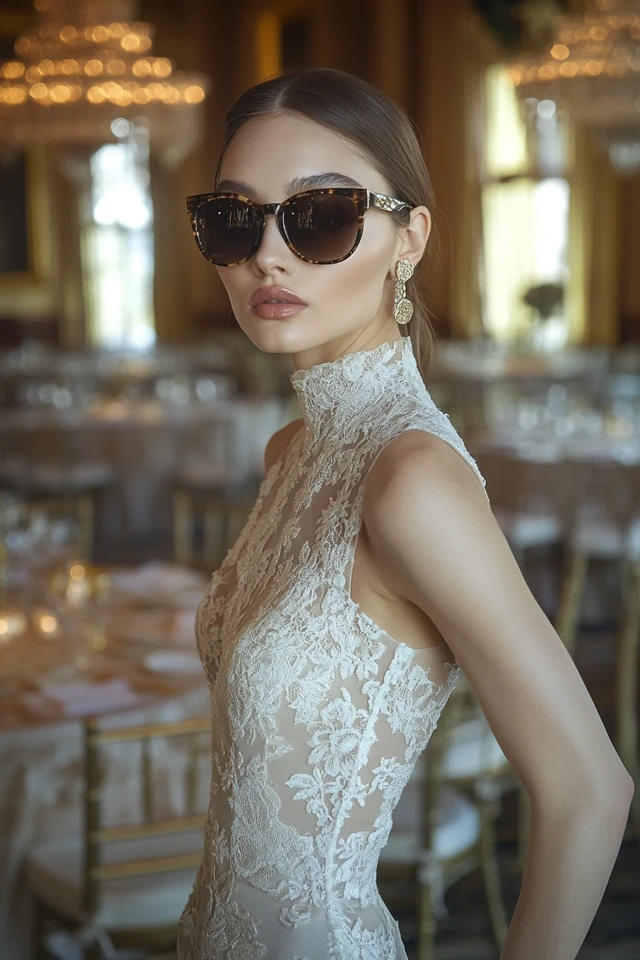
A sculpted gown gets its drama from structure, not decoration: a one-shoulder line, a pleated bodice, a ruffle that falls in a set direction. For a reception, pick one strong structural detail, a fabric with enough body to hold it, and keep everything else quiet.
That formula works whether you are the bride changing for the party or a guest who wants to stand out without wearing white.
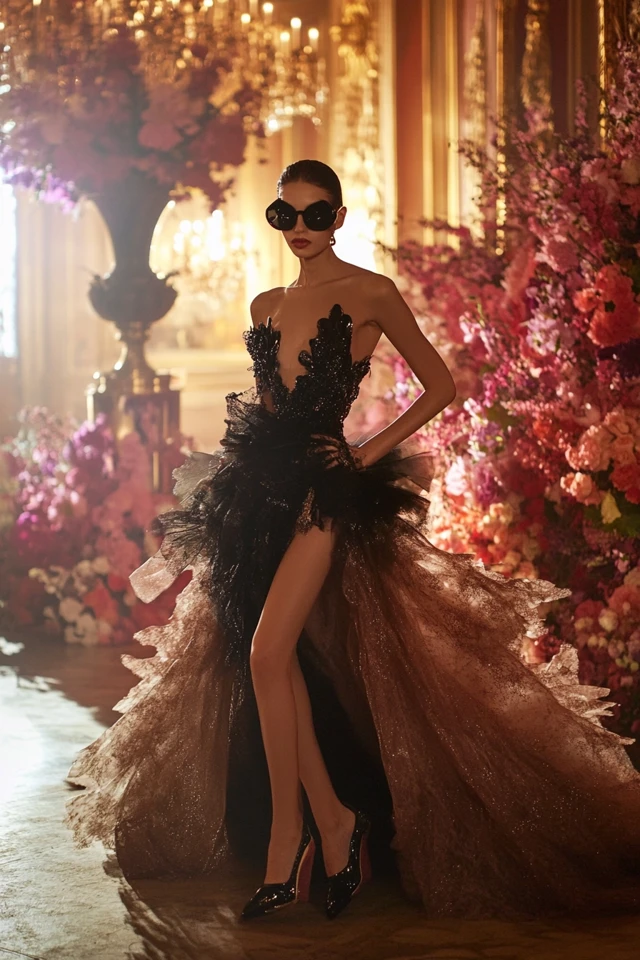
What makes a gown "sculpted"?
The shape is built into the garment. Seaming, pleats, boning, draping and stiffer fabrics create the silhouette, so the dress looks the same standing still as it does on the dance floor.
- Asymmetry: one-shoulder necklines, diagonal ruffles, high slits.
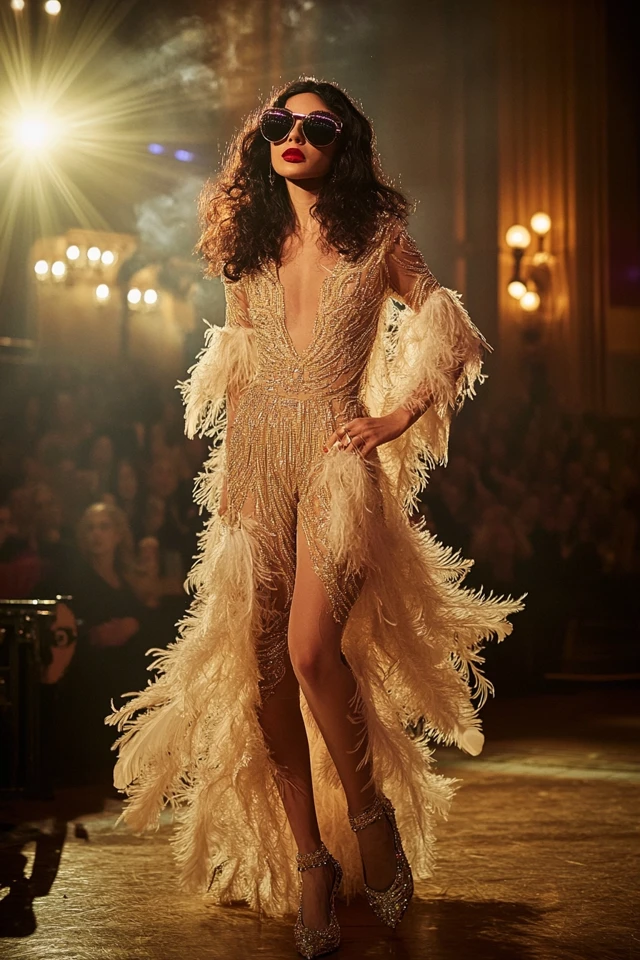
- Volume with a purpose: a full skirt against a fitted bodice, or an exaggerated shoulder.
- Fabrics with body: satin, crepe and mikado hold a line; thin jersey will not.
- Cut-outs and plunging necklines that frame the neck and collarbones.
If you like the seam work behind this look, princess seams in formal gowns are one of the quietest ways tailoring creates shape.
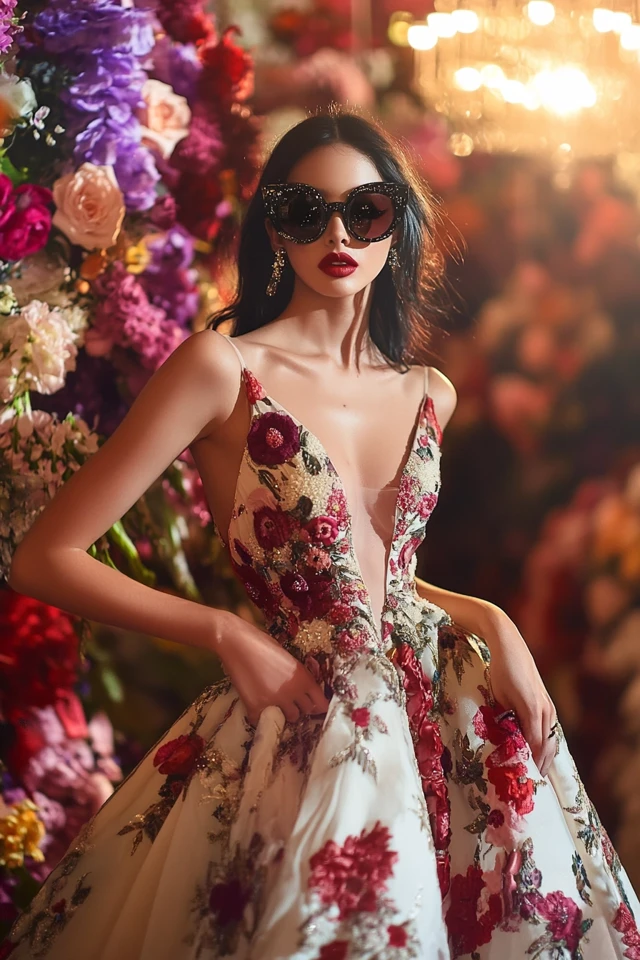
Which fabric holds a sculpted shape best?
Mikado and heavy satin give the sharpest lines and suit cooler months or formal ballrooms. Crepe is softer but still skims and holds, which makes it easier for dancing. Velvet adds weight and depth in winter.
Through the lens of evidence-based design, I'd look at the surface before the color. A glossy satin throws light back and makes every fold look larger, while crepe absorbs it and keeps the focus on the outline.
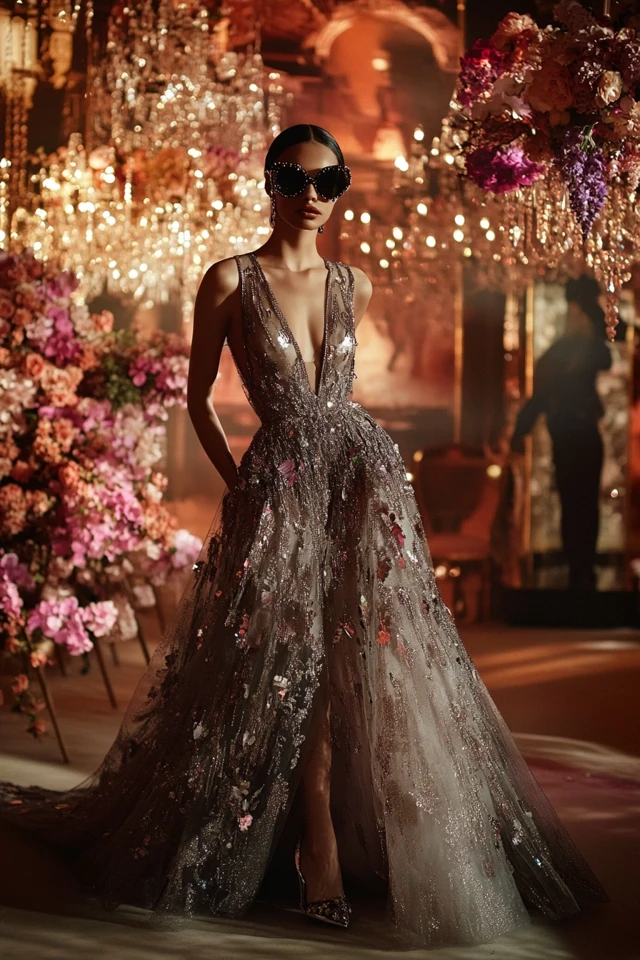
What color should you choose?
Sculpted lines are easy to read in solid colors, so the shade does a lot of the work.
- Ivory or white: for the bride only. Guests should skip it and any bridal-style detail.
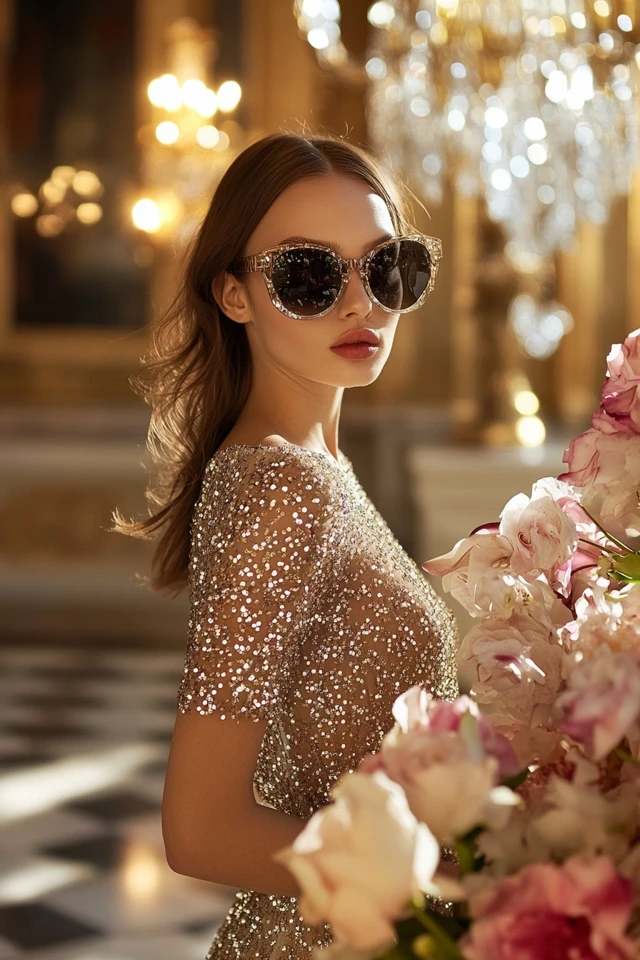
- Champagne or blush: soft, and they let the structure show without shouting.
- Red or burgundy: the boldest choice, best with minimal jewelry.
- Emerald or navy: deep tones that photograph well at evening receptions.
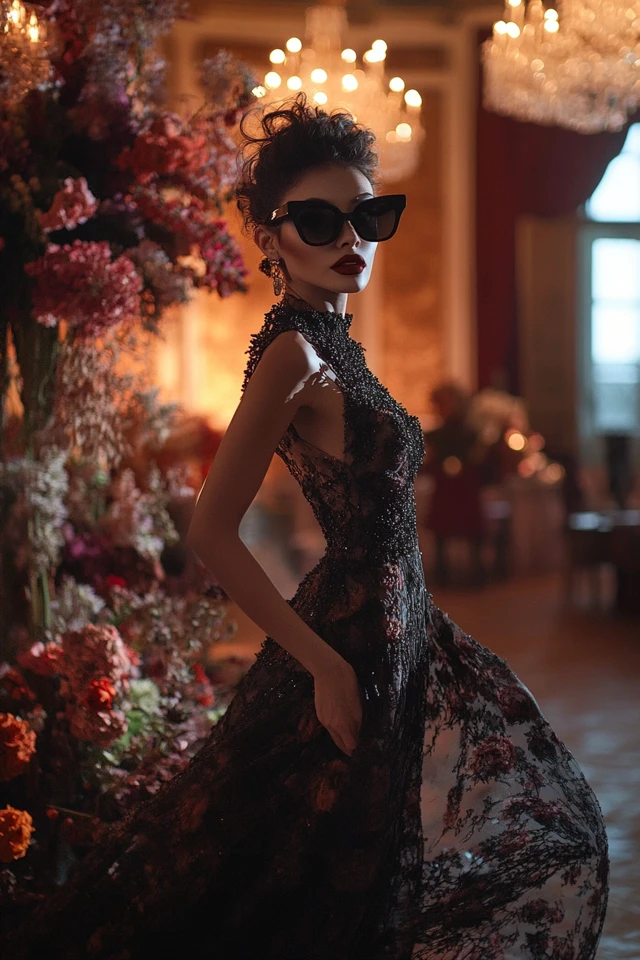
- Black: sharp and formal, especially with one dramatic cut.
As an architect trained in evidence-based design, I'd pick champagne if you want the shape to be the first thing people notice, because a low-contrast color lets shadows in the pleats and folds do the talking.
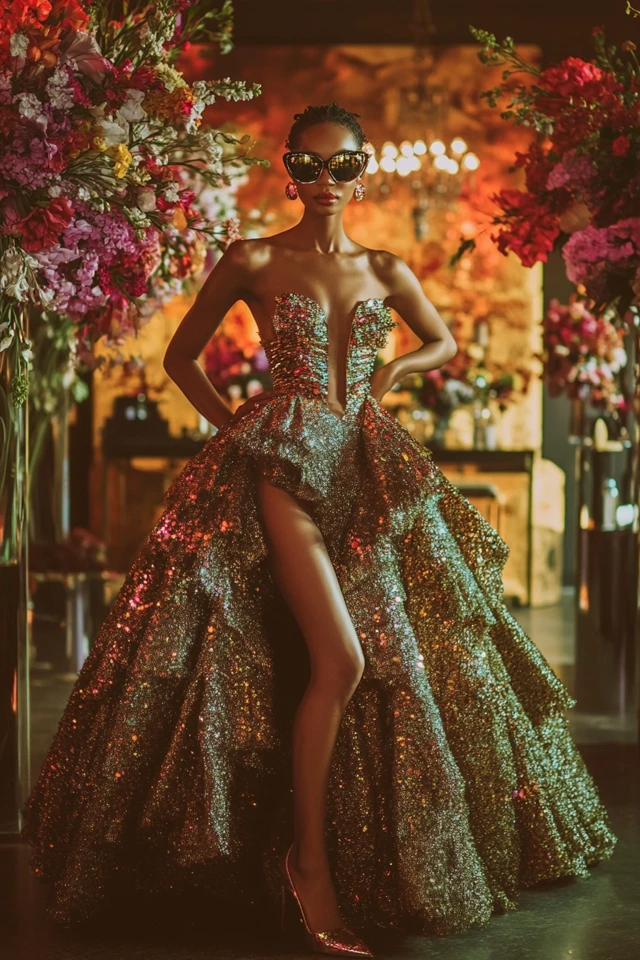
How do you choose a sculpted gown for your body type?
A gown that pulls or pinches is a fit problem, not a you problem. Start with the waist and shoulders, then adjust the rest with tailoring.
Petite frames
Choose a fitted or high-waisted cut and vertical details like pleats or panels. Very large ruffles can swallow a small frame.
Curvy figures
A structured bodice gives support and definition. Wrap fronts, A-line skirts and soft draping follow the body without clinging.
Athletic frames
Full skirts, ruffles, peplums and shoulder detail add curve and dimension. A one-shoulder neckline also frames the collarbones.
Taller frames
You can carry a train, an oversized bow or layered horizontal detail. Floor-length hems look especially balanced.
Which sculpted details are popular right now?
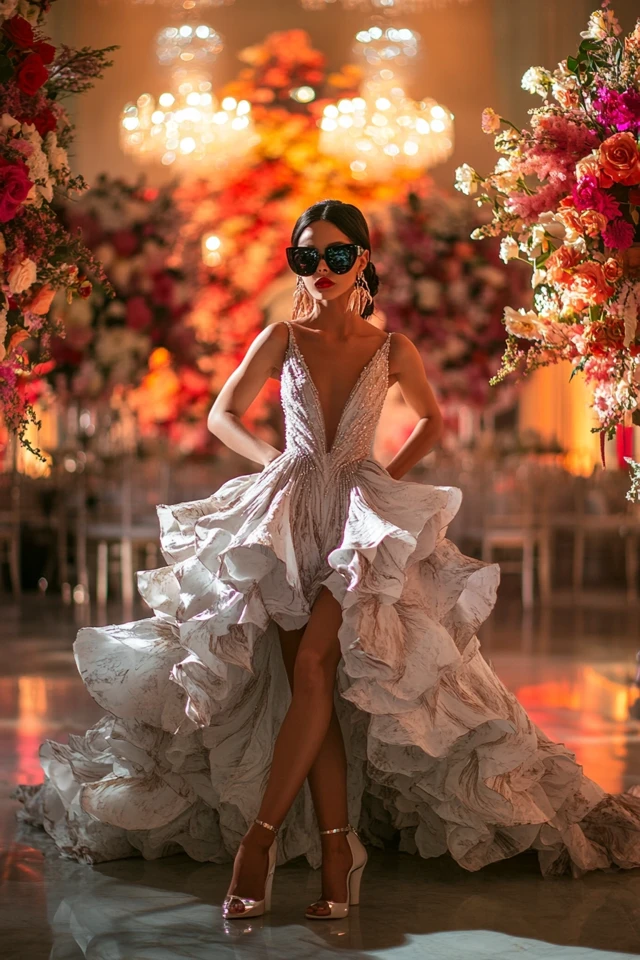
One-shoulder gowns, oversized ruffles, strategic cut-outs, high-low hems and big bows at the shoulder or back are the details showing up most. Classic options still hold up: A-line skirts, fitted bodices with flared skirts, and ball gowns with pleated skirts or corseted tops.
If your reception has a theme, see how to wear bold statement dresses at themed receptions.

Can you wear a sculpted gown to a beach reception?
Yes, with adjustments. If you are wondering what to wear to a beach wedding, the same rules apply: choose a hem that will not drag in sand and a fabric that handles heat and breeze. Stiff mikado is a poor match for humidity. Lightweight crepe, or a structured cut in a flowing fabric, works better.
Among beach wedding guest dresses, a sculpted one-shoulder maxi with a hem at the ankle is easier to manage than a train. For beach wedding attire for female guests, block heels or flat sandals will not sink into sand the way stilettos do. Tropical dresses for beach wedding dates tend to be printed, so a solid sculpted gown in a bright shade can read as a deliberate contrast.
Outdoors, check the fabric label. The Skin Cancer Foundation notes that a UPF of 30 to 49 offers very good protection, while UPF 50+ offers excellent protection, though most formal gown fabrics are not rated, so bring a wrap or shade.
For more on travel receptions, read about elegant gowns for destination wedding receptions.
How should you style it?
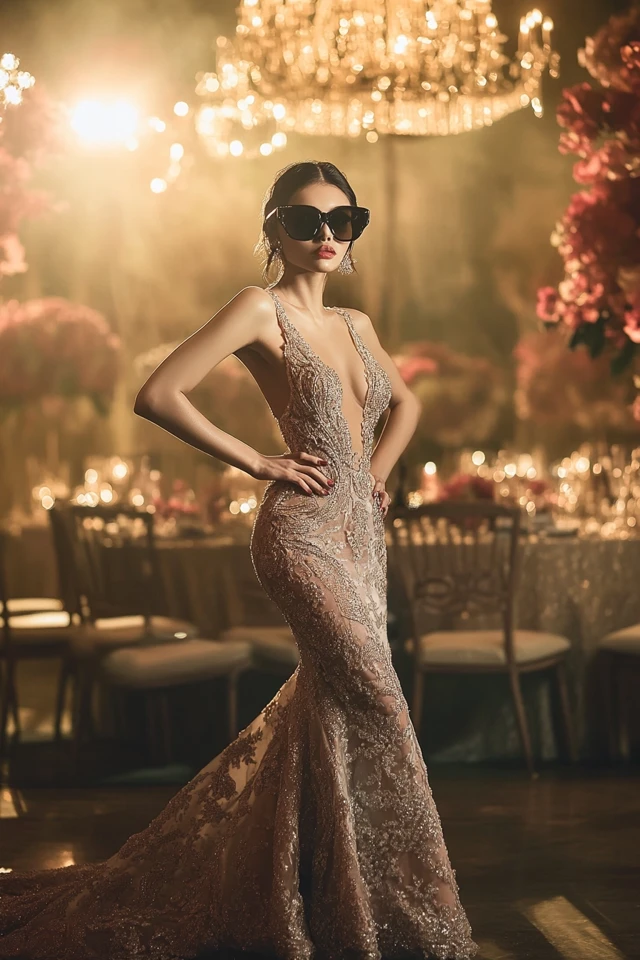
- Tailor first. Shoulders and bodice should sit cleanly; hem length can be altered last.
- Test movement. Raise your arms, sit and take a long step before you commit.
- Keep jewelry simple. Studs or a slim bracelet leave room for the neckline. If you want a bolder piece, see how to wear statement earrings and keep the neckline plain.
- Wear hair up with a high neckline or a one-shoulder cut, loose with off-the-shoulder styles.
- Pick comfortable shoes and a small clutch.
I'd treat the neckline as the first thing the eye reads, so let everything near it stay quiet.
Frequently asked questions
What should a female guest wear to a beach wedding?
Pick a dress with a hem that clears sand, a breathable fabric and shoes that will not sink, such as block heels or dressy flats. Follow the invitation's dress code and avoid white.
Are sculpted gowns comfortable to wear all evening?
They can be, if the fit is right and the fabric has some give or breathes. Test sitting, raising your arms and dancing in it before the day.
Can I wear a sculpted gown as a wedding guest?
Yes. Choose a bold shape in any color except white or ivory, and avoid bridal-style details like a long veil-like train.
What undergarments work with a sculpted gown?
Seamless pieces or a built-in bra keep the line smooth under structured fabric. A tailor can add cups or adjust the bodice if needed.
Filed under Outfit Ideas