Fall Outfits by Body Type: Athletic Layers That Flatter
- Words by
- Julio Arco
- Published
- Reading
- 4 min
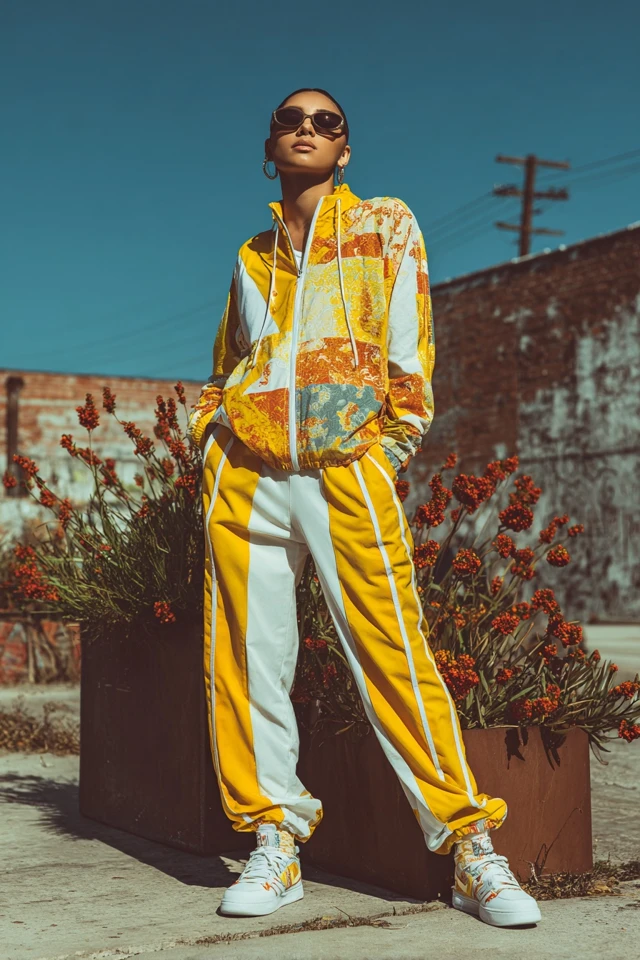
The simplest rule for fall outfits by body type: use layers to add shape where you want the eye to go, and keep the fabric close to the body where you want definition. Athletic pieces like leggings, joggers, zip-ups, puffer vests and windbreakers all work for this. The cut matters more than the label.
Below you'll find a starting formula for each common shape, then notes on coats, boots, color and layering. Body shapes are a loose guide, not a rulebook. If something feels good and moves well, it's working.
Autumn style for an hourglass figure
Hourglass proportions have shoulders and hips of similar width with a defined waist. Show that waist and the rest follows.
- Fitted top or half-zip with high-waisted leggings.
- A cropped or waist-length jacket instead of a long boxy one.
- A belt bag worn at the waist over a lightweight shell.
Choose fabrics with some stretch and a smooth surface. A stiff, bulky knit hides the waist you are trying to show.
Fall outfits for pear shape
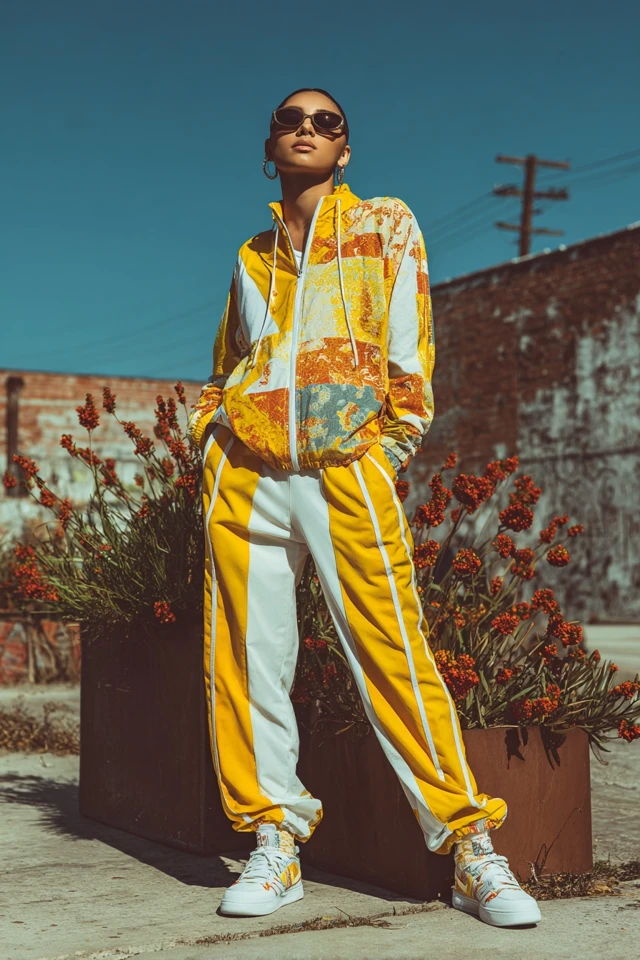
Pear shapes carry more width through the hips and thighs than the shoulders. The goal is to bring a little visual weight up to the top half.
- Tapered or straight joggers in a darker color, with a lighter or brighter top.
- Tops with an interesting neckline, a structured shoulder or a wider collar.
- A vest or jacket that ends at the hip, not across the widest part of the thigh.
Through the lens of evidence-based design, I'd put the brightest color near the face. The eye tends to go first to the strongest contrast, and a burgundy or rust top does that job well against dark bottoms.
Apple shape fall styling
Apple shapes carry more volume through the midsection, often with slimmer legs. Lengthen the torso line and show off the legs.
- Tunic-length tops over leggings, with a soft drape rather than a clingy knit.
- Open-front layers such as a long cardigan or zip-up, which make a vertical line.
- A lightweight puffer vest worn open instead of zipped tight.
Breathable, soft fabrics that fall away from the body avoid adding bulk where you don't want it.
Fall outfits for rectangle body shape
With shoulders, waist and hips of similar width, a rectangle shape benefits from anything that suggests a curve.
- Color-blocked jackets or tops that put a break at the waist.
- A cropped hoodie or a belted shell.
- Textured or patterned leggings to add dimension below the waist.
Volume layered on top, such as an oversized zip-up over fitted bottoms, also adds shape without much effort.
Inverted triangle fall outfits
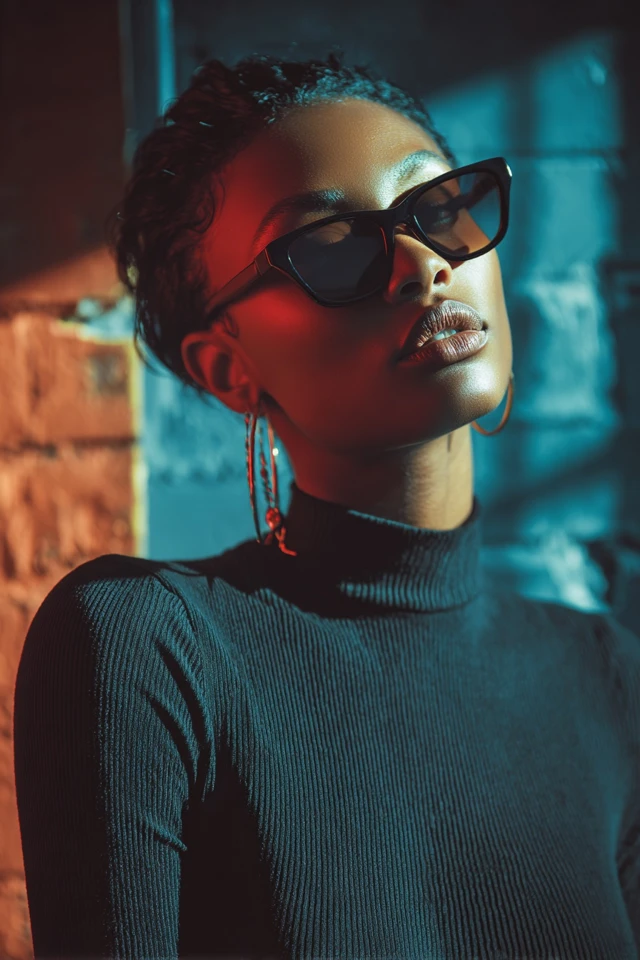
Broader shoulders and narrower hips call for the opposite of the pear plan: soften the top and add interest below.
- Simple, scoop or V necklines and raglan sleeves instead of structured shoulders.
- Joggers with some volume, cargo pockets or a wider leg.
- Lighter or patterned bottoms with a darker top.
Best coats and boots by body type
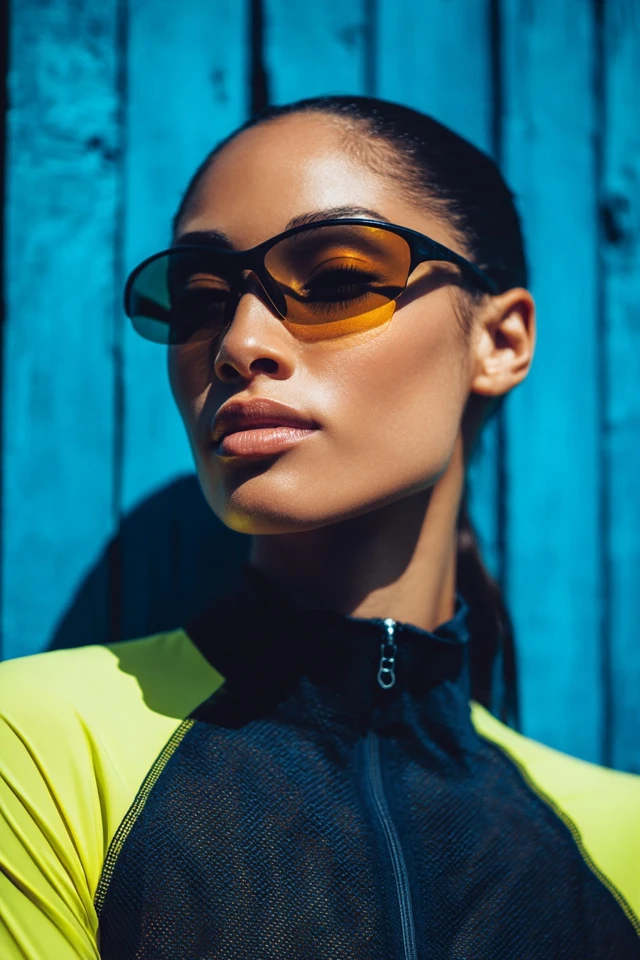
Coat length changes proportion more than almost anything else. A few general guides:
- Hourglass and rectangle: cropped or hip-length coats that stop near the waist or just below.
- Pear: hip-length or longer coats that skim over the widest point, in a darker color.
- Apple: longer, open-front coats with a straight drape.
- Inverted triangle: softer shoulders and a coat that flares slightly below the waist.
For boots, an ankle boot with a clean line works with most shapes. A slouchy style adds volume at the calf, so it suits slimmer lower legs and tapered pants (see slouchy suede boots for fall). If you want a sharper top layer, a faux leather blazer over an athletic base adds structure to any of these shapes.
How to choose fall colors
Color reads differently next to skin. Warm undertones usually look good in rust, olive and camel, while cooler undertones often suit cranberry, sapphire and deep teal. Neutral undertones can wear both. Hold a piece up near your face in daylight and see whether your skin looks even or tired.
As an architect trained in evidence-based design, I'd treat color as a placement tool too: a dark shade recedes and a bright one draws the eye. Use that on purpose.
Layering tips to flatter your shape
- Start with a breathable, close-fitting base that manages sweat.
- Add a mid-layer for warmth, such as a fleece or thermal knit, in a slim cut.
- Finish with a wind-resistant shell or vest sized to fit over the others without pulling at the shoulders.
A jacket that pulls at the shoulders is a fit problem, not a you problem. Go up a size in the outer layer before you compromise on movement. For colder weather, the athletic winter outfit ideas pick up where this leaves off, and for texture play try corduroy and wool.
Frequently asked questions
What is the 3-3-3 rule for outfits?
It is a wardrobe-planning shortcut where you pick three tops, three bottoms and three pairs of shoes that all mix together. The exact version varies, so treat it as a way to build a small, flexible capsule.
What is the hardest body type to style?
None is inherently harder. Difficulty usually comes from finding cuts that fit, such as shoulders and hips that need different sizes. Tailoring or separates in different sizes solve most of it.
Do these outfit ideas work for men?
Yes, the proportion logic is the same. Balance shoulders and hips with layers, and pick jacket lengths that suit your torso.
Filed under Outfit Ideas