Structured Long Coats: 6 Shapes Worth Wearing
- Words by
- Julio Arco
- Published
- Reading
- 4 min
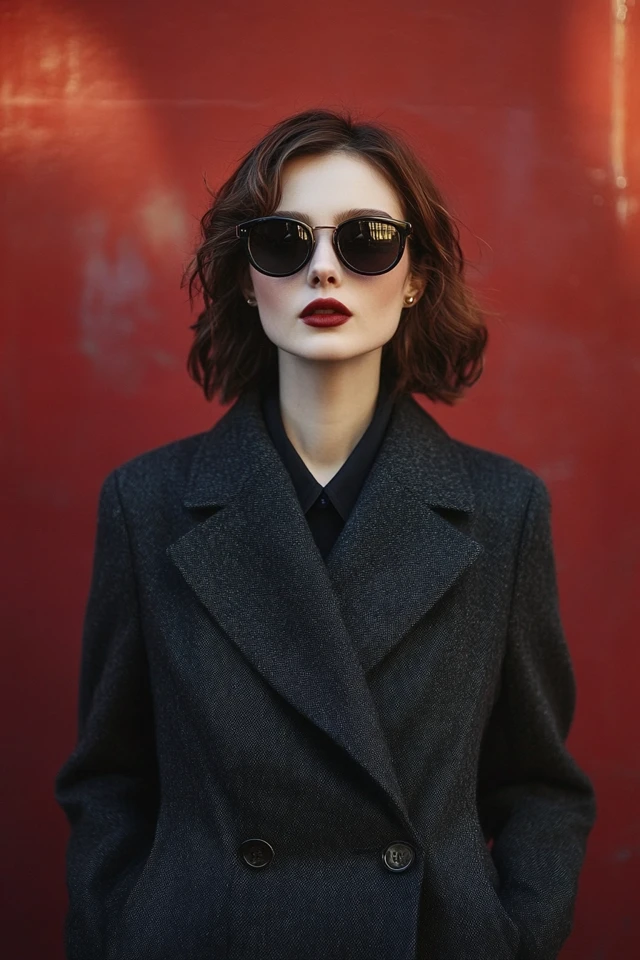
If you want one coat that works over a suit, a dress and jeans, start with a tailored wool coat in a neutral shade that ends at the knee or lower. A fitted upper body with a gentle flare from the waist (the A-line shape) is the easiest structured long coat to wear, because it adds shape without squeezing anything.
Below are the main shapes, what each does for your proportions, and how to wear them.
What makes a long coat structured?
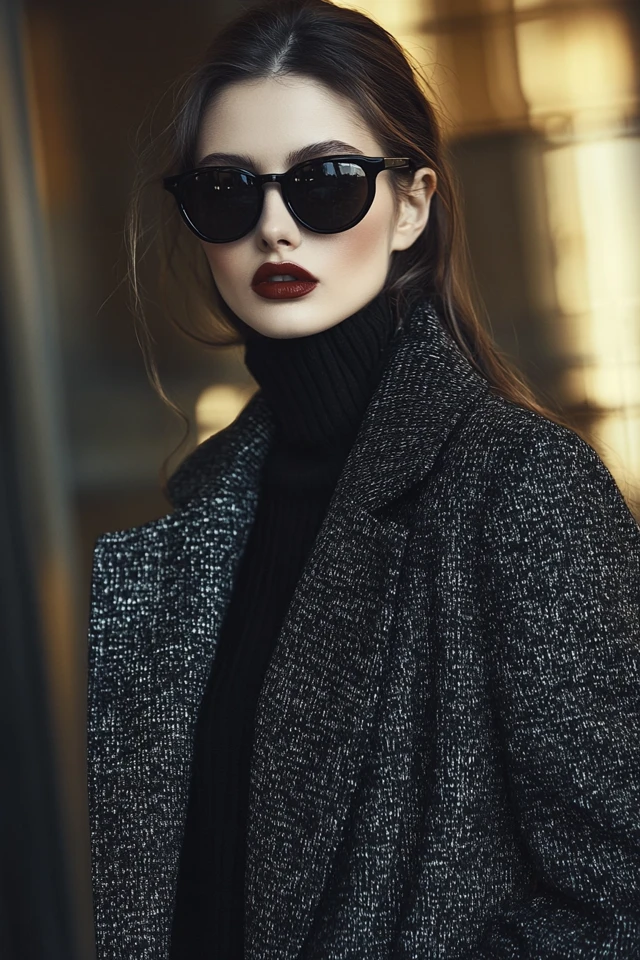
Structure comes from three things: fabric with some body, shoulders that sit at the end of your shoulder, and a defined waist or a clean vertical line. Wool with a firm weave holds its shape. A soft knit drapes instead.
A structured coat also reads differently from a puffer. The eye follows clean edges and seams, so the silhouette looks deliberate even over a thick sweater.
Which style of long coat should you choose?
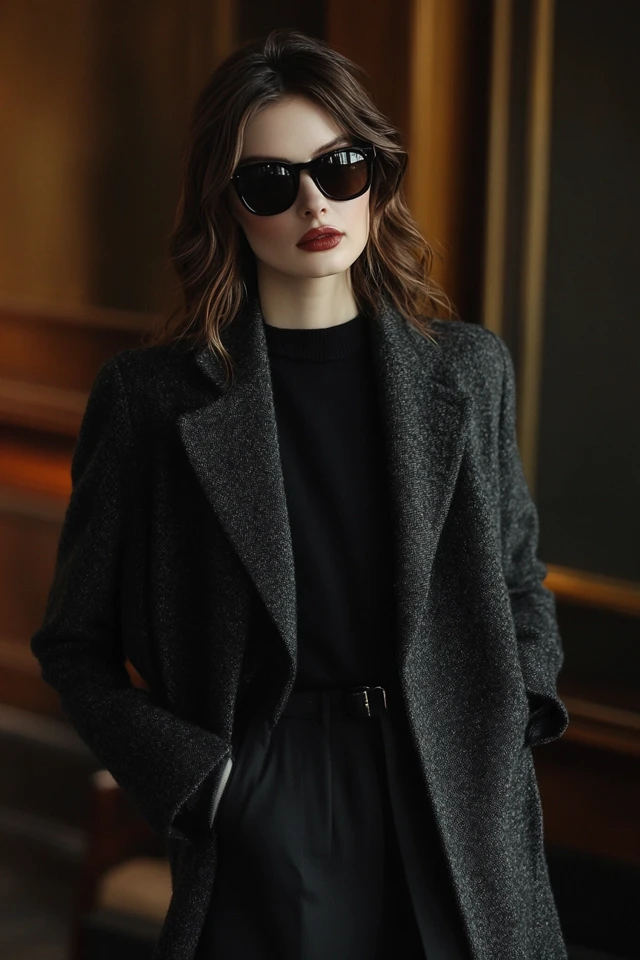
Tailored wool coat
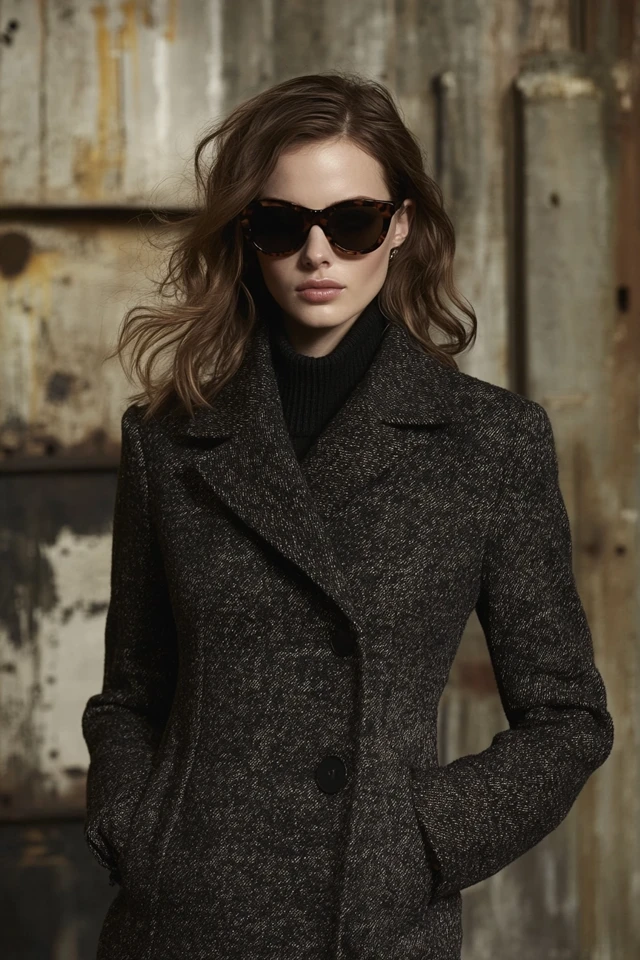
This is the safe pick and the one most people end up wearing daily. A long wool coat for women in camel, charcoal or navy goes with nearly everything. Check the shoulder seam first. If it pulls or slides off, the fit is wrong, and that is a coat problem, not a you problem.
A-line coat
A fitted bodice with a flared hem gives movement when you walk and room for a skirt or wide trousers underneath. Knee-length or just below is the most balanced. If you are petite, keep the flare modest so the coat does not swallow your frame.
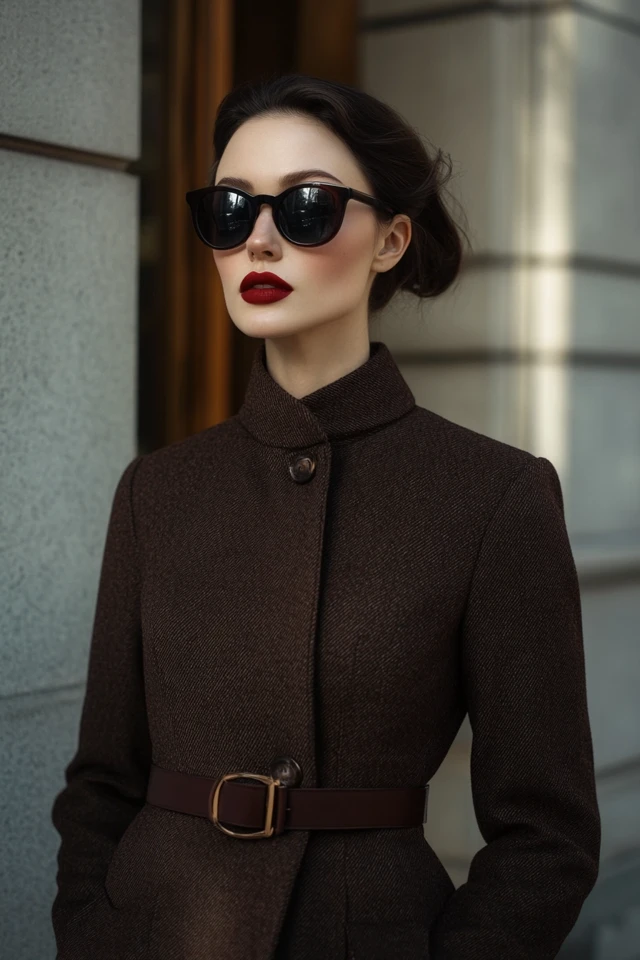
Belted long coat
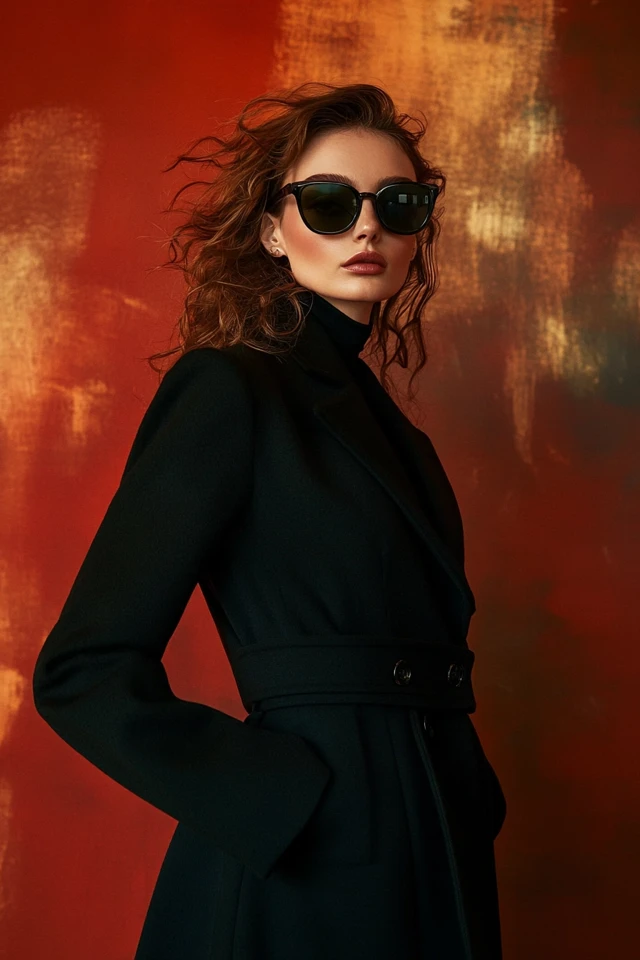
A belted long coat defines the waist, which helps if the cut is roomy. Tie it loosely for a relaxed line or cinch it for a dressier one. The belt can also stay open and hang, which gives you two looks from one coat.
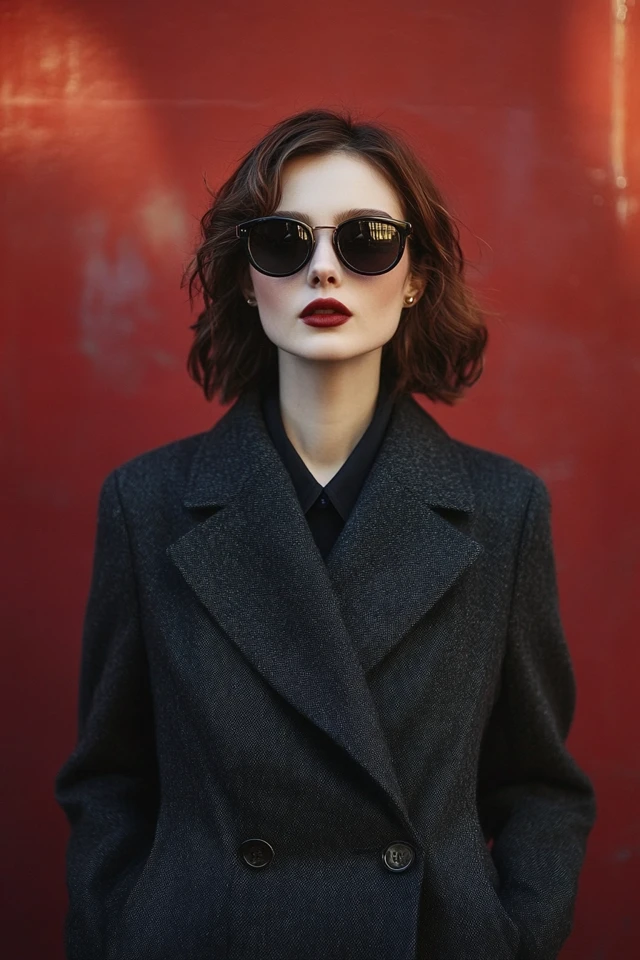
Double-breasted long coat
Two rows of buttons add visual width across the chest and a military feel. A double breasted long coat suits narrower frames especially well. On a broader chest, look for a lower button stance and a slightly longer length to keep the line vertical.
Oversized wool coat
An oversized wool coat is about drop shoulders and volume. Keep what is underneath slim, such as straight trousers or a fitted knit, so the coat is the only big shape. Through the lens of evidence-based design, I'd treat the shoulder line as the first thing the eye reads, so a clean drop looks intentional while a sloppy one looks like the wrong size.
How long should a long coat be?
Knee-length is the most versatile. Midi, around mid-calf, is more dramatic and works best with boots or slim shoes. A maxi length reaches the ankle and needs a bit of practice: hem and shoe should not fight, so wear a streamlined boot. For more on that scale, see structured maxi coats.

Outfit formulas that work
- Camel A-line coat, black tailored trousers, white turtleneck, heeled ankle boots.
- Burgundy belted coat over a midi dress with knee-high boots.
- Navy double-breasted coat, dark jeans, striped sweater, Chelsea boots.
- Bold red coat over an all-black base, so the coat is the only color.
Monochrome underneath lets a strong color read cleanly. Texture helps too: a matte wool and a glossy leather bag in the same black do not look identical, because the surface changes how light reaches the eye.
What to wear under a winter coat
A thick coat is only as warm as what is under it. The Howdy Health team at Texas A&M advises that the layer closest to your skin should be made of moisture wicking materials, and that cotton absorbs moisture and can keep it next to your skin. That guidance is written for cold-weather exercise, but it is a sensible reference if you walk a long commute in a long winter coat. For everyday layering, a fine merino or a good knit under the coat works well, and a scarf fills the neckline gap.
Fabric and finishing details
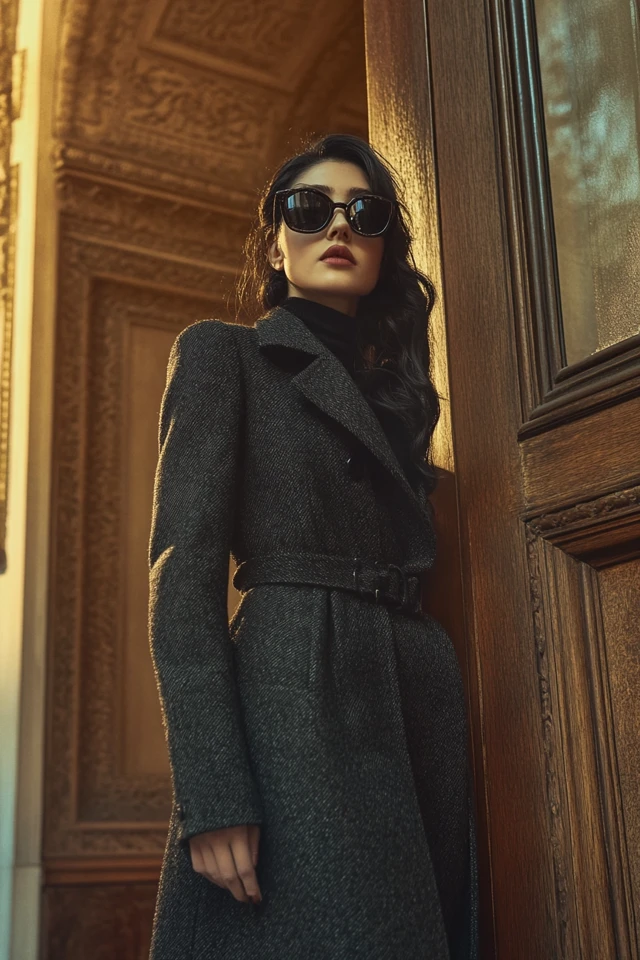
Wool holds shape and insulates. A wool and cashmere blend feels softer on the neck and hands, which is worth considering if your collar touches skin; see pairing cashmere and wool. Check that the lining is smooth so the coat slides over sweaters, and that pockets sit where your hands naturally fall.
If you like the idea of a lighter spring layer, an A-line trench follows the same logic in a thinner cloth.
Accessories that suit a structured coat
Choose a structured tote for work and a crossbody for weekends. Chunky knit scarves add texture in winter, while silk is better for milder days. A brooch on the lapel is a small, old-fashioned touch that works. To compare shapes further, read structured A-line coats.
Frequently asked questions
Are A-line coats suitable for petite frames?
Yes. Choose knee-length styles with a modest flare so the hem does not overwhelm your height.
Can I wear a long coat for formal occasions?
Yes. A tailored wool coat in a neutral or deep color over a dress or suit looks polished.
Are long wool coats warm enough for winter?
Usually, when the wool is dense and you layer a knit underneath. In very cold weather, add a scarf and warm lining.
Filed under Style & Fit