Fall Wardrobe Essentials: A Practical Capsule Checklist
- Words by
- Julio Arco
- Published
- Reading
- 4 min
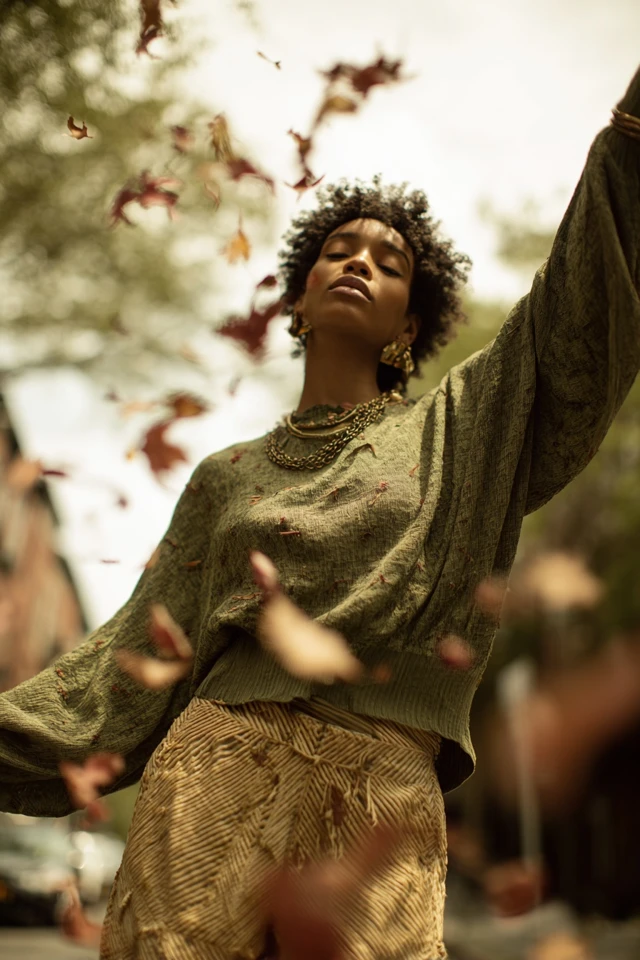
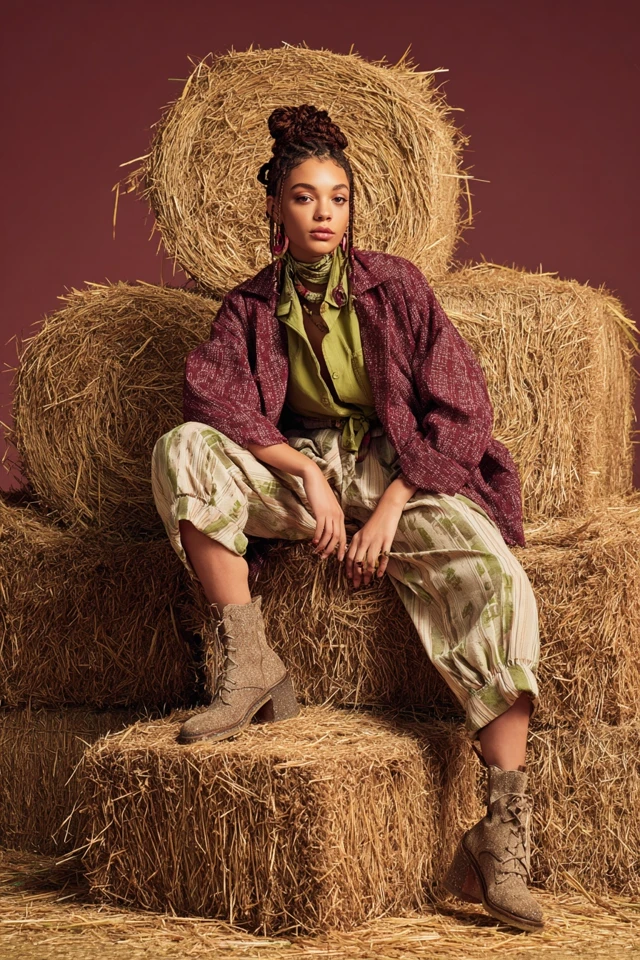
A fall capsule wardrobe works with about a dozen pieces that mix freely: two or three long-sleeve tops, a couple of knits, one pair of dark jeans, one trouser, a layering jacket, boots, and a few accessories. Pick a base of two or three neutrals and one or two accent colors, and almost everything will go with everything.
Below are the fall closet essentials worth owning, how to choose them, and where 90s-style accessories (chunky hoops, slim belts, hair claws) earn their place.
What are the essentials for an autumn wardrobe?
Think in categories rather than specific items. You need a layer for skin, a layer for warmth, a bottom, a topper and shoes that handle wet leaves. Anything beyond that is a bonus.
- Two or three tees or fitted long sleeves in neutral colors
- One crew or V-neck sweater and one cardigan
- One button-down or blouse
- Dark jeans and one pair of tailored trousers or a midi skirt
- One dress that works with tights and boots
- A blazer, trench or leather jacket
- Ankle boots plus a flat or loafer
- A belt, a scarf and one pair of earrings you wear daily
If you buy only a few things, make them the knit, the jeans and the jacket. They carry most outfits.
Start with tees and long sleeves
These sit closest to your skin, so fabric matters more than trend. Look for a medium-weight cotton or a cotton blend that does not cling or go see-through. A crew neck suits layering under knits, while a scoop or square neck shows off a necklace.
White, cream and charcoal cover most needs. Check the shoulder seam: it should sit where your shoulder ends. A top that pulls across the upper back is a fit problem, not a you problem.
Pick sweaters and cardigans for texture
Through the lens of evidence-based design, I'd think about texture before color here. A smooth merino and a chunky wool in the same camel do not read as the same color, because the surface changes how light reaches your eye. Matte, brushed knits look softer and warmer; tightly knit ones look sharper.
One fine-gauge sweater slides under a blazer. One chunkier cardigan works as a jacket on mild days. That pair covers office, errands and weekends.
Jeans, trousers and skirts
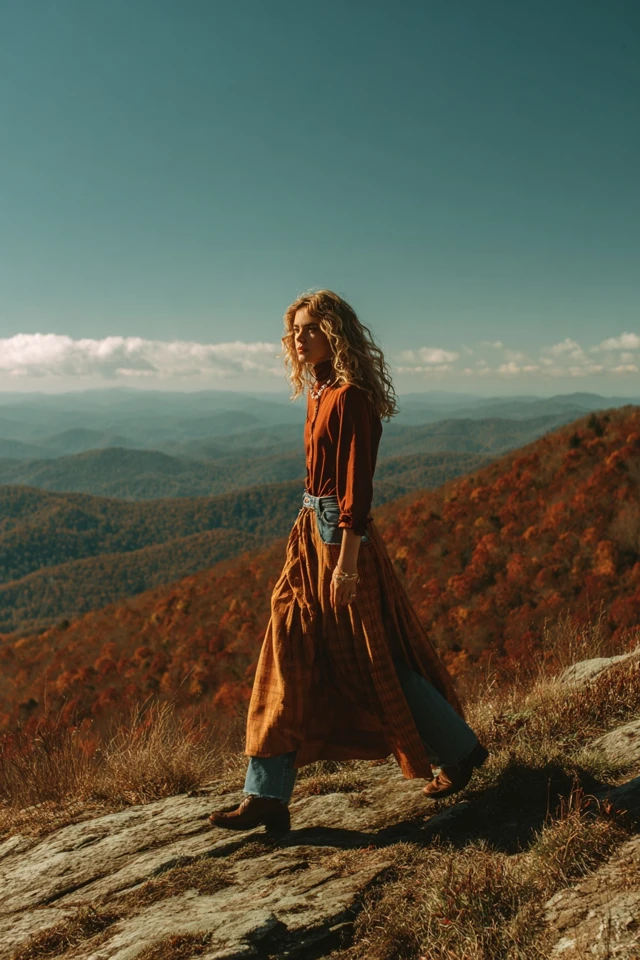
Dark indigo or black denim dresses up easily. Add a trouser in brown, charcoal or olive, and you have a second option for work or dinner. A midi skirt in a knit or suede-look fabric rounds things out if you like dresses and skirts.
For proportion, pair a fuller bottom with a fitted top, and a slim bottom with a looser knit. Keep the hem long enough to meet your boot shaft or sit just above it.
Layer with blazers, trench coats and leather jackets
Choose the topper that matches your daily life. A blazer suits offices and dressier plans. A trench handles drizzle and looks neat over almost anything. A leather or faux-leather jacket adds an edge to knits and slip dresses. For more ways to stack pieces, see cozy fall layering and layered fall staples.
Boots and fall shoes
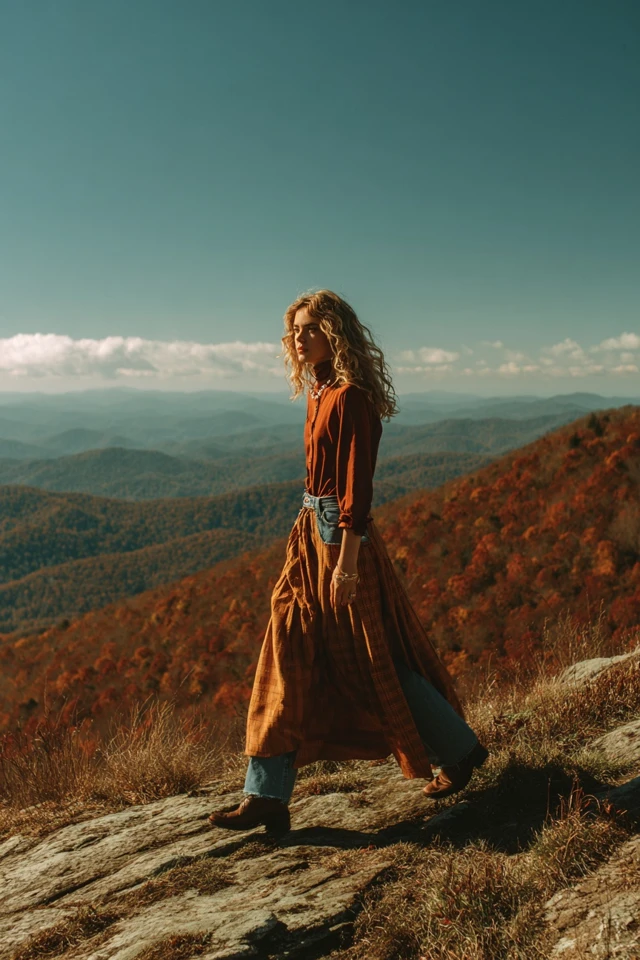
An ankle boot with a low block heel or flat sole is the workhorse. A loafer or Mary Jane with socks or tights handles dry days. Black and brown leather are the simplest choices, and a matte finish tends to look more grown-up than a high-shine one.
Accessories and 90s touches
Accessories are the cheapest way to make a small closet feel different each day. The 90s have supplied plenty of ideas that still work: a slim leather belt, matte gold hoops, a silk scarf knotted at the neck, a tortoiseshell hair claw. Keep one statement piece per outfit and let the rest stay quiet.
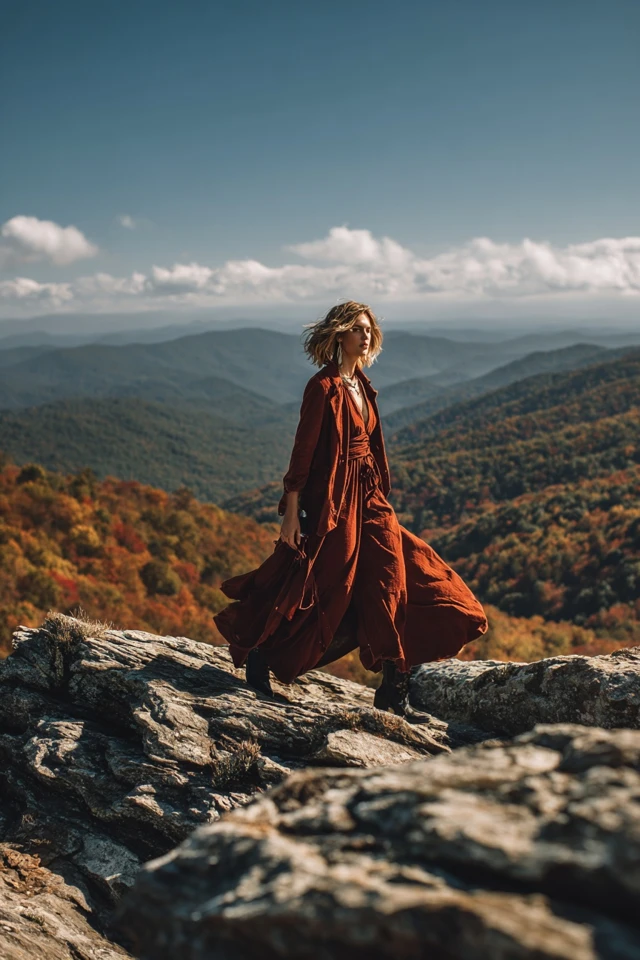
If you want a mood to follow, try edgy, glam or romantic accessory ideas, and pick the one that suits your wardrobe.
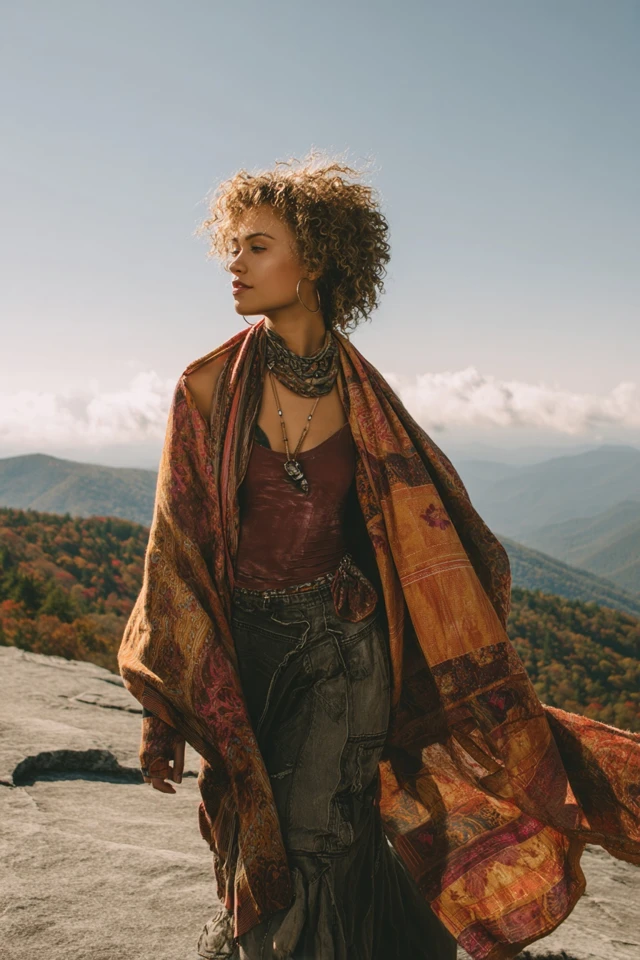
What colors to avoid in fall?
There are no banned colors, only combinations that fight your own coloring or your other clothes. Neon and very icy pastels can look out of place against fall's warm light and heavy fabrics. Bright white next to cream can also look like a mismatch rather than a choice.
Instead, build around neutrals such as black, navy, chocolate, camel, cream and charcoal, then add olive, rust, burgundy or mustard in small doses. Warm complexions often look good in amber and olive, while cooler ones tend to suit plum, slate and deep blue. Try each one near your face in daylight before you buy.
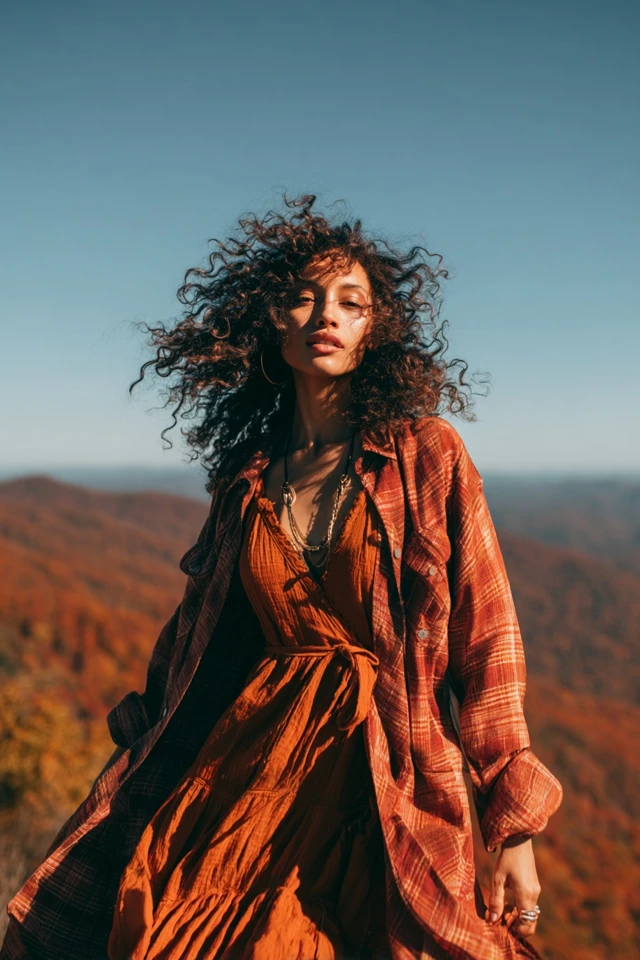
How to build a fall capsule wardrobe without waste
Start by shopping your own closet. In its guidance on discarded clothing, MSU Extension instructor Jasmine Harris-Speight suggests asking: "Does this item hold a sentimental place in my heart? Will I miss this item if I get rid of it?"
It matters because clothing rarely gets a second life. The EPA reports that the recycling rate for all textiles was 14.7 percent in 2018. Keep what fits and works, donate what does not, and buy only to fill real gaps.
As an architect trained in evidence-based design, I'd treat the neckline as the first thing the eye reads, so check that your core tops flatter yours before anything else.
Frequently asked questions
What is the 3-3-3 rule for outfits?
It usually means choosing three tops, three bottoms and three pairs of shoes, then mixing them into many outfits. It is a simple way to start a capsule wardrobe.
What colors to avoid in fall?
None are off-limits, but neon and very icy pastels can clash with fall's heavier fabrics and warm light. Test any color near your face in daylight first.
What are the essentials for an autumn wardrobe?
A few neutral tops, a sweater and cardigan, dark jeans, a trouser, a topper like a blazer or trench, boots and a couple of accessories cover most days.
How many pieces does a fall capsule wardrobe need?
There is no fixed number. Around a dozen clothing pieces plus shoes and accessories is a practical starting point if they all mix together.
Filed under Outfit Ideas