Faux Fur and Fringe: How to Wear and Choose the Look
- Words by
- Julio Arco
- Published
- Reading
- 5 min
A faux fur and fringe jacket works best when one texture leads and everything else stays quiet. Pick a single statement piece, keep the layers underneath smooth and simple, and let the movement of the fringe do the talking.
Below: how to choose the cut, how to style it, what to check on quality, and whether the look is still current.
Is faux fur still in style?
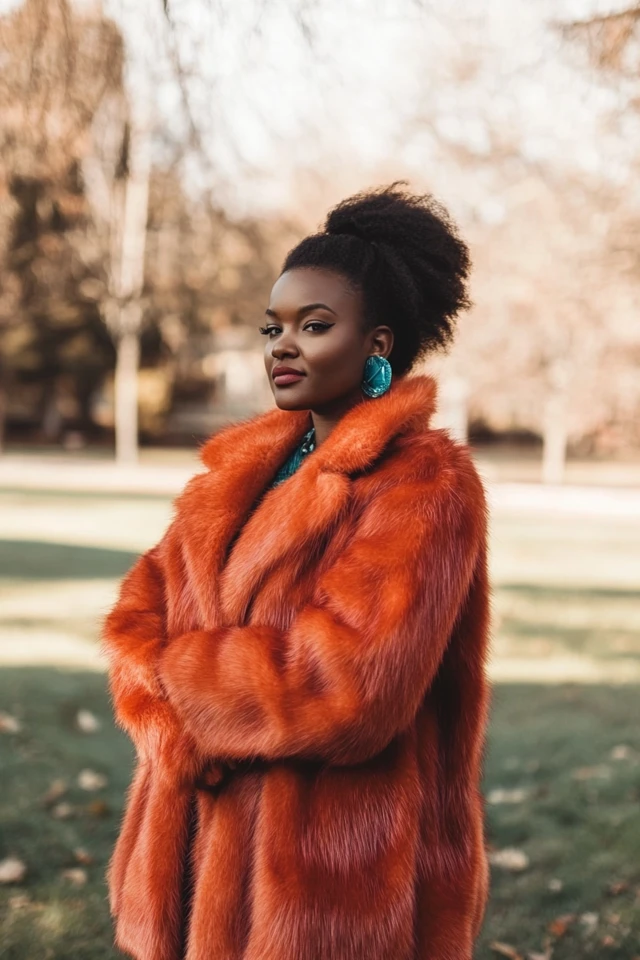
Yes, though it has moved from the formal glamour of the past toward casual, textured outerwear. Faux fur now shows up as collars, cropped jackets, vests and relaxed long coats, often with a second texture added. Fringe is one of those additions, and it sits comfortably in the same family of tactile, high-movement pieces.
I won't predict how long any trend will last. A practical test: if you like how the piece feels and moves, and it works with three things you already own, it will not feel dated next season.
Is fringe a current fashion trend?
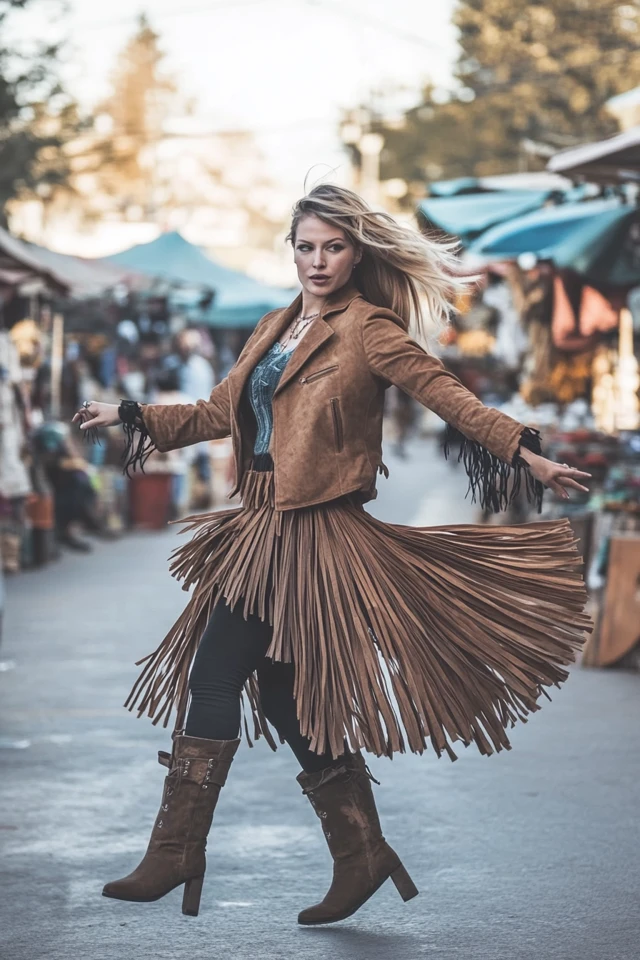
Fringe keeps returning in jackets, bags, skirts and boots, usually in small doses. It tends to read as modern when used on one item and as costume when it appears on several at once. Pairing it with faux fur doubles the texture, so the rest of the outfit needs to be calm.

Which cut should you choose?
Cropped jackets
A faux fur fringe crop jacket ends near the waist or just below it. It suits high-waisted trousers, skirts and dresses, and it keeps the volume at the top of the outfit. If you are shorter, the cropped length helps keep legs looking longer.
Longer coats
A fringe faux fur coat in mid-thigh or knee length is the warmer pick and the bigger statement. Fringe on the hem or sleeves swings as you walk, so check that it does not catch on bag straps or door handles. Slim trousers and a fitted knit underneath stop the shape from swallowing you.
Vests and collars
If a full jacket feels like too much, a vest or a fringed faux fur trim gives you the texture with less bulk. It is also an easier first step for a conservative wardrobe.

How to style faux fur and fringe
Texture is the first thing the eye reads on this kind of jacket, so treat it as the focal point.
- Choose smooth layers underneath: a fine knit, a cotton tee, a silk or satin top.
- Keep the palette to one or two colors. Neutrals like black, cream, camel and gray let the surface be the interest.
- Balance volume. A full, shaggy jacket looks best over fitted pieces, and a cropped one over higher-rise bottoms.
- Keep accessories minimal. Small earrings and a plain bag are enough.
- Finish with shoes that ground the outfit: ankle boots, loafers or clean sneakers.

Through the lens of evidence-based design, I'd pick a matte, dense-pile faux fur over a glossy one when the jacket also has fringe. Shine and movement together compete for attention, while a matte surface lets the fringe be the part that catches light.
Outfit formulas
- Day: cream faux fur and fringe jacket, black turtleneck, straight jeans, ankle boots.
- Evening: dark cropped jacket over a slip dress with sleek heels.
- Boho: tan fringe jacket, flowy blouse, denim and suede boots. Keep jewelry light so it doesn't turn busy.
- Smart casual: gray coat, tailored trousers, fine knit and loafers.

Women and men: what changes?
The principles are the same. For women, faux fur and fringe often appears in cropped and fitted shapes with a lot of movement. For men, it tends to work best in a bomber, trucker or shawl-collar shape in muted browns, black or gray, worn over a plain tee or knit with dark denim. Fringe on a menswear cut is usually shorter and tidier, which keeps it from reading as costume.
Either way, fit matters more than the trim. If the shoulders pull or the sleeves ride up, try a size up or a more relaxed cut. That is a fit problem, not a you problem.
What to check before you buy
- Pile density: part the fibers with your fingers. You should not see the backing fabric right away.
- Shedding: tug lightly. A few loose fibers are normal, handfuls are not.
- Fringe attachment: look at how the strands are stitched or knotted into the seam, and whether they are lined or backed.
- Lining and weight: a good lining makes the coat easier to put on and keeps the fur from clinging to your sweater.
- Care label: many pieces are spot-clean only or dry-clean only. Follow the label.

Pros and cons of faux fur
On the plus side, faux fur involves no animal fur, usually costs less than real fur and comes in many colors and lengths. On the downside, most faux fur is made from synthetic fibers such as acrylic or polyester, so it can feel less breathable than natural materials and can mat or shed as it wears. Buying fewer, better-made pieces and wearing them often is the sensible approach.

How to care for it
- Spot clean with a damp cloth unless the label allows more.
- Brush gently with a soft brush to lift matted areas and fringe.
- Store on a wide, padded hanger in a garment bag, away from heat and direct sun.
- Keep fringe untangled by letting it hang freely rather than folding it.

More ideas to browse
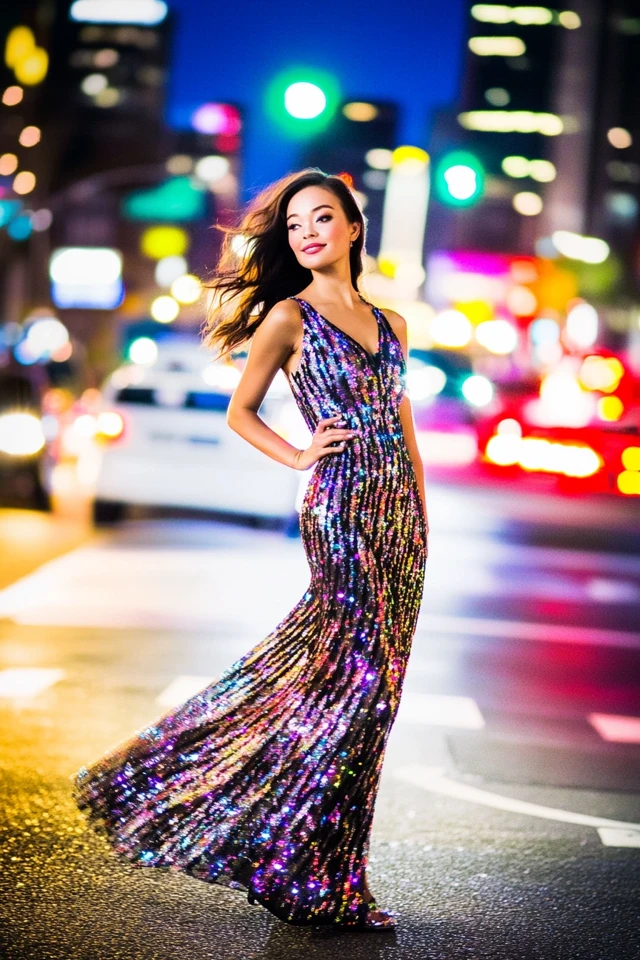
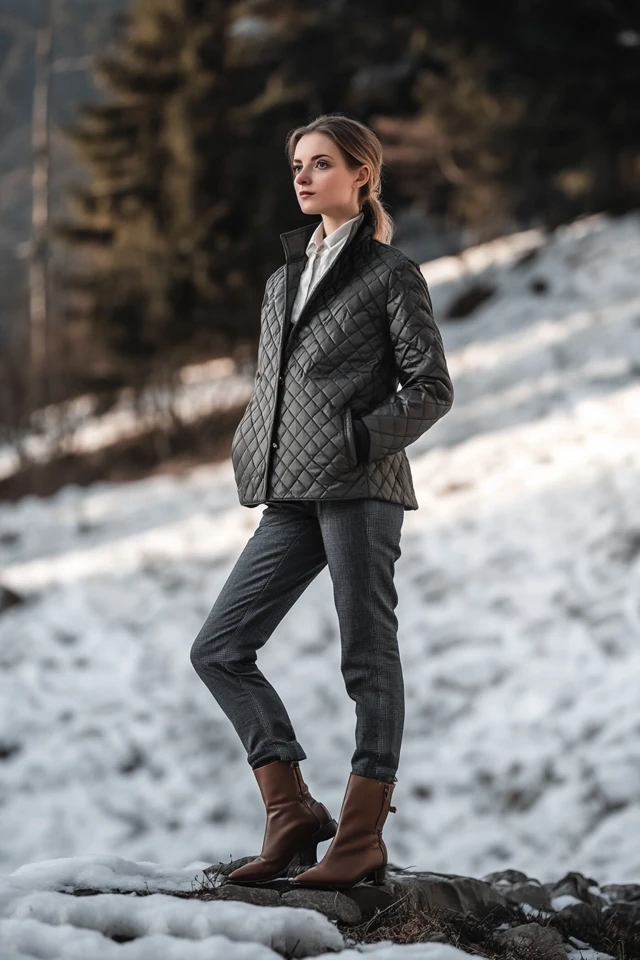
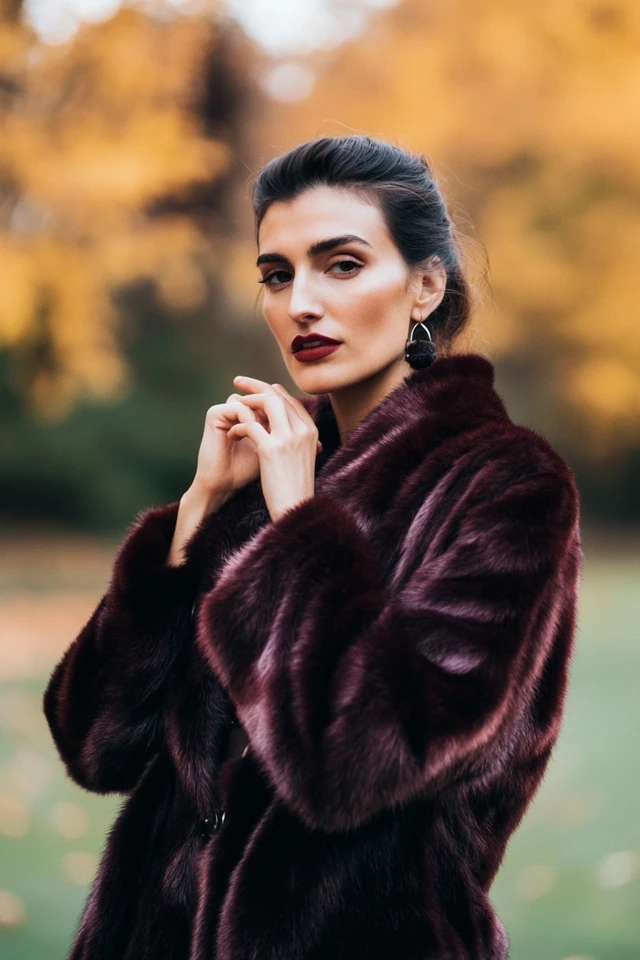
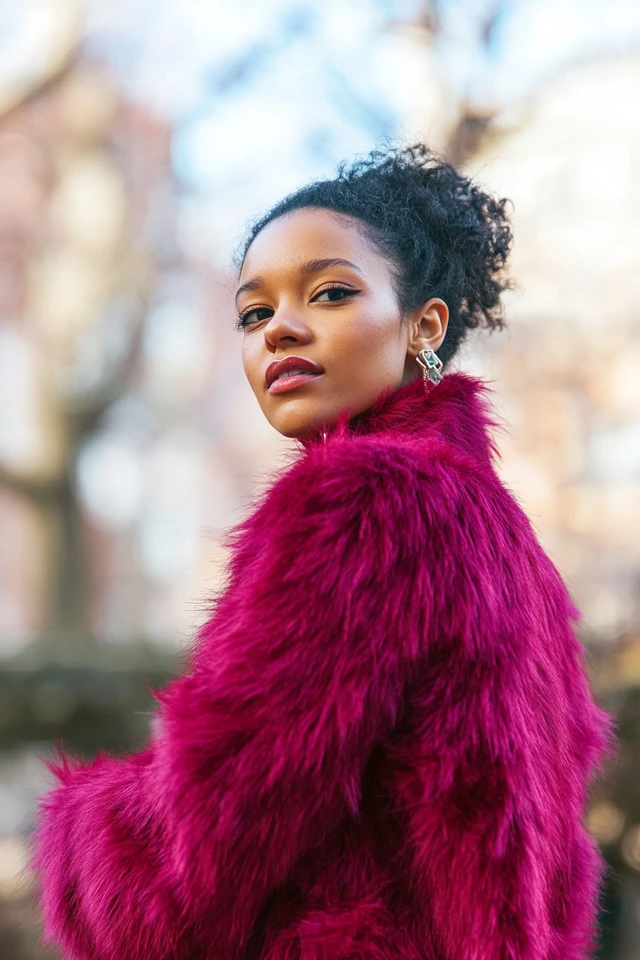
These photos show different ways to combine the two textures, from cropped jackets to longer coats.


Frequently asked questions
Is faux fur still in style?
Yes. It has shifted toward casual shapes like cropped jackets, vests and relaxed coats, often mixed with other textures such as fringe.
What are the downsides of faux fur?
Most faux fur is synthetic, so it can be less breathable than natural fibers and may shed or mat over time. Check pile density and construction before buying.
Is fringe a current fashion trend?
Fringe keeps coming back on jackets, bags and boots. It looks most current when it appears on one piece rather than several.
How do I keep a faux fur and fringe jacket from looking costume-like?
Wear it over plain, smooth layers in one or two colors, and skip other statement textures. A simple bag and minimal jewelry are enough.
Filed under Fabrics & Textures